
Indonesia Becomes First Nation to Deploy Troops to Gaza: What This Means for Middle Eastern Peace
Daniel Kim Views
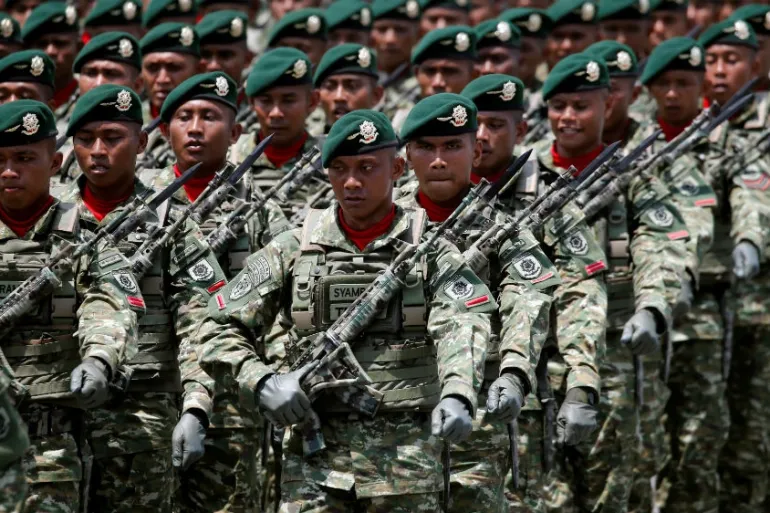
Israel’s public broadcaster KAN reports that Indonesia is preparing to send thousands of troops to the Rafah area in Gaza as part of an international stabilization force.
This move positions Indonesia as the first participant in the U.S.-led second phase of the ceasefire plan. The Indonesian Army Chief of Staff announced, “We stand ready to deploy up to 8,000 personnel.” The mission will primarily involve engineering and medical units, focusing on infrastructure repair and medical support.
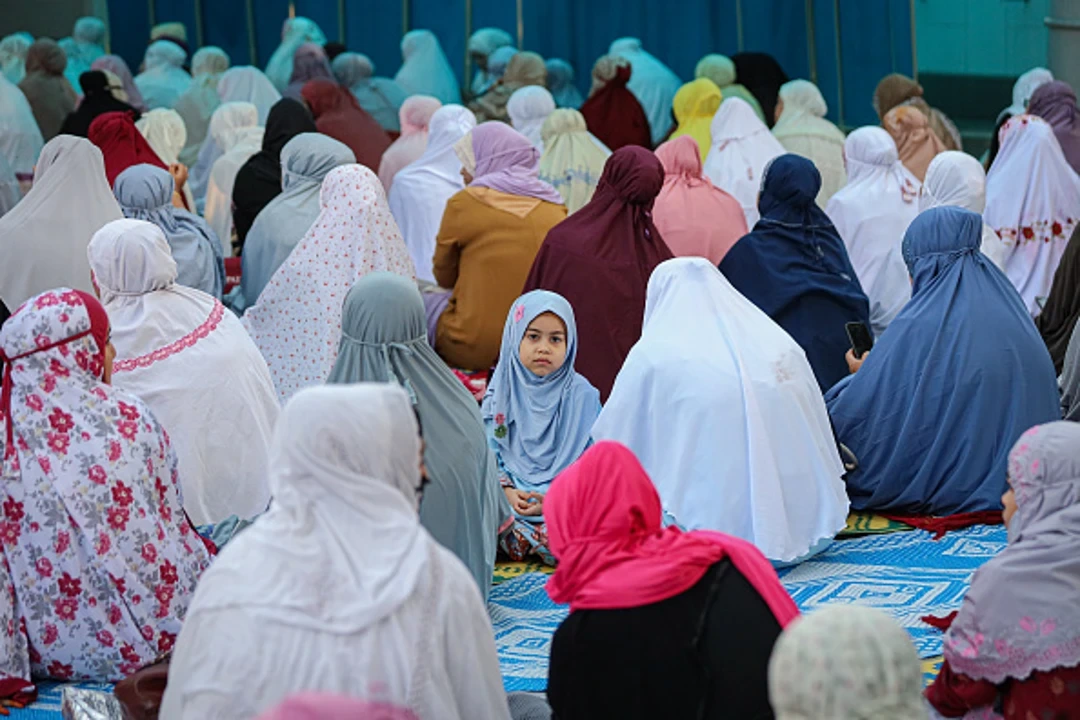
This deployment represents a high-stakes gamble for the world’s largest Muslim-majority nation.
With 87% of its 280 million population identifying as Muslim, Indonesia has been a staunch supporter of Palestine.
Despite lacking diplomatic ties with Israel, Indonesia aims to elevate its status as a peace broker in the Middle East through this Gaza deployment. At the UN General Assembly, President Prabowo boldly stated Indonesia’s readiness to send up to 20,000 troops for peace in Gaza. Given the potential threat from Hamas, the mission will be strictly limited to non-combat roles, initially focusing on establishing living quarters and operational facilities.
Indonesia’s participation marks a significant milestone as the first nation to join the U.S. ceasefire plan’s International Stabilization Force (ISF).
This deployment also represents Southeast Asia’s inaugural involvement in the region. Indonesian engineering units will be tasked with securing vital routes for humanitarian aid delivery.
Israeli media sources anticipate that the mission will prioritize infrastructure rehabilitation over Hamas disarmament.
The force aims to sidestep direct combat engagements.
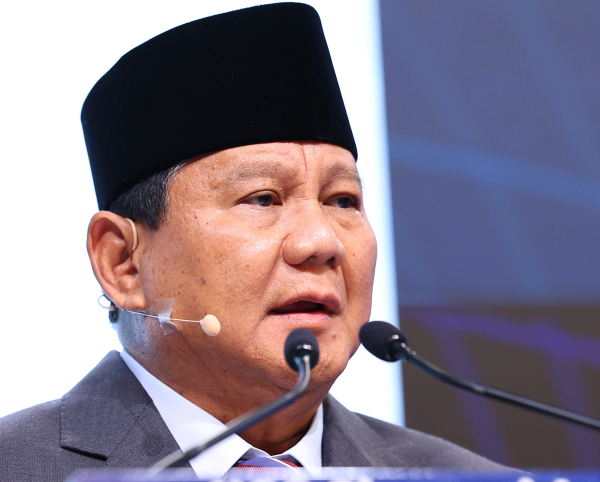
This deployment serves as a critical test for President Prabowo’s Middle East diplomatic strategy.
During the Shangri-La Dialogue, Prabowo expressed support for a three-phase Gaza ceasefire and signaled Indonesia’s willingness to contribute peacekeeping forces.
Indonesia brings substantial experience to the table as a leading contributor to UN peacekeeping missions.
The President also proposed establishing a field hospital capable of treating 1,000 Gaza refugees, aiming to bolster Indonesia’s global standing through Middle East engagement.
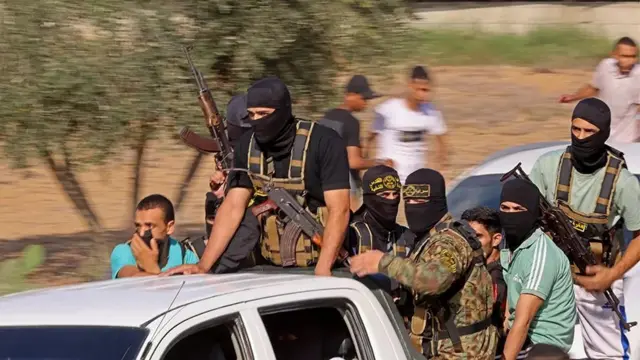
In light of potential Hamas threats, the Indonesian contingent will adhere strictly to non-combat operations.
The force will avoid direct confrontations with Hamas, concentrating on “infrastructure reconstruction, medical assistance, and logistical support.”
Troops are expected to be stationed near the Rafah border crossing, coordinating efforts with Israeli forces. Concerns have been raised about potential repercussions of the deployment. Some worry that Indonesia could find itself entangled as a direct party to the conflict rather than a neutral mediator in the event of Hamas attacks or civilian unrest.
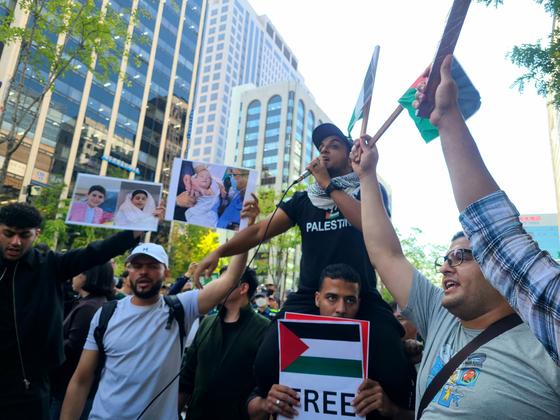
The deployment has sparked intense debate both within Indonesia and on the international stage.
Cooperation with Israel by the world’s largest Muslim-majority nation is likely to face significant pushback from conservative elements.
Indonesian leadership must carefully navigate domestic public opinion, given the country’s history of pro-Palestinian demonstrations.
Other Muslim-majority nations, including Saudi Arabia and Turkey, are reportedly considering joining the ISF.
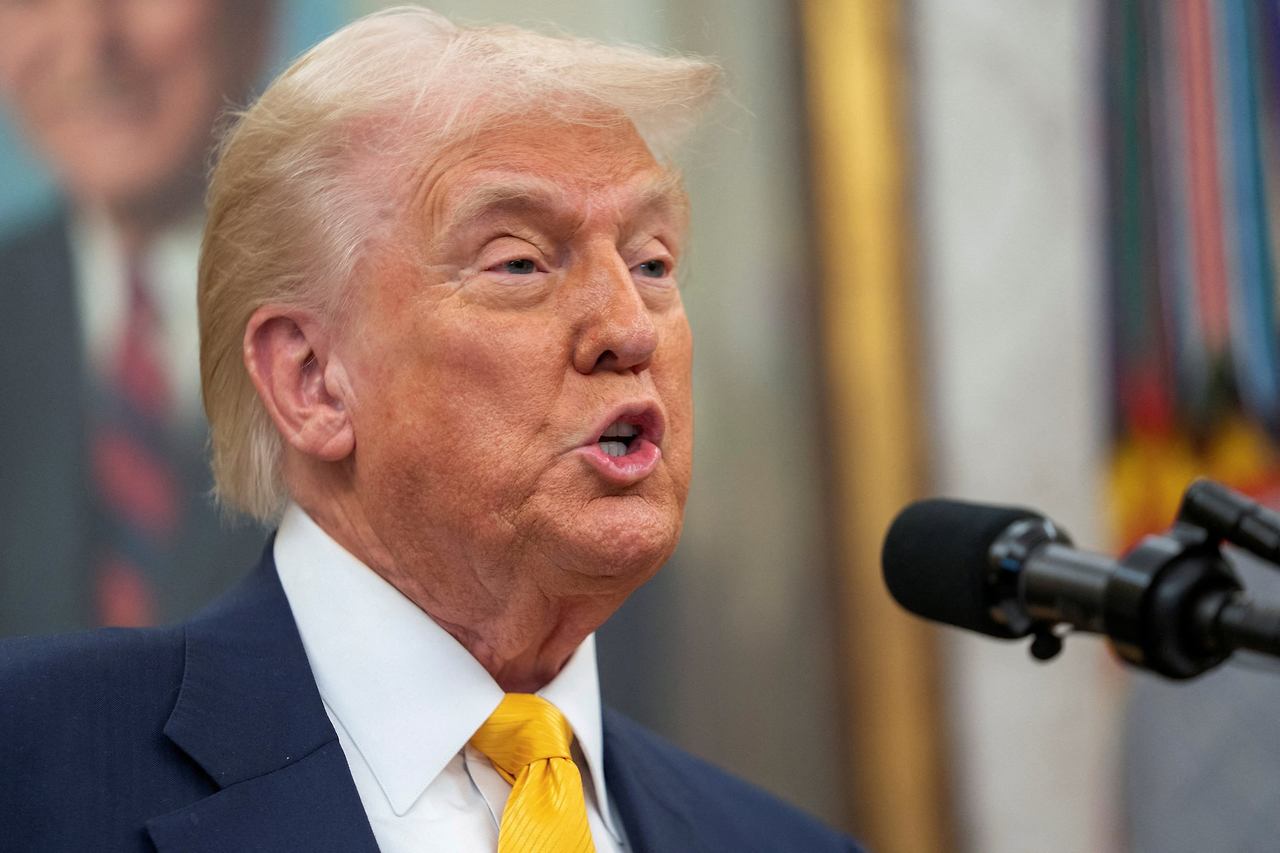
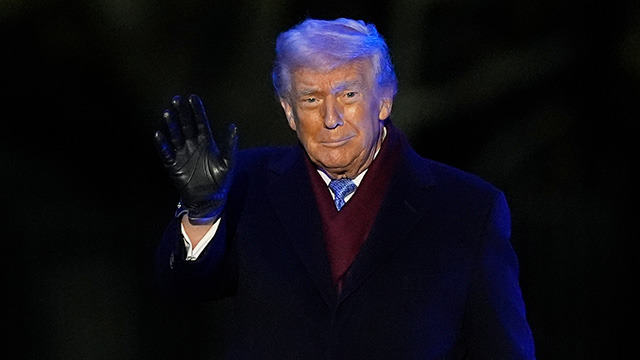
The deployment raises expectations for the first tangible outcomes of the Trump administration’s Middle East initiative.
Indonesia’s participation in the Gaza reconstruction effort represents a significant breakthrough for the Trump administration’s strategy.
For the U.S., Indonesia’s involvement as the first Southeast Asian Muslim-majority nation strengthens its position as a mediator.
However, the mission faces formidable challenges, including potential resistance from Hamas and ensuring the safety of deployed personnel.











Most Commented