
Unlock Inner Calm: Your Guide to the Affordable 2026 Temple Stay Experience in Seoul
Daniel Kim Views
Translation result.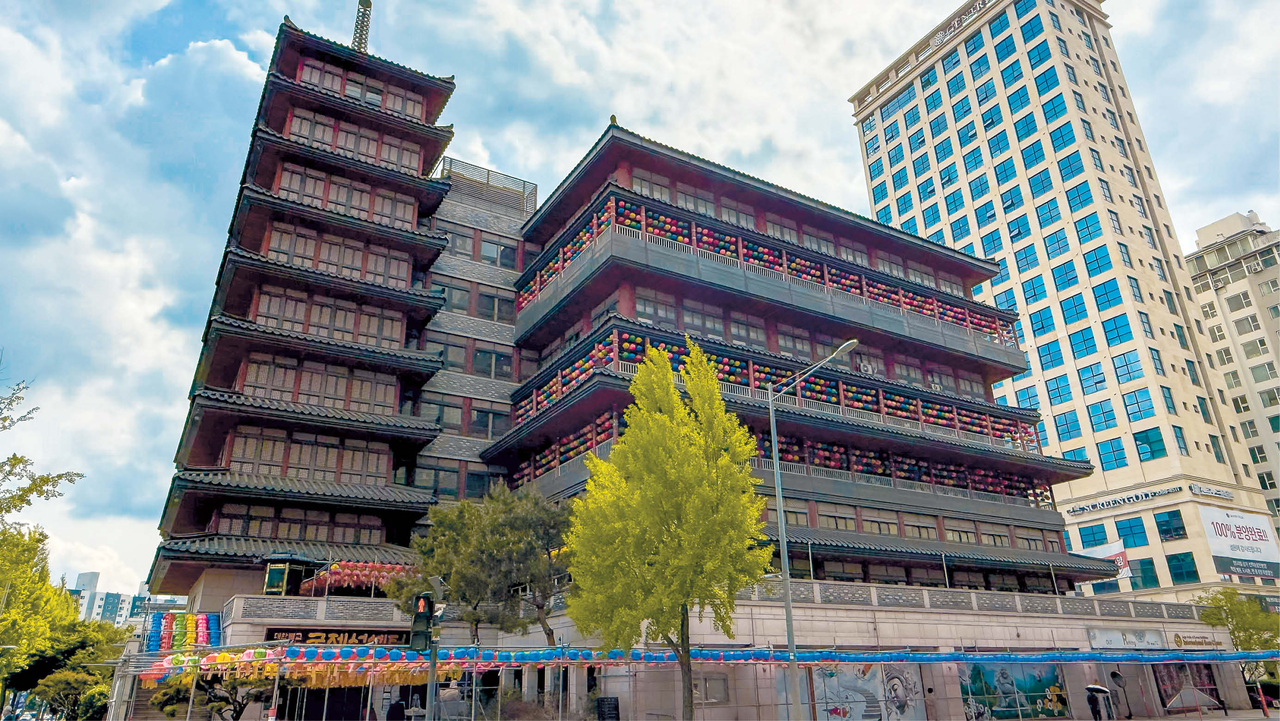 “Focus only on the numbers. Inhale — one. Exhale — two. Keep counting without a gap.”
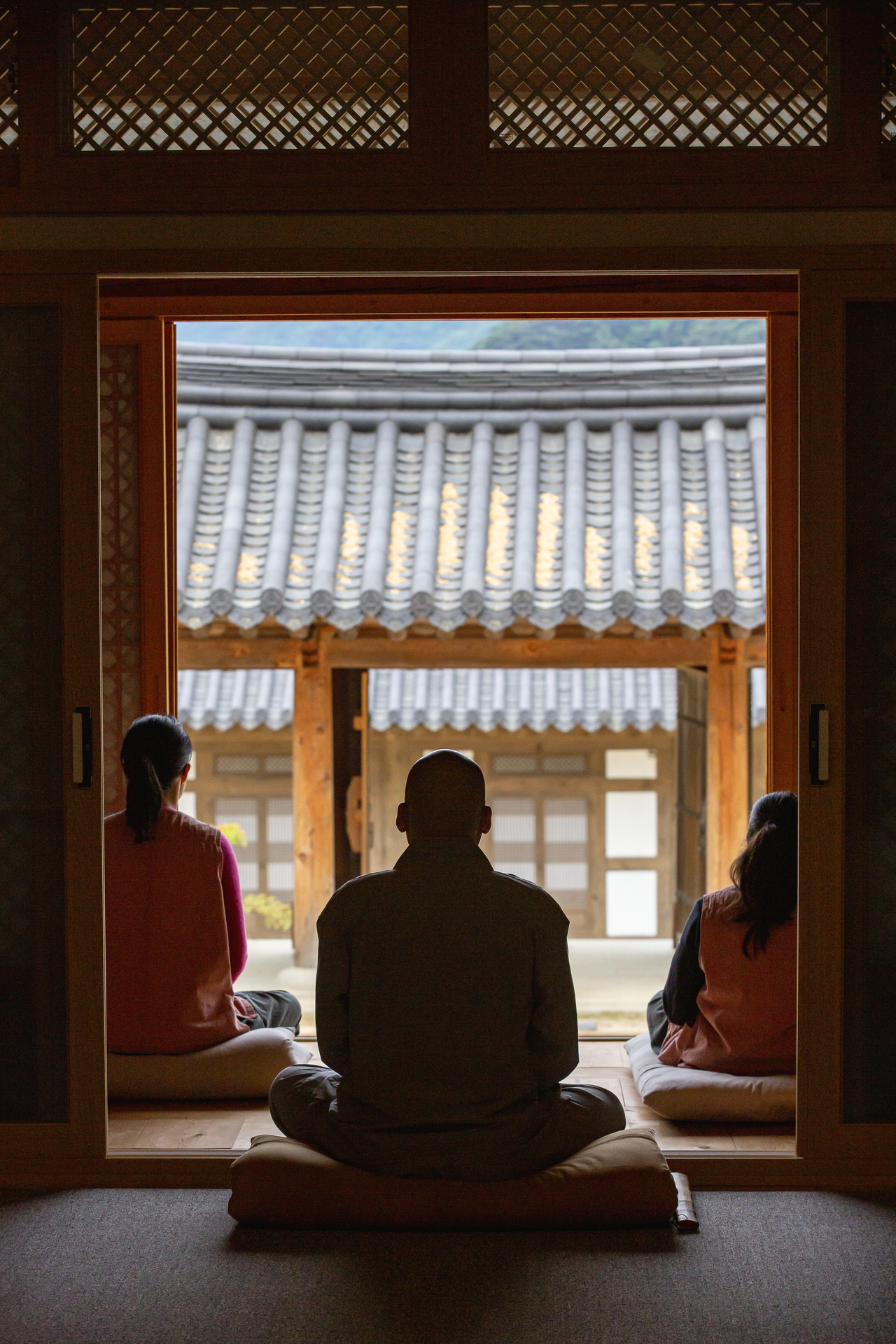
A monk’s calm voice filled my ears. It was time for Seon meditation. I lowered my gaze and tried to steady my breath, but tasks rushed into my mind like dark clouds. I tried to clear my head by staring at the floor pattern; first I saw the number 3, then it morphed into a seagull. Distracting thoughts blurred my focus. The monk called those passing troubles 객진번뇌 — transient烦恼, like dust blown in from outside.
“Our minds never stay still. Like muddy water that clears when it settles, you have to quiet the restless mind to finally meet the true ‘you.’”
A temple stacked vertically in the city
The Jogye Order’s International Seon Center is a place for an urban journey of the mind. The seven-story building rises in the heart of Mok-dong, Seoul, and its exterior evokes the lost Silla-era Hwangnyongsa nine-story wooden pagoda. Set among modern buildings, it feels both out of place and impossible to ignore.
The center opened in 2010 to share traditional Buddhist practice and culture with the world. It compresses a wide mountain temple into a vertical layout: an information desk on the first floor; prayer halls on the second and fourth; a dining hall on the third; guest rooms for temple stay on the fifth; and monk-only spaces on the sixth and seventh. Functionally, it operates much like a regular temple.
I visited just before Buddha’s Birthday, so a cascade of colorful lanterns greeted me at the entrance. I chose the “Minimalism in Temple Stay” program — a one-night, two-day stay in a single room focused on meditation and private reflection.
The assigned room exceeded my expectations. It had a fan, air conditioning, a private shower and toilet, a desk, a charger, and bedding — comparable to a business hotel. As of May this year, the one-night, two-day stay costs 100,000 KRW (approximately $75). That includes a meditation lecture, two meals, and lodging. Considering current prices, it felt like a steal.
I changed into the provided practice clothes and looked out the window at apartments, a school, and cars. A café and convenience store were right across the street. The vibe was miles away from a mountain temple. Crossing one road felt like stepping out of the world; it was oddly disorienting and refreshingly strange. How many places change your whole perspective while still sitting so close to everyday life?
 Step away from daily life and look at yourself
The rules at the temple stay are much the same as at mountain temples. The day starts with dawn service at 4:10 a.m., and lights-out is at 9 p.m. The building is locked from 10 p.m. to 4 a.m. That’s partly for security, but it also enforces a break from the outside world. Unlike forced isolation, chosen solitude felt comforting.
After orientation, we offered a prayer in the second-floor hall and then had dinner at 5 p.m. The dining hall is buffet-style so participants can serve themselves. At the temple, eating is practice: you’re expected to consider the effort behind the meal and avoid waste.
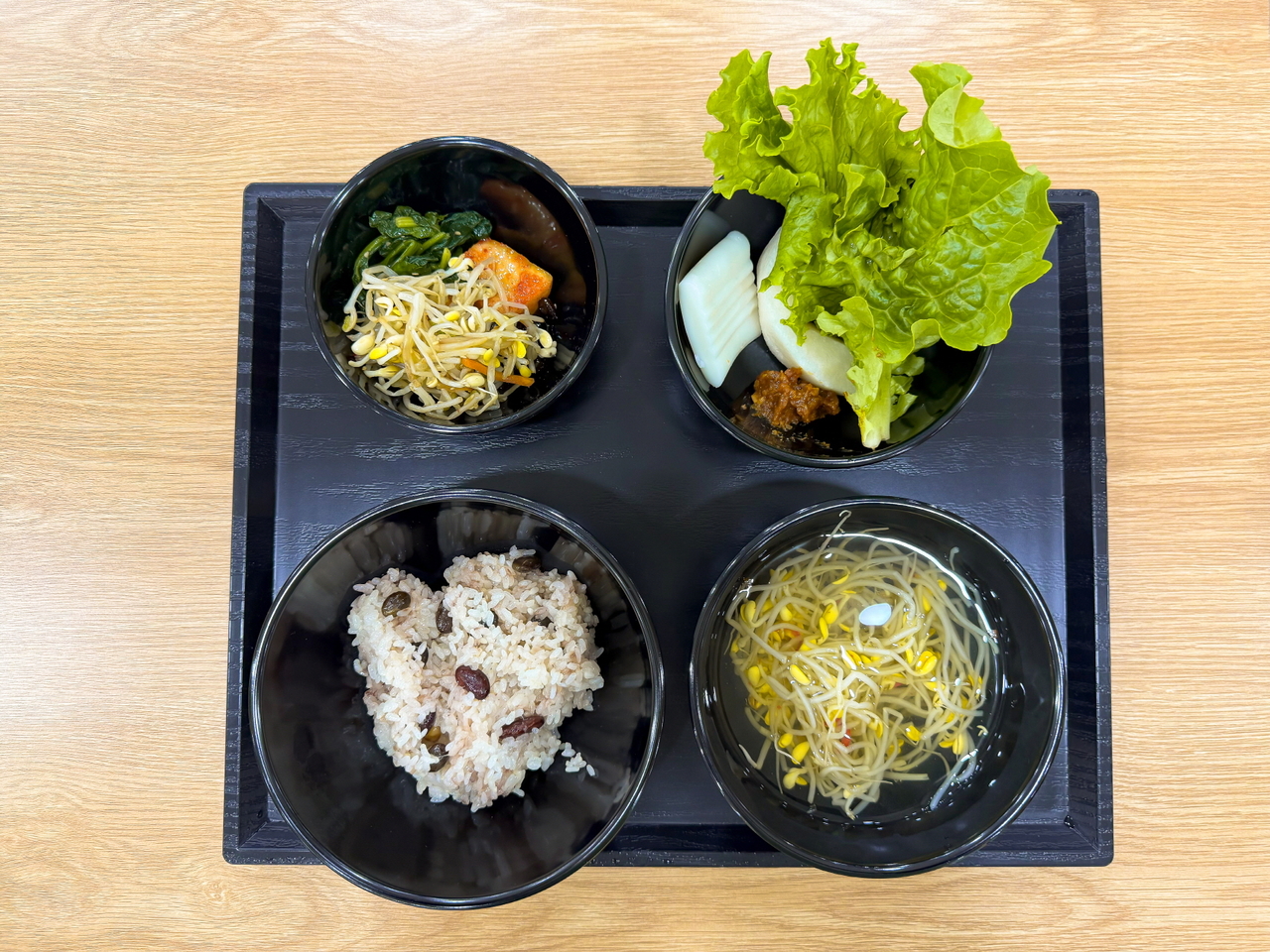
I worried I was a picky eater, but the meal was excellent. Bean sprouts, spinach, radish kimchi, lettuce, soybean paste stew, and rice cakes made for a clean, simple spread. Because the menu was vegetable-forward, I left the table full but comfortable. I finished my bowl and pressed my hands together in thanks. When had I last felt gratitude simply for a meal?
 Counting breaths to calm the mind
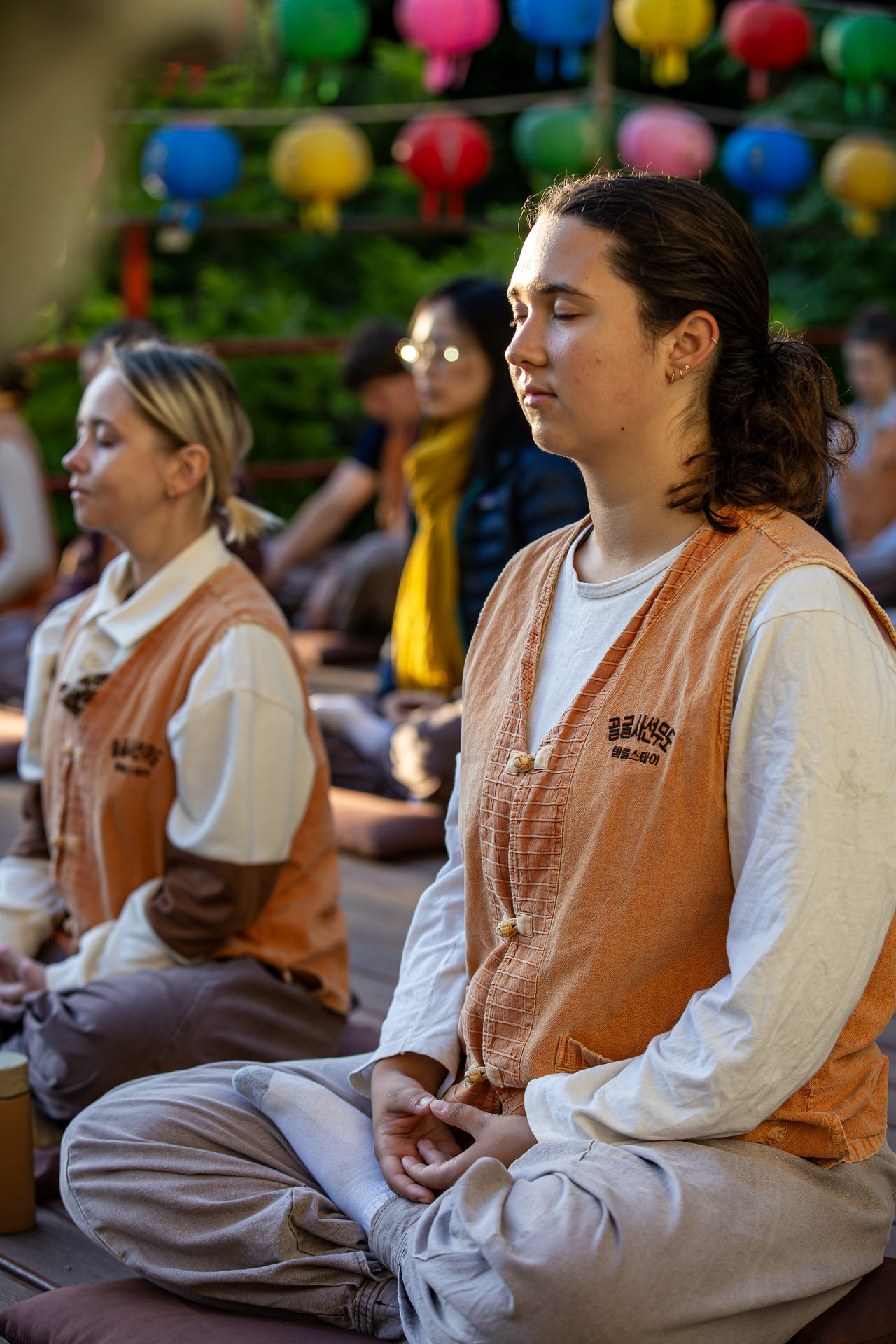
After evening prayer came the program’s core: Seon meditation. Jin, the temple-stay leader at the International Seon Center, emphasized that Buddhist meditation isn’t the same as zoning out or a trendy wellness moment — its purpose is awakening. “Awakening isn’t some grand thing. It’s simply knowing your mind as it is.”
Jin explained that, beneath layers of worry and habit, our true nature is inherently pure. But layers of delusion, attachment to the idea of ‘me,’ and unconscious patterns cover it up. Meditation is the process of brushing off that mental dust to meet the original self.
“Follow your breath as it is. Inhale — ‘one.’ Exhale — ‘two.’ Count from one to nine, then return to one.”
Jin guided us through a counting-breath practice called susikgwan (數息觀). Counting with the breath helps settle a scattered mind and makes it easier to notice when you’ve drifted away from the breath.
“Don’t close your eyes. Lower your gaze about a meter ahead and stay clear and alert. Count and focus only on the breath. Three minutes.”
A singing bowl rang, its slow, resonant tone opening a doorway to another state. In practice, it was harder than it sounded. Despite trying to focus, thoughts and distractions churned. Whenever I felt centered, my mind slipped to something else.
The Buddhist text Inwanggyeong (仁王經) says a single thought contains 90 moments, and each moment contains 900 births and deaths. The mind, then, rises and falls without pause. By that math, a mental switch flickers more than 81,000 times in the blink of an eye.
That means the “me” from a moment ago isn’t the same “me” now. After countless tiny deaths and rebirths, you become a new being. Because we change constantly, there’s no fixed, permanent self. Buddhism invites us to see how futile attachment can be and to let it go.
 A gap in the city to meet yourself
The next morning I woke expecting to feel transformed, but I didn’t. My body was at the center, but my mind was already racing through tasks. During morning tea with the monk, I couldn’t stop thinking about work. The monk observed that most people don’t live in the present; they carry the past and drag forward the future, and in doing so they never fully arrive in the now.
“Dragging the past and pulling the future prevents you from fully inhabiting the present. We call that delusion. Letting go takes practice. Just try to be a little more present today than yesterday.”
By 10 a.m. the program ended. Back in daily life, busyness rushed back in as if there had been no break. I worked, but future worries clouded the present — classic delusion. At home, instead of turning on the TV, I sat down for Seon practice.
“The mind never stays still. When thoughts arise, don’t follow them. Return to the breath and the counting. The more you practice, the stronger your ability not to follow thoughts becomes.”
Even with the monk’s advice in mind, intrusive thoughts kept returning. Still, after a short, quiet spell, my head felt clearer and the weight on my chest lighter. For a while, everything else faded. That was enough. I’d probably slip back into worry soon, but there was no need to fret over an uncertain future quite yet.
One of travel’s gifts is the chance to encounter the unfamiliar. Physically stepping out of your daily orbit creates the space to step back and look at your life. Temple stays are a way to reclaim meaning through Buddhist practice amid modern fatigue.
The International Seon Center lets you experience that training without trekking into the mountains. It offers the benefits of practice within walking distance of subway lines. By minimizing physical distance from daily life while maximizing psychological distance, it becomes a strangely appealing escape. The center currently runs programs like digital detox, healing meditation, and Seon meditation. You can reserve a stay through the Temple Stay official website.
Kim Myung-sang, Reportern










Most Commented