
Translation result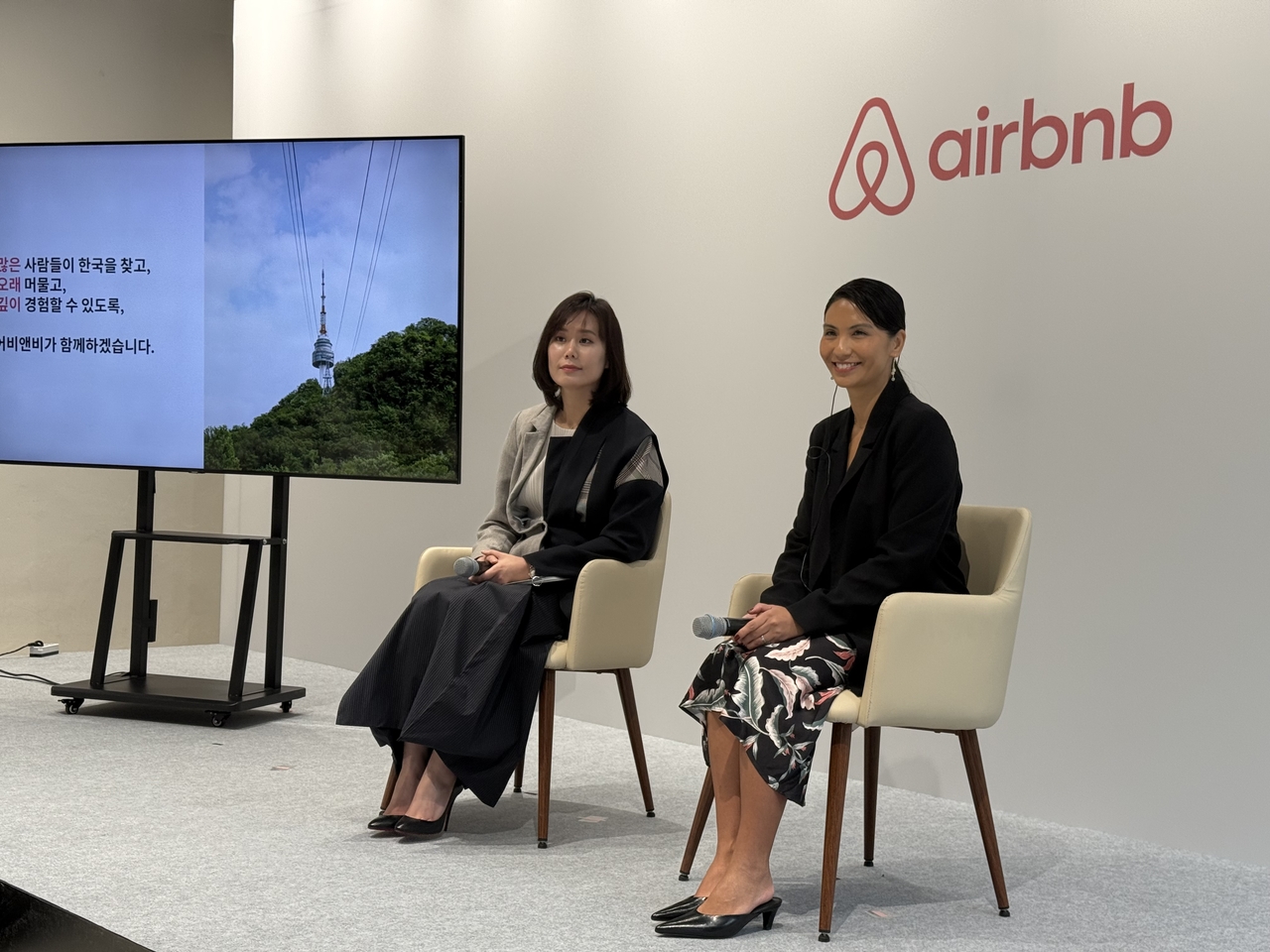 “K-culture is pulling travelers from around the globe to Korea. They want to linger, spend more, and dive much deeper into the culture.”
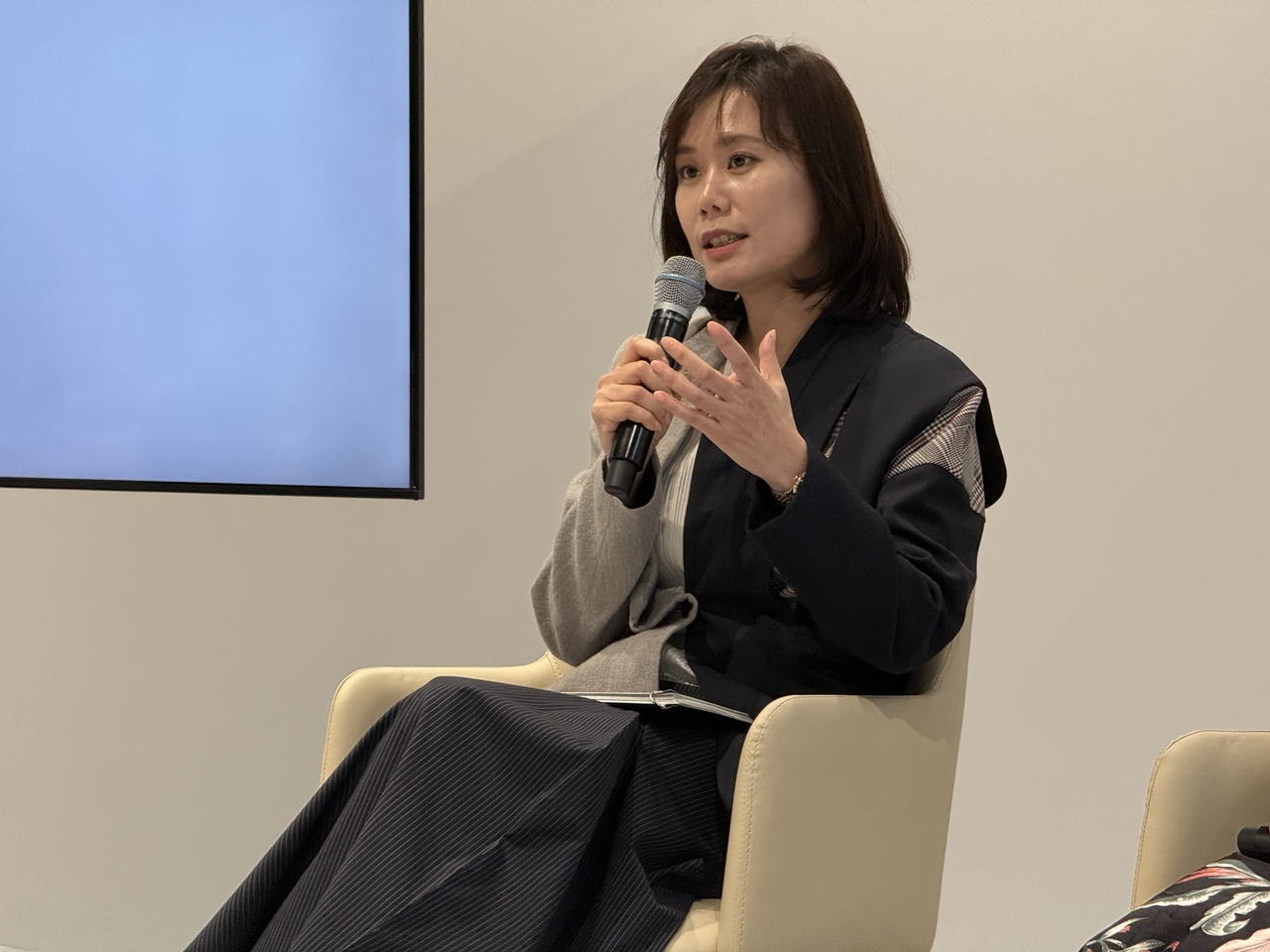
Sharon Chan, head of Communications for Airbnb’s Asia-Pacific region, said this at a press briefing titled “K-Culture: Where Travel Begins,” held April 28 in Seongsu-dong, Seoul. The event explored how Korea’s soft power turns into real travel demand and what’s needed for sustainable growth.
Chan emphasized, “If we want inbound demand to spread beyond Seoul and reach more regions and communities, we must build out local lodging infrastructure.”
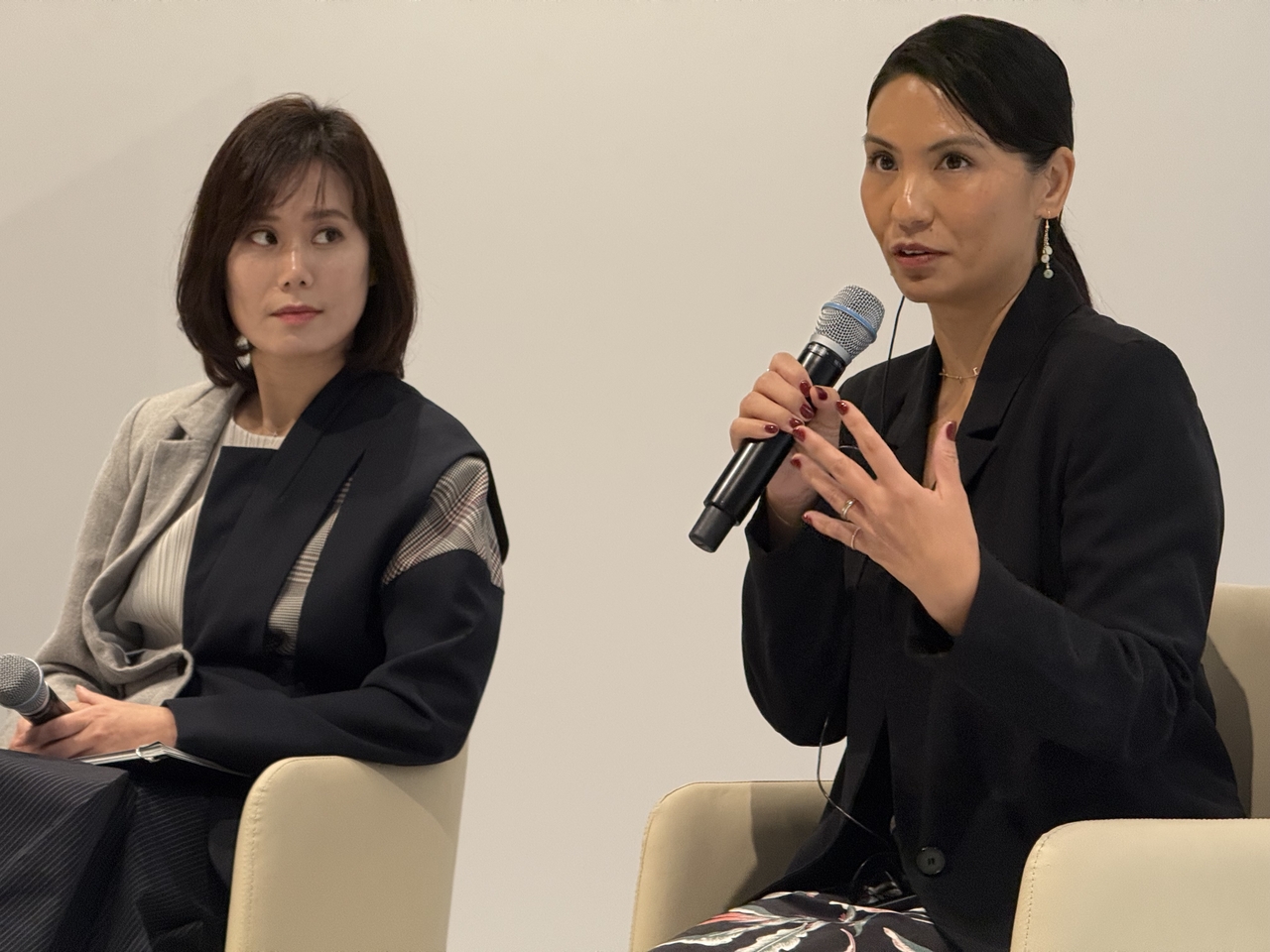 Airbnb released a global report, “Steps Toward Korea: How a New Generation of Travelers Is Drawn by K-Culture.” The survey covered 4,500 people across nine countries — Malaysia, the U.S., Singapore, India, Indonesia, Japan, China, Thailand and Australia — all of whom had visited or planned to visit Korea.
The findings are striking. Ninety-four percent said K-culture influenced their interest in visiting Korea, and 75% named K-culture as a core reason for their trip. Travelers driven by K-culture spent an average of $435 more per person (approximately 640,000 KRW). Sixty-eight percent were traveling or planning to travel with friends or family, and 88% stayed or planned to stay three nights or longer.
Authentic local experiences matter: 91% of respondents said experiencing local culture was important to their trip. Even among those motivated by K-pop, 92% wanted more than concerts — they sought food, history, nature and broader cultural experiences. Sixty-five percent of shared-accommodation users chose those listings specifically to stay in local neighborhoods.
Seo Ga-yeon, Airbnb Korea’s country manager, said, “K-culture is now a powerful starting point for travel to Korea. Airbnb’s priority is helping travelers stay longer, encouraging visits across the country, and enabling genuinely immersive cultural connections.”
Still, demand remains uneven across regions. While 74% of respondents interested in areas beyond Seoul said dramas and films sparked that interest, 66% of actual visitors still spent most of their time in Seoul. And 83% of potential travelers said the availability of suitable lodging outside Seoul strongly influences booking decisions.
Repeat visits are another challenge. Only 47% of travelers who have been to Korea said they wanted to explore more regions, and Airbnb’s internal data show a decline in repeat guests.
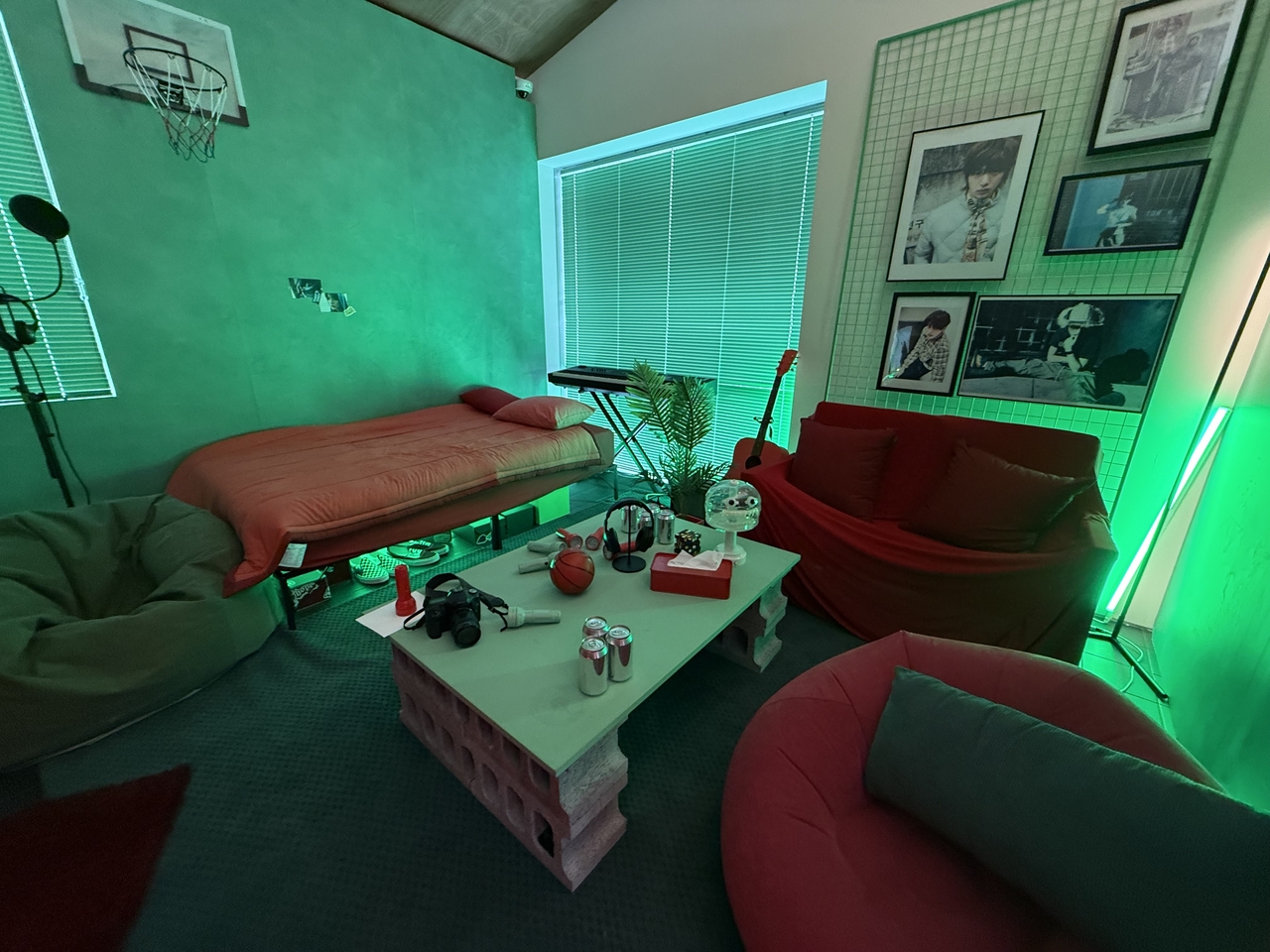 Airbnb said it’s expanding immersive K-culture content. A standout example is “CORTIS’s Secret Spaces of Seoul,” a collaboration with global creator crew CORTIS. Launched to celebrate their mini-album GREENGREEN, the project centers on an interactive “green vs. red” concept.
On April 28, Airbnb hosted an original experience where members and fans enjoyed activities like block-building and UV-clue hunts. On April 29, the space operated as a one-night stay. From May 1–7, the pop-up welcomed about 1,000 visitors, turning fandom moments into real travel experiences.
Airbnb has expanded K-pop stays before — from the 2022 “BTS In the SOOP Season 2” accommodation to a 2024 recreation of a SEVENTEEN music-video stay and a 2025 10th-anniversary experience for SEVENTEEN fans. In 2024, Airbnb converted a structure on a Han River bridge into the “Sky Suite, Han River Bridge, Seoul” and ran an event at Dongdaemun Design Plaza (DDP). In 2025, it partnered with HYBE’s THE CITY project to roll out themed experiences in Seoul, Los Angeles and Tokyo.
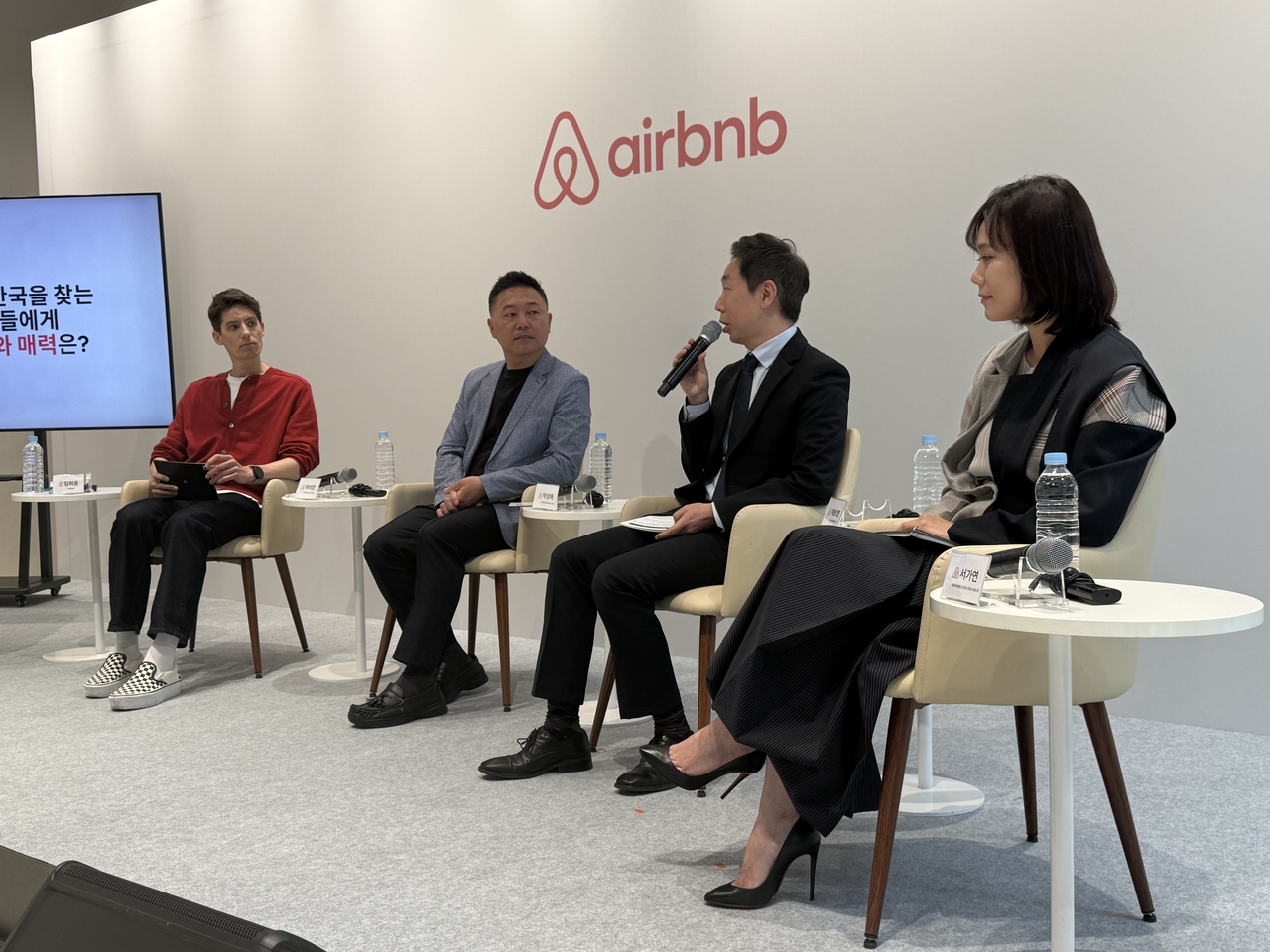 During a panel, experts urged coordinated efforts and supportive policies to convert interest into repeat visits and broader regional spread.
Fabian, a broadcaster and licensed tour guide, said the trend is moving beyond one-off photo ops at places like Gyeongbokgung Palace. More foreign visitors are seeking deeper dives into traditional culture and history at institutions like the National Museum of Korea. To turn this into repeat visits across the country, he said, Korea needs more high-quality content and a larger pool of knowledgeable guides.
Chae Bo-young, president of the Korea Homestay Association, pointed to Gen Z preferences: “They want standalone homes across the country where groups of friends can stay together. But regulatory hurdles — such as residency requirements and neighborhood consent — block entrepreneurs from meeting this pent-up demand. We urgently need realistic reforms to shared-accommodation rules to support longer stays and regional growth.”
 Airbnb said it will focus on shifting demand away from Seoul into local regions and on turning the goodwill around K-culture into actual visits.
Seo Ga-yeon concluded, “We’ll keep creating distinctive content so travelers can experience Korea more deeply. At the same time, we’ll actively work to expand lodging infrastructure and improve regulations to support rising demand. We believe this is Airbnb’s real contribution toward an era of 30 million foreign visitors.”










Most Commented