
Translation result
[TourKorea = Eunha Park] Saipan, a roughly 4½-hour flight from Incheon, sits in the western Pacific as part of the Commonwealth of the Northern Mariana Islands (CNMI). The island’s scenery greets you the moment you arrive: warm air and a sudden rise in humidity as you step out of the airport make it clear you’re somewhere made for relaxation.
Saipan covers about 115 km² (roughly 44.4 sq mi), about 40 times the size of Seoul’s Yeouido district. The island stretches roughly 20 km (about 12.4 miles) end to end, and you can drive from north to south in under an hour.
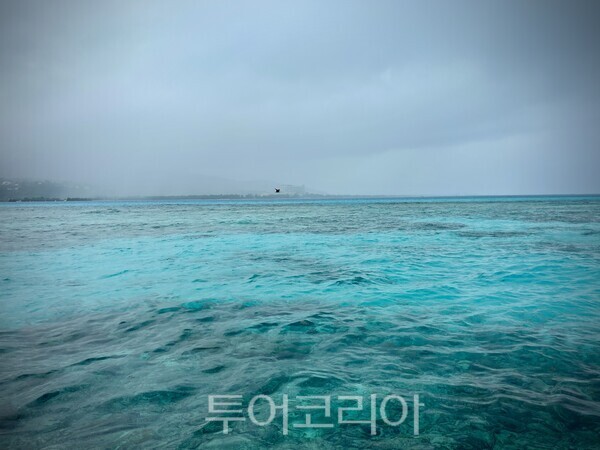
The flight may be relatively short, but the mood of a stay shifts completely. Saipan is more than a beach escape: land and sea adventures flow together along compact routes, creating a concentrated, highly satisfying travel rhythm.
With stays that blend water-based activities and outdoor recreation trending, Saipan is also getting attention as a sportcation destination.
Turquoise seas and immersive marine moments
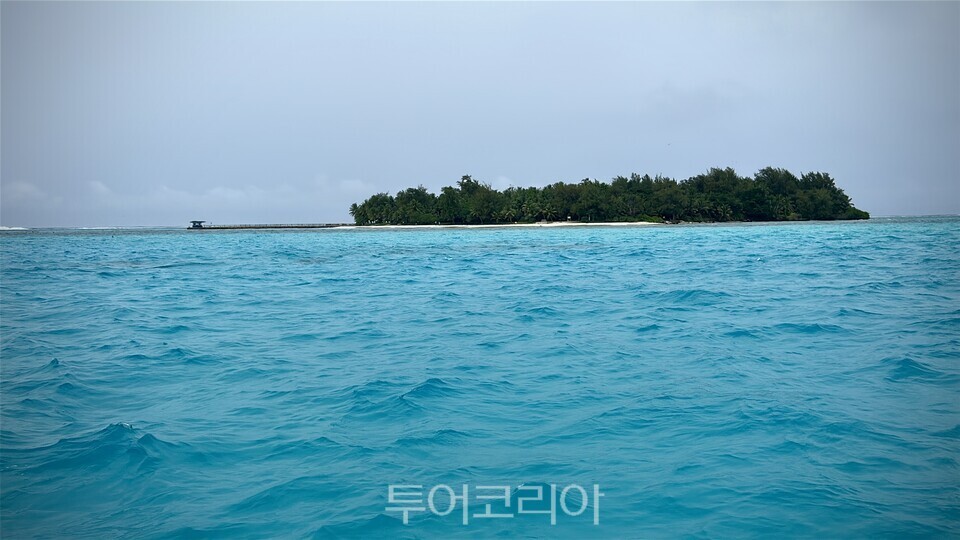
Saipan’s water announces itself by color. Near-turquoise shallows, white sand and coral combine so sunlight penetrates and reflects off the bright seabed, intensifying those vivid blues.
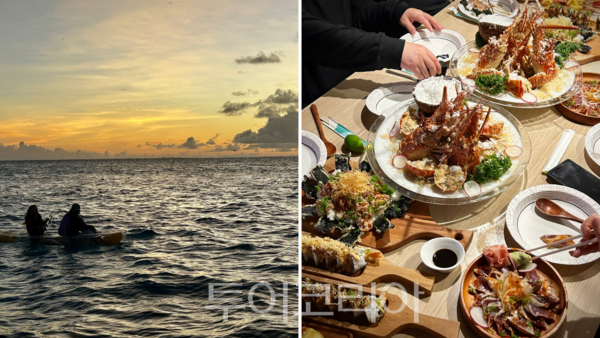
Sunset yacht tours leaving from near Garapan are designed more for lingering than for sightseeing. You’ll snorkel, paddleboard, or glide in transparent kayaks, and dinner is served as the light shifts and the sea’s hues deepen. Live music and a relatively private vibe make these evenings feel curated and intimate.
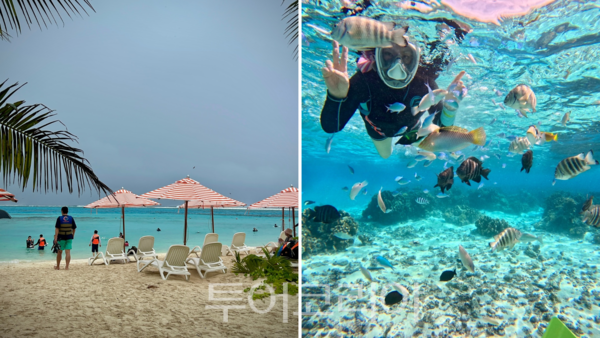
Managaha Island sits about a 10–15 minute boat ride from Saipan’s main shore. A coral rim along its coast acts like a natural breakwater, creating shallow, calm areas that make snorkeling easy and enjoyable even in low water.
The Grotto, on the island’s northeast, is a limestone sea cave. Descend the steps and you enter a semi-enclosed underwater chamber where the angle and quality of light change the water’s color, offering a totally different mood from the open sea.
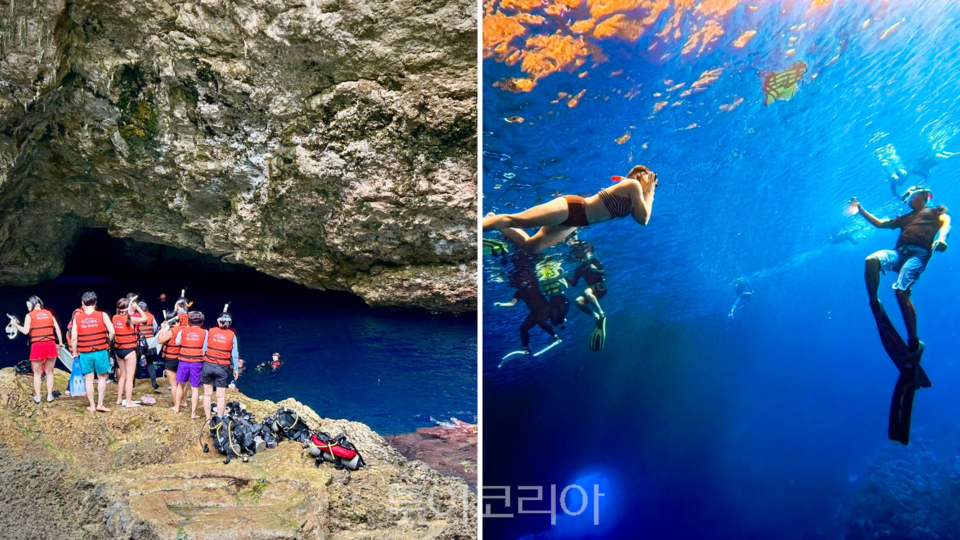
Saipan’s sea has many faces. Surface conditions, underwater topography and geology overlap to produce distinct experiences—each one worth savoring.
Turning inland: reading the island’s contours
Pull your gaze from the water and Saipan reads in a different key.
The Santa Lourdes Shrine, tucked in the forest, is a Catholic holy site with a statue of the Virgin Mary sheltered beneath a cliff. Nestled among dense tropical foliage, it maintains a peaceful atmosphere and draws both locals and visitors.
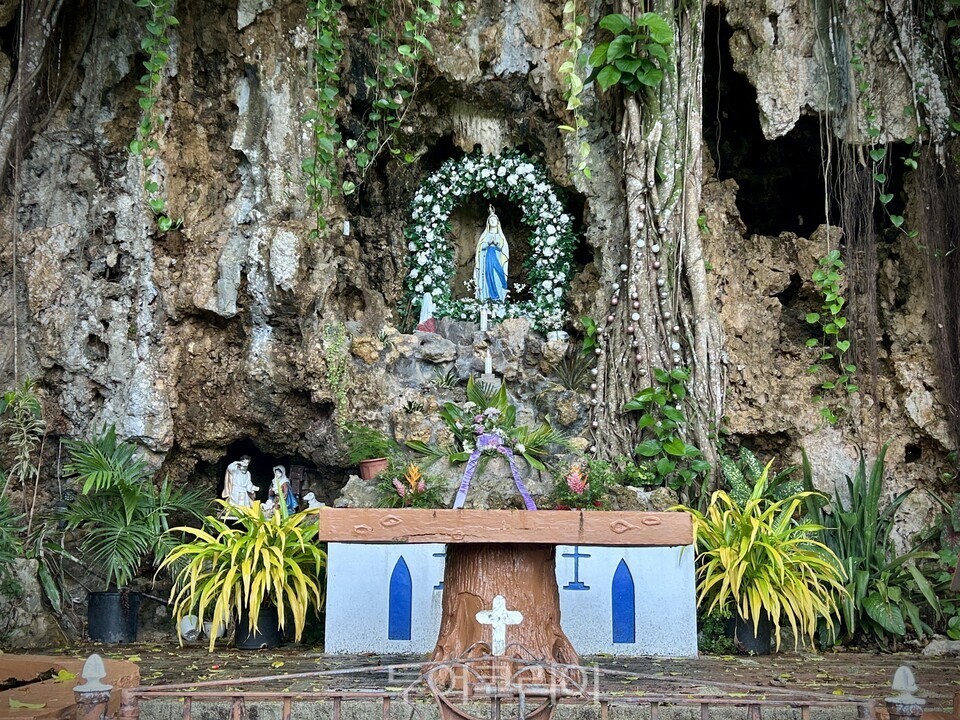
A fresh spring sits before the statue, and some visitors use the water as part of a prayer ritual. The site blends natural setting and religious symbolism, holding spiritual meaning for many on the island. Local stories also say the shrine escaped damage in World War II, which adds to its sacred aura for some residents.
Jeffrey’s Beach, on Saipan’s east coast, is a lookout where cliffs and sea meet. A path through thick tropical growth leads to a narrow coastal strip flanked by cliffs.
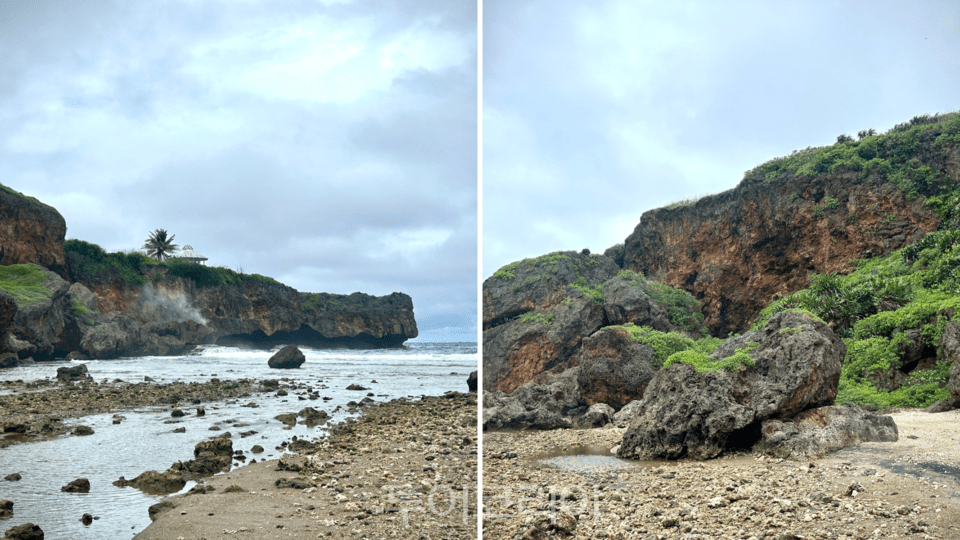
Rocks and cliffs here sculpted by the sea offer close-up views of rugged natural forms; some even resemble animals, so the landscape itself becomes part of the show.
Unlike many of Saipan’s developed resort beaches, this stretch retains its raw coastal shape, revealing a different side of the island’s shoreline.
Mount Tapochau, at about 474 m (roughly 1,556 ft), is Saipan’s highest point. From the summit in the island’s center you can take in coastlines east and west, inland forests, and the road network below.
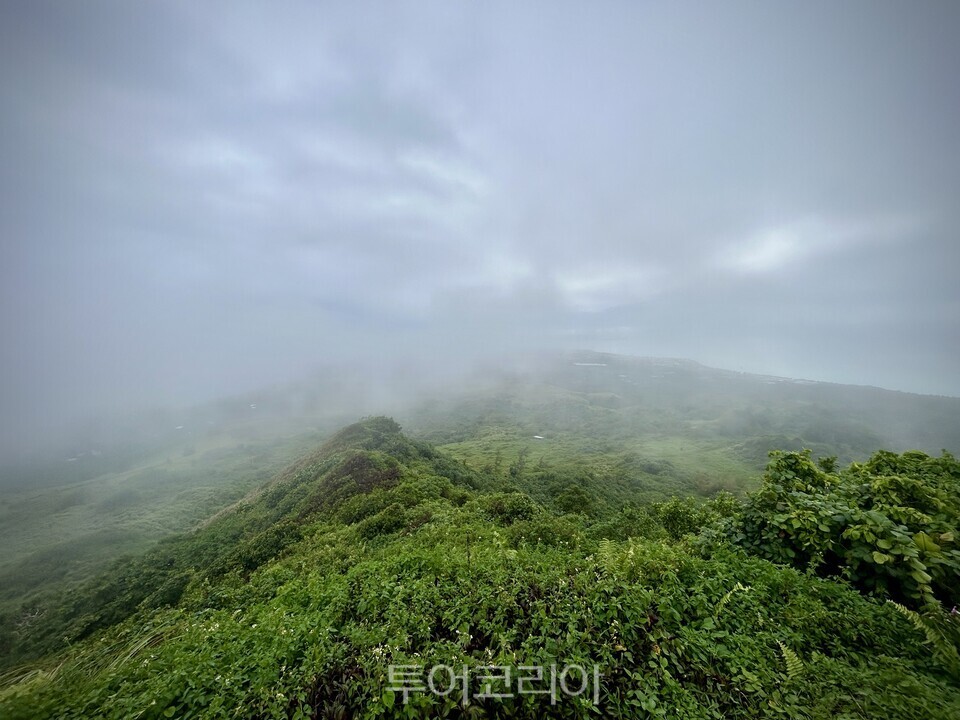
Because Saipan’s base is limestone rather than volcanic rock, the summit shows exposed rock and a distinctive bare look. On clear days you can even spot nearby Tinian.
From that vantage, the ways coastlines, hills and roads connect become obvious, and the separate spots you visited fall into a single, cohesive picture.
Saipan can’t be summed up as simply “an island with great water.” Its topography and shoreline work together to define the whole island.
Evenings that deepen the stay
Nights in Saipan feel less like a checklist of activities and more like permission to linger. The daytime energy eases, and the travel pace slows.
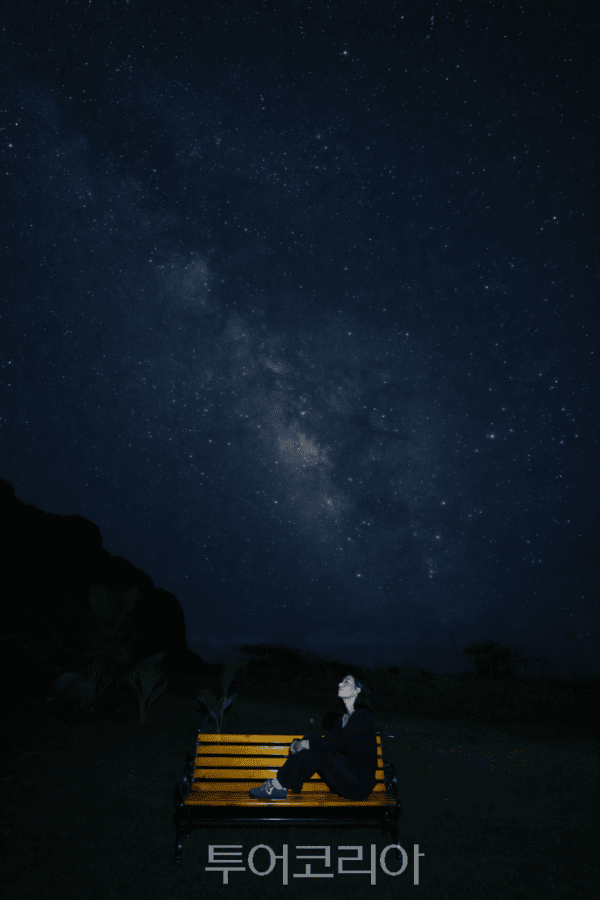
Milky Way Farm minimizes artificial lighting for stargazing and small-scale performances. As darkness deepens the sky fills with stars and paper lanterns drift upward—an unhurried program that gently closes out the day.
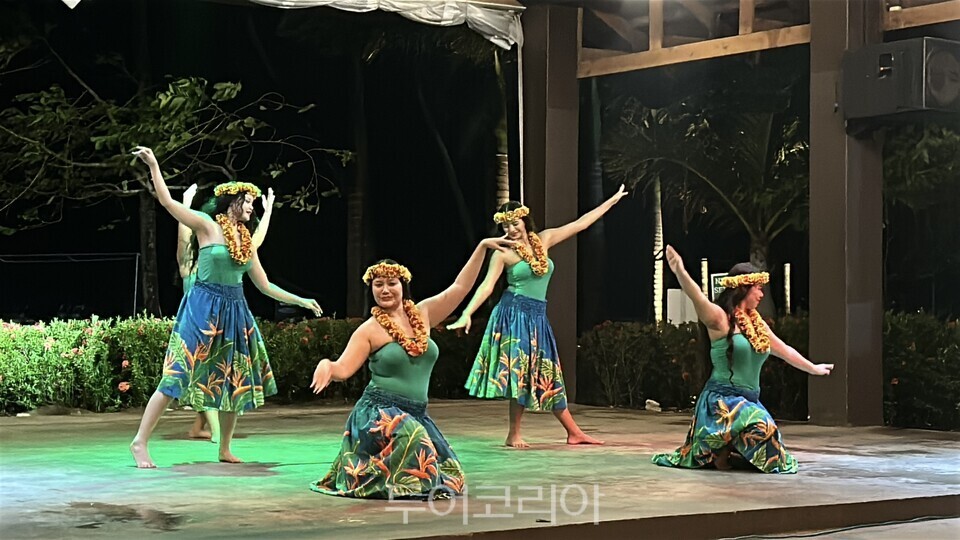
Crowne Plaza Resort Saipan stages traditional dinner shows. Chamorro dance paired with fire acts, set against local flavors, creates an easygoing evening that’s both entertaining and accessible.
Saipan’s food scene shines in local spots
The island’s culinary identity becomes clearer when you step off main tourist tracks. Familiar dishes arrive with fresh preparations and a distinct sense of place.
Inas Kitchen in Garapan is a busy local burger joint during meal hours. Thick patties and fries feel comforting and familiar, but local cooking methods and seasonings give the classics a regional twist.

Herman’s Modern Bakery has been part of island life for years, a spot where tourists and locals naturally mix—more a neighborhood fixture than a tourist trap.
Marianas Coffee sources locally produced beans, making it a go-to for tasting Saipan-grown coffee.
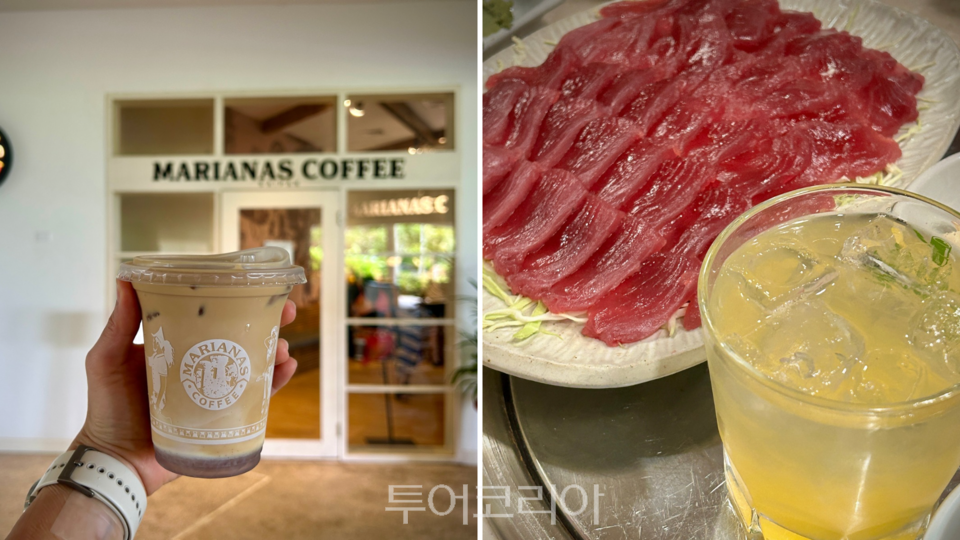
For Korean travelers, fresh (not frozen) tuna is a standout—an experience many say is only possible here. It’s often enjoyed with soju brightened by lime.
Saipan’s food story isn’t about chasing novelty; it’s about noticing how familiar flavors shift and sing in local context.
A compact island that delivers dense experiences
Saipan’s modest size makes getting between major sights easy. The island’s natural and cultural assets are concentrated within a manageable area, so you can cover a lot without rushing.
That layout lets travelers stack varied experiences into short itineraries. You don’t have to sprint—the practice of staying put, savoring the place, builds the trip’s intensity.
Recently Saipan has moved beyond its image as just a resort destination; it’s evolving into a layered getaway that combines nature, activities and local culture.
Saipan isn’t meant to be consumed quickly. Different experiences overlap, and the island reveals itself slowly—season by season, visit by visit.










Most Commented