
Top 5 Must-Visit Attractions in Hengchun, Taiwan: From Capybara Experiences to Historical Sites
Daniel Kim Views
Hengchun (恒春) — a quaint town at Taiwan’s southern tip — literally means “eternal spring.” With mild weather that feels like spring all year, its warm, easygoing vibe drifts through every alley.
Paradise of Capybara (Paradise of Capybara, 墾丁鹿ㄦ島水豚生態園區)
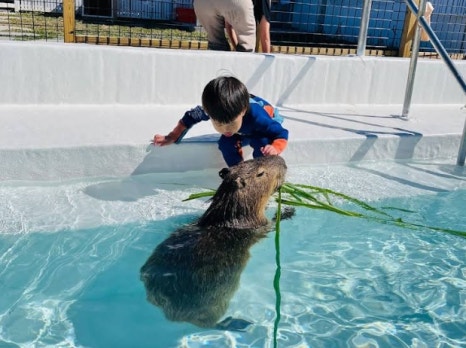

Paradise of Capybara isn’t your typical zoo. It’s an open, eco-friendly experience where you can get up close with capybaras—the world’s gentlest rodents—without fences or barriers.
A giant red lantern gate and capybara sculptures—evoking Tokyo’s Kaminarimon—welcome you at the entrance. Inside, neatly kept lawns and shimmering ponds are home to capybaras lazily enjoying their day.
The “Swim with Capybaras” session is a rare treat: you can slip into a pool with these water-loving animals, interact, and snap memorable photos. Tickets include a feeding voucher so you can hand-feed capybaras as well as fallow deer and mini sheep—it’s a hit with families and couples.
The park is open daily from 10:00 a.m. to 5:30 p.m. Admission is 200 TWD (about 9,300 KRW), while the capybara swim requires a separate reservation and costs roughly 800 TWD (about 38,000 KRW). It’s also close to Hengchun Old Town, making it easy to pair a visit with local restaurants and cafés for a full-day outing.
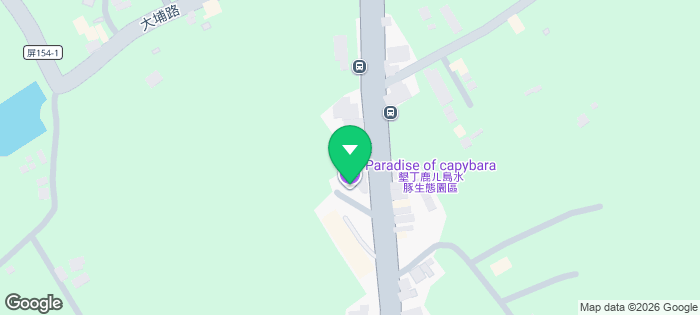
No. 275之1號, Shengbei Rd, Hengchun Township, Pingtung County, Taiwan 946
Migu Village (麋谷 Migu Village)
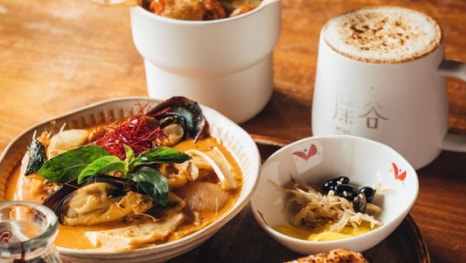
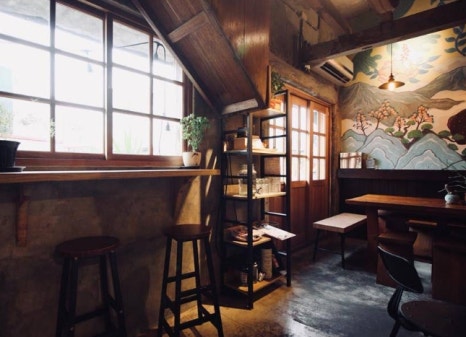
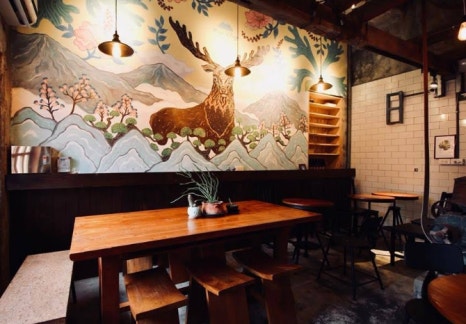
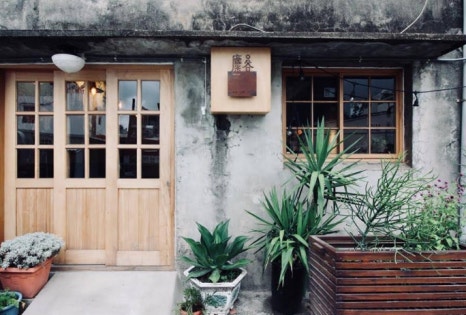
Migu Village is a restaurant tucked into a renovated 60-year-old rice mill. Rather than remove the massive rice-husking machines, the owners preserved them—so you dine while gazing at living industrial history. The space doesn’t just reuse an old building; it elevates industrial heritage into a central design feature.
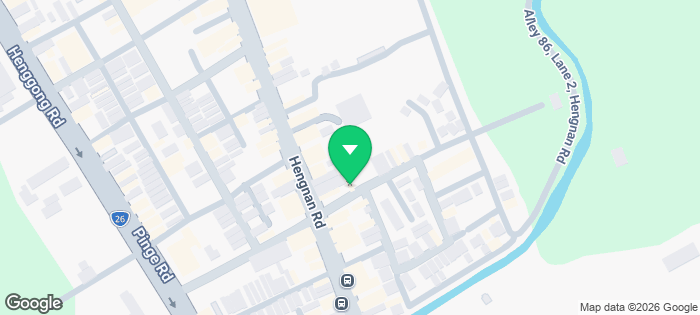
No. 1號之1號, Lane 2, Hengnan Rd, Hengchun Township, Pingtung County, Taiwan 946
Tree Summer (樹夏飲事)
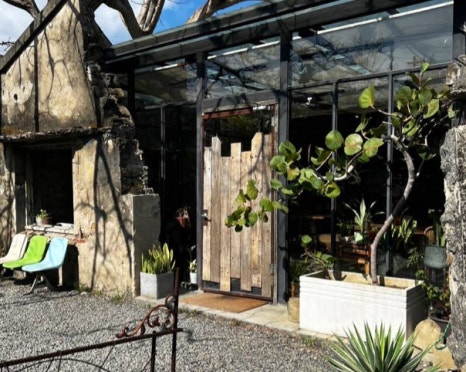
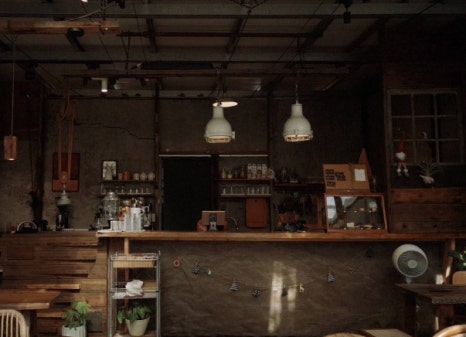
Tree Summer transformed a ruined brick factory into a glass greenhouse, where a towering flamboyant tree pushes up through broken walls. The result is surreal and utterly photogenic—one of Hengchun’s most artful cafés, where crumbling architecture and living plants coexist in striking contrast.
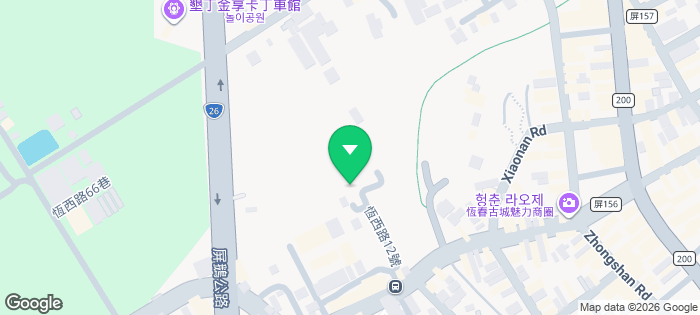
No. 12-21號, Hengxi Rd, Hengchun Township, Pingtung County, Taiwan 946
Hengchun Sisal Industry Historical Monument (Sisal Industry Historical Monument)
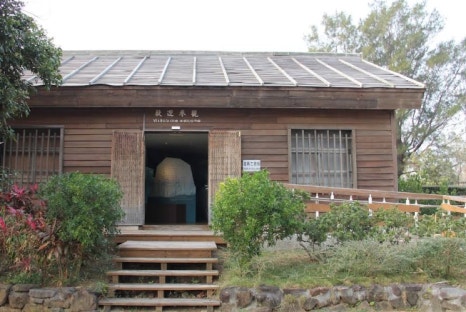

On the windswept Hengchun Peninsula sits the Sisal Industry Historical Monument (瓊麻工業歷史展示區), a site that documents the rise and fall of the sisal industry that once anchored the local economy.
After U.S. consul James Davidson introduced sisal from Central America in 1901, Hengchun quickly became an ideal place to grow the hardy plant—sisal thrives here despite sparse soil and strong sea winds.
Under Japanese rule the site housed a factory run by Taiwan Ma-Industries Co. After World War II, Taiwan’s Agricultural Corporation took over, but the industry declined with the advent of synthetic fibers like nylon, and the factory closed in 1983.
Today, Kenting National Park has restored the old factory buildings, dormitories, and warehouses into a historical exhibition to preserve local cultural assets. Visitors can experience a quiet beauty where overlooked chapters of Taiwan’s modern history meet the surrounding nature.
Red-brick Japanese-style buildings and overgrown factory ruins create a scene that feels frozen in time. It’s a peaceful spot for a slow stroll and striking photos, away from the busy Kenting beaches and Hengchun town center.
Walk the outdoor trails and you’ll see sharp sisal leaves growing where dormitory foundations and kilns once stood. Sunlight pouring through collapsed walls adds drama to the site’s story. Located near Longluantan Lake, the area offers lovely scenery and a distinctive atmosphere where nature and industrial heritage meet.
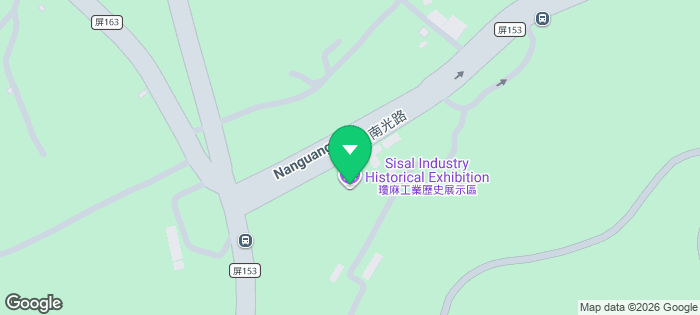
No. 4, Caotan Rd, Hengchun Township, Pingtung County, Taiwan 946
Guan Shan Fude Temple (Guan Shan Fude Temple)
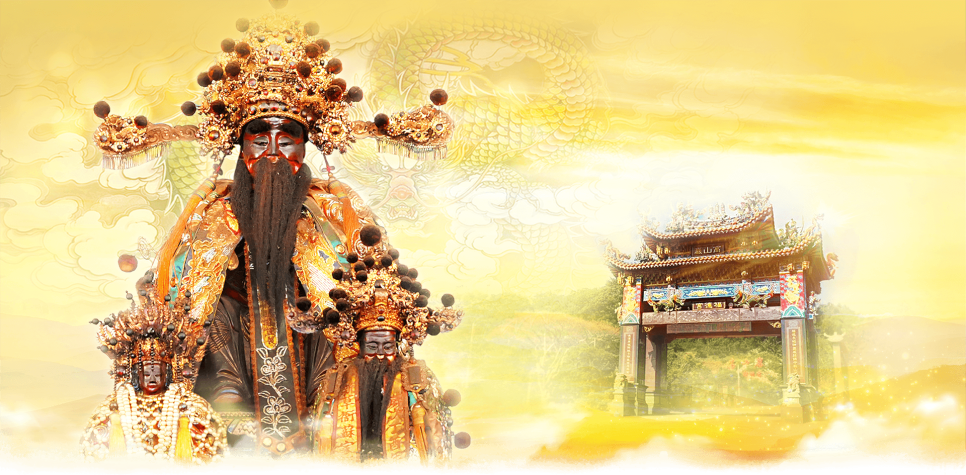
Guan Shan Fude Temple (高山巖福德宮) is both a sacred site and a stellar vantage point for southern Taiwan’s scenery and history. Perched on a coral-rock hill 152 m (499 ft) above sea level, the rock formations rose from the seabed about 30,000 years ago. Founded in 1639, the shrine has stood for over 380 years and ranks among Taiwan’s oldest temples dedicated to the Earth Deity (Tudi Gong). Locals come to pray for wealth and peace, and the temple’s ornate carvings and vibrant red decor offer a vivid glimpse into Taiwanese Taoist culture.
CNN named Guanshan among the world’s top 12 sunset spots, and the temple offers one of the most comfortable vantage points to take in that view.
From the plaza in front of the temple you get panoramic views across the Hengchun Peninsula and the blue waters of the Taiwan Strait. At sunset, the temple’s red tiles and the golden sky combine to create an unforgettable scene.
Surrounded by geologically rare coral-rock cliffs and lush trees, even a short walk here immerses you in the exotic atmosphere of southern Taiwan.
Around the temple you’ll discover coral-formed caves and traces of ascetics’ former quarters. Visitors often offer a quick prayer inside, then follow nearby paths to relax and gaze out over the sea.
Taiwan’s Earth Deity worship shares similarities with Korea’s local guardian-deity traditions. The temple is best reached by taxi from Hengchun or Kenting—a drive of about 15–20 minutes—and admission is free.
The temple’s hours are generous—from 6:00 a.m. to 9:00 p.m.—but paths can get dark after sunset, so plan your return transport in advance.
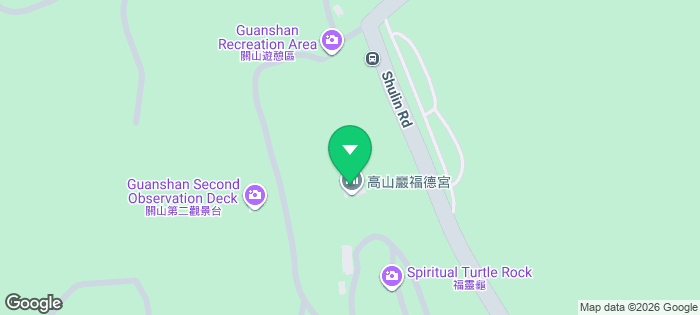
No. 9之11號, Binlang Rd, Hengchun Township, Pingtung County, Taiwan 946
Story by Kwon Hyo-jeong, Travel+ reporter / Photos: Official sites









Most Commented