
Hotel brands are expanding sustainable experiences and guest touchpoints by leaning into eco-friendly operations, the growing appetite for luxury wellness, and collaborations focused on premium relaxation.
As part of its ESG initiatives, Banyan Tree Club & Spa Seoul will replace all plastic room keys with eco-friendly wooden keys.
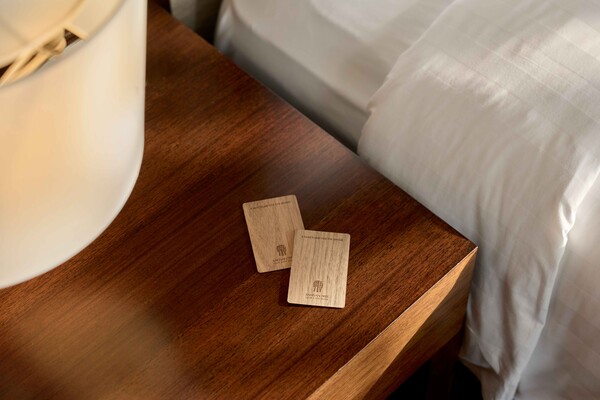
The new keys are crafted from biodegradable walnut wood, and the hotel will phase out plastic keys across its active rooms. The change is expected to reduce roughly 50 kg of plastic waste annually.
The key swap is an extension of Banyan Tree Seoul’s green roadmap. Last September the property installed water purifiers in every room to eliminate single-use plastic water bottles, and it has used its own reusable ceramic dispensers since opening. Adding wooden room keys is the next step toward a plastic-free in-room environment.
Banyan Tree Seoul plans to roll out an eco tote inspired by the Banyan Group’s sea turtle mascot “Peli” as a welcome gift later this year, encouraging guests to bring conservation home. The hotel also recycles rainwater for landscaping and outdoor cleaning, and by 2025 it reported reductions in electricity and water use compared with the prior year.
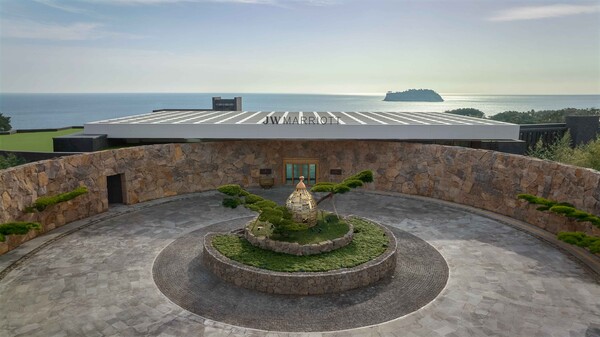
Since opening in April 2026, JW Marriott Jeju Resort & Spa posted its highest monthly revenue on record. April occupancy hit a record 93.0%, and the hotel held that strong occupancy even after the average room rate surpassed 1,000,000 KRW (about $750). Revenue per available room also reached an all-time high.
Executives attribute the performance to rising demand for luxury wellness travel and experience-driven spending. Growth came from both domestic guests and international visitors who booked through Marriott’s official channels. Higher-spending travelers from China and the United States helped Marriott-channel room revenue climb 106% year on year, and the share of guests from those markets rose notably from the same period last year.
Spending outside the room also surged. Food-and-beverage revenue increased 78.1% year over year, while spa revenue grew 82.0%. JW Marriott Jeju has been expanding wellness programs tied to Jeju’s nature and culture. In April, the hotel added off-site experiential offerings like “JW Garden Catch the Fun,” “Fieldnote: Afternoon Photo Walk,” and “Jeju Five-Senses Walking Meditation.”
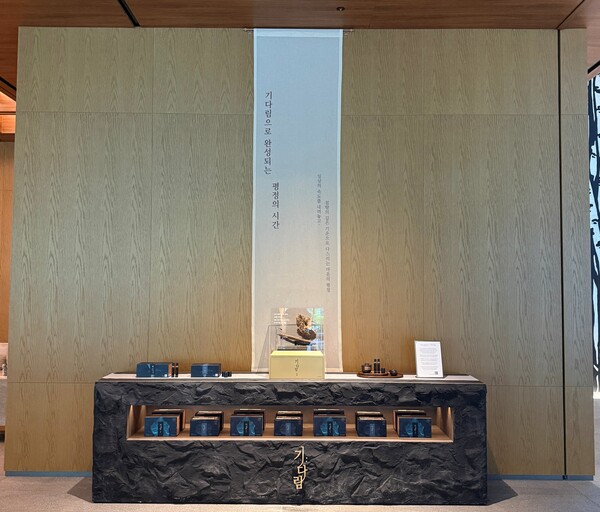
CheongKwanJang’s premium agarwood line, “Gidarim Chimhyang,” is teaming up with Park Roche Resort & Wellness. The partnership mirrors growing consumer interest in restorative rest and balanced, healthy downtime. The collaboration runs through December.
“Gidarim Chimhyang” is CheongKwanJang’s mindfulness-focused brand, blending Indonesian agarwood with the company’s processing expertise. At Park Roche Resort, CheongKwanJang has created a “Gidarim Brand Zone” where guests can explore the brand’s philosophy and products. The onsite experience includes raw agarwood displays and social-media engagement events for visitors.
Beginning in June, guests can book the “Park Roche Signature Wellness Package” or the “Wellness for Parents Package,” both of which bundle accommodations, wellness programming, and chances to try Gidarim Chimhyang products. The resort will also offer “Mindful Yoga” and “Gidarim Tea Meditation” classes, and in July it will hold a raffle awarding Park Roche room vouchers to customers who make purchases.












Most Commented