
Translation result
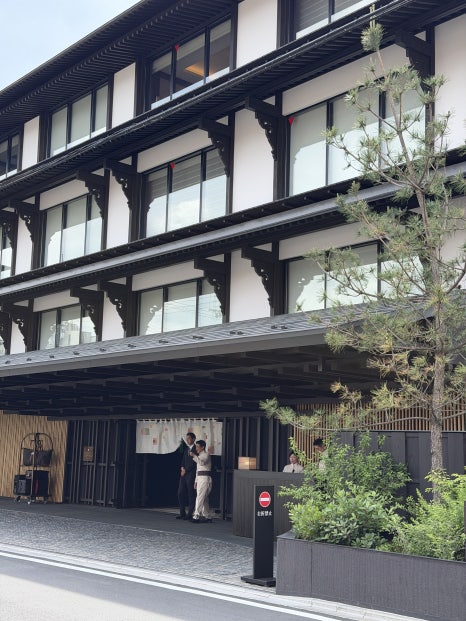
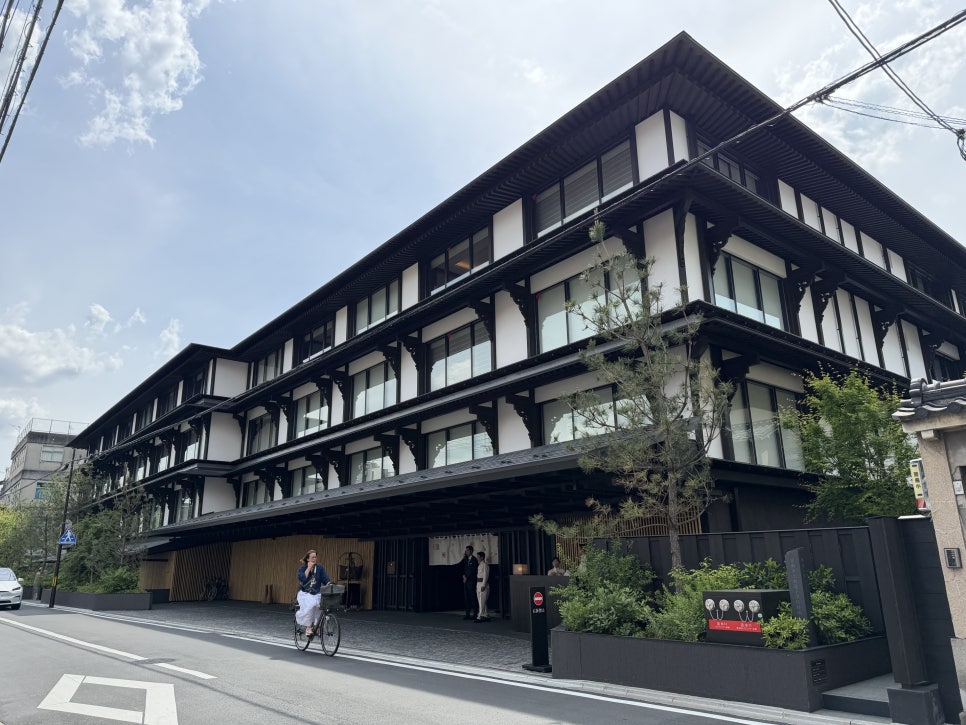
Capella Hotels & Resorts has planted its first Japanese flag in Miyagawa-cho, Kyoto — a neighborhood where a thousand years of history quietly linger. Capella Kyoto rises on the grounds of the former Shinmichi Elementary School, a site carrying 141 years of stories.
Design that embraces the alleyway
It’s about a five-minute walk from Keihan Line’s Gion-Shijo Station. The building sits opposite Gennin-ji, Kyoto’s oldest Zen temple, snug between the Miyagawa-cho Kaburenjo Theatre—where geiko and maiko rehearse daily—and the neighborhood’s narrow lanes. You can also reach it from Kansai International Airport on the Haruka limited express via Kyoto Station.
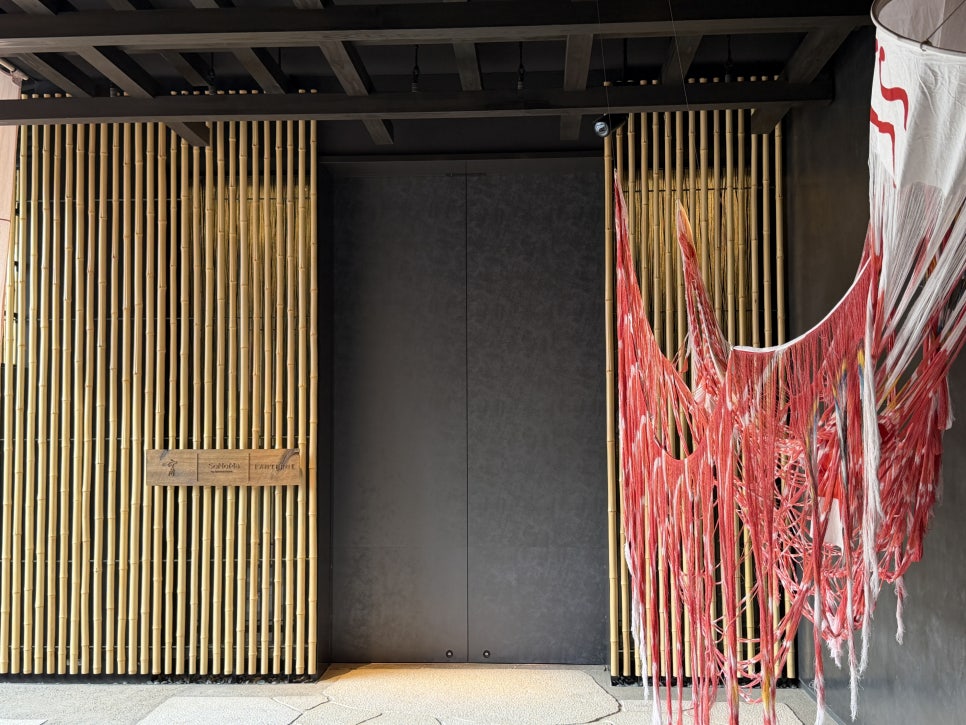
At the entrance, a bamboo-clad façade and a ceiling of interlaced timber immediately catch your eye. Kyoto-based textile designer Mei Engelgier hung noren — fabric dividers pieced from antique textiles collected across Japan — in seasonal colors.
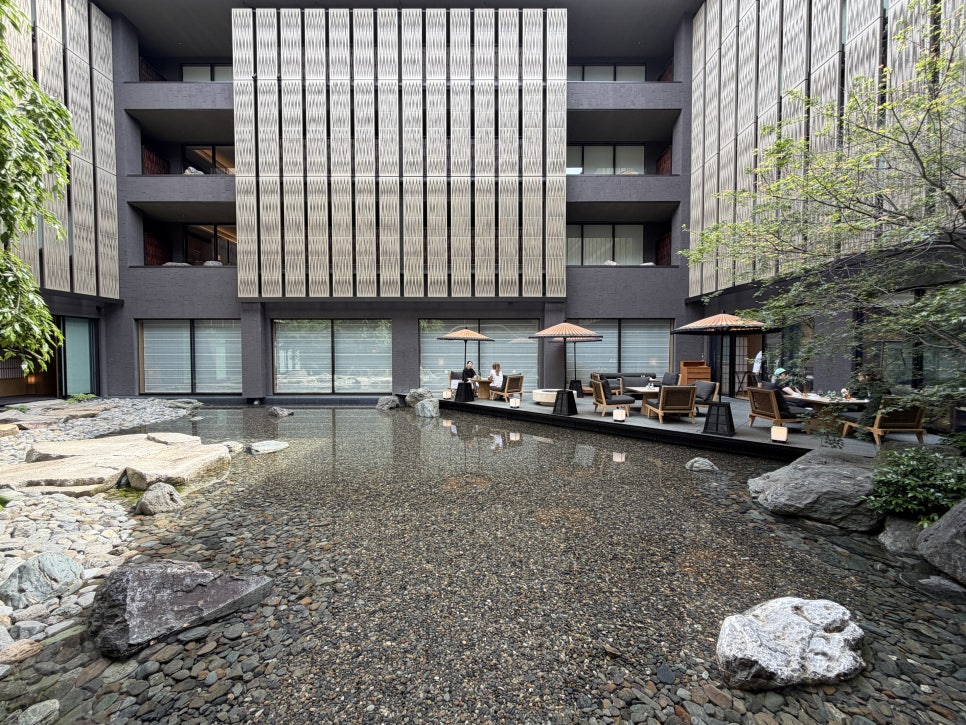
Step inside and Kengo Kuma’s intention—to evoke the sensation of walking Gion’s alleys—is immediately felt. He reinterprets the machiya, Kyoto’s narrow, deep townhouse typology, into a modern, elegant sequence: guest rooms softly ring a central courtyard.
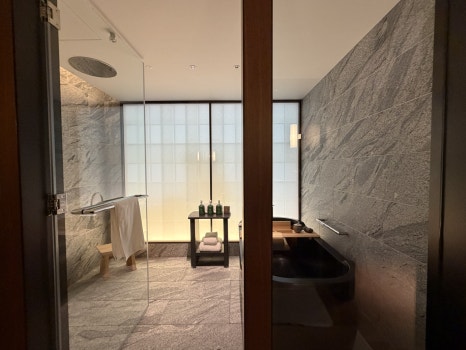
Pass through sliding shoji screens and follow corridors that unfold like alleyways. You’ll hear the soft trickle of water; the space compresses and then suddenly breathes open—a dramatic sequence you experience with every step.
An artificial waterfall cascades through the underground atrium. Kyoto-grown cedar, hinoki cypress and bamboo are used throughout the rooms and public areas, so a subtle wood scent rises with every step. The garden stones were taken from nearby rivers and the massive boulders that form the falls came straight from the mountains—connecting the whole space organically to nature.
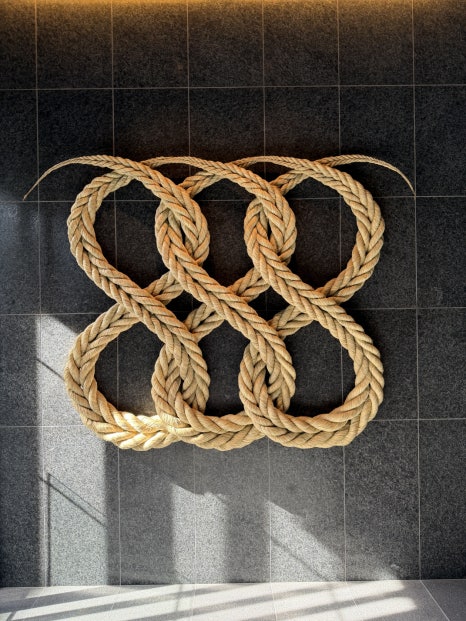
Capella Kyoto occupies a modest footprint—four floors above ground and two below. The site served as an elementary school for 141 years before redevelopment, and the hotel is part of a neighborhood revitalization that restored the Miyagawa-cho Kaburenjo Theatre and added a new community center along Shinmichi Street.
Even the cherry and maple trees that stood on the site were carefully moved and stored during construction, then replanted after completion. The hotel displays roughly 500 works of art throughout the property, arranged like little treasures waiting to be found.
Time moves at its own pace in these alleys. In the morning you’ll cross paths with maiko heading to dance practice, and at night you’ll watch geiko and maiko in ornate kimono slip into traditional ochaya tea houses.
Every afternoon guests drift to the Living Room, a communal space that feels woven into local life. Here, local geiko and maiko perform on a small tatami stage and then mingle with guests—answering questions and posing for photos with warm, unhurried grace.
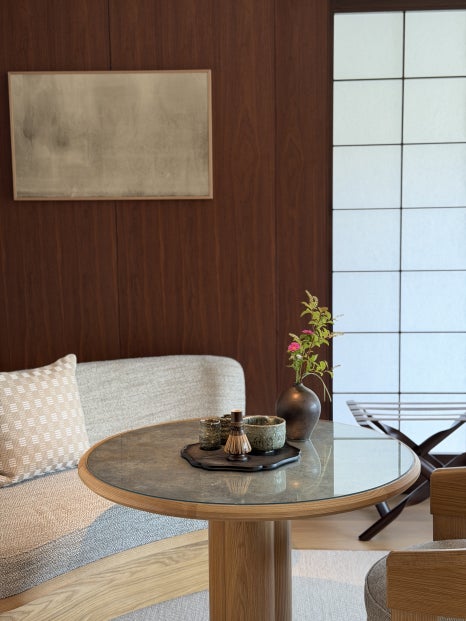
89 rooms filled with thoughtful touches
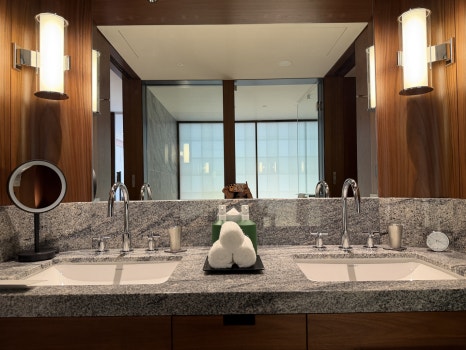
When you sit to check in, staff hand you a pillowy yuzu mochi, a wooden key card engraved with fine detail, and a washi letter threaded with silver as a welcome gift. When you run your hand over the Frette linens and slip into pajamas made from birch-fiber fabric, you immediately sense how lovingly curated every detail is.
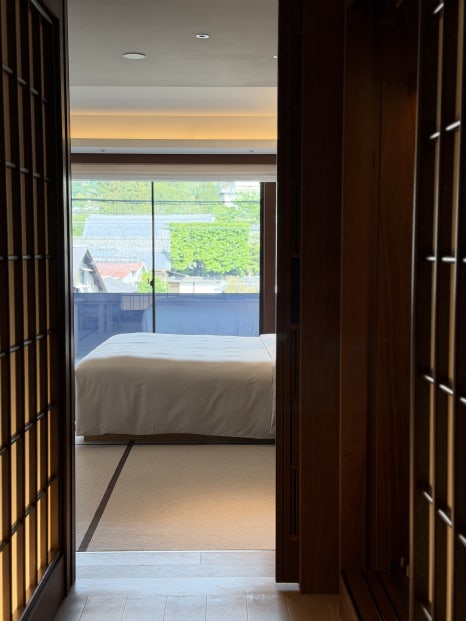
The hotel offers 89 rooms, from Deluxe City Rooms to the top-floor Capella Suite, which spans 206㎡ (about 2,218 sq ft). Each room borrows the machiya layout; step inside and a small moss courtyard, or tsuboniwa, greets you—a quiet pause within the room.
Rooms favor warmer, deeper-toned woods, curved furniture and plush carpets that nod to tatami, creating a cozy, intimate feel that contrasts with the public spaces.
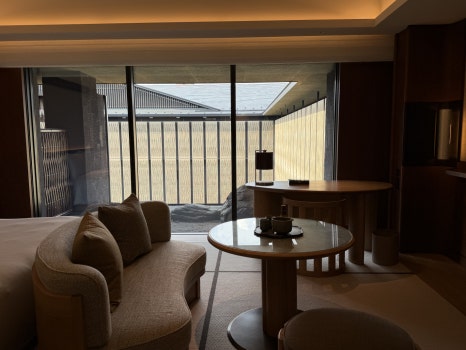
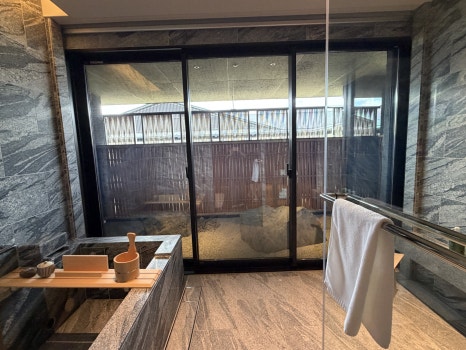
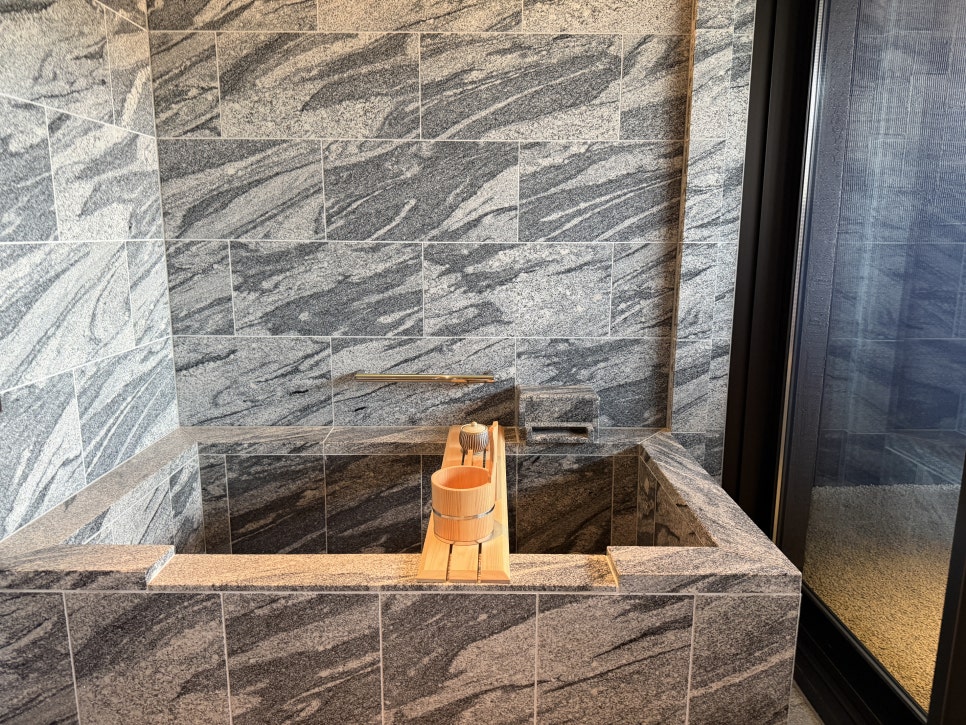
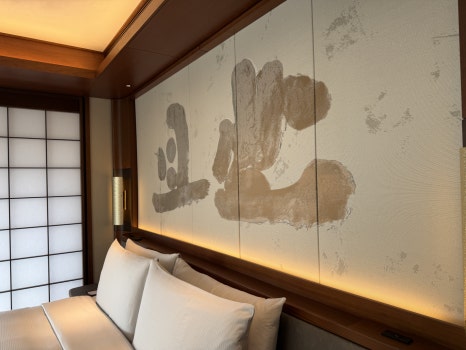
Above the bed, seasonal characters are stitched into the textiles. Calligraphic motifs inspired by kare-sansui (dry rock) gardens are woven into panels of Nishijin fabric, a traditional Kyoto textile.
The minibar offers complimentary snacks and non-alcoholic drinks; alcoholic beverages are excluded. A Bang & Olufsen Bluetooth speaker sits by the bedside.
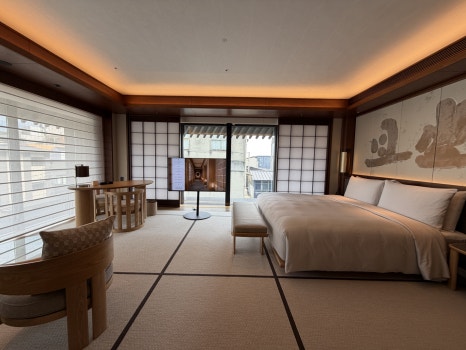
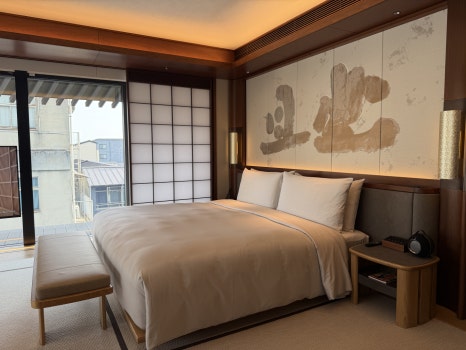
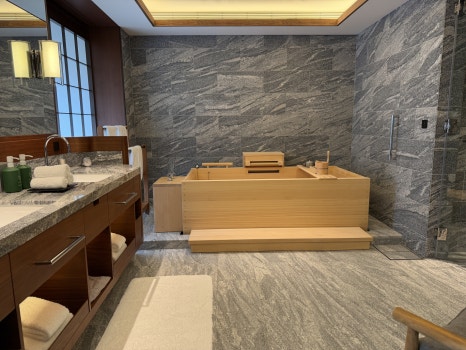
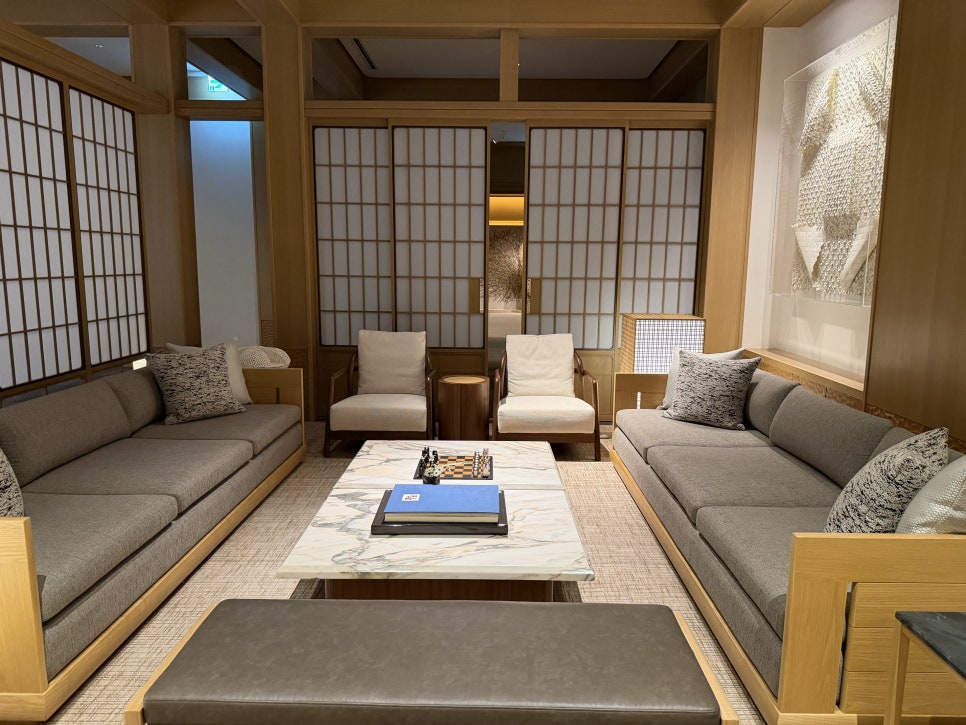
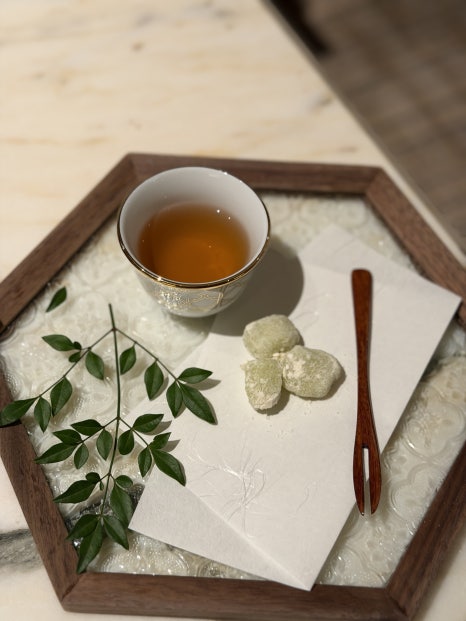
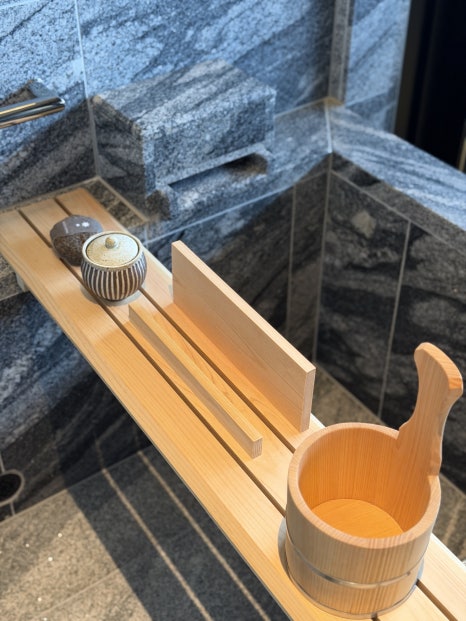
The view depends on the room you choose. Six Onsen Suites include private hot-spring baths, and the two-bedroom Capella Suite features a tatami dining area, a wooden ofuro-style soaking tub, and sweeping views of the Yasaka five-story pagoda.
The hotel is home to three restaurants. Its flagship, Sonoma by SingleThread, is an ochaya-style dining space created in collaboration with the chef couple behind the U.S. Michelin three-star SingleThread, blending Kyoto and California seasonal ingredients into harmonious dishes.
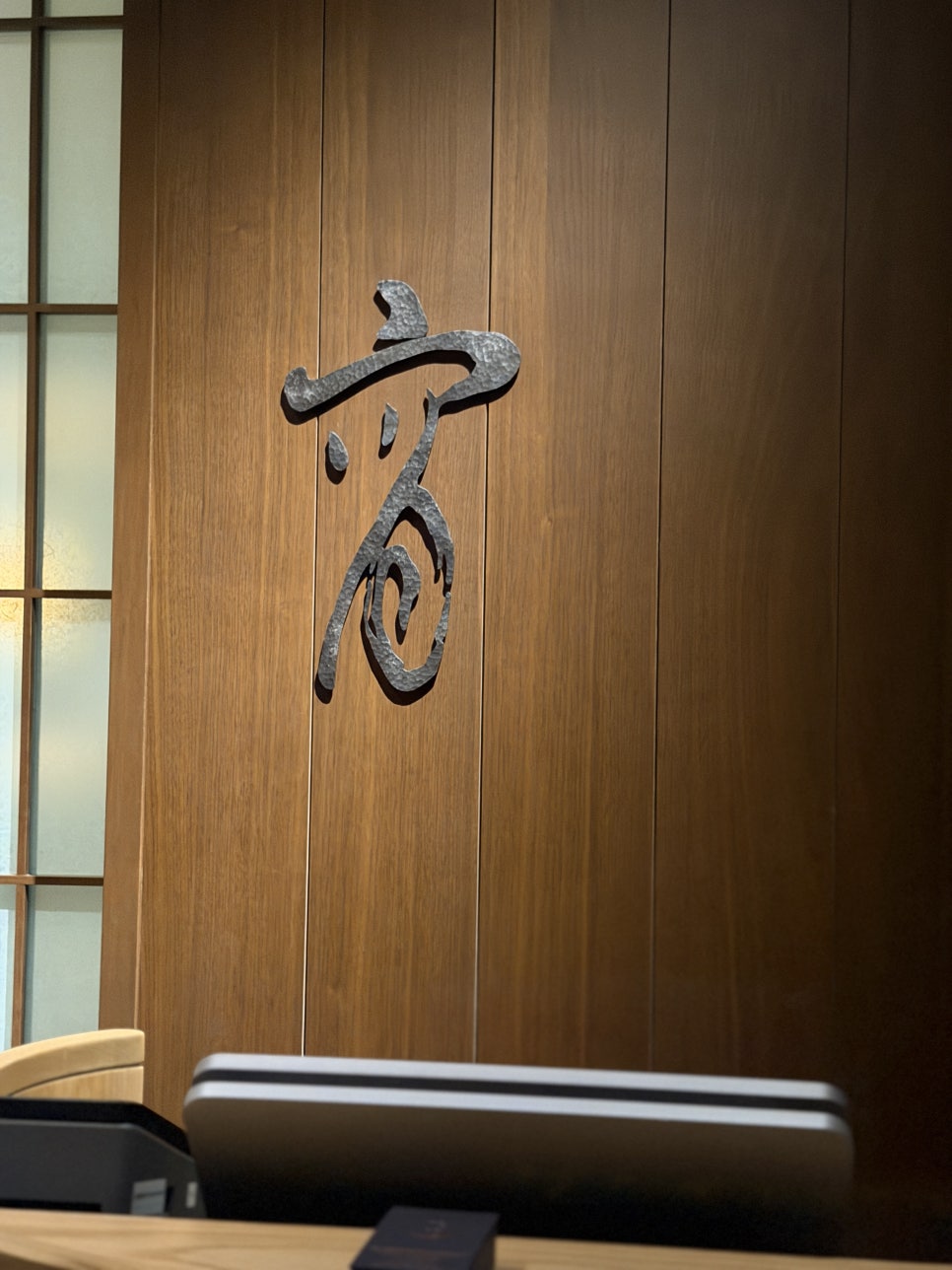
All-day brasserie Lantern handles everything from the breakfast buffet to dinner. Sit at the late-night counter Yoi, open until midnight, and you’ll feel a tangible link to the past—the wood panels under the bar were salvaged from the old elementary school music room. Listening to city pop while savoring seasonal plates and cocktails at the counter gives the night a lively, nostalgic pulse.
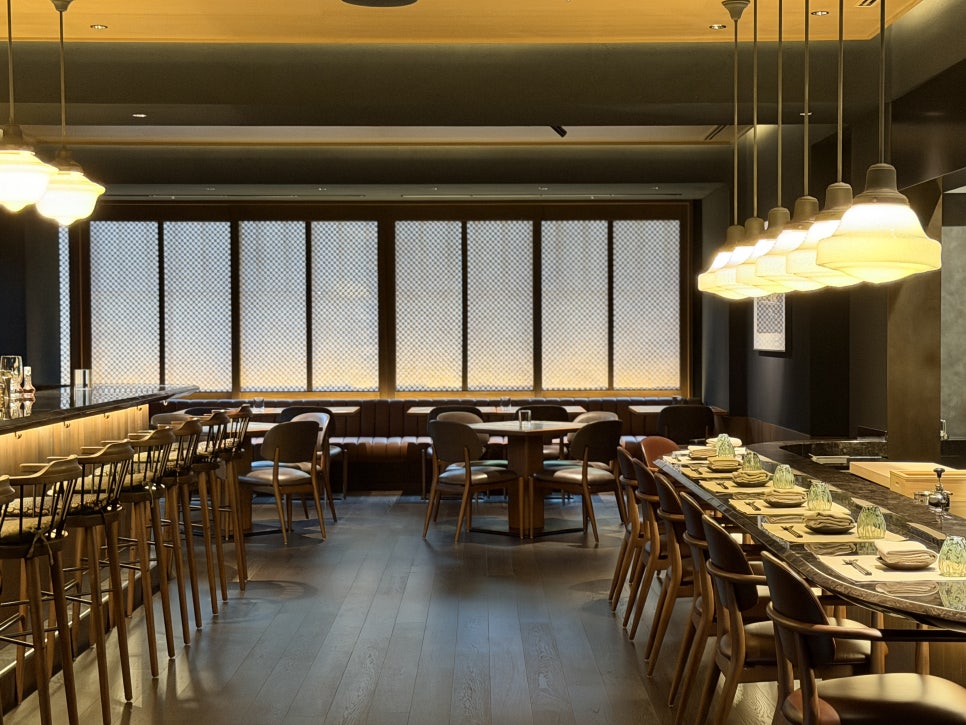
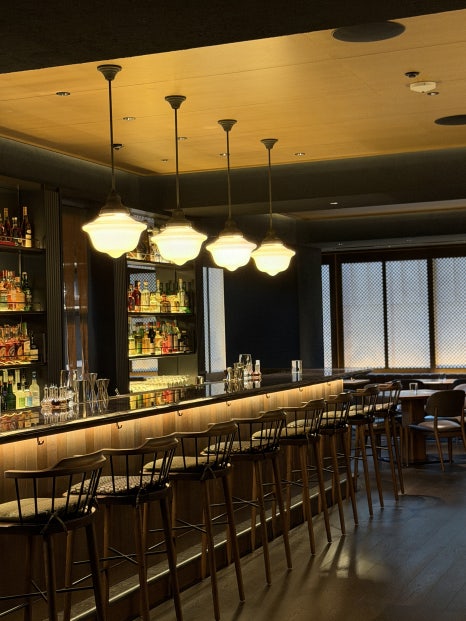
The wellness area, Auriga Spa, is exclusive to hotel guests. It houses three private onsen rooms, separate wet and dry saunas for men and women, four treatment rooms, and a 24-hour fitness center. You can use the saunas and fitness facilities freely during your stay without booking a massage, making it easy to unwind after travel.
Try the local program Capella Curates to discover hidden corners you wouldn’t find on your own. Join a lacquerware (urushi) workshop with an artisan from a family-run studio preserving the craft for over a century, or wake early and enter Gennin-ji for a dawn meditation to start the day in silence.
Text and photos / Kyoto — Hyojung Kwon, Travel+ reporter










Most Commented