
Yeongju’s Seonbi World: How This K-Culture Theme Park Blends Tradition and Fun for Kids This Children’s Day
Daniel Kim Views
Translation result
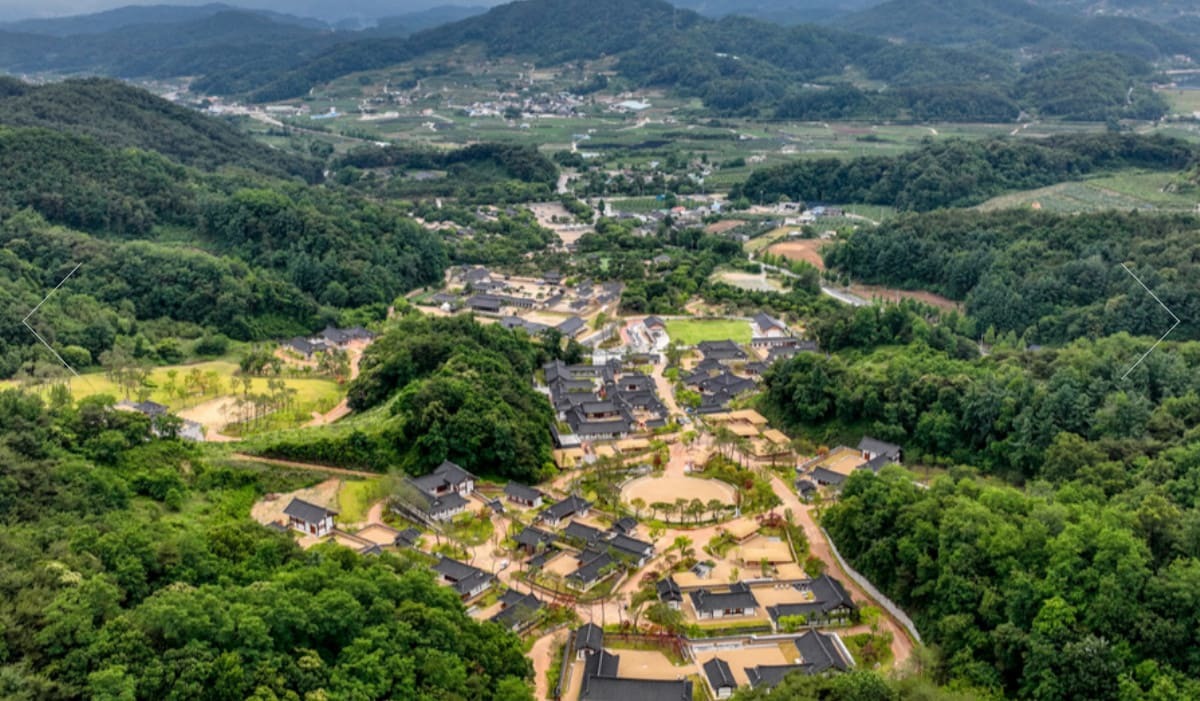
Seonbi Sesang—South Korea’s largest K‑culture theme park, tucked into Sunheung‑myeon in Yeongju—is fast becoming a regional hotspot. With Children’s Day around the corner, the park is rolling out a slate of family-first experiences that blend time-honored tradition with playful, modern twists.
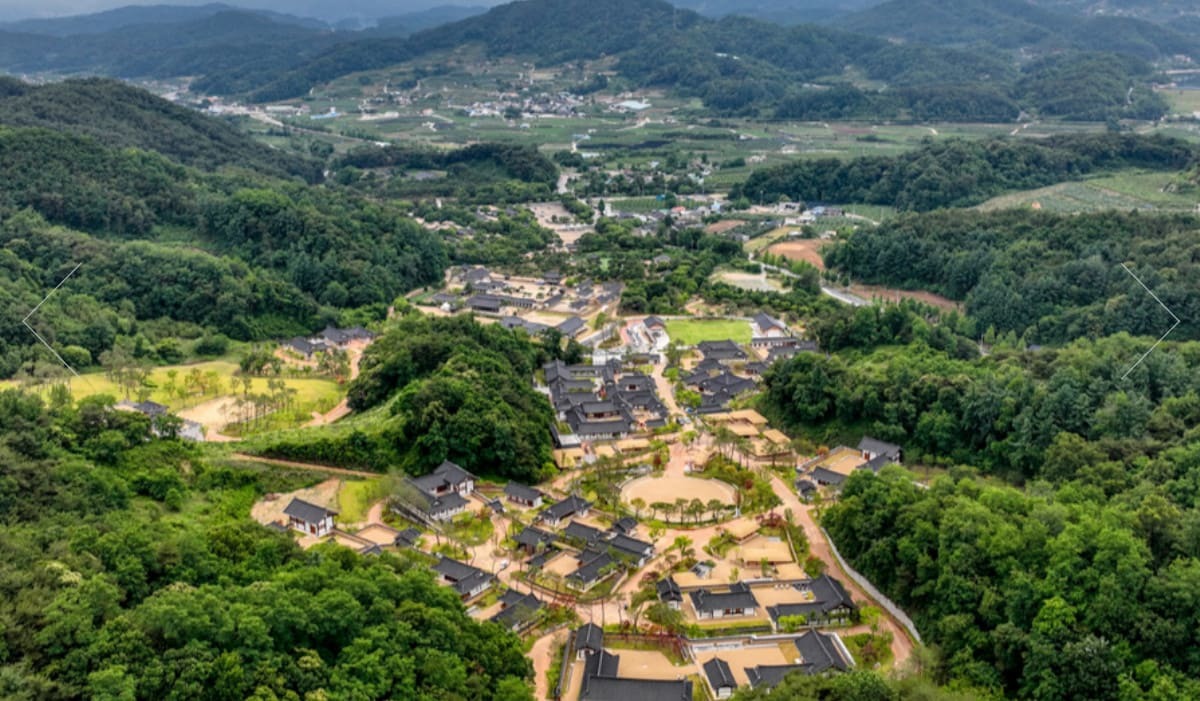
Set against Yeongju’s dramatic landscapes and rich cultural heritage, the park reimagines the life of the seonbi (the classical scholar-gentleman) for today’s families. Rather than static displays, Seonbi Sesang focuses on sensory, hands-on programs that make seonbi values accessible to kids. The campus is split into six themed areas—hanok (traditional houses), hanbok (traditional dress), hansik (Korean cuisine), hangeul (the Korean script), hanji (traditional paper), and traditional music—so visitors can step into a seonbi’s daily rituals and aesthetic pursuits.
For Children’s Day, highlights center on Hangeul Village and Hanok Village. The Hangeul Playground is a kids-only zone where children can explore the mechanics of Korea’s proud writing system through an interactive Hangeul Forest (a motion-responsive digital media installation) and a cozy children’s bookstore. In the Hanok Village, a kids’ block room places oversized blocks inside serene traditional homes, inviting imaginative play in an intimate, cultural setting.
What makes Seonbi Sesang stand out is how it fuses cutting-edge media with heritage. The Hanbok Village stages automata puppet shows that bring seonbi dress culture to life. The Media Art Hall and Hanbok Art Hall elevate the lines and colors of hanbok into contemporary art for an immersive visitor experience. The Korean Food Culture Hall uses a digital soban (table) to teach the meaning behind ceremonial meals, then links that lesson to hands-on cooking sessions in a studio where guests make the dishes themselves.
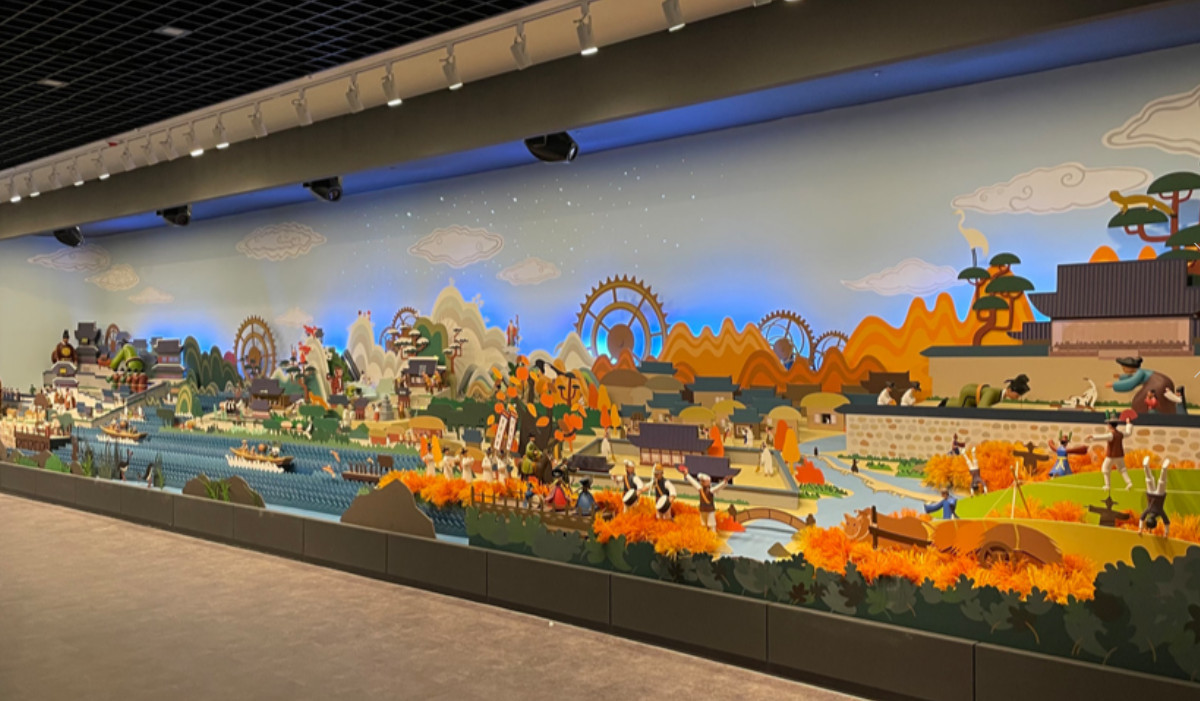
The park’s educational programs are equally hands-on. In Hanji Village, kids learn traditional papermaking by doing it themselves—an exercise in patience and care—and can write and send “slow letters” on the handmade paper to revive an analog sensibility. At the Hanok Village’s Seonbi Tea Ceremony Center, guided tea sessions teach etiquette and mindfulness through the ritual of brewing and serving tea.
There’s plenty of downtime and spectacle, too. The Traditional Music Village offers listening rooms that visualize the rhythms of gugak (Korean traditional music) and a large hall that presents seonbi-inspired music in contemporary crossover arrangements. Regular performances on the outdoor Seonbi Plaza and in the convention hall keep the festival vibe alive. After dark, Cheondeung‑ro—the path of 1,000 lanterns—glows, turning into a magical evening spot where families stroll and make wishes.
The play zone mixes a space‑themed concept with tradition to deliver active thrills like bumper cars. The uigwan jeongje experience (dressing correctly in traditional attire) lets kids slip into seonbi clothing and feel the past firsthand. Seonbi Sesang isn’t just a nostalgia trip; it’s a modern reframe of traditional culture that points to the future.
Seonbi Sesang is located at 1 Seonbi Sesang‑ro, Sunheung‑myeon, Yeongju, Gyeongsangbuk‑do, and is open from 9 a.m. to 6 p.m. Expect crowds during Children’s Day week—book in advance and double‑check program times. For details and reservations, visit the official website or call the main number. By turning seonbi wisdom into playful, educational experiences, the park is shaping up to be one of this year’s top family destinations for Children’s Day.










Most Commented