
Translation result
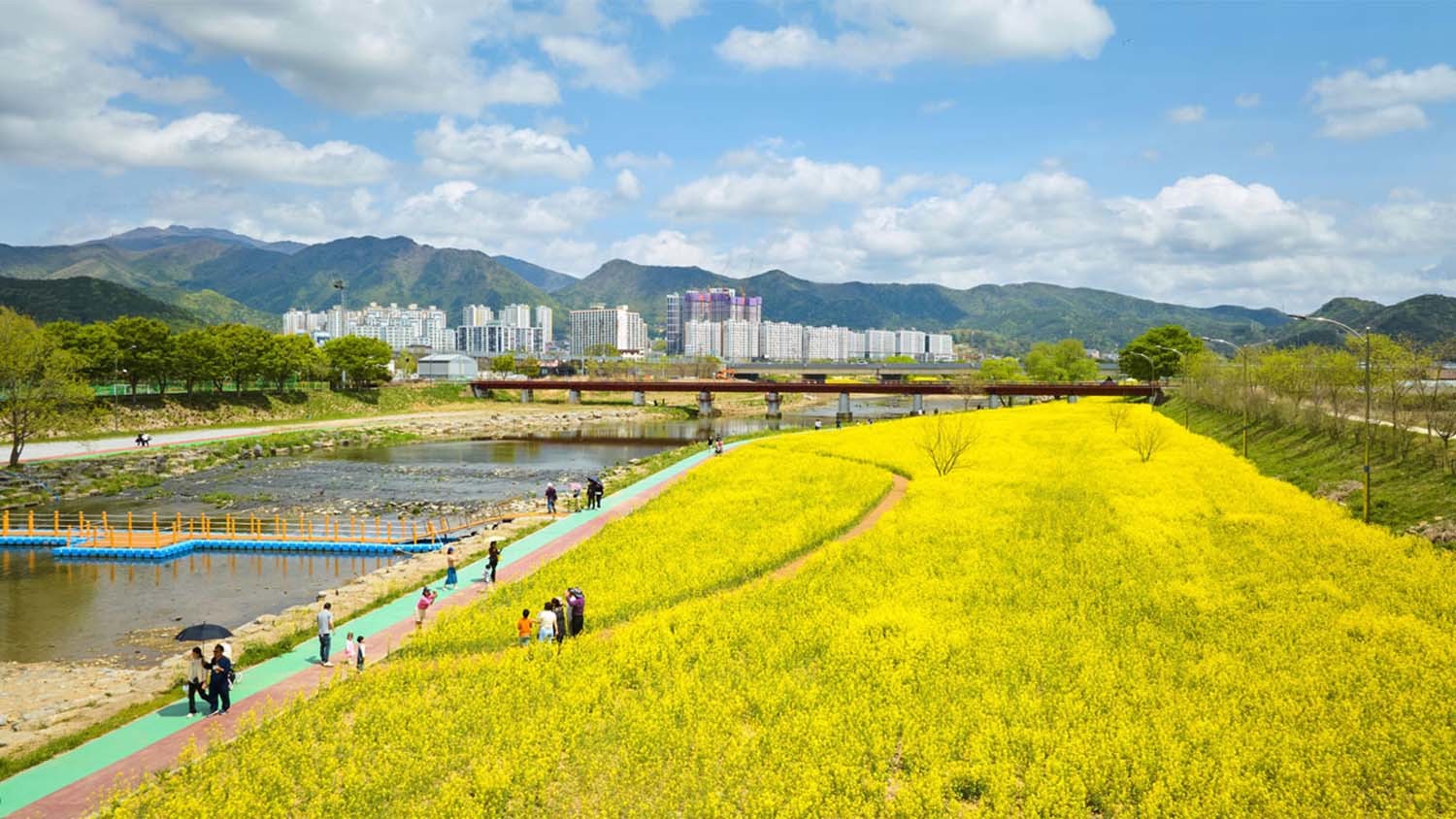
Want to see spring at its most dazzling? Head to Hwasun County in Jeollanam‑do. From the 17th to the 26th, the 2026 Hwasun Spring Flower Festival will take over Hwasun‑eup’s Flower River Road and the area around Namsan Park. This year’s theme, “Spring Flower Night Walk,” keeps the magic going well after sunset — the blooms don’t clock out at dusk.
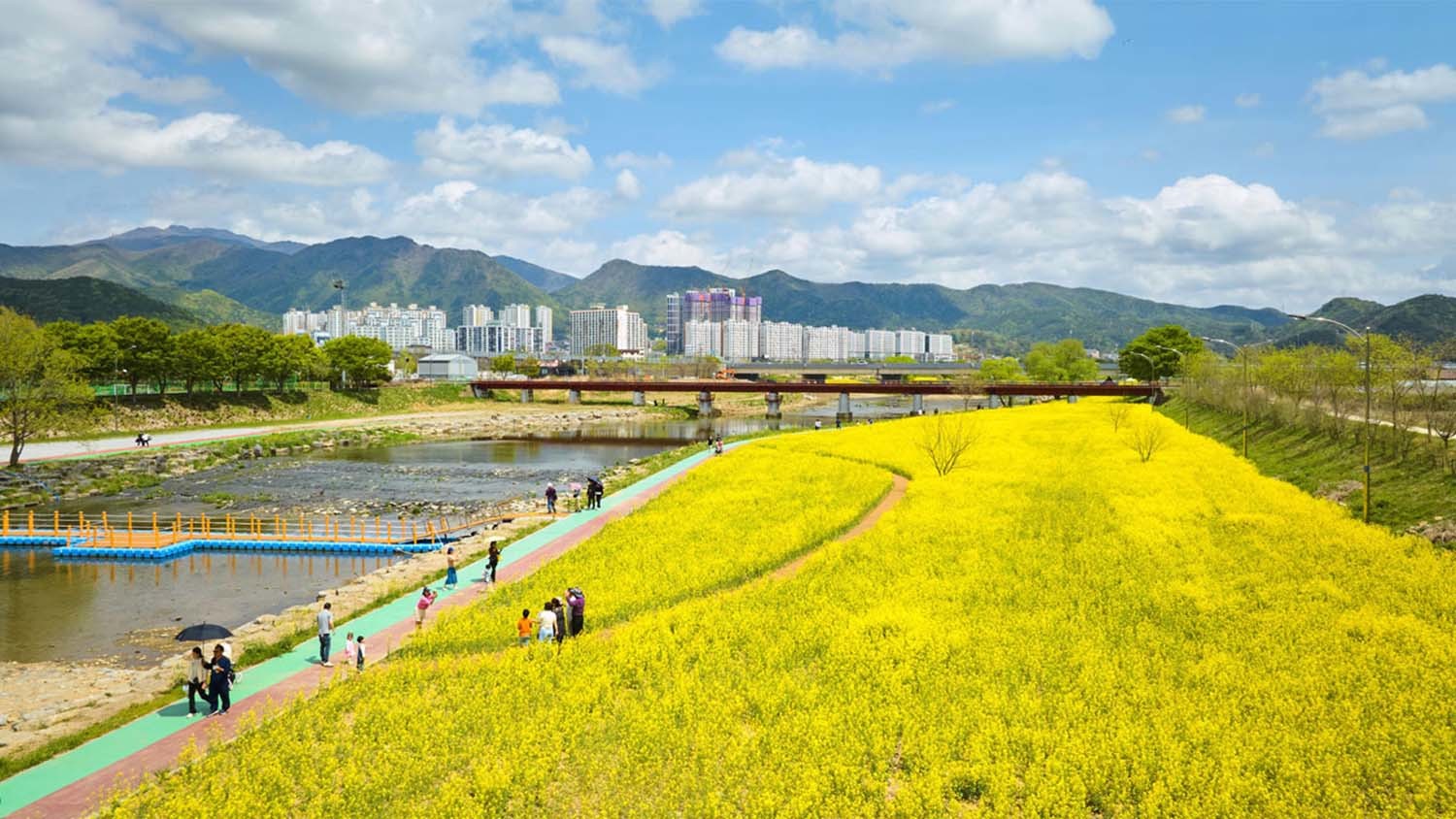
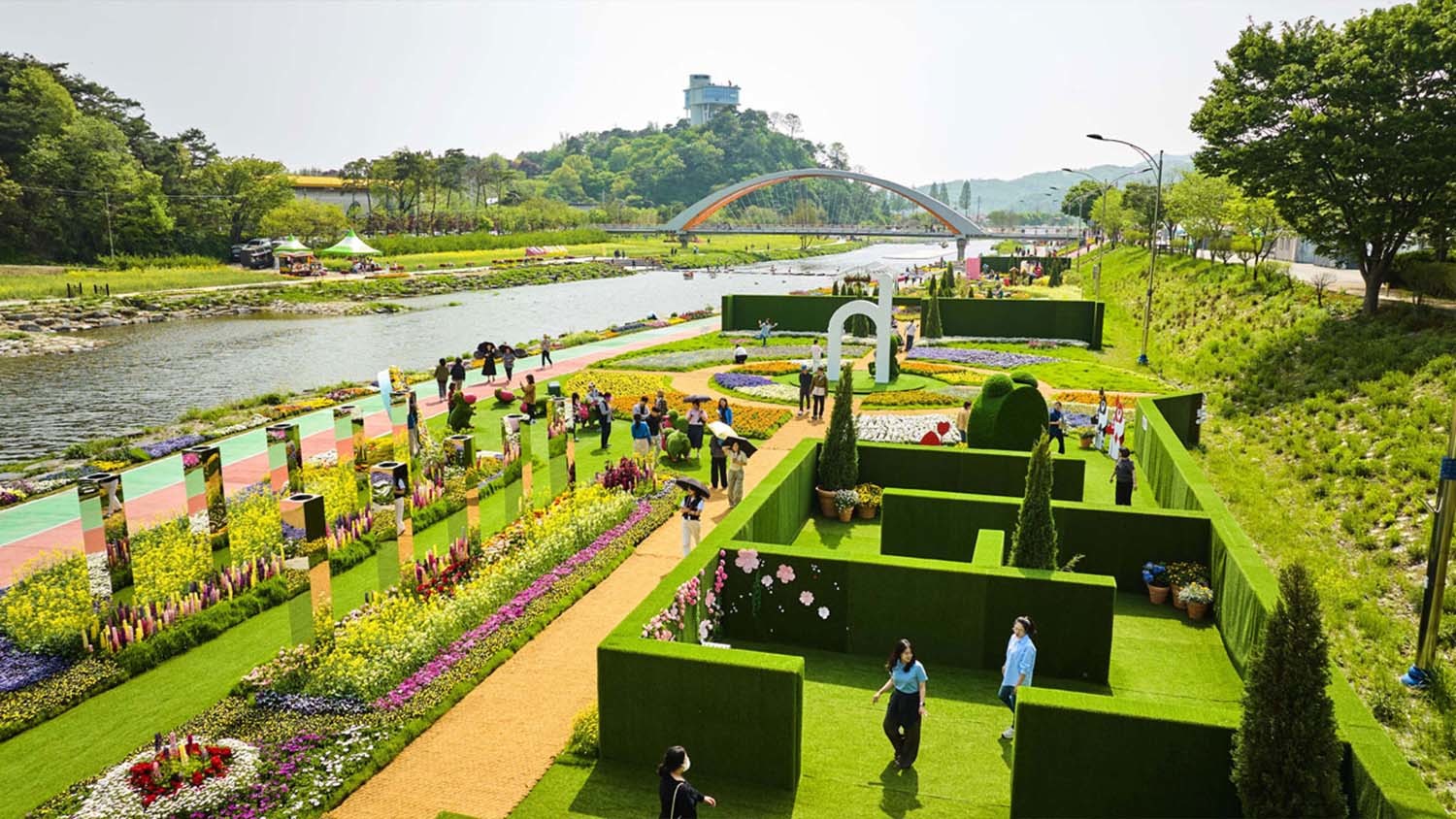
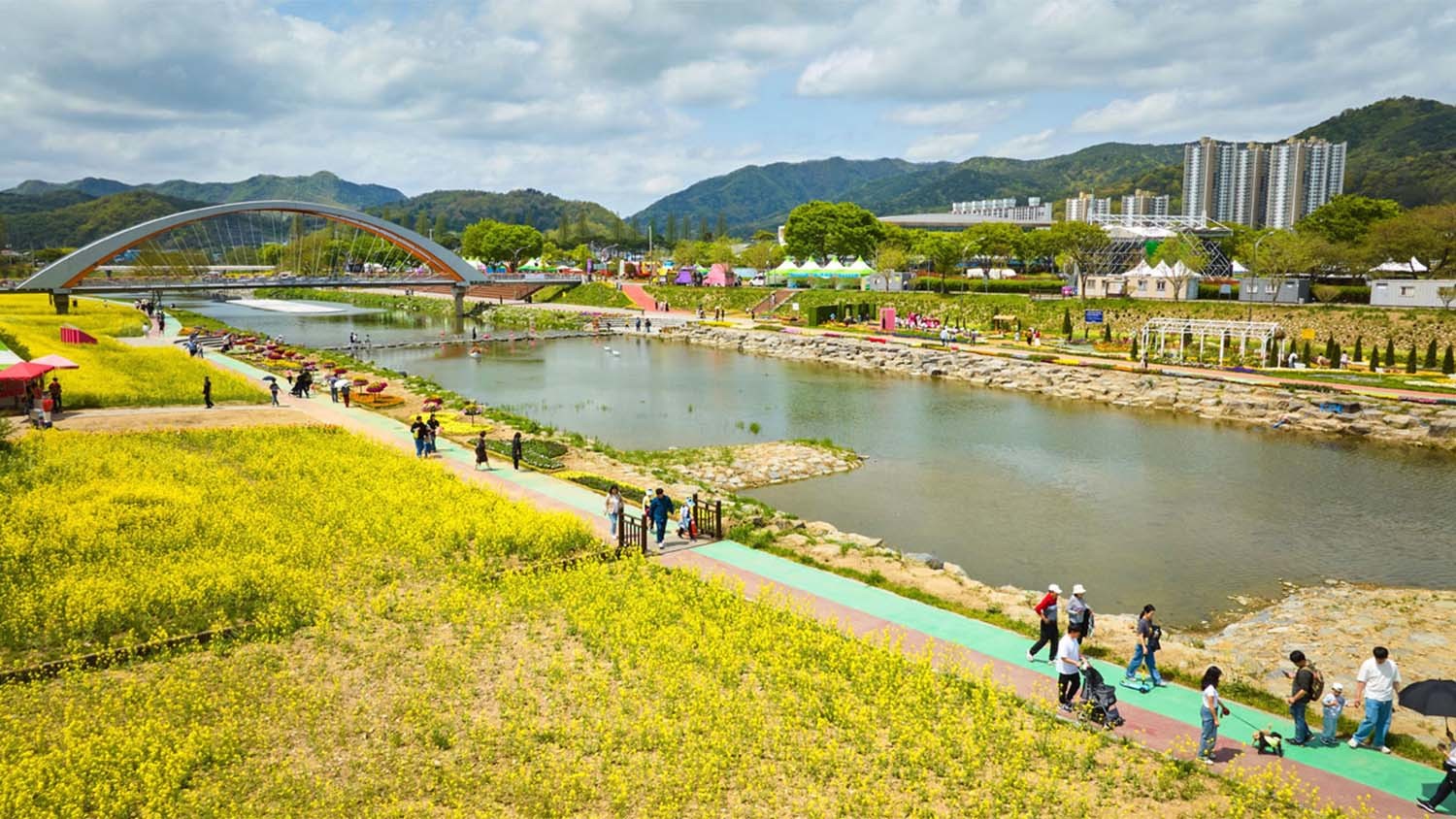
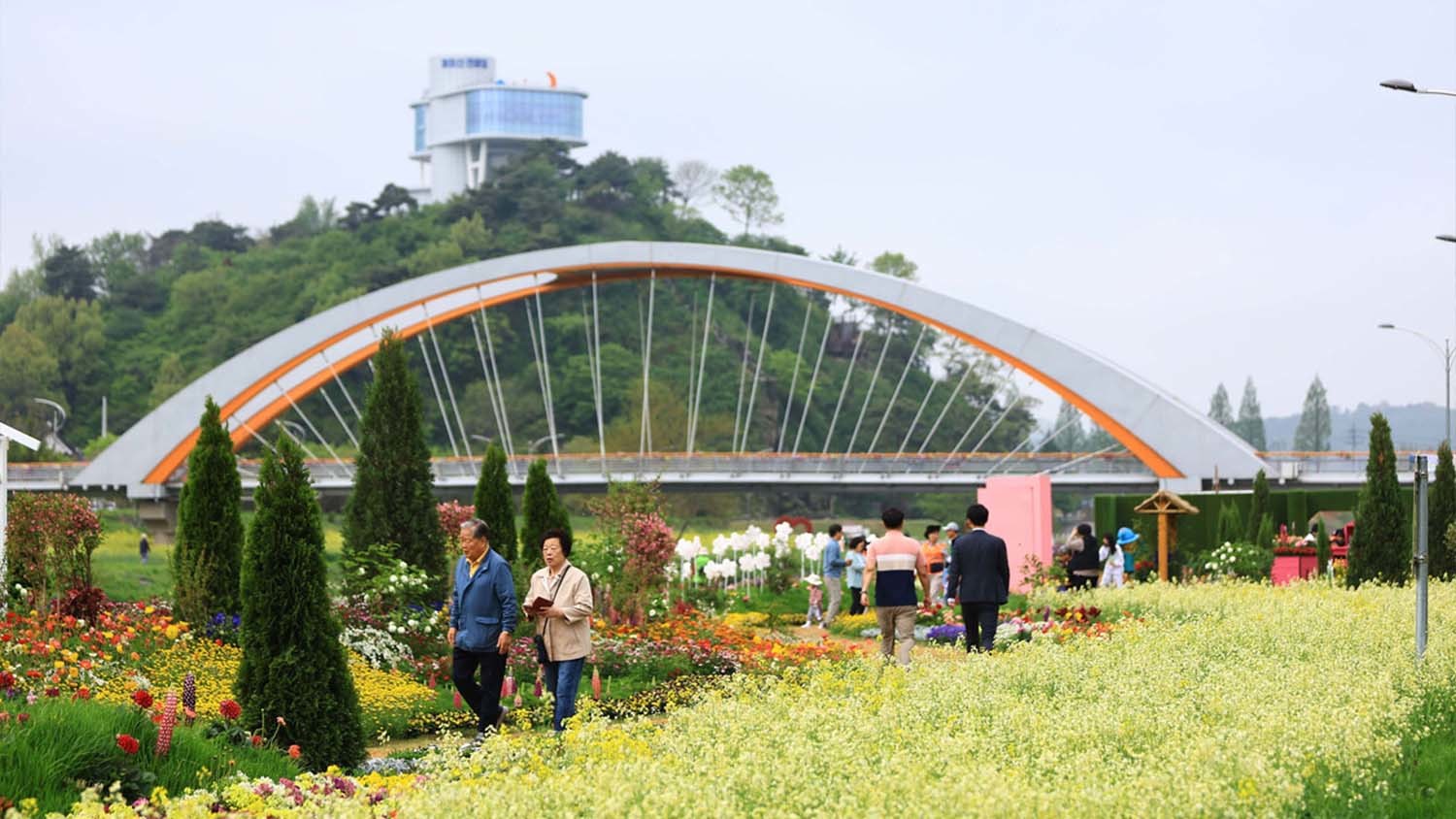
If you’ve ever strolled the Flower River Road, you know it’s a showstopper. The path runs roughly 2.1 km (about 1.3 miles) along the stream, and the festival transforms the stretch from Byeokrakgyo to Samcheongyo into a 6‑hectare flower park (about 14.8 acres). When 5 million canola plants explode into bloom together, it’s something you have to see, not just imagine. Golden waves carpet both banks of the stream — that’s how wide and bright Hwasun’s spring feels.
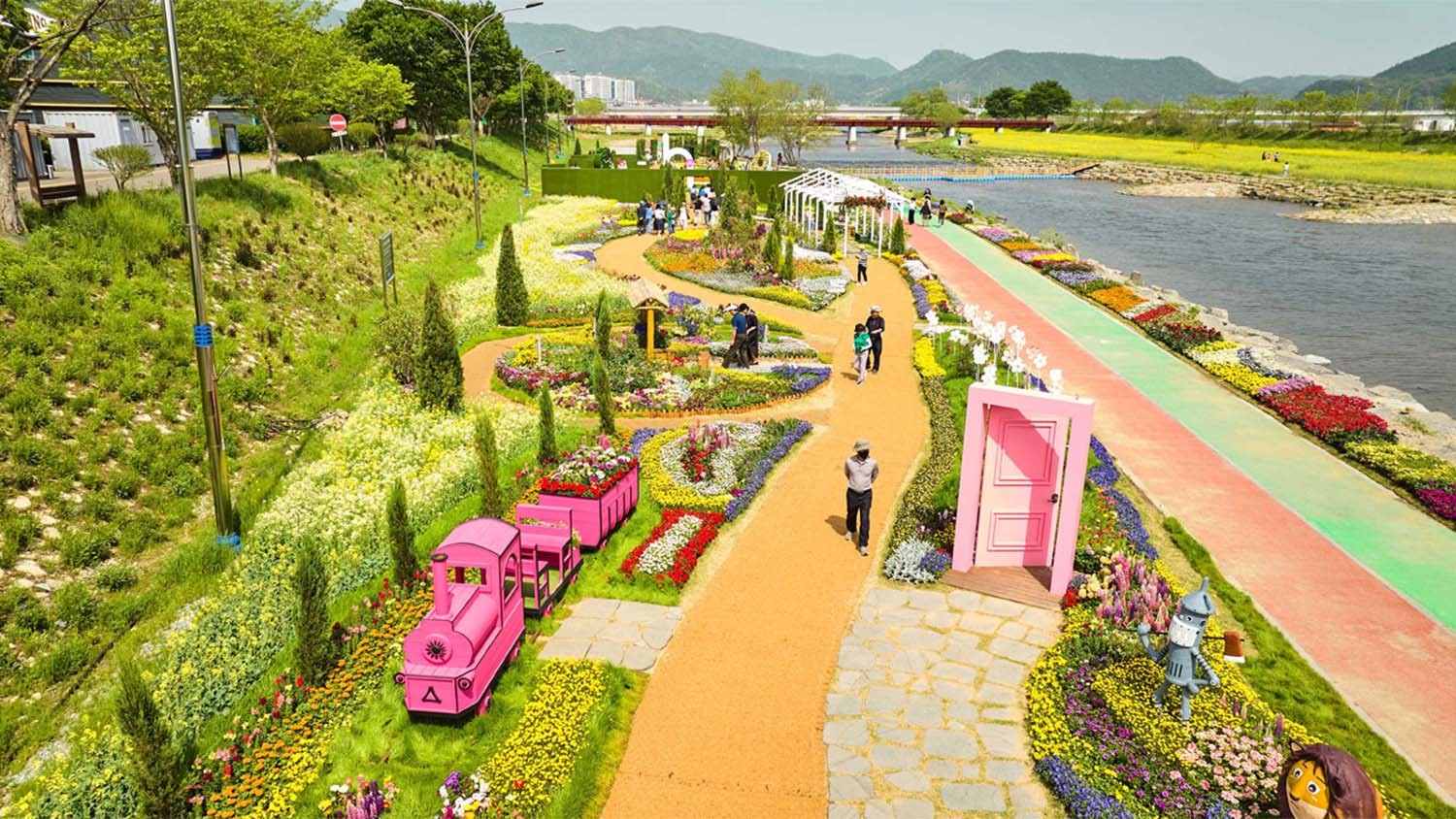
The Flower River Road is divided into five themed gardens: the Welcome Garden, Flora Garden, Spring Flower Garden, Ecology Garden, and Children’s Garden. Each zone has its own vibe — from tidy, European‑style geometric beds to playful, storybook corners where kids can run free. Walking the path feels like hopping between mini worlds.
But the festival’s real twist is the night. Once the sun dips, Flower River Road changes character: LED flower pinwheels glow, and the lit‑up flower fields reveal a new, dreamier face. Namsan Park becomes a landscape exhibition, with evening-lit strolls through blooms and the distant hum of live performances. That curated nightscape is why the “Spring Flower Night Walk” is more than an evening extension — it’s a whole new way to experience the festival.
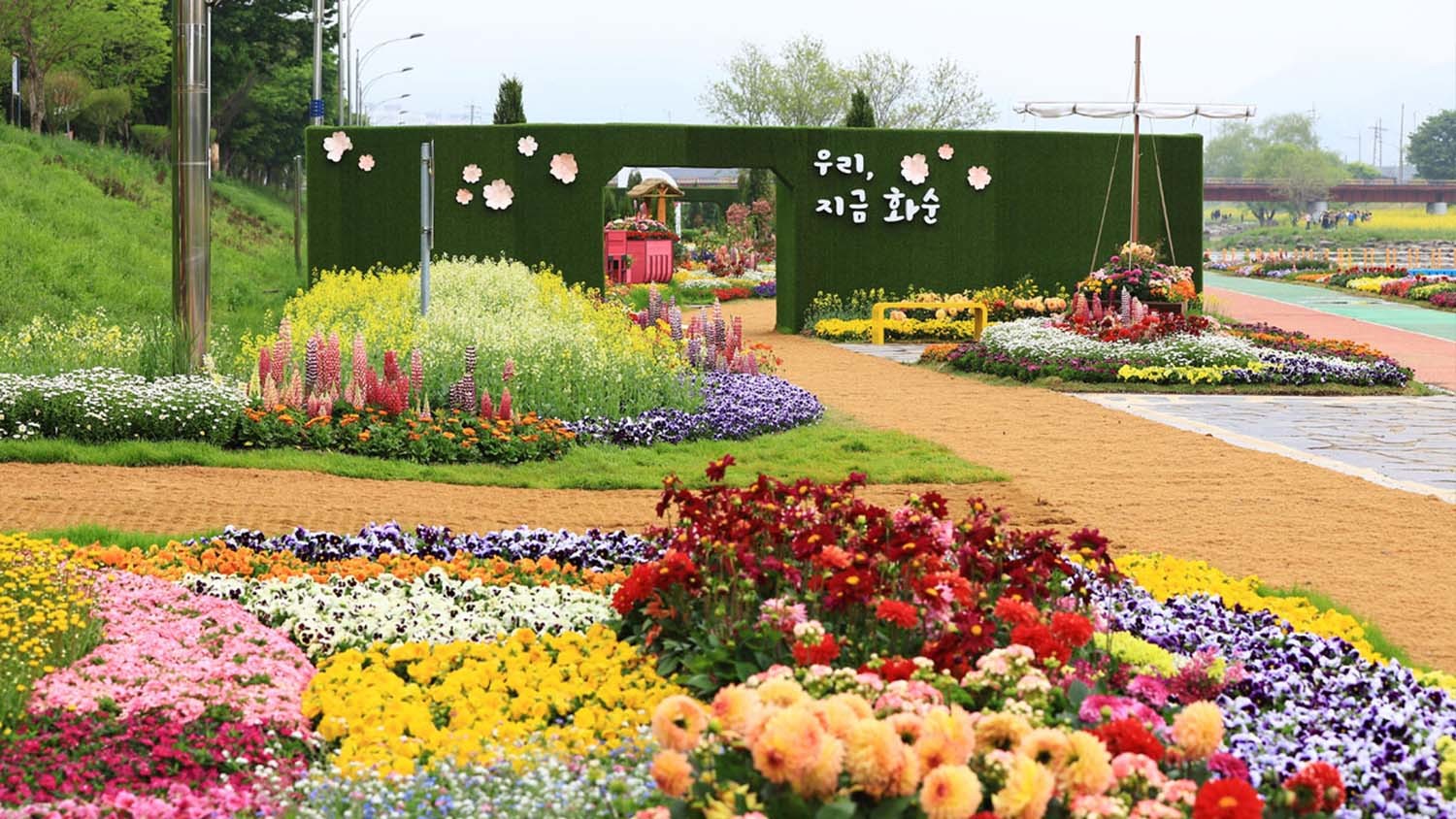
The festival runs daily from 3 to 9 p.m., so you can skip the harsh midday sun. Start in the cool afternoon and linger into the evening — that’s the kind of easy, stay‑a‑while flow Hwasun is aiming for with this year’s push for longer visits.
The opening ceremony is on the 17th at Hwasun Public Stadium. After pre‑show acts, officials will launch the main event and ribbon‑cutting, followed by the Gongjung‑sik song contest to kick off spring nights. Performers include Kim Yong‑im, Miss Kim, Kim Jae‑rong, Shin Seung‑tae, Yoon Yoon‑seo, Bae Jin‑ah, Imgeum‑nim, Hyun Jin‑woo, and the Naphalbak and Naphalsu‑deul groups. Concerts continue the next day and beyond: on April 18, Byeolgwa and Lee Seok‑hoon perform; on April 19, Seodo Band and Gummy take the stage. Expect a mix of ballads, band energy, and R&B vibes.
Shows aren’t confined to the main stage. At the Haniyum Corridor Lawn Plaza there are three small weekday performances and seven on weekends — 43 shows total, including busking, magic, and bubble acts. Pop‑up performances tucked between flowerbeds keep the festival lively and surprising.
Food is a highlight. You’ll find local eats at the Bejjangi food stalls, food trucks, and a market selling regional produce. Unique Hwasun treats — mine‑pit ice cream, briquette‑ash ice cream, and chrysanthemum pastries — are local flavors you won’t forget. The Goindol Traditional Market runs a night market throughout the festival, giving you another excuse to explore beyond the main grounds and support nearby businesses.
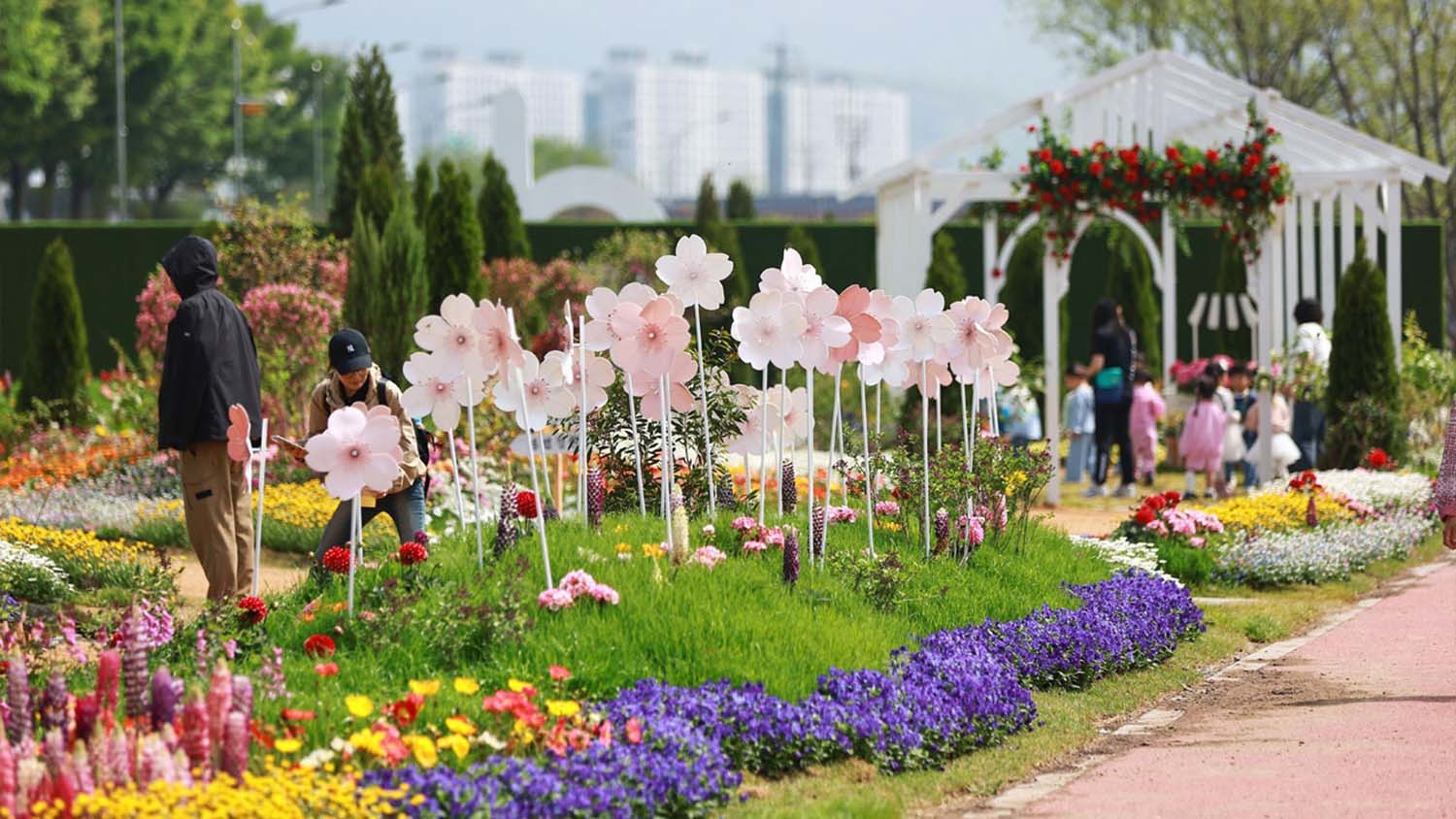
Hands‑on activities let you take a piece of spring home: make flower‑shaped coasters, blend floral perfumes, get a spring‑flower caricature, craft a phone charm, make flower soap, or try pottery hand‑painting. Picnic zones are scattered around the site so you can roll out a mat and relax among the blooms. Families are well‑looked‑after with stroller and wheelchair rentals and nursing rooms.
Kids go wild for the moving dinosaur displays and LED flower sculptures. Plant exhibits — from succulents to wildflowers — pop up along the Flower River Road, and every zone offers fresh photo ops. Pack a camera.
Don’t make the mistake of leaving after just the festival. Hwasun is packed with attractions across Jeollanam‑do, and worthwhile spots lie just beyond the festival perimeter.
The Hwasun Red Cliffs are the county’s top scenic draw. Dramatic red cliffs line the Dongbok Stream, creating a landscape that rivals any in Korea — locals even compare it to China’s Huizhou Red Cliffs. Cliff tours run by reservation, so check ahead.
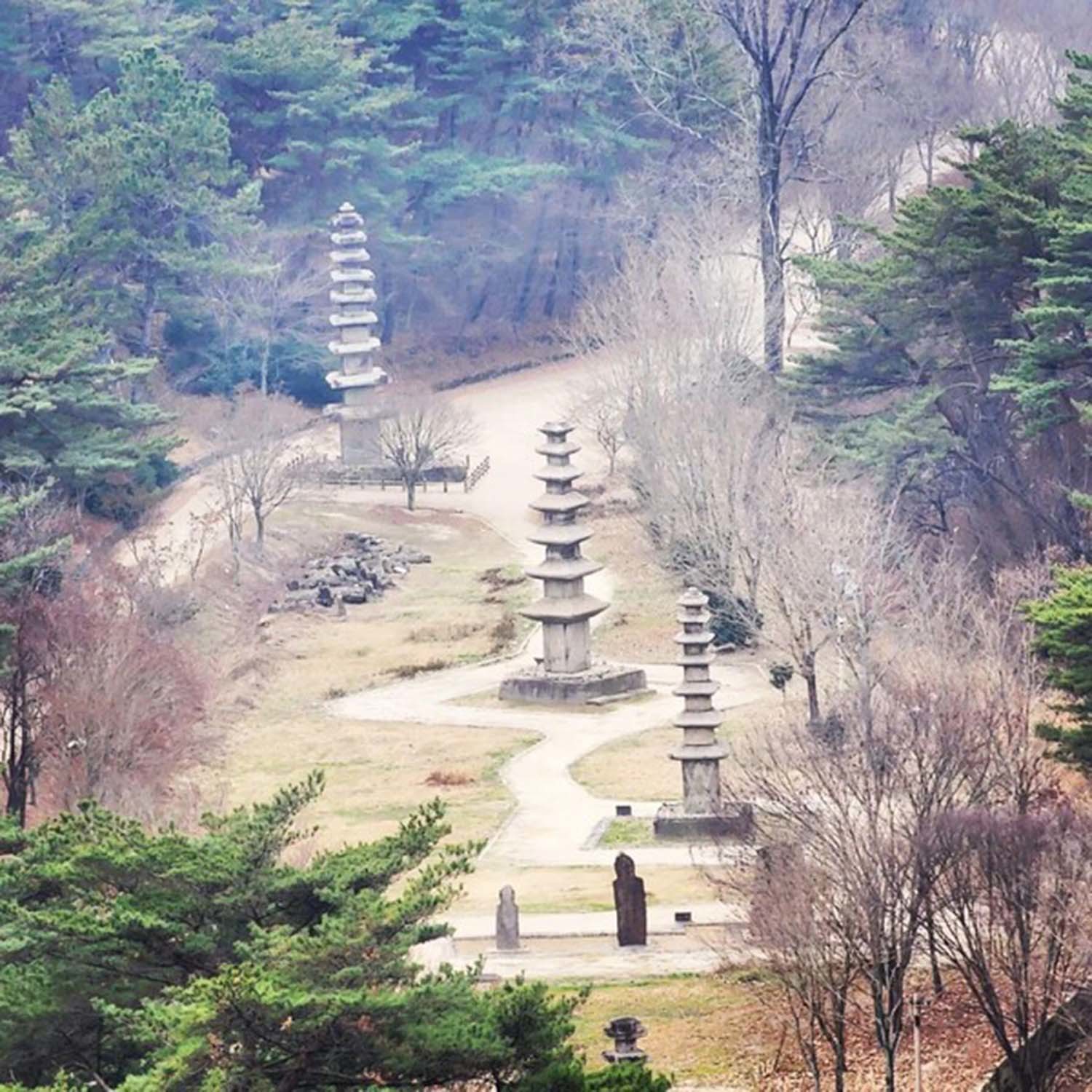
Unjusa Temple is one of the province’s most intriguing sites. Known as Cheonbul Cheontap — the Thousand Buddhas and Thousand Pagodas — its grounds scatter hundreds of stone Buddhas and pagodas. Who built them, and why, remains unclear, so the thrill of unexpectedly locking eyes with a stone Buddha is uniquely Unjusa. The reclining Buddha tied to the legend of the monk Doseon — who supposedly tried to build the thousand Buddhas and pagodas in one night — still rests in Hwasun.
The Hwasun Dolmen Site is a UNESCO World Heritage site. Listed in 2000 along with Gochang and Ganghwa, it’s one of the world’s largest dolmen clusters. Hundreds of dolmens spread across the Hyosan‑ri and Daesin‑ri areas, placing Hwasun in the same prehistoric conversation as England’s Stonehenge and Easter Island’s moai.
Se‑ryangji Reservoir is another must‑see. Named by CNN among Korea’s standout spots, its mirrorlike water and tree reflections are breathtaking. In spring, early morning mist adds ethereal beauty, attracting photographers chasing that soft light. You could say Hwasun’s spring starts at the Flower River Road and comes fully alive at Se‑ryangji.
With the 2026 Hwasun Spring Flower Festival, Hwasun County tweaks the usual flower‑festival playbook. It layers evening lighting over daytime blooms and weaves performances, food, and local commerce into one seamless experience. If a single day isn’t enough, the Red Cliffs, Unjusa Temple, and Se‑ryangji Reservoir will happily fill the rest of your itinerary. This spring, there are plenty of reasons to head to Hwasun.









Most Commented