
Translation result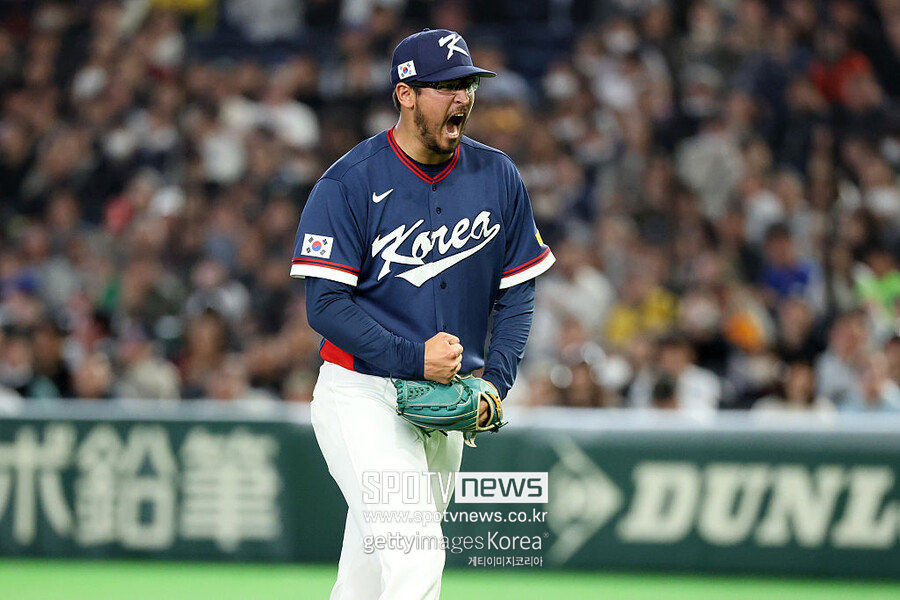 ▲ Dane Dunning has raised serious concerns this season as both his velocity and performance have slipped.
[SPOTV News — Kim Tae-woo] In March 2026, South Korea’s World Baseball Classic roster included three players who were not South Korean citizens but qualified under the WBC’s special eligibility rule that allows players to choose a parent’s lineage. American right-hander Dane Dunning (32, Seattle) used that provision to don the Taegeuk badge.
Dunning has long been known in Korea as a second-generation Korean American. He was a first-round pick (29th overall) by Washington in the 2016 MLB Draft, and news that his mother is Korean drew attention early in his career. Developed as a starter, he enjoyed his best season with Texas in 2023, going 12-7 with a 3.70 ERA in 35 appearances (26 starts).
He even tattooed the Korean phrase 같은 피 (\”Same Blood\”) on his left arm to show his connection to Korea. Ahead of the WBC, his family visited Korea and he spoke warmly about the experience. \”I’m proud to be part of such an amazing team,\” Dunning said at the time.
But his WBC stint also highlighted a downturn in his career. Atlanta released him after last season, and he signed a minor-league deal with Seattle rather than a guaranteed major-league contract this year. Not being on a 40-man roster made him eligible to play in the WBC, and the tournament served as a potential showcase to prove he still belongs at the top level.
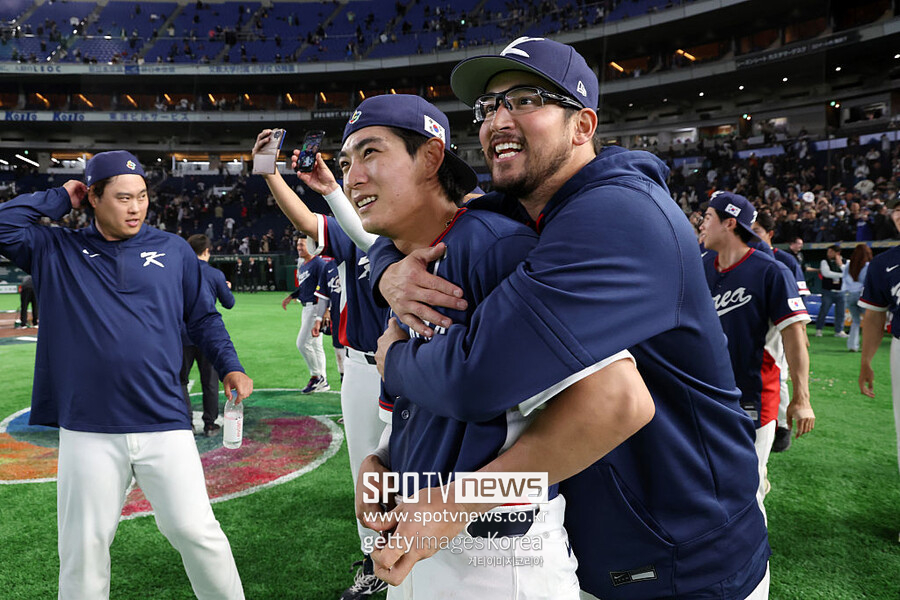 ▲ Dane Dunning represented Team Korea at the WBC in March and reaffirmed his affinity for the country.
The decline began in 2024, when he went 5-7 with a 5.31 ERA in 26 games (15 starts). Last year he bounced between the majors and minors, working out of the bullpen in 12 games and posting a 6.97 ERA with no decisions. His Triple-A numbers this season have also been troubling, making a promotion unlikely despite injuries and other needs in Seattle’s rotation.
On May 25 (KST), Dunning started for Triple-A Salt Lake (the Los Angeles Angels’ affiliate) at The Ballpark at AmeriFirst Field but struggled. He gave up five hits, including a home run, and issued three walks over three innings, allowing five runs before being pulled. He’s made 10 Triple-A starts this season and is 2-5 with a 6.92 ERA.
He hadn’t been a typical walk-prone pitcher, but this year his walks-per-nine spiked to 5.13. The command issues that surfaced last year have persisted. Even more alarming has been a sustained drop in velocity. In that outing his four-seam fastball averaged 87.1 mph (about 140.2 km/h) and topped out at 88.3 mph (142.1 km/h) — roughly a 3-mph decline from last year.
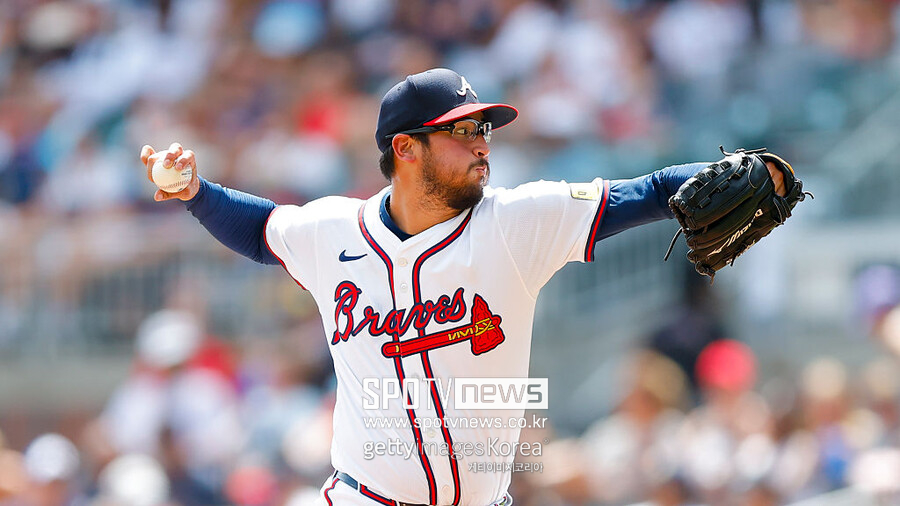 ▲ This season Dunning has shown a worrying drop in velocity — roughly 5–6 km/h — alongside persistent command problems compared with last year.
These problems aren’t limited to one bad outing; they’ve appeared across recent starts. Even accounting for his move to the bullpen last year, a 3–4 mph (5–6.5 km/h) drop in velocity over a single season is difficult to explain. Dunning is still in his early 30s, not at an age when athletic decline would typically account for such a falloff, which raises concerns about a mechanical issue or an underlying physical problem.
With 28 career major-league wins, Dunning has reportedly drawn interest from several KBO clubs. No longer holding a major-league roster spot, he’s reached a stage where a move to Korea seemed feasible. Sources inside some clubs noted his affinity for Korea and said he told national-team officials during the WBC that he wouldn’t rule out a KBO opportunity.
But with his average velocity sagging, KBO teams may be reluctant to pursue him. There’s no certainty he could succeed in the KBO at this pace, and a sudden drop in velocity tends to invite scrutiny. For Dunning, this is a pivotal moment that could determine the trajectory of the remainder of his career.
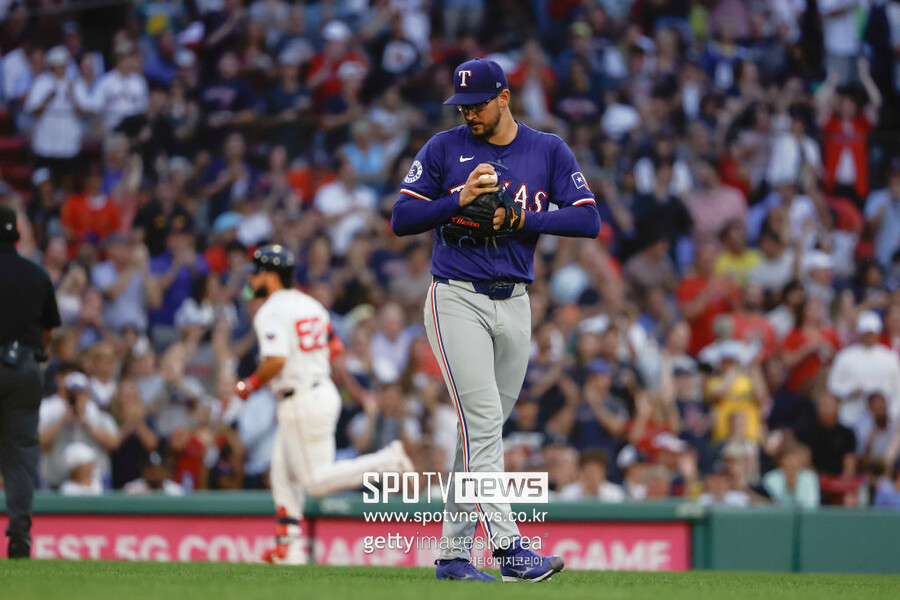 ▲ Some KBO clubs had shown interest in Dunning, but his recent form suggests he might struggle in Korea as well.











Most Commented