
Translation result
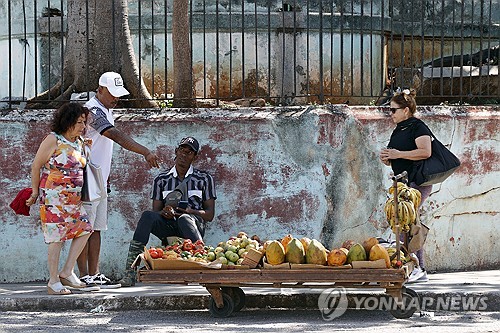 쿠바 아바나 거리[EPA=연합뉴스 제공][EPA=연합뉴스 제공]
As U.S. measures against the Cuban regime intensify, conditions on the island are deteriorating. A string of airlines and hotel operators have suspended services in Cuba, dealing a severe blow to the tourism sector, while persistent power shortages are beginning to disrupt education — including the recent cancellation of the national university entrance exam (comparable to South Korea’s college entrance test).On the 2nd, state-run Cubadebate reported that Spain’s Iberia suspended all direct flights between Madrid and Havana effective the previous day. The airline attributed the suspension to falling demand on the route. Cubadebate said the suspension is likely to persist through October.Earlier, Canadian hotel group Blue Diamond Resorts announced on May 29 that it would cease all operations in Cuba. The company cited a decline in flights to Cuba, serious local operational challenges and a steadily worsening business environment. Blue Diamond operated 62 hotels and resorts across the island and had been a major foreign investor supporting Cuba’s tourism industry.With one pillar of the tourism-dependent economy crumbling, Cuba’s education system — responsible for training the country’s next generation — is also approaching collapse. The Cuban government moved to end the school term early and canceled the university entrance exam in response to ongoing power outages. The Education Ministry said repeated national grid failures and widespread blackouts lasting up to 48 hours made normal in-person instruction impossible, so it decided to end the semester 15 days ahead of schedule. It also canceled this year’s entrance exam and will instead admit students based solely on their school records.Cubadebate quoted officials saying the decision reflected “the material and organizational difficulties caused by intensified U.S. economic, financial and energy blockades, and the challenges students and their families would face traveling to and participating in the exam under current conditions.”The disruption to regular schooling has raised concerns not just about missed academic calendars but also about declining learning outcomes. UPI reported that universities have effectively been closed since February because the power shortages persisted.Younger students face even harsher consequences. Blackouts and the economic crisis have halted school meal programs and disabled water pumps, prompting many parents to keep their children at home — a wave of absenteeism that education advocates describe as parents being forced to abandon formal schooling for their children. For decades, the Cuban government has touted free education as one of its flagship achievements; the current energy crisis now threatens that last bastion.Anne Lemaistre, head of UNESCO’s Havana office, warned, “Cuba’s education system is in crisis because of the current energy emergency. Teachers and students are finding it difficult not only to attend classes and learn effectively but even to enjoy normal social life with their peers.” She cautioned that the disruption could imperil an entire generation and produce long-term consequences.Yonhap News TV — For inquiries and tips: KakaoTalk/LINE jebo23; Kim Ji-soo (goodman@yna.co.kr)











Most Commented