
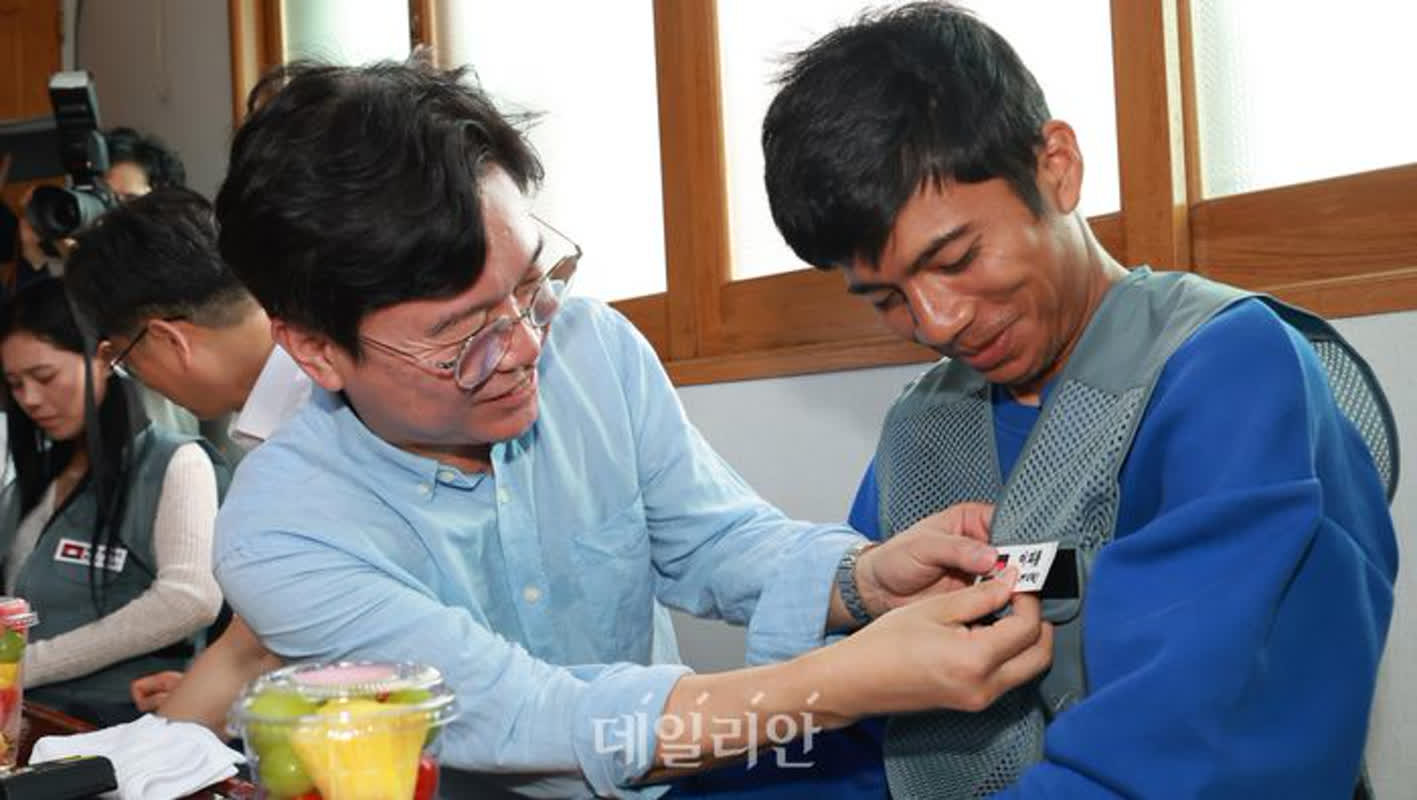
I learned about Kinis Toy Hospital from SBS’s Korean Journey series, on the “Value-for-Money Tour” episode. Tucked into the Juan underpass shopping arcade in Michuhol District, the workshop repairs broken toys free of charge. Operating on donated funds, it finds usefulness in work others have overlooked and gives children and the local community a meaningful gift.
All of the volunteers are grandfathers — what gerontologists call “old-old” adults aged 79–80 — and their former careers range from university professor to electrical company employee.
Researchers typically classify people aged 55–65, who remain employed and socially recognized, as “young-old”; those 65–75, retired but not yet heavily affected by physical aging, as “middle-old”; and people 75 and older as “old-old,” a group for whom aging has often progressed to the point of increased dependence. Given that, it is especially striking — and symbolic — that these elderly men have gathered to breathe new life into discarded toys.
In conversations with adult learners at my university, I am repeatedly struck by their energy and stamina. Their interests are wide-ranging and concrete: some make productive use of small plots of land, others derive satisfaction from stock investing. They remain committed to productive pursuits. We need to stop defaulting to labels like “grandmother” and “grandfather” for every older person; those terms reduce them to stand-ins for grandchildren. Beyond affection, their roles and interests extend well beyond the family frame.
In our society, senior education has moved beyond merely providing meeting spaces such as senior centers or welfare halls. Older adults want programs that help them actively shape their lives — not just classes focused on hobbies, leisure, or basic health maintenance.
Many are even willing to pay to create new learning environments. We must abandon the perspective that views older people solely as welfare recipients or passive learners. Instead, we should support them to take ownership of the new developmental tasks they face in later life and to continue growing.
One critical task is discovering usefulness: how do we apply the knowledge and experience older adults have accumulated through work and learning? This is a central question — a practical way to gather and deploy wisdom.
As of October 2025, Incheon’s population aged 65 and over stood at 568,960, or 18.7%. While South Korea has become a super-aged society, Incheon is not yet a super-aged city — not yet. However, the number of residents aged 60 and over, the cutoff for the city’s senior job programs, is 821,540, or 26.9% — a level that is high even compared with other metropolitan cities. This suggests Incheon will soon enter the ranks of super-aged cities. Municipal elections have heated political debate in Incheon, and not every issue raised will be resolved. Still, when else is it easier to surface urgent policy concerns than during an election? It takes a whole village to raise a child — older residents are no exception. Incheon needs citywide commitment: the futures of both children and older adults are at stake.
/Hong Seong-sik, Professor, Jaeneung University









Most Commented