
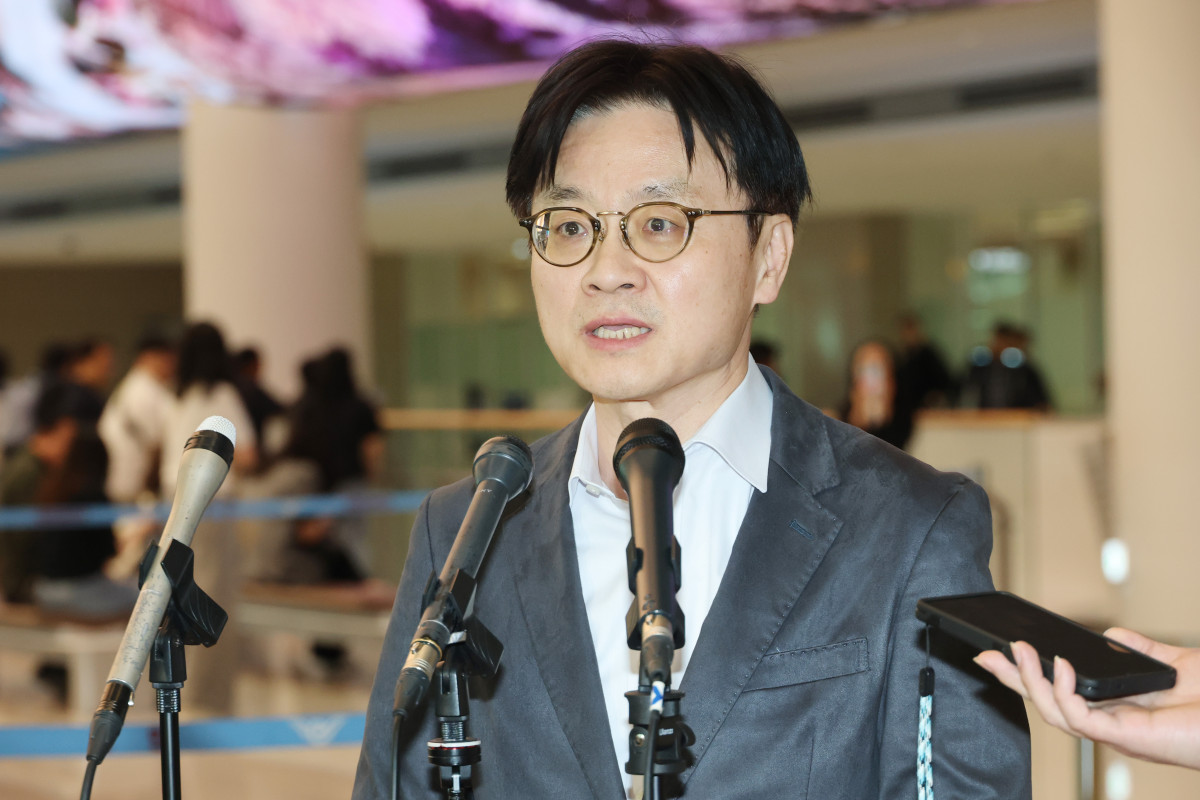
Minister of Trade, Industry and Energy Kim Jung-gwan urged labor and management to reach a swift compromise over the Samsung Electronics union’s threat of a general strike, warning that if the strike materializes he may have no choice but to invoke emergency mediation. As the union presses ahead with its strike plan, the government has stepped up pressure by publicly raising the prospect of emergency measures.
On May 14, via social media, Kim said he felt “deep regret and concern” over reports that the union would launch a general strike beginning on the 21st if no agreement is reached. He urged both sides to resume talks quickly and find common ground. Given the seriousness and potential spillover of the dispute, he said, “we must prevent a strike under any circumstances,” and as minister he believes invoking emergency mediation would be unavoidable if a strike occurs.
Emergency mediation is an authority the labor minister can invoke when a labor action is judged likely to cause significant harm to the national economy. If it is invoked, unions must suspend all dispute actions for 30 days.
Kim also emphasized Samsung Electronics’ economic importance. He noted that Samsung’s performance and stock price affect the public through roughly 4.6 million shareholders and various pension funds, including the National Pension Service, and called the semiconductor business “a core strategic asset” of the Korean economy.
He warned that losing competitiveness in semiconductors would threaten not just a drop in ranking but the industry’s viability, and that disruptions to wafer processing alone could produce up to 100 trillion KRW (about $75 billion) in damage and severely affect roughly 1,700 partner firms.
Kim added that if confidence in global supply chains erodes, it could inflict irreparable harm on the broader Korean economy. He urged the company to offer fair compensation and called on the union to put forward reasonable demands that account for the company’s long-term sustainability.
Samsung management and the union remain sharply divided over the structure of performance bonuses. The union demands that 15% of operating profit from the semiconductor (DS, Device Solutions) division be set aside as a fixed bonus pool and seeks to remove the current “50% salary cap” on payouts. The company says it will keep the existing EVA-based OPI (Excess Profit Incentive) system but add special awards for the DS division.
Earlier, under mediation by the Central Labor Commission, the union and Samsung held post-adjustment talks on May 11–12 but failed to reach an agreement. The commission and Samsung offered further talks, but the union maintained it would not engage unless the bonus system is formalized and made transparent.
The union has said it will launch a general strike for a total of 18 days, from the 21st through the 7th of next month, if its demands are not met.












Most Commented