
Senior Internships vs. Traditional Jobs: Which Offers the Best Opportunities in Asia?
Daniel Kim Views
[Herald Economy (Busan·Ulsan)=Reporter Lee Tae-hyung] Approximately 1.15 million senior employment positions have diversified to keep pace with changing times. Seniors teach children and students about the environment at an ESG center to reduce plastic waste, and they repair unusable toys. Participants who spent their careers in core national industries now pass on practical, on-the-job know-how to younger workers.
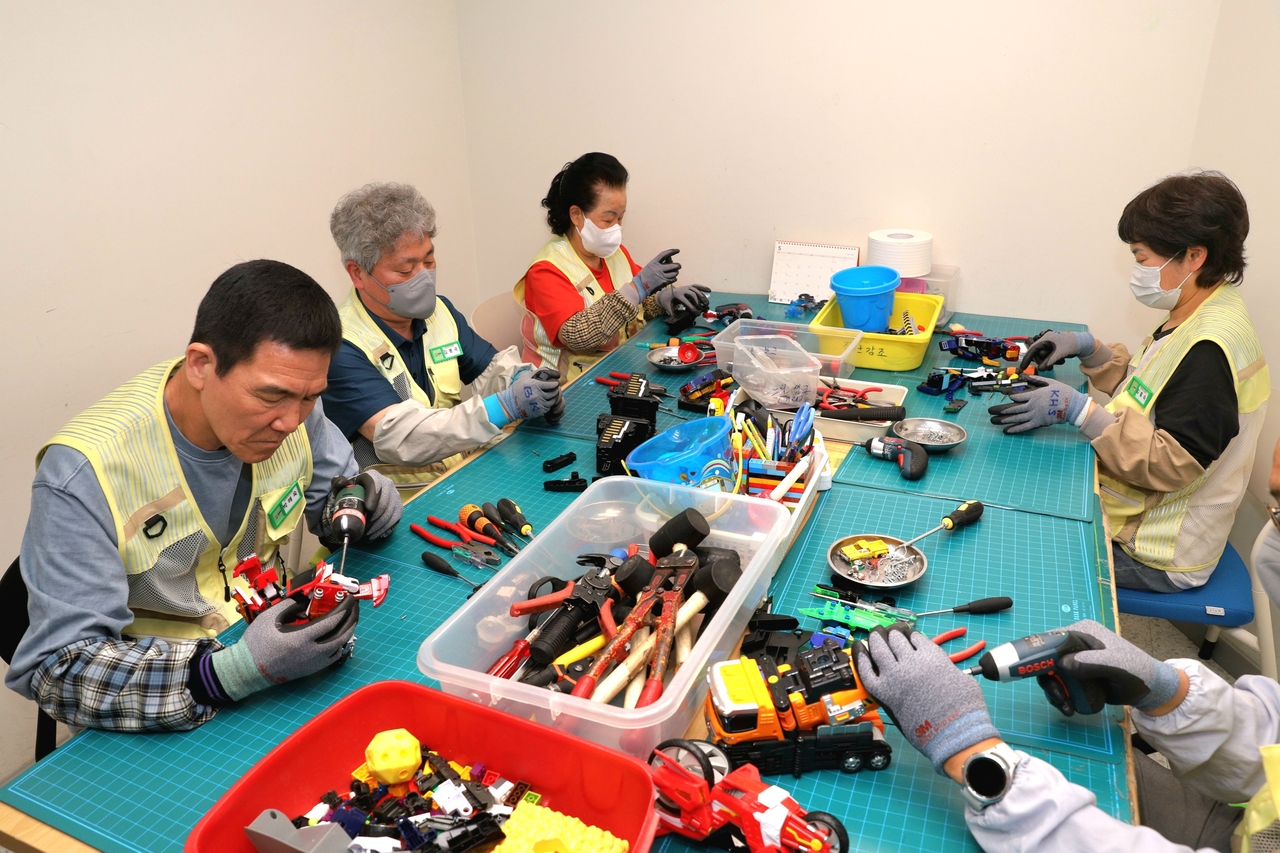
On May 7, I met senior program participants at the “Our Neighborhood ESG Center” in Geumjeong District, Busan. There they collect and wash waste plastics, turn them into upcycled products, and provide environmental education to the public.
Participants repair broken toys, assemble new toys from disassembled parts, and use crushed PET bottles—called “flakes”—to make vests and sneakers.
Chae Jong-hyun, director of the Busan Geumjeong Senior Club, said, “Geumjeong District’s aging rate of 27.8% exceeds Busan’s average of 24.9%. Through Our Neighborhood ESG Center No. 1, we have developed a community-based public employment model for a super-aged area.” He added, “About 60 senior workers at the center have contributed to roughly 30 metric tons of carbon-neutral impact in the center’s fourth year.”
Retired teachers serve as environmental docents, educating children, while former skilled tradespeople focus on recycling toys and waste plastic.
Lee Choong-nam (67), who worked in shipbuilding for about 30 years before retiring, now repairs toys at the center. Describing himself as an “engineer to the bone,” he said, “I enjoy doing work I like that fits my skills. Earning a paycheck means I don’t have to rely on my children and I’m not a burden on younger generations.”
 Senior employment programs also play a strong role connecting older and younger generations.
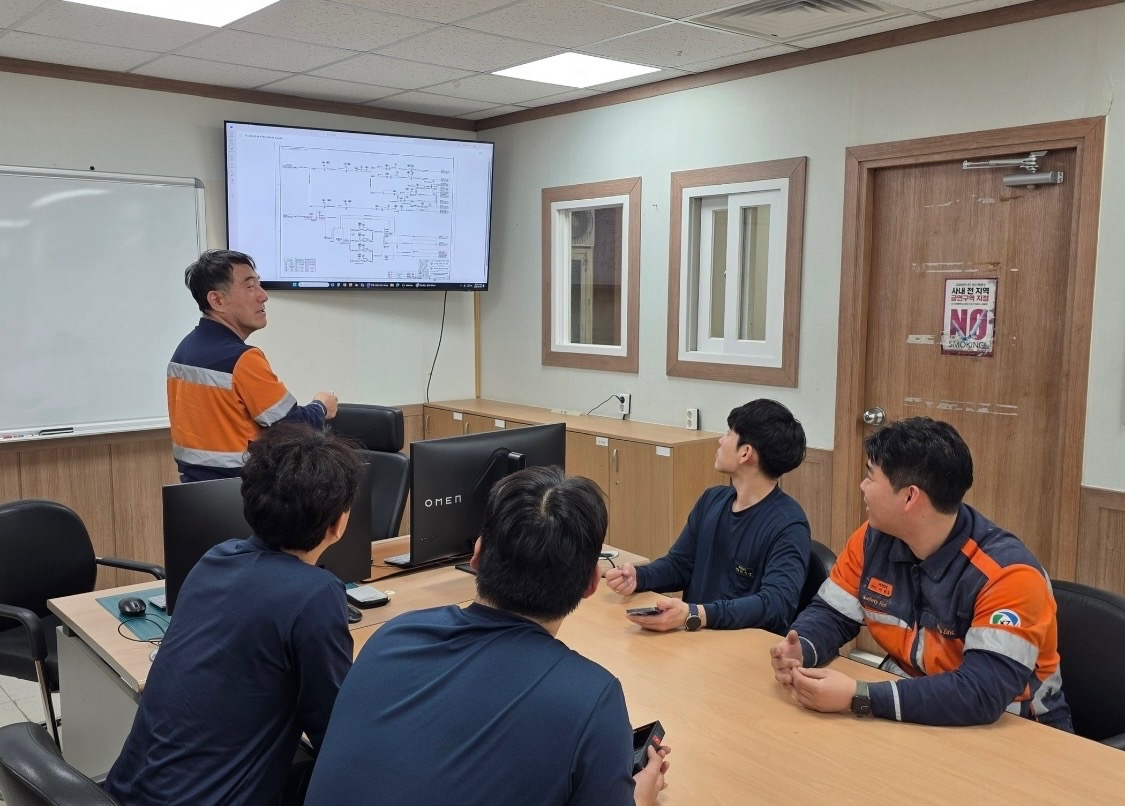
Korea Zinc, a smelting company in Ulju County, Ulsan, operates a private-sector program called the “Generation-Integrated Senior Internship.” When companies rehire retirees, the government subsidizes wages up to 3,000,000 KRW per person per year (approximately $2,250 USD).
Last year, 25 employees retired at that site, and 14 of them returned this year as senior interns with government support. Jeong Seong-woo, head of Onsan HR at Korea Zinc, said, “Before we participated in the senior employment program, we rehired only three to four people a year, occasionally seven or eight. While discussions about raising the retirement age are ongoing, we are positively considering expanding senior employment.”
Senior interns are primarily assigned to new or expansion projects at plants because those sites require the decades of experience and rapid problem-solving that come from more than 30 years on the job.
Kim Ui-sik (61), who reached retirement this year and was rehired to work at the Clarksville, Tennessee smelter, said, “Drawing on over 30 years of experience, I help on expansion projects, offer practical suggestions to the company, and train younger colleagues on equipment and safety. AI may be dominant in some areas, but many floor-level tasks still require human craftsmanship.”
 “Sushi Eun,” a restaurant in Nam District, Ulsan—named by combining “sushi” and “eun” (silver, referring to seniors)—employs 20 older adults working alongside young chefs who had closed previous establishments. The chefs in their 40s run the new kitchen while senior participants over 60 take on new challenges at the same workplace.
Senior employees do more than serve or clean; they make sushi, prepare fish, and form rice balls. While seniors often receive technical training, the reciprocal assistance fosters meaningful intergenerational communication.
Han Su-rim, director of the Ulsan Nam-gu Senior Club, explained, “Nam District funded three years of wages to bring in a chef, which made jobs for seniors inside the restaurant possible.”
Kim Soo-young, president of the Korea Senior Human Resources Development Institute, said, “Social-service and private-sector senior employment that leverages seniors’ expertise, experience, and local strengths is expanding into the environmental and industrial sectors. After expanding to 1.15 million positions, we now need to shift from quantitative growth to qualitative improvement.”












Most Commented