
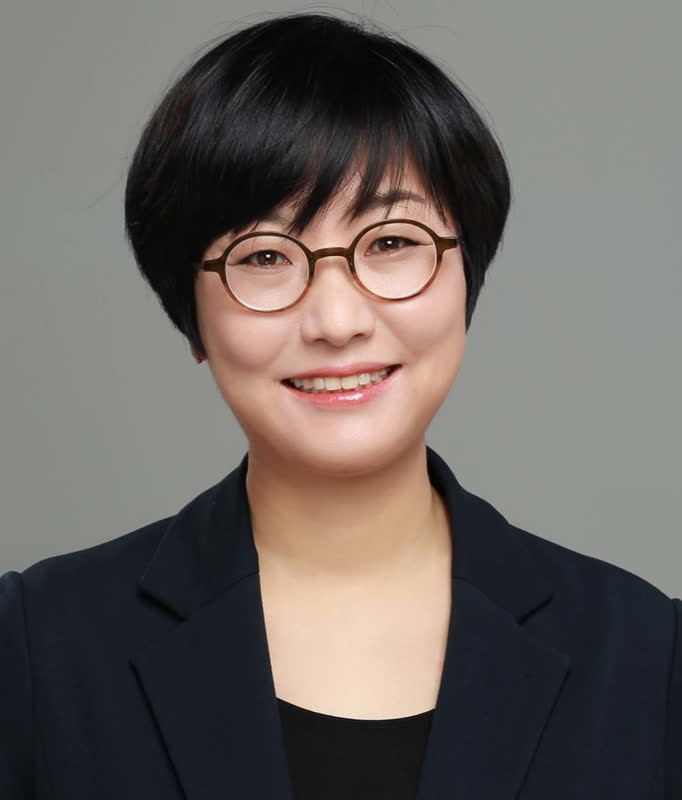
Translation result [Herald Economy — Reporter Lee Tae-hyung] Kim Jin-oh, vice chair of the Low Birthrate and Aging Society Commission, urged officials to prepare and present the best measures to the public without missing the three- to four-year “golden window.”
At his inauguration on the 17th, Kim warned, “We must not become complacent after a brief uptick in the birth rate.”
Kim has worked in journalism for more than 37 years, covering social, political and international issues. Colleagues and observers credit him with consistently amplifying local and grassroots voices and helping build the public consensus and shifts in social awareness needed to confront the demographic crisis.
“This year must be the inaugural year of a shift in Korea’s population policy,” Kim said. “We will keep in mind that every population policy affects people’s daily lives and our children’s futures. We will craft policies that citizens can feel in their everyday lives and strive, with a strong sense of mission, to produce tangible results quickly.”
Kim said the recent rise in the total fertility rate in 2024—the first increase in nine years—and its continuation into 2025 reflect the influence of the echo-boom generation and delayed marriages and births due to COVID, alongside joint efforts by the government and practitioners in the field to address the demographic challenge.
He added that the commission will develop population “sunshine” policies to address problems related to marriage, childbirth and aging, and to revive Korea—not only by tackling ultra-low birth rates but also by easing the strains created by changes in the population structure.
Kim urged all staff to redouble their efforts so that rising fertility—and care for children, parents, young people and seniors, as well as other vulnerable groups—becomes more robust. He asked them to ▷ raise policy effectiveness ▷ act as a control tower to strengthen interdepartmental coordination ▷ and implement policies grounded in fieldwork and data.










Most Commented