
2026 Energy Saving Guide: How the Vehicle 5-Day System Could Transform Your Driving Habits
Daniel Kim Views
Translation result.
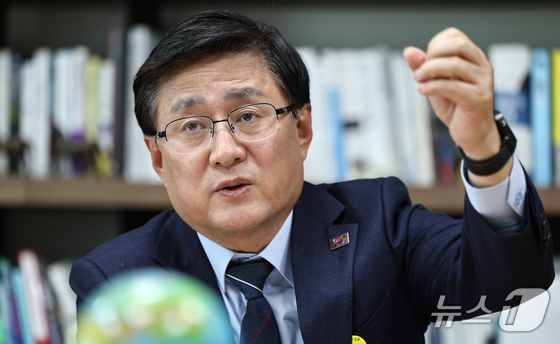
As the Middle East crisis drags on and energy supply risks increase, Minister Kim Seong-hwan of the Ministry of Climate, Energy and Environment has personally asked citizens to take part in conservation measures. Observers say his appeal—coming as the government reviews a potential five-day license-plate rationing scheme for private vehicles—signals that demand-reduction policies may be imminent.
On March 22, Kim posted on Facebook and other channels urging public cooperation in saving energy. “The government has raised the crude-oil resource-security alert to the ‘caution’ level and is managing the situation carefully,” he said, adding that officials plan to secure supply capacity by operating coal-fired plants more flexibly, restarting nuclear reactors, and expanding renewable energy to avoid power shortfalls.
He called on people to help with everyday conservation efforts—using public transit and charging devices and electric vehicles during daylight hours when solar generation is abundant—and said the government will begin by implementing a five-day vehicle rotation in the public sector. He also said additional energy-voucher support for vulnerable households is under consideration.
Kim pledged to monitor the situation directly on the ground to ensure citizens’ daily lives are not disrupted.
It is unusual for the government to outline specific demand-management measures. By indicating that private-sector participation could follow public-sector steps, officials have left open the possibility of broader driving restrictions. Kim previously urged a nationwide “energy diet” in an interview with News1.
The ministry is in final discussions over whether to adopt a five- or ten-day rationing system for private cars, how broadly it would apply, and which exemptions to allow. Options under review include pairing mandatory enforcement with voluntary participation and exempting livelihood vehicles and certain industries.
Officials are proceeding cautiously because the measure would have wide-ranging effects. While driving restrictions can deliver substantial energy savings, they could place direct burdens on small-business owners, truck drivers, and commuters from regions with limited public transit. Outside the Seoul metropolitan area, where transit options are often weaker, limits could raise serious mobility-access issues.
Still, with supply concerns now affecting both crude oil and LNG, some within the government feel they can no longer delay an announcement. The final plan could be set by the end of March and unveiled at a Cabinet meeting.
Battery-electric and hydrogen vehicles are likely to be excluded from any measures because they do not use petroleum. With President Lee Jae-myung having directed the Cabinet to review vehicle rationing, there is a real chance that demand-control policies covering private cars could be implemented for the first time since the 1991 Gulf War.











Most Commented