
The Fall of Shaolin’s CEO: Ex-Abbot Xu Yingcheng Charged with Embezzlement and Bribery
Daniel Kim Views
Translation result
Prosecutors have formally indicted the former abbot of China’s Shaolin Temple (少林寺·Shao Lin Si) on charges including embezzlement and related offenses.
He led the Shaolin Temple—widely regarded as the birthplace of Chinese kung fu—for decades. Prosecutors say he violated Buddhist precepts and engaged in a range of corrupt practices that have now brought him to court.
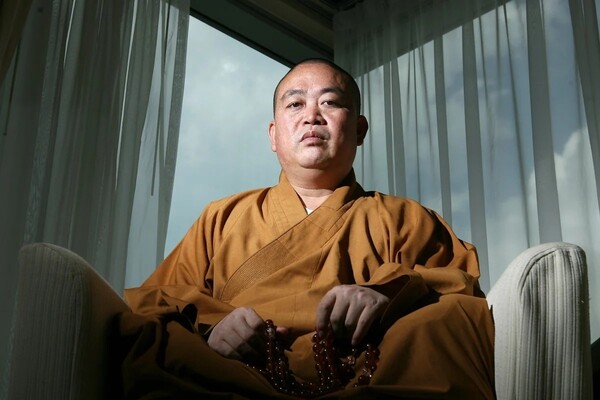
On the 21st, state-run Xinhua News Agency reported that the Xinxiang People’s Procuratorate in Henan said it had filed charges the day before with the Xinxiang Intermediate People’s Court against former Shaolin abbot Shi Yongxin (60; born Liu Yingcheng), accusing him of embezzlement, misappropriation of funds, and both accepting and offering bribes.
Xinhua did not disclose the specific sums involved in the corruption allegations. On July 27 last year, Shaolin’s management office announced that Shi was under criminal investigation. The following day, the Buddhist Association of China said it had revoked his monastic credentials, and on Nov. 16 the Xinxiang People’s Procuratorate approved his arrest.
Although he had been criticized for excessive commercialization, Shi was also credited with turning Shaolin into a global brand. His downfall has damaged the reputation of Chinese Buddhism and accelerated calls for institutional reform.
At the end of last year, the Buddhist Association of China announced plans to create an oversight body to strengthen supervision of monks’ conduct. Separate from the current indictment, Shi has faced allegations that he maintained improper relationships with multiple women and fathered at least one child out of wedlock.
Born in Anhui province in 1965, Shi Yongxin became one of China’s most prominent Buddhist monks. He entered Shaolin in 1981, became abbot in 1999, and led the temple for more than 25 years until his removal last year. Holding an MBA, he developed revenue-generating ventures—kung fu shows, film productions, and Shaolin-branded souvenirs—that earned him the nickname “Shaolin’s CEO.”











Most Commented