
Is JTBC’s Solo Coverage of the 2026 Winter Olympics a Threat to Public Viewing Rights?
Daniel Kim Views
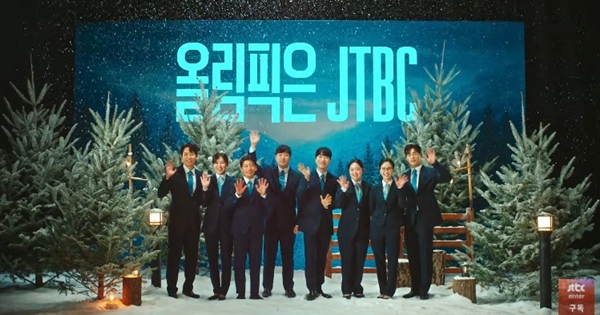
The chairman of the Broadcasting and Communications Commission, Kim Jong-cheol, expressed regret over the limited public access to the 2026 Milan-Cortina Winter Olympics due to JTBC’s exclusive broadcasting rights. Kim revealed plans to amend laws to improve negotiations for broadcasting rights among networks.
Kim made these remarks on February 10th during a report to the National Assembly’s Science, Technology, Information, Broadcasting, and Communications Committee, responding to concerns raised by Park Chung-kwon, a member of the People Power Party. The Milan-Cortina Winter Olympics, which began on February 7th (Korean time), is being exclusively broadcast live by JTBC after it secured sole broadcasting rights.
“It’s deeply concerning that public access to a national event of great interest like the Winter Olympics is severely restricted,” Kim stated. “While current laws limit our ability to enforce negotiations for broadcasting rights, we’re drafting amendments to address this issue.”
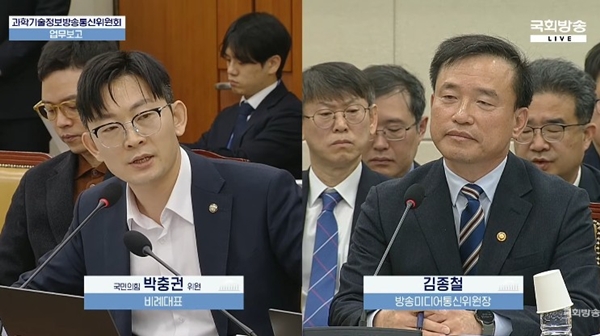
Congressman Park questioned whether legal amendments could resolve the issue, noting the gap between JTBC’s asking price and what major networks are willing to pay. Kim responded, “While there’s a financial discrepancy, universal viewing rights are fundamental to broadcasting’s public responsibility. We’ve identified structural barriers preventing some households from accessing broadcasts and are working to expand access.”
Shin Seong-bum, another People Power Party member, criticized the situation, saying, “The viewing process has become overly complex and commercialized due to market forces. It’s problematic to leave this to economic considerations alone.”
Shin added, “In the past, viewers could easily watch national team games by changing channels. Now, they must choose a platform and pay. The government has neglected this issue.” He questioned the government’s role in ensuring universal viewing rights. Kim assured, “We’re exploring options to guarantee all citizens can access broadcasts without paid subscriptions, potentially through one or more public broadcasters.”
Shin remarked, “Our legal framework is outdated for the digital age. While businesses adapt quickly, the government lags behind.” Kim acknowledged, “There have been gaps in broadcast regulation amid rapid media changes. We’re committed to preventing such issues in the future.”















Most Commented