
Translation result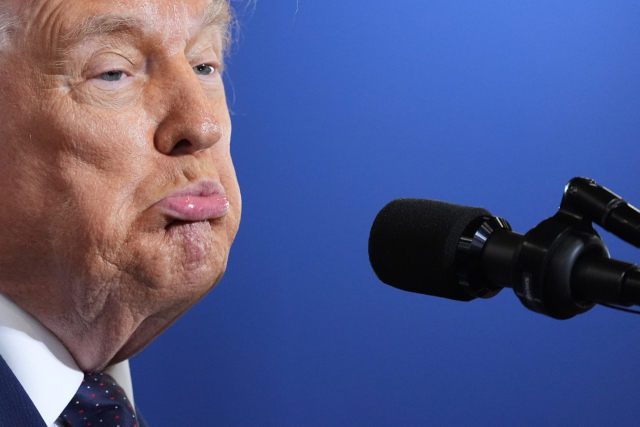
Criticism of President Donald Trump’s effort to end the war with Iran has grown louder. Hardliners within the Republican Party have intensified their attacks, arguing he not only failed to force Iran to surrender but has instead strengthened Tehran’s influence across the Middle East.
On the 22nd (local time), Sen. Roger Wicker, chairman of the Senate Armed Services Committee, issued a statement about the Iran peace talks that read like a warning to Trump. Wicker said the president has been swayed by poor advice to pursue a worthless deal, and that doing so could reinforce the perception abroad that the United States is weak.
Observers viewed Wicker’s unusually blunt statement as a departure from the GOP’s typical reluctance to speak plainly and interpreted it as reflecting hardliners’ views. Reports say the two sides are discussing a plan to sign a memorandum of understanding (MOU) to reopen the Strait of Hormuz, declare an end to hostilities, and then hold nuclear talks for 60 days.
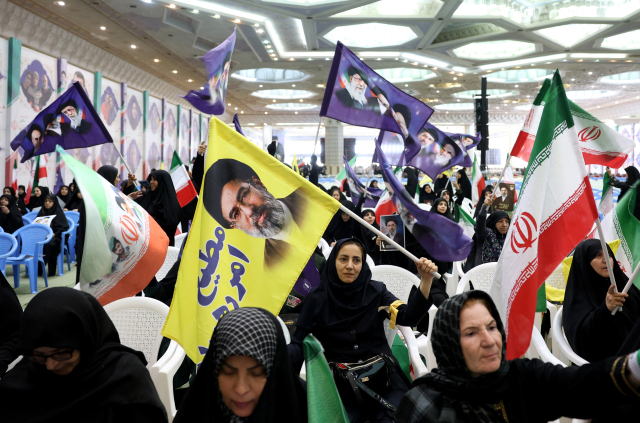
Sen. Lindsey Graham, a close ally of Trump, joined the criticism, warning the deal could give Iran significant standing in the region and questioning why the United States started the war in the first place. Mike Pompeo, who served as secretary of state during Trump’s first term, harshly criticized the negotiations, saying, “The proposal being discussed with Iran looks exactly like the Obama administration’s deal.”
Democrats piled on as well. In a CNN interview, Sen. Cory Booker said, “President Trump is being played for a fool,” arguing that Trump helped bring a more extreme regime to power in Iran and left the U.S. in a worse position.
Trump pushed back, saying the end-of-war negotiations with Iran are not finished. He added, “Our agreement is the exact opposite of the Iran nuclear deal from the Obama administration, but no one has seen it or knows what’s in it.” The remark appeared aimed at critics, warning them not to judge before they know the facts.
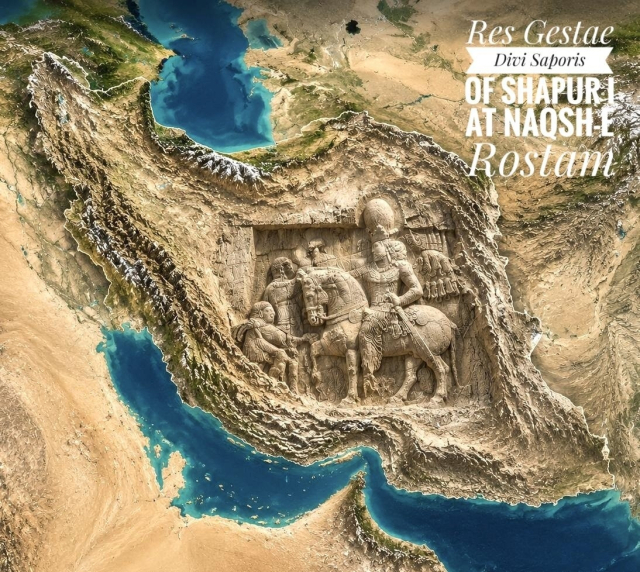
Meanwhile, Esmail Baghaei, a spokesman for Iran’s foreign ministry, posted an image of an ancient relief showing Roman emperors bowing to a Persian ruler and used it to boast of his country’s victory. On the 23rd, he uploaded a composite of the Victory Relief of Shapur I at Naqsh-e Rostam overlaid with a map of Iran, writing, “The Romans thought Rome was unquestionably the center of the world. The Iranians shattered that illusion.”
The relief Baghaei used in the composite is carved into a rock face at Naqsh-e Rostam near Persepolis. It commemorates the victories of the Sassanian king Shapur I (reigned 240–270) over invading Roman forces.
The New York Times analyzed Baghaei’s post as an attempt by Iran to frame the terms under discussion with the U.S. as a victory for Tehran.














Most Commented