
Taiwan’s Historic Impeachment Vote: What It Means for President Lai and the Future of Governance
Daniel Kim Views
Translation result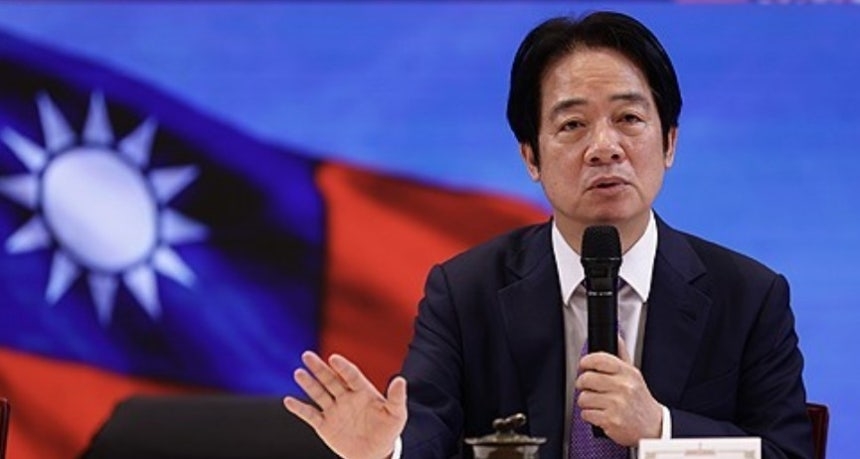
Taiwan’s Legislative Yuan will vote on May 19 on an impeachment motion against President Lai Ching-te. This is the first time in Taiwan’s constitutional history that an impeachment of a sitting president has reached a parliamentary vote.
Local media and the Central News Agency reported on the 19th that opposition parties led by the Kuomintang and the Taiwan People’s Party introduced the impeachment motion against President Lai. The opposition contends that Lai and Premier Chuo Lung-tai infringed on the legislature’s authority and undermined the constitutional order by refusing to promulgate and implement the ‘Fiscal Revenue Separation Act’ passed by the Legislative Yuan.
The dispute has begun to spread across Taiwan’s broader political landscape. Analysts say political tensions are mounting as China maintains military and diplomatic pressure and as conflicts between the executive and legislative branches intensify.
Lai’s office has maintained that, under Taiwan’s constitutional framework, the president is not obligated to appear in person before the legislature to respond during its review process.
In terms of seat distribution, the opposition holds roughly 62 seats in total — Kuomintang 52, Taiwan People’s Party 8, and 2 independents. Observers say the motion’s fate will likely depend on whether there are any defections within the ruling Democratic Progressive Party (DPP).
Still, most analysts view the chances of the motion passing as slim. Taiwan’s constitution requires at least two-thirds of the 113 legislators — 76 votes — to approve an impeachment, and the opposition falls well short of that threshold.
Even if the legislature approves the motion, additional steps would be necessary before removal. Under Taiwan’s constitution, the matter would go to the judiciary’s Constitutional Court, which must rule on whether to permanently dismiss the president.
For that reason, many interpret the vote as primarily political pressure aimed at the Lai administration rather than a realistic route to removal. The vote nevertheless carries symbolic and political significance: it is the first impeachment vote against a sitting president in Taiwan and comes just ahead of Lai’s second anniversary in office.












Most Commented