
Gyeonggi Education Crisis: Can Yoo Eun-hye’s Experience as Former Minister Turn Things Around?
Daniel Kim Views
Translation result.
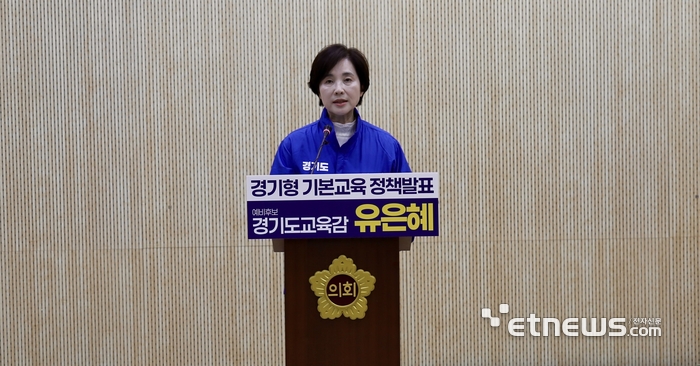
On April 4, at a unification primary debate among Gyeonggi Province’s Democratic-progressive candidates for superintendent, Yoo Eun-hye argued that her tenure as education minister makes her the right person to restore the region’s education system.
At the debate, Yoo laid out her diagnosis of the crisis in Gyeonggi education, outlined policy directions and practical solutions, and emphasized her ability to implement them. In her opening remarks she said, “Gyeonggi education has collapsed over the past four years,” and added, “We cannot entrust Gyeonggi education in crisis to an inexperienced leader.” She stressed that fixing Gyeonggi education isn’t about rhetoric but about actually getting the work done.
Yoo placed changing the direction of Gyeonggi education at the center of her platform. She argued that test-centered, competitive schooling has disrupted students’ lives, undermined teachers’ instructional work, and widened regional disparities. She said the system must shift to one that takes responsibility for students’ growth and well‑being. To that end, she proposed a “responsible education” framework covering guaranteed academic competency, care and emotional support, and career education.
As on-the-ground measures, she pointed to the erosion of teacher authority, the breakdown of classroom communities, and educational gaps between regions. To allow teachers to focus on instruction, she proposed introducing a “School Complaint 119” service, trimming unnecessary programs, and building a classroom-centered support system. She also called for reducing class sizes in the lower elementary grades and expanding co-teacher programs.
On the controversy over the high school credit system, she said the policy was developed through sustained consultations with teachers and prepared in stages. She blamed past education reform failures on the absence of a mid- to long-term, sustainable policy framework. She criticized Superintendent Im Tae-hee’s administration for cutting education welfare, disconnecting from frontline educators, and pursuing showy, short-term measures.
“What we need now is action, not slogans,” Yoo said, pledging, “I will apply the experience I gained as a member of the National Assembly’s Education Committee and as education minister to restoring Gyeonggi education.”
Suwon — Kim Dong-sung









Most Commented