
Translation result
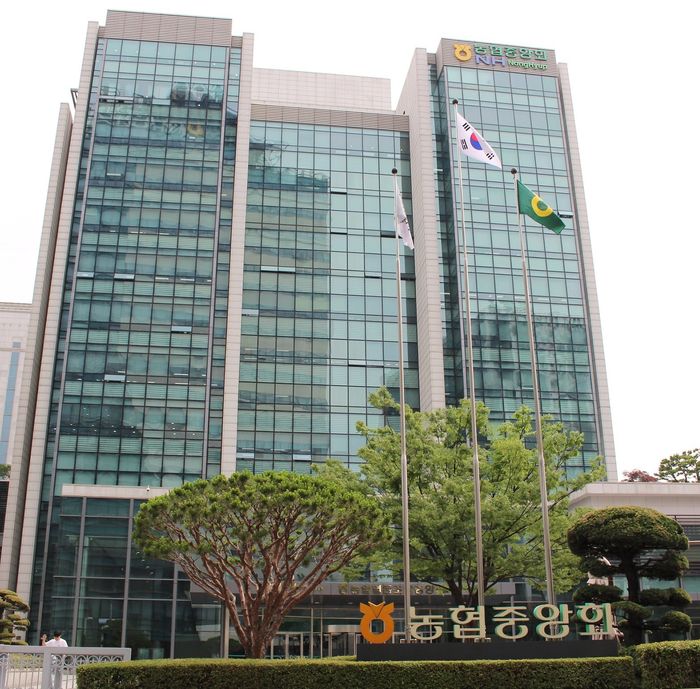
The NongHyup Reform Committee has finalized 13 reform measures, including a requirement that cooperative heads resign if they run for the NongHyup presidency and the introduction of independent directors.
The proposal seeks to restore trust in the NongHyup through election-system reform, stronger internal controls, and a restructuring of its economic operations.
On the 25th, the committee said it adopted the \”Recommendations for Reforming the NongHyup to Restore Farmers’ and the Public’s Trust\” at its fifth meeting, held the previous day at NongHyup headquarters in Jung-gu, Seoul.
Developed over roughly two months since the committee was formed in January, the recommendations cover 13 tasks across three areas: reforming election and personnel systems; strengthening accountable management and internal controls; and revitalizing economic operations while increasing transparency in fund management.
First, the committee plans to overhaul election and personnel systems to encourage policy-focused campaigns.
Among the proposals are candidate debates and regional joint rallies for the NongHyup presidential election, and a requirement that incumbent cooperative heads resign if they run. The recommendations also call for ending the practice of cooperative heads formally endorsing candidates, extending the statute of limitations for election-related offenses, and imposing tougher penalties for election crimes.
On personnel matters, the committee proposes tightening post-employment restrictions for senior appointees across the NongHyup and broadening external nomination channels for the personnel recommendation committee to enhance fairness in appointments.
The committee also decided that the rule barring the appointment of executives within one year of leaving the NongHyup headquarters or its affiliates will take effect immediately.
Members debated election-system reforms aimed at reducing the concentration of power in the president and preventing vote-buying controversies, but they could not reach a final consensus.
The committee recorded a majority view—favoring either keeping the current direct election of cooperative heads or switching to board selection—and a minority view—favoring direct member elections and converting the NongHyup president into an unpaid honorary position—as supplementary opinions to the recommendations.
Governance reform is also a central focus. The committee recommends introducing independent directors to strengthen board oversight and establishing a compliance oversight committee led by external experts to tighten internal controls.
They propose increasing independent directors to about 30% of the board and granting them authorities such as the right to place internal-control items on the agenda.
In the economic sector, the committee recommends consolidating guidance and support functions—currently split between the headquarters and the economic holding company—under the headquarters, and closing the economic holding company’s regional offices to reorganize functions.
The plan also aims to boost competitiveness through innovations in the distribution of agricultural and livestock products and by promoting mergers among cooperatives.
The recommendations include measures to support both farmers and consumers: digitizing production and distribution facilities at production sites and expanding farm-service offerings to reduce operating costs; and promoting online wholesale markets and local food outlets to shorten distribution channels and provide consumers with fresh agricultural and livestock products at reasonable prices.
Lee Gwang-beom, the committee chair, said, \”These recommendations set the direction for institutional reforms that will help the NongHyup become a cooperative trusted by farmers and the public. If implemented fully, they should significantly strengthen NongHyup’s transparency and accountability in management.\”
Based on the committee’s recommendations, NongHyup said it will promptly implement seven tasks that can be started immediately, and will work with relevant government agencies and the National Assembly to finalize six tasks that require legal changes.
To that end, NongHyup will develop a roadmap for each task and establish a phased monitoring system for implementation by early April.
© Dailian Co., Ltd. Unauthorized reproduction and redistribution prohibited.










Most Commented