
Will Restoring the Foreign Ministry’s Trade Role Strengthen South Korea’s Economy Amid US Pressure?
Daniel Kim Views
“National Security Office also in agreement”
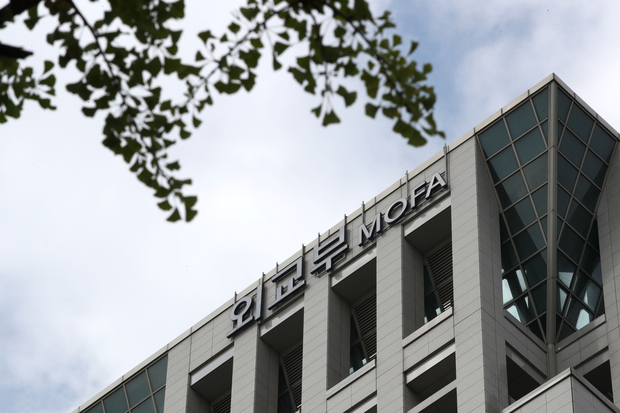
As the United States continues to exert comprehensive trade pressure, calls are growing within political circles to restore the trade diplomacy functions of the Ministry of Foreign Affairs.
On the 10th, according to the National Assembly, Representatives Hong Gi-won of the Democratic Party and Kim Geon of the People Power Party jointly proposed an amendment to the Government Organization Act. The amendment aims to maintain the Trade Negotiation Headquarters of the Ministry of Trade, Industry and Energy as the primary overseer of trade negotiations while reinstating the Ministry of Foreign Affairs’ trade diplomacy function. This move is intended to establish a foundation for the government to pursue strategic trade diplomacy without favoring specific industries.
The representatives’ offices explained, “Our country is currently struggling to address complex international issues that span diplomacy, security, and trade. Moreover, the lack of institutionalized participation by the Ministry of Foreign Affairs in inter-departmental consultations has led to a persistent neglect of diplomatic perspectives.”
The Ministry of Foreign Affairs has faced ongoing criticism, with some arguing that “the Ministry of Trade, Industry and Energy, primarily focused on industrial concerns, fails to balance various sectors including agriculture adequately.” An ironic situation persists where Foreign Ministry overseas offices consistently handle trade matters despite not being considered the lead agency.
There’s a growing sense of urgency, as many officials with trade experience from the Foreign Ministry now hold director-level positions, viewing this as potentially the last chance to revive trade diplomacy functions. Foreign Minister Cho Hyun recently stated at a discussion hosted by the Kwanhun Club on the 29th of last month, “Foreign Ministry staff have regretted the separation of the Trade Negotiation Headquarters, and many still believe they could conduct trade negotiations more effectively if it returned to the Foreign Ministry.”
While a similar amendment was proposed in the National Assembly in 2021 with little traction, the ongoing U.S.-Korea tariff negotiations may lend more weight to the current proposal. An official from Representative Hong Gi-won’s office stated, “We’re optimistic about the amendment’s passage, given the consensus within the National Assembly’s Foreign Affairs Committee and coordination with the National Security Office. However, adjustments will be necessary due to opposition from the Ministry of Trade, Industry and Energy.”










Most Commented