
Is Kim Dong-yeon’s ‘Ultra-Low Credit Loan 2.0’ Policy Legally Sound? A Deep Dive into Controversies
Daniel Kim Views
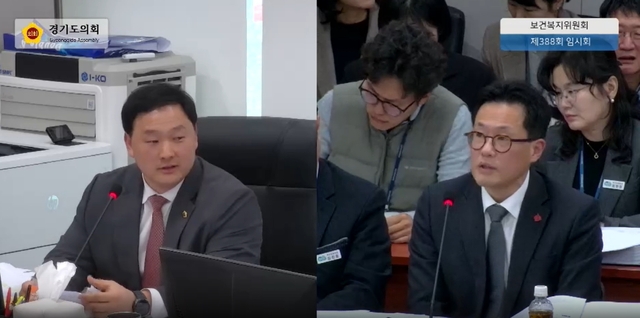
Gyeonggi Provincial Assembly member Ko Jun-ho has strongly criticized the legal and procedural issues surrounding Governor Kim Dong-yeon’s ‘Ultra-Low Credit Loan 2.0’ policy implementation. Ko pointed out that the policy announcement was made without supporting evidence and questioned the lack of transparency in the budget allocation process.
During the Health and Welfare Committee meeting of the 388th extraordinary session of the Gyeonggi Provincial Assembly on the 10th, Assemblyman Ko criticized Governor Kim’s announcement of the ‘Ultra-Low Credit Loan 2.0’ program, stating it lacked supporting documentation. He revealed that when he inquired with the Gyeonggi Welfare Foundation last November, they had not confirmed their role in operating the program. Additionally, when he requested information from the Welfare Bureau, he was told that no data was available as the matter was still under review.
Assemblyman Ko demanded that clear documentation be submitted to the assembly regarding when and on what basis the program operator was determined. He also criticized Governor Kim for continuing a policy that faced opposition from 29 out of 31 cities and counties during former Governor Lee Jae-myung’s tenure in 2020.
Ko also raised issues with the budget formulation process. He noted that the initial project budget of 3 billion KRW (approximately $2.25 million) was suddenly increased by an additional 4 billion KRW ($3 million) in repayment funds. He demanded clarification on when and how this budget was finalized. A Gyeonggi Welfare Foundation representative stated they learned about this in late December. Ko expressed concern that the additional 4 billion KRW, more than double the original 3 billion KRW plan, was allocated without proper preparation.
During the morning’s Welfare Bureau briefing, questions arose about the legal basis and proper management of the ‘Gyeonggi Ultra-Low Credit Loan Post-Management Special Account’ operated by the Gyeonggi Welfare Foundation. Ko emphasized that local government accounting is divided into general and special accounts, with special accounts requiring establishment and operation based on laws or ordinances. The Welfare Bureau Director cited Article 17, Paragraph 2 of the Act on the Operation of Local Government Investment and Contribution Institutions, stating that these institutions can manage accounts by business area, thus allowing for special accounts. However, Ko directly challenged this interpretation, arguing it disregards the legal requirements for establishing special accounts under the Local Finance Act.
The Welfare Bureau agreed to review and report on the legal basis for establishing special accounts by the 11th. This controversy is expected to persist as an ongoing issue. Ko’s criticisms could serve as a crucial opportunity to ensure transparency and procedural legitimacy in policy implementation.
Gyeonggi = Reporter Lee Seong-jae gado444@viva100.com












Most Commented