
Is Jeong Won-oh’s Book Talk a Hidden Campaign? Exploring Election Law Breaches in Seoul
Daniel Kim Views
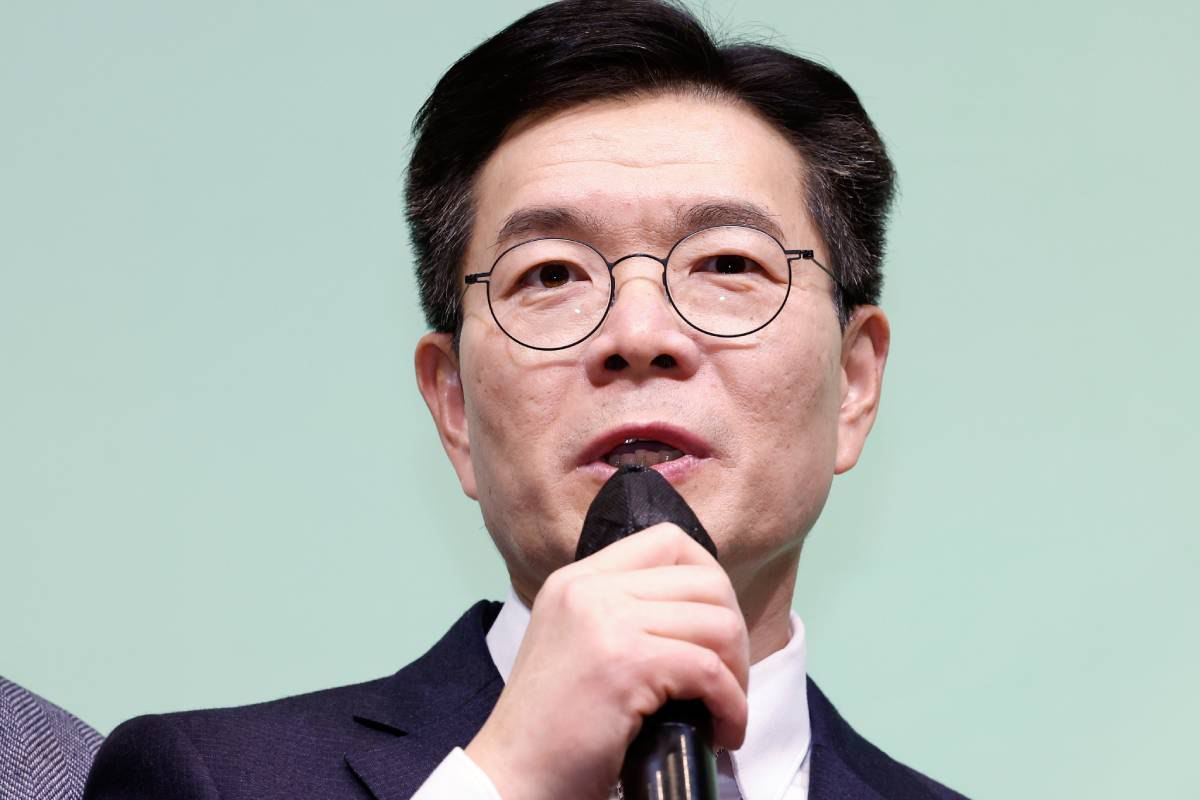
The Seoul chapter of the People Power Party has filed a complaint against Seongdong District Mayor Jung Won-oh, alleging violations of the Public Official Election Act, drawing significant political attention. The party claims that Mayor Jung effectively engaged in premature campaigning through repeated public events amid speculation about his potential run for Seoul mayor. The complaint also targets the Seoul Metropolitan Election Commission and the Seoul Metropolitan Police Agency. This action has ignited a debate over the scope of political activities permissible for local government officials.
On February 10, the Seoul chapter of the People Power Party officially announced its legal action against Mayor Jung for alleged election law violations. Park Jae-hyung, the party’s chief spokesperson in Seoul, stated in a press release that Mayor Jung had hosted approximately six book talk events promoting his own publication since December of the previous year.
These events reportedly took place across Seoul, including Seongdong, Yeongdeungpo, and Jongno districts. The party emphasized that the frequency and locations of these events were not confined to a single area, raising concerns about their purpose.
The party cited the Central Election Commission’s interpretation of the Public Official Election Act to support their claim. According to this interpretation, even if events occur more than 90 days before an election, repeatedly holding book launch events or promotional gatherings targeting a broad voter base could constitute premature campaigning. The Seoul chapter argues that Mayor Jung’s book talks may fall into this category.
Furthermore, the party underscored that the Public Official Election Act strictly prohibits public officials from using their positions to influence elections. The law restricts officials from attending events hosted by non-governmental organizations during work hours and forbids the use of official status to convey political messages. The party suggests that Mayor Jung’s events may have crossed these legal boundaries.
Chief Spokesperson Park also highlighted Mayor Jung’s recent political maneuvers. He noted that Jung began to be mentioned as a potential Seoul mayoral candidate following public remarks by President Lee Jae-myung. The party contends that Mayor Jung has consistently commented on political issues, signaling his interest in the mayoral race. Given this context, they argue that his book talks cannot be dismissed as mere cultural events.
The Seoul chapter stated that a comprehensive review of Mayor Jung’s actions is necessary, considering the timing, frequency, format, and audience of the events. They emphasized that given the repetitive and public nature of these gatherings, there is a strong possibility that they constitute premature campaigning, which is prohibited by law. Consequently, they are calling for a thorough investigation by the Election Commission and law enforcement.
This complaint is expected to keep the controversy surrounding Mayor Jung’s political activities in the spotlight for the foreseeable future. The decisions made by the Election Commission and the police based on this complaint could significantly impact upcoming political schedules and public opinion. It is likely to reignite discussions about the boundaries of political activities for local government officials and the application of election laws in such cases.









Most Commented