
Daejeon’s Future Education: Can Jeong Sang-shin Transform the System with 5 Key Strategies?
Daniel Kim Views
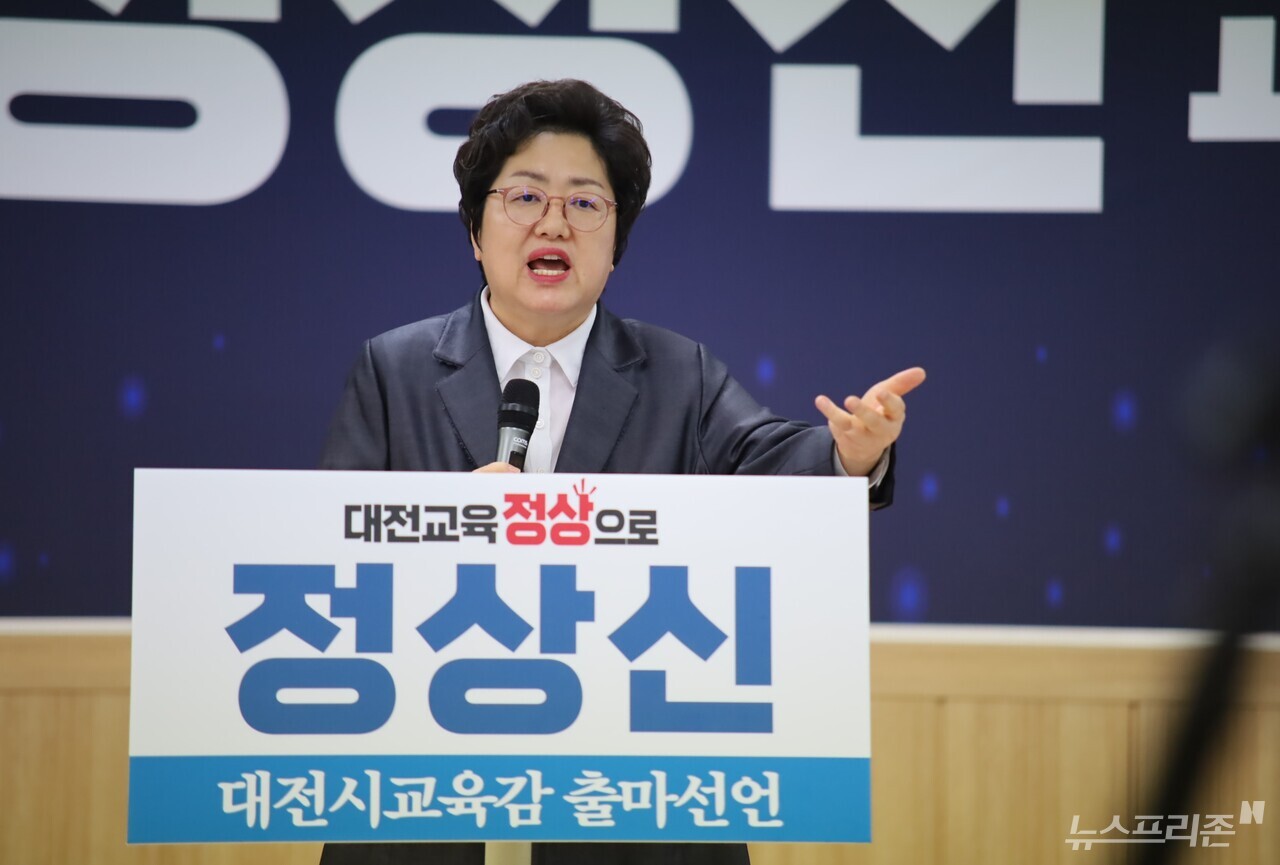
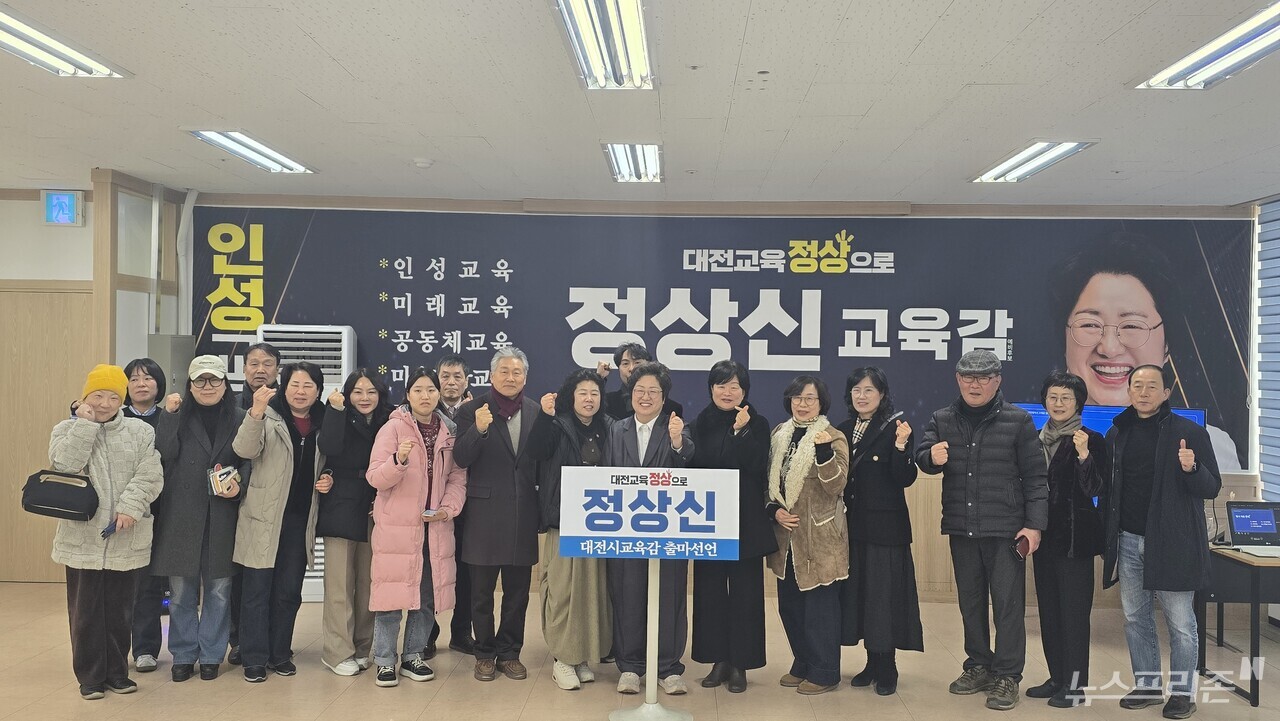
Jeong Sang-shin officially launched his campaign for Daejeon City Superintendent of Education, unveiling his plan to fundamentally transform Daejeon’s education system through a ‘responsible education’ framework centered on character development.
At a press conference in his campaign office, Jeong stated, “Daejeon’s current education system has lost its essence amidst parental anxiety, teacher burnout, and administrative inefficiency. It’s time to shift towards an education that tackles problems head-on rather than avoiding them.”
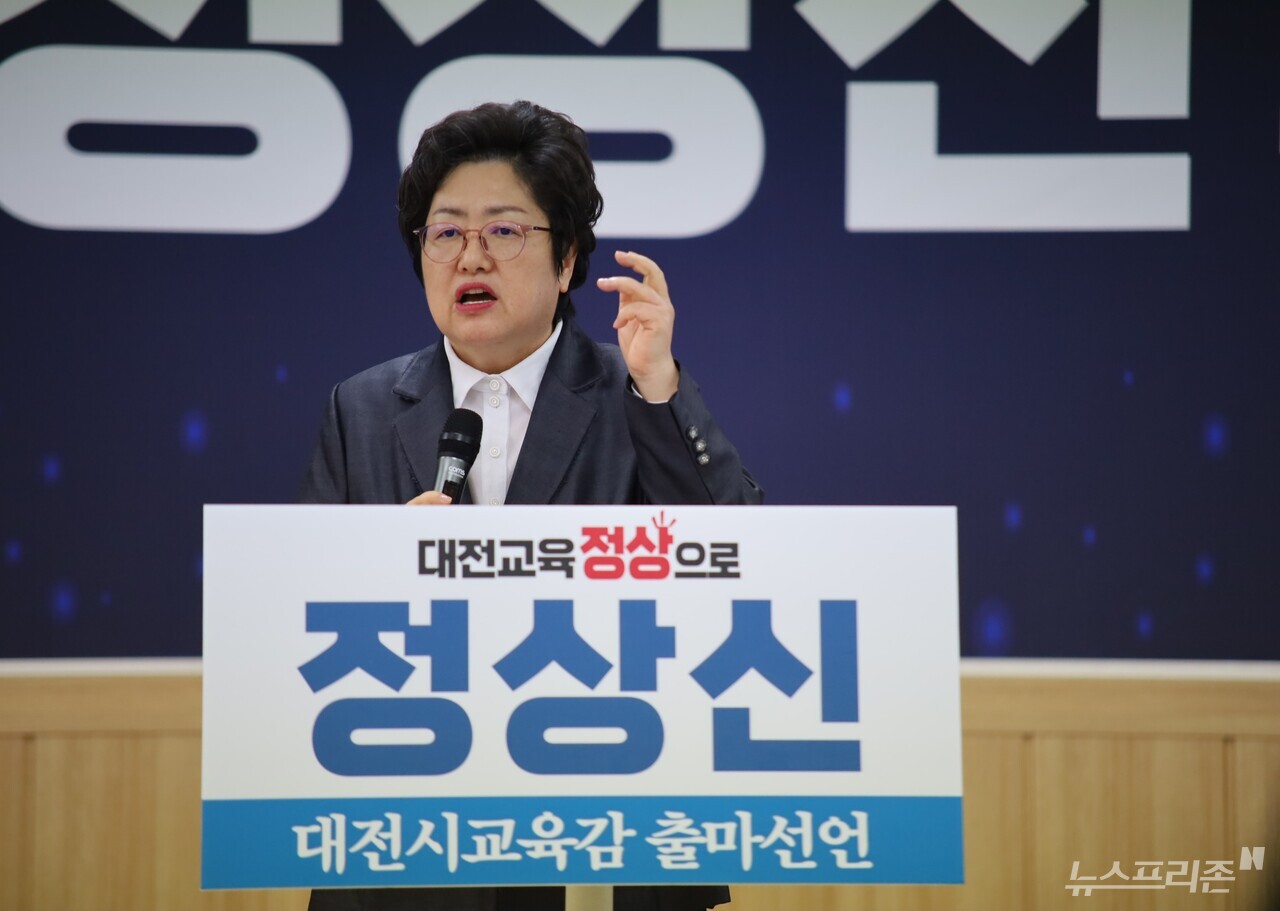
Jeong first assessed the current educational landscape, noting, “Parents are concerned about their children’s futures due to unclear education policies and an exam-centric system. Teachers struggle to fulfill their core responsibilities because of excessive administrative duties and complaints. The education office also fails to address field-level conflicts and future challenges promptly.”
To overcome these issues, Jeong proposed five key initiatives: character education, future-oriented education, community-based education, mental health education, and educational administration reform.
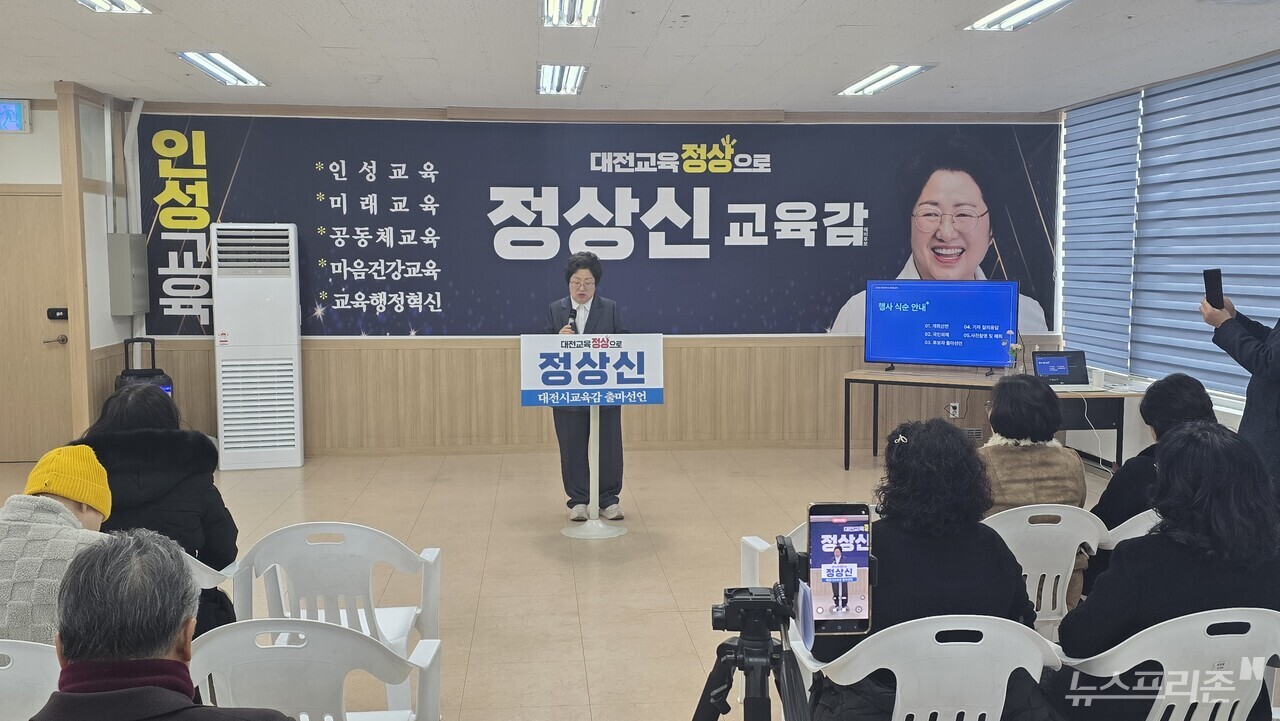
Regarding character education, Jeong explained, “Over the past three decades, our achievement and competition-focused education has led to serious issues, including generational communication breakdown and weakened community spirit. The most crucial foundation for our children’s future is proper character development.”
On future-oriented education, he emphasized, “We need to move beyond grades and test scores to nurture creativity, analytical skills, resilience, self-motivation, and lifelong learning abilities. By leveraging Daejeon’s educational, scientific, and social infrastructure, we’ll transform the city into a national leader in cultivating future talent.”
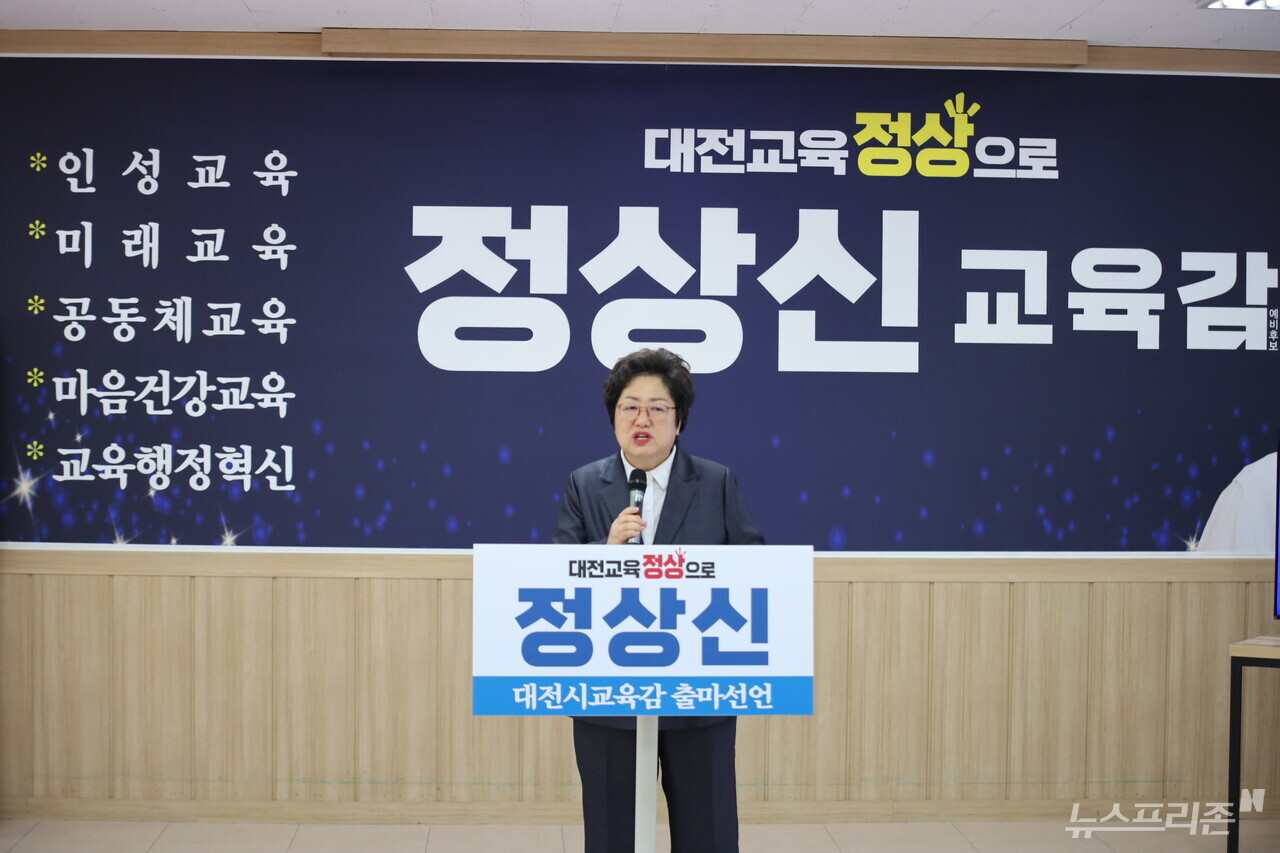
Jeong also addressed concerns about career guidance and college admissions. “The fact that parents of high school students are relying on expensive private consultations out of anxiety shows that the education office is neglecting its responsibilities,” he stated. “We will alleviate parents’ burdens and worries by implementing a systematic, public-oriented approach to career and college admission guidance.”
Regarding community education, Jeong highlighted the childcare gaps resulting from the rise in dual-income households. “Schools alone cannot fully support our children,” he noted. “We’ll establish a comprehensive care and education ecosystem that involves the entire community, benefiting children, teachers, and the education system as a whole.”
Jeong also pointed out that “approximately 18% of Daejeon students require counseling,” emphasizing that “mental health education is our most pressing, albeit less visible, challenge.” He pledged to bolster psychological and emotional support systems for both students and teachers.
To reform educational administration, Jeong proposed establishing district-level education offices and implementing data-driven management practices. “The current education office structure lacks the capacity and will to lead effectively,” he stated. “Through administrative restructuring and fostering innovation centered on communication, we’ll create an education system in Daejeon where teachers and students are the true focal points.”
In closing, Jeong reiterated, “I will actively seek input from citizens and education professionals to shape our policies. My goal is to be a superintendent who builds Daejeon’s education system hand in hand with its residents.”












Most Commented