
2028 Busan-Gyeongnam Administrative Integration: What Do Residents Really Think? Survey Results Inside!
Daniel Kim Views
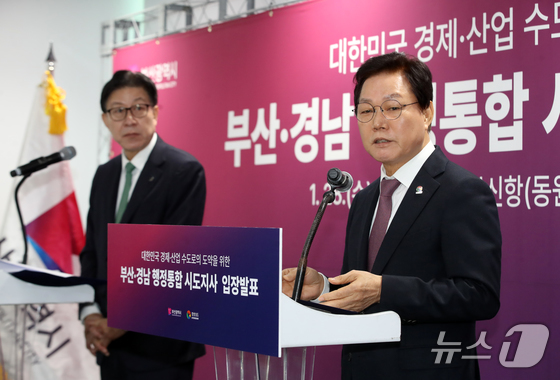
Gyeongnam Province has responded to the proposal by Kim Kyung-soo, chairman of the Presidential Committee for Balanced National Development, who urged for swift administrative integration between Busan and Gyeongnam through a large-scale public opinion survey. The province stated that they will pursue a proper integration rather than a hasty administrative merger.
In a statement issued on the 10th, Gyeongnam Province explained that while the government had initially pushed for integration before the June local elections, recent statements from the Prime Minister and the Minister of the Interior and Safety indicate a shift towards “avoiding artificial promotion” and favoring “substantive discussions.” The province emphasized that this change validates their longstanding focus on quality over speed.
The province further clarified that since the government has assured there will be no disadvantages regarding the timing of integration, they will diligently prepare for a well-planned merger. They warned that a rushed administrative integration could not only delay development by over two decades but also threaten Gyeongnam’s very existence.
Gyeongnam officials noted that while the integration bill is being discussed in the National Assembly following local council consultations, conflicts have emerged due to hasty integration efforts. They cited the example of Daejeon City Council’s resolution urging a resident vote for the Daejeon-Chungnam merger. The province pledged to learn from these cases and pursue an administrative integration that truly benefits its residents and advances Gyeongnam’s interests.
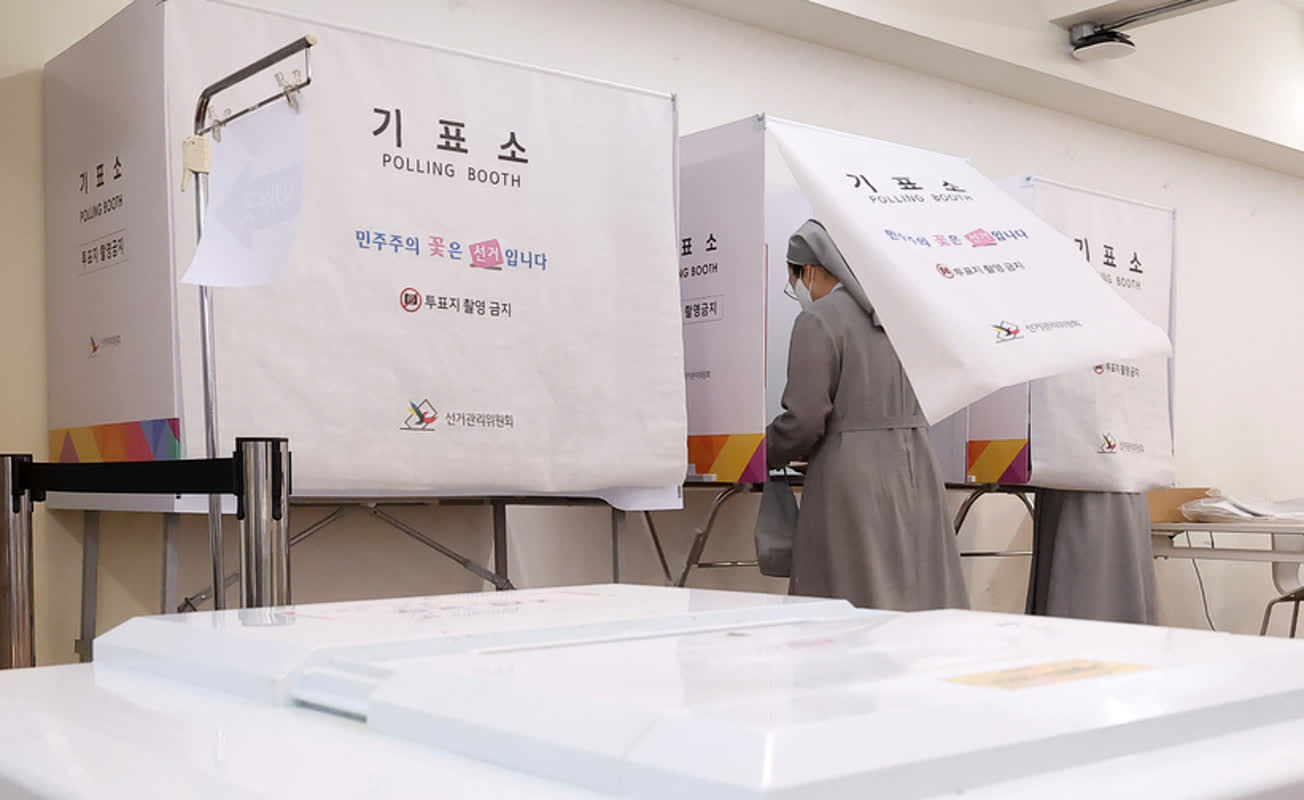
The province argued that the dissolution or merger of local governments directly impacts residents’ lives, which is why the Local Autonomy Act mandates local council input or resident votes. They asserted that public opinion surveys, while useful, cannot replace the legally required procedures of a resident vote.
Gyeongnam officials stressed that even if 51% of residents agree based on survey results, a formal resident vote is necessary to ensure legitimacy. They pointed out that their own administrative integration public forum survey showed 75.7% of residents strongly prefer a referendum for the final integration decision.
Earlier, Chairman Kim visited the provincial council and warned that delaying the Busan-Gyeongnam administrative integration until 2028 is not just a two-year setback but a dangerous choice that could hinder Gyeongnam’s progress for over two decades. He urged both Busan City and Gyeongnam Province to reconsider their integration timeline.
Chairman Kim acknowledged the need to confirm residents’ opinions on the integration but questioned the necessity of a resident vote costing over 400 million KRW (approximately 300,000 USD). Instead, he proposed conducting a large-scale public opinion survey to gauge residents’ views, with the results to be approved by the local council.














Most Commented