
Why Sustainable Music Venues Matter: Lessons from the ‘Soviet Style Applause’ Experience
Daniel Kim Views
Translation result.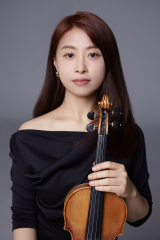
When I lived in Russia, I went to concerts almost every evening: conservatory students’ recitals, intimate salon performances, and small shows at museums. Most were free, and they felt like part of the day rather than special events.
There was always someone in the front row. At the music’s most beautiful moments, he would turn his head slightly and look back, as if checking that the feeling wasn’t only his.
After a performance, applause would swell. At first the clapping was scattered, then it settled into a single steady beat: clap. clap. clap. clap. People called it the “Soviet-style clap.” No one started it on purpose, yet everyone fell into the same pace. That applause wasn’t mere cheering—it was evidence that the room shared the same emotion.
That difference wasn’t about taste. There, music was a recurring part of life, not an occasional spectacle, and the emotion it stirred didn’t stay private—it moved naturally from person to person.
Today our venues are getting bigger. Facilities are better, programs are broader, and public support has grown. We still respond deeply to strong performances. But shows rarely build on one another; one experience seldom leads to the next. Local musicians don’t have enough steady stages. Instead of accumulating, experiences scatter.
Maybe what we need isn’t more concerts but durable structures. If local musicians could perform regularly—not just appear in big-hall productions—concerts would stop being fleeting moments and become cumulative experiences.
We need continuity: the same performer returning, and new performers following in turn. Small, low-pressure shows that anyone can drop into should run regularly, and local artists, students, and faculty should naturally share stages.
That will require more than larger budgets; it will require systems that let performances endure. Booking and administration must be far simpler, and municipalities should provide steady, reliable opportunities for local musicians.
I still remember that clap—the “Soviet-style clap.” In that simple rhythm was a clear lesson: art isn’t complete when felt alone. It comes alive when people respond together, in the same tempo.










Most Commented