
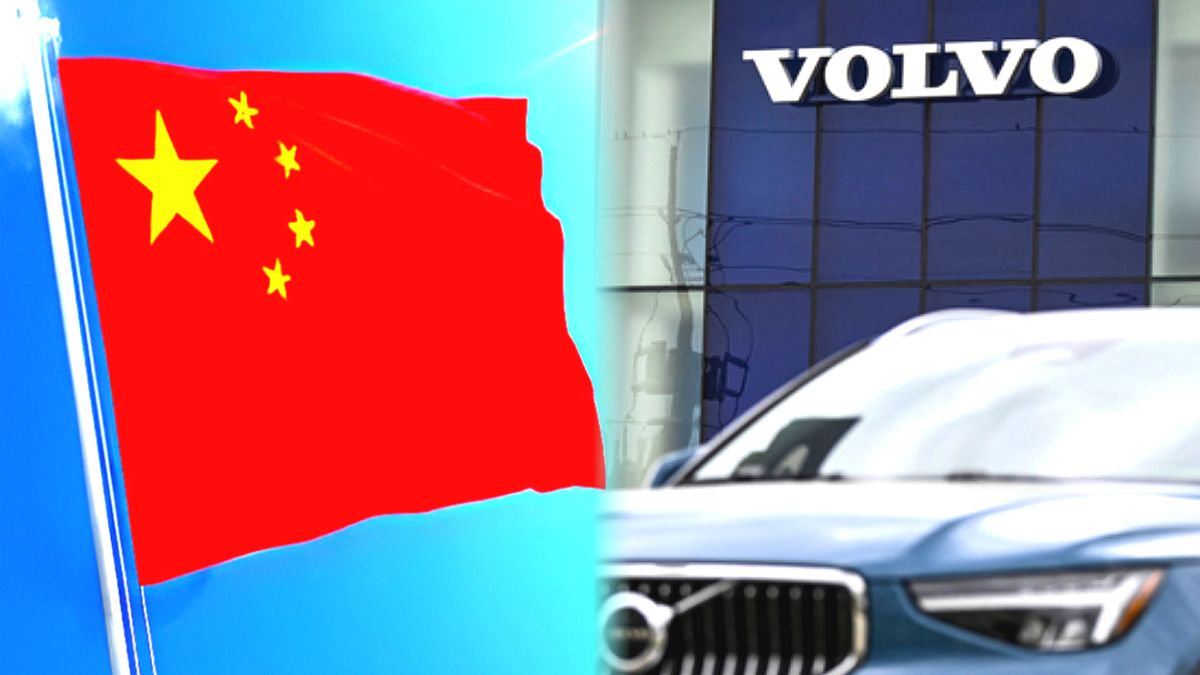
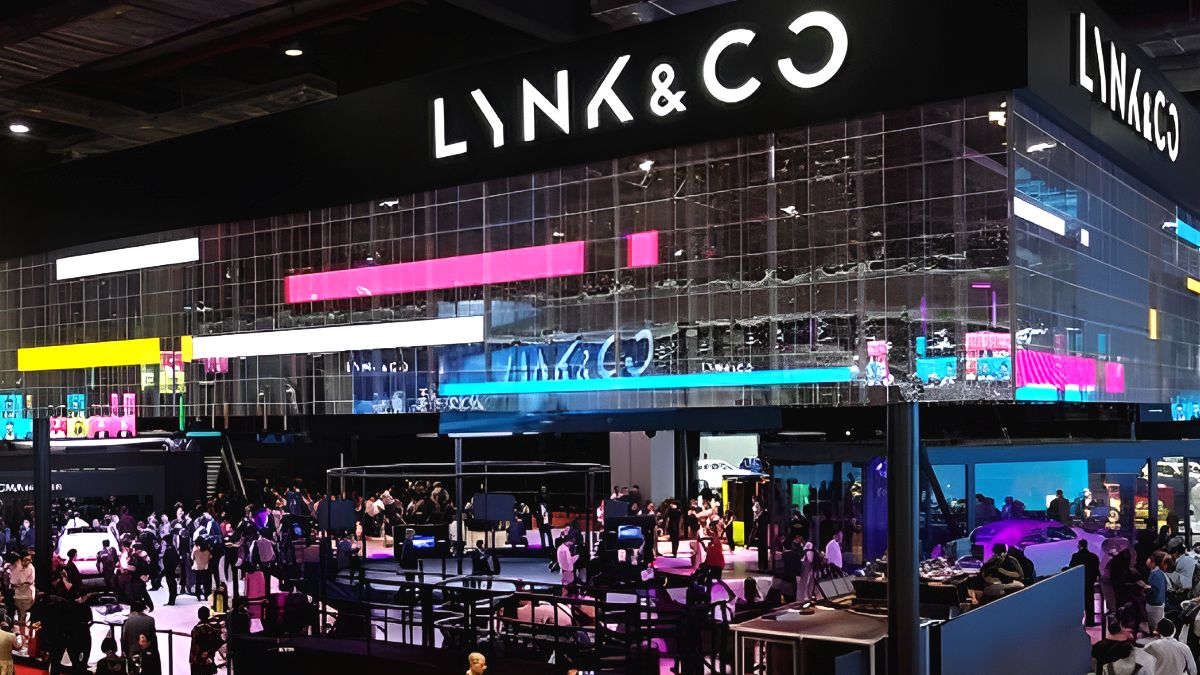
Volvo Cars and Lynk & Co, a brand under China’s Geely Auto, have signed an MOU for a commercial partnership in Europe, a move that has captured the industry’s attention.
Under the agreement, Volvo will act as Lynk & Co’s exclusive importer and distributor across Europe, leveraging Volvo’s dealer network and after-sales service channels to sell Lynk & Co’s EV models.
Some industry observers worry this could let Chinese EVs carry Volvo’s Swedish badge and be perceived as European-made.
Legally, however, a vehicle’s country of origin can’t be “washed.” The partnership statement makes clear ownership structures remain unchanged, and Geely continues to lead Lynk & Co’s core processes—design, development and certification.
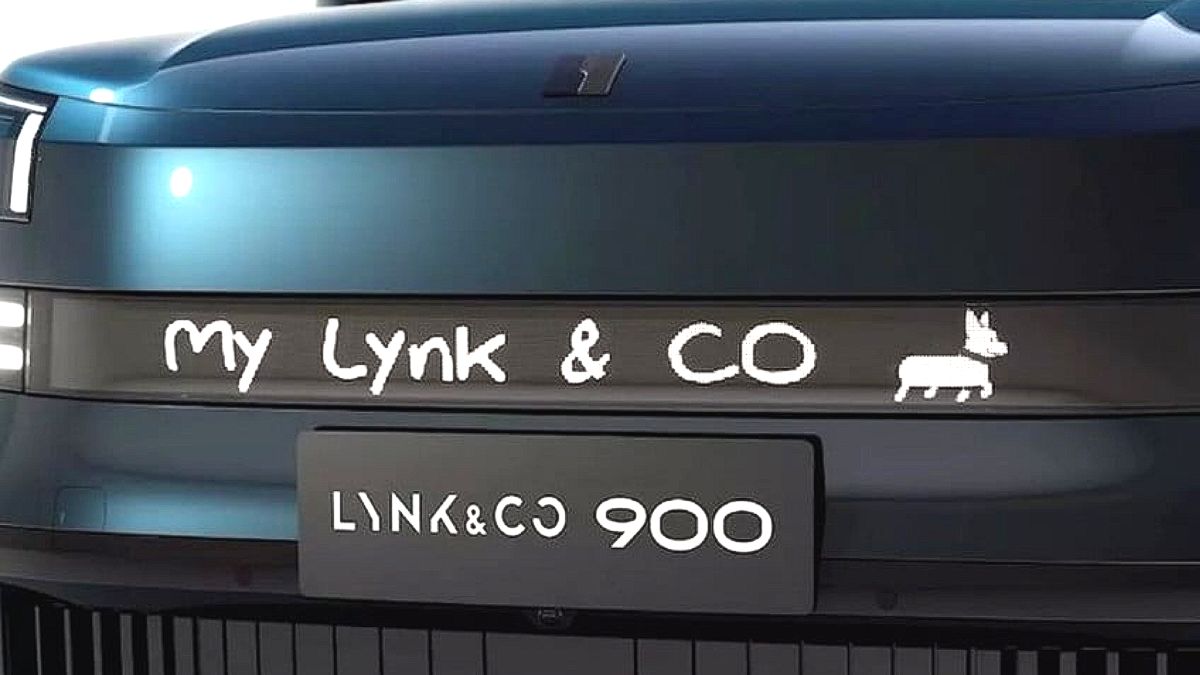
But the picture changes when you consider consumers’ perception of origin.
By folding a Chinese brand into Volvo’s established European brand and distribution system, Lynk & Co effectively localizes its presence and image across Europe.
A smart, low-barrier ‘soft-entry’ strategy
The partnership is a telling example of how a Chinese automaker is seeking a soft landing in Europe amid intensifying EU scrutiny of Chinese EVs.
European buyers’ chief concern isn’t performance; it’s the absence of a reliable service network and certainty about resale values—questions like, “Where will I get it serviced?” and “What will it be worth on the used market?”
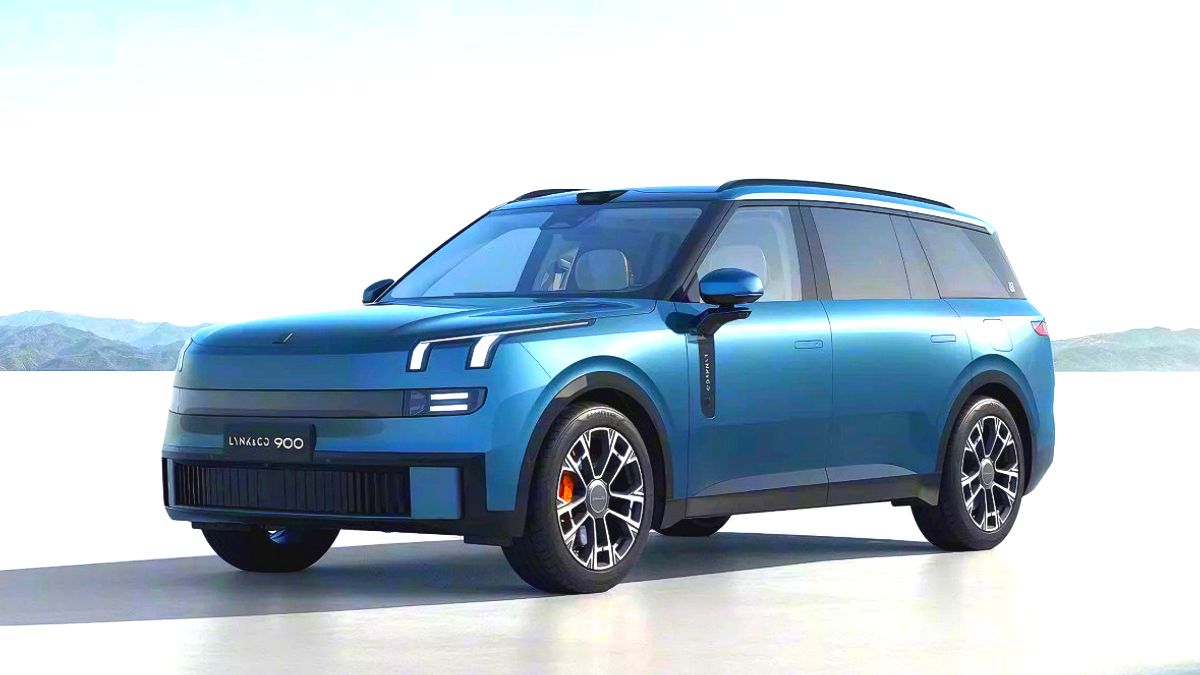
To date, Lynk & Co’s European strategy—centered on subscriptions and direct online sales—hit scaling limits.
Through this partnership, Lynk & Co stops being an unfamiliar Chinese marque and becomes a vetted family brand you can buy at a Volvo showroom and have serviced at a Volvo center.
That’s a far smarter—and more threatening—market-entry tactic than simply undercutting on price.
For Volvo, the deal can help offset sluggish global sales and give dealers a fresh revenue stream, making the arrangement mutually beneficial.
A new global threat in the auto market — and Korea’s challenge
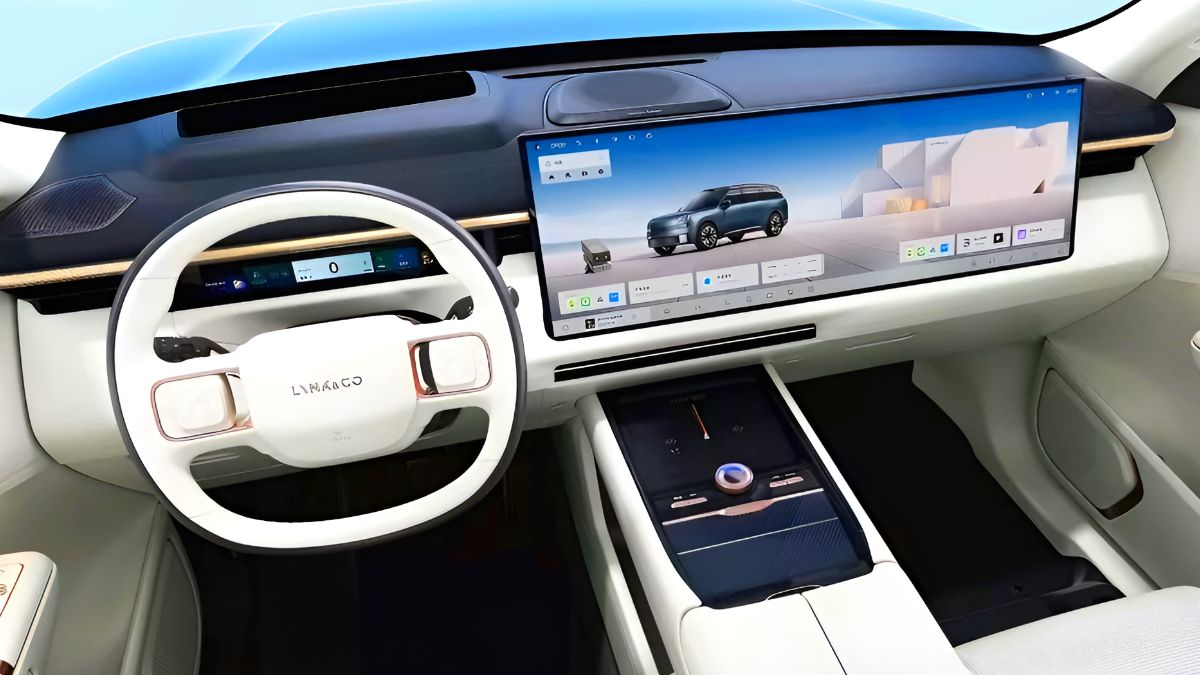
Backed by Volvo’s dealer network, Lynk & Co’s move could reverberate across Europe and other major global markets.
To sidestep or soften the EU’s high countervailing duties on Chinese EVs — currently 18.8% for the Geely Auto Group — the group is likely to promote not only battery-electric vehicles but also plug-in hybrid (PHEV) models and other variants tailored to European tastes and regulations.
This form of indirect localization presents a new challenge for Korean brands such as Hyundai and Kia, which are already fighting for market share in Europe.
Where Chinese automakers once competed mainly on price, they are now combining with established Western service infrastructures and even pursuing upmarket positioning.
Beyond simple value, reinforcing uncompromising driving performance and a distinctive brand heritage will be the most effective defenses against this subtle Chinese “auto Trojan horse.”











Most Commented