
Translation result
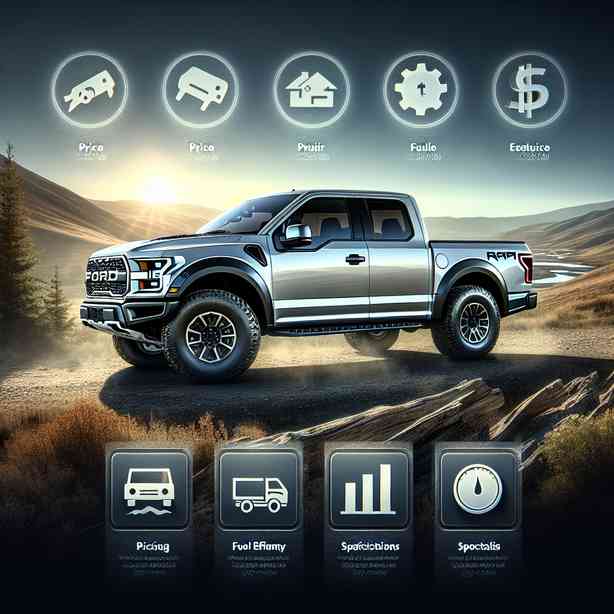
2026 Ford F-150 Raptor refresh: Pricing, fuel economy and specs
The 2026 Ford F-150 Raptor has emerged as one of the most talked-about off‑road pickups, combining muscular performance with modern technology. The updated Raptor raises the bar for buyers who want serious off‑road capability without sacrificing everyday usability. Below, we break down the refresh’s pricing, fuel economy and key specifications to help prospective buyers decide which configuration fits their needs.
Pricing strategy and trim highlights for the 2026 Ford F-150 Raptor
Ford tightened pricing across the Raptor lineup for 2026. The base Raptor starts at about $79,000 in North America, a modest increase over the outgoing model. Ford counters the bump with upgraded off‑road hardware, enhanced safety equipment and additional tech. At the top end, the Raptor R—with a supercharged V8, heavy‑duty off‑road suspension and electronic locking differentials—lands near $112,000.
Ford expanded the trim ladder and added specialized packages to broaden buyer choice. The standard Raptor includes 35‑inch off‑road tires, Fox rebound suspension and HYBE‑lit LED headlamps. The performance‑oriented Raptor R steps up to 37‑inch tires, carbon‑fiber interior trim, heated and cooled seats and a dedicated sport exhaust.
Final sticker prices depend heavily on options. Adding a premium audio system, adaptive cruise control, a panoramic sunroof or off‑road navigation can tack on more than $10,000. Ford markets region‑specific packages, so total purchase price will vary by dealer and market.
Strong demand may lead some dealers to apply markups or priority fees. Prospective buyers should confirm factory allocation, wait times and dealer charges before committing.
Fuel economy and efficiency
As a high‑performance off‑road pickup, the Raptor’s fuel economy trails conventional full‑size trucks, but Ford improved efficiency with this refresh. The standard Raptor is powered by a 3.5‑liter twin‑turbo V6 EcoBoost and posts a combined rating of roughly 18 mpg (about 7.6 km/L). That’s about a 5% improvement over the previous generation, driven by refined fuel injection, transmission tuning for the 10‑speed automatic and other calibrations.
The Raptor R uses a 5.2‑liter supercharged V8, which delivers prodigious output but returns combined fuel economy near 13 mpg (about 5.5 km/L). Given the Raptor R’s focus on maximum performance, that trade‑off is expected.
Ford added several fuel‑saving technologies across the line: variable valve timing, cylinder deactivation, improved aerodynamics and greater use of aluminum for weight savings. Transfer‑case logic and electronic controls help limit fuel use during certain off‑road scenarios.
Selectable drive modes let owners prioritize efficiency or capability. Eco mode adjusts engine, transmission and climate‑control behavior to reduce consumption. Baja and Off‑Road modes bias power and torque for performance, which lowers fuel economy.
Real‑world economy varies with terrain, driving style and payload. On long highway runs, drivers can expect roughly 18–19 mpg (around 8 km/L). In harsh off‑road conditions or stop‑and‑go urban traffic, figures can fall into the 11–14 mpg (5–6 km/L) range.
Buyers for whom fuel costs are a major concern should match trim and options to their driving profile and annual mileage.
Key specifications and hardware
The 2026 Raptor is large: about 19.4 ft long (5,910 mm), 7.2 ft wide (2,195 mm) and 6.55 ft tall (1,995 mm), riding on a 145.5‑in (3,695 mm) wheelbase. Ford pairs a high‑strength aluminum body with steel reinforcements to balance weight savings and structural durability.
Under the hood, the standard unit is a 3.5‑liter twin‑turbo V6 EcoBoost rated at roughly 450 hp and about 510 lb‑ft (70.5 kg·m) of torque. The Raptor R packs a 5.2‑liter supercharged V8 producing around 720 hp and roughly 640 lb‑ft (88.5 kg·m). Both engines mate to a 10‑speed automatic and standard four‑wheel drive to deliver capability across terrain types.
Suspension is a Raptor hallmark: double wishbones up front, a multi‑link rear setup, Fox Live Valve shocks and an electronic rebound control system that respond instantly to surface changes. The shocks automatically adjust damping during off‑road driving to balance comfort, handling and body control.
Stopping power comes from large Brembo calipers and performance pads to maintain stable braking at speed and under heavy load.
The base tire package includes 35‑inch all‑terrain tires, with 37‑inch BFGoodrich all‑terrains available on higher trims. Wheels are 17‑inch beadlock‑capable alloys as standard, with multiple finishes offered.
Ford rates payload at up to about 2,866 lb (1,300 kg) and towing capacity near 13,228 lb (6,000 kg), sufficient for campers, jet skis and large trailers. The bed includes a 120V/400W power outlet, tie‑down hooks, a bed liner and LED lighting for convenience.
The cabin features a 12‑inch (or larger) touchscreen infotainment system, a full digital instrument cluster, premium Bang & Olufsen audio, 360‑degree surround cameras and wireless charging. Seats combine high‑density foam, leather and suede with fine‑tuning for position and cushion comfort.
Off‑road capability and advanced systems
Ford engineered the Raptor around off‑road control and driver aids. Trail Control and Trail One‑Pedal Drive help drivers maintain precise speeds on rough trails. Trail Control functions like off‑road cruise control, holding a set speed so the driver can focus on steering; Trail One‑Pedal Drive lets the accelerator manage both acceleration and deceleration for fine low‑speed control.
The AWD system includes an electronic locking differential and a Torsen front differential to maximize traction on slippery or steep terrain. Ground clearance reaches up to about 12.6 in (320 mm), with approach and departure angles near 32.5° and 24.4°, respectively.
Underbody skid plates protect the engine, transmission and fuel tank from rocks and debris. Ford reinforced the frame, applied underbody sealing against dust and water, and improved electrical sealing to resist environmental exposure.
Driver assists include adaptive cruise control, lane‑keeping assist, blind‑spot monitoring, automated emergency braking and trailer backup assist. When towing, the system monitors trailer load and steering angle in real time to help maintain stability.
The infotainment system supports OTA updates so navigation, software and connected services stay current. It also supports smartphone integration and wireless Apple CarPlay and Android Auto, plus remote start, remote diagnostics and voice recognition.
Design and user experience — inside and out
Outside, the Raptor emphasizes toughness and motion with a large black mesh grille, powerful LED headlamps, dedicated off‑road bumpers and wide fender flares. Air scoops, hood vents, skid plates and bold badging complete the aggressive off‑road look.
Inside, Ford balances premium materials with functionality. Carbon‑fiber or aluminum trim accents the dash and doors, and controls work even when wearing gloves. Front seats offer 10‑way power adjustment, massage, memory and three‑level heating and cooling to reduce fatigue on long trips.
The rear bench seats three adults comfortably with generous legroom and headroom. Folding the rear seats expands cargo capacity for larger gear and recreational equipment.
The digital instrument panel displays vehicle status, off‑road information, navigation and fuel economy in real time. The infotainment interface supports touch and voice commands and offers an intuitive UX.
Ford improved cabin sound insulation with laminated glass, noise‑cancellation features and high‑density acoustic materials to keep conversations clear at highway speeds or on rough terrain.
Safety and aftersales support
Ford built the Raptor to meet high safety standards. A high‑strength frame and eight airbags are standard, along with high‑performance ABS, electronic stability control (ESC), trailer sway control and rollover sensors.
The Raptor earned top marks in crash testing and includes forward‑collision assist, rear cross‑traffic alert, emergency braking support, driver inattentiveness warnings and automatic high beams.
Ford supports ownership with a global dealer network and maintenance programs that enable fast repairs and parts availability. OTA updates let Ford continue improving vehicle functions after purchase.
Warranty coverage includes powertrain protection for 5 years / 100,000 km (about 62,137 miles) and basic coverage for 3 years / 60,000 km (about 37,282 miles). Ford also offers select parts replacement and roadside assistance.
Closing: pricing, fuel economy and specs for the 2026 Ford F-150 Raptor
The refreshed 2026 Ford F-150 Raptor tightens the package for off‑road pickups. Strong performance, advanced tech, improved efficiency and competitive pricing strengthen Raptor’s position. Fuel‑efficiency gains, class‑leading powertrains, robust off‑road hardware and refined interior and exterior design make it a compelling choice for trail enthusiasts and daily drivers alike.
Compared with rivals, the 2026 Raptor delivers strong overall value across price, fuel economy and specifications. Use this guide to match trims and options to your needs; Ford appears set to keep the F‑150 Raptor at the forefront of the pickup market.














Most Commented