
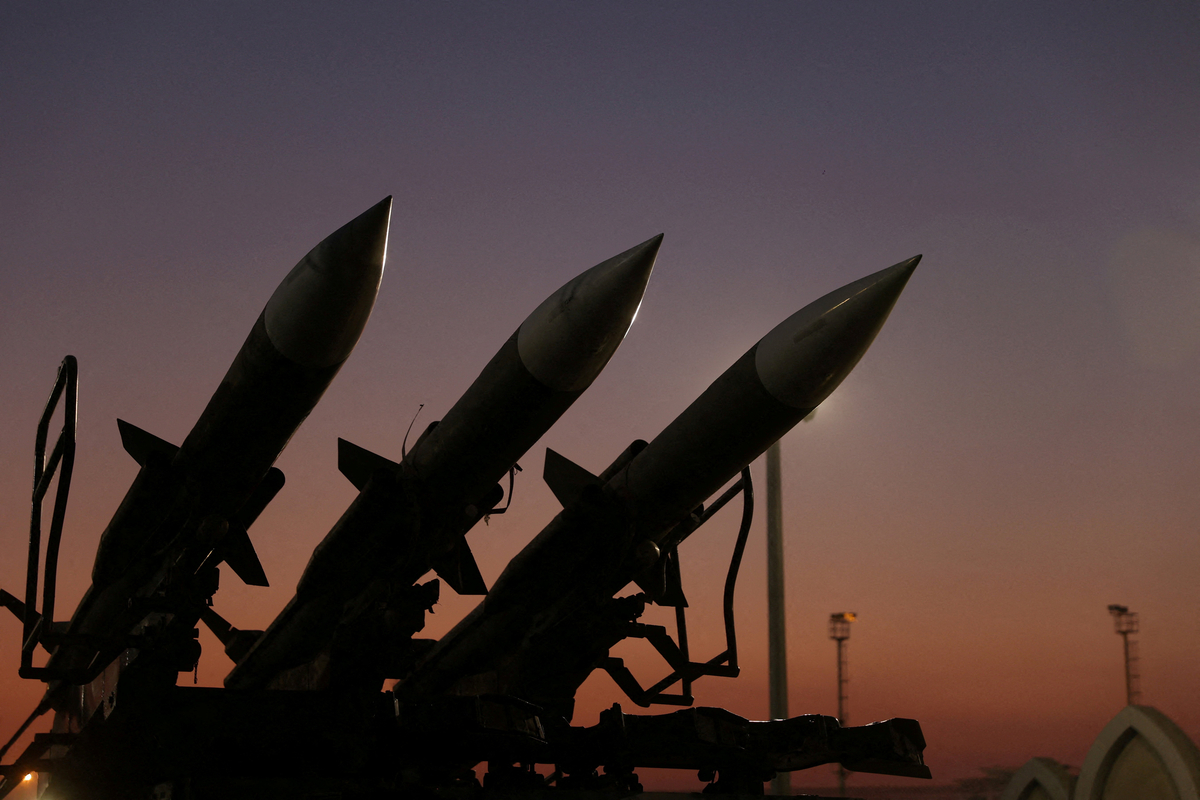
 U.S. and Israeli airstrikes struck Iran’s underground missile complexes, inflicting heavy damage. Since the ceasefire, however, Tehran has deployed heavy equipment and crews to reopen buried tunnel entrances and repair most damaged access roads.
On the 30th (local time), CNN’s analysis of satellite imagery found that 50 of 69 tunnel entrances at Iran’s underground missile facilities had been reopened. During the conflict, U.S. and Israeli forces had aimed to neutralize Iran’s long‑range missile capability by bombing access roads to underground sites and collapsing tunnel mouths.
Following the ceasefire, Iran moved quickly to rebuild. Satellite images show that at a missile site near Dezful, four of five underground entrances are open again. Buried tunnel mouths at bases near Isfahan and Khomein have also been cleared, and most roads damaged by strikes appear to be back in service.
Analysts say the recovery underscores limitations in the U.S. and Israeli air campaign. Sam Lair, a researcher at the James Martin Center for Nonproliferation Studies at the Middlebury Institute, said Iran still maintains substantial missile stockpiles. “If it secures launchers and trained crews, it can continue firing missiles even if production is halted,” he said.
Former U.S. President Donald Trump had listed degrading Iran’s missile forces as a key goal during the campaign. U.S. and Israeli strikes targeted missile bases, production plants and other nodes across the supply chain. Still, experts estimate Iran may continue to store roughly 1,000 missiles in underground facilities.
Some sites are built beneath hundreds of meters — several hundred meters — of rock, raising the possibility that surface strikes did not inflict catastrophic damage. U.S. intelligence officials have also assessed that Iran has resumed drone production and is restoring missile launchers and manufacturing capacity. “Iran is rebuilding its missile capabilities faster than U.S. intelligence expected,” one official said.















Most Commented