
Translation result
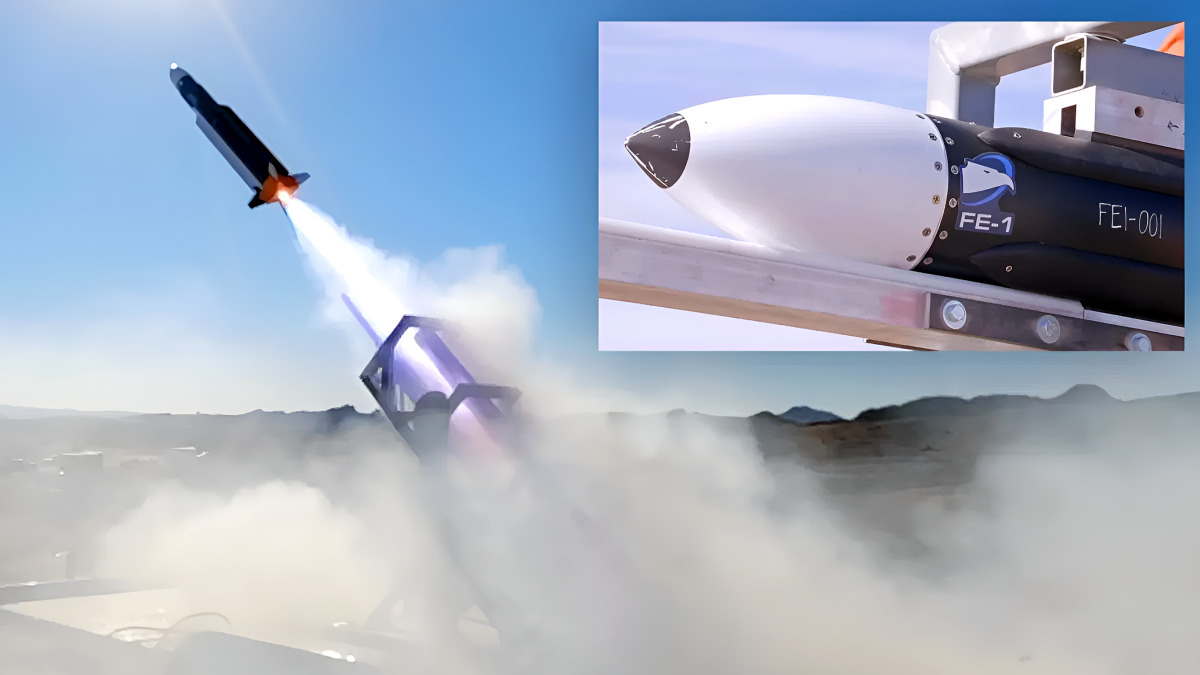
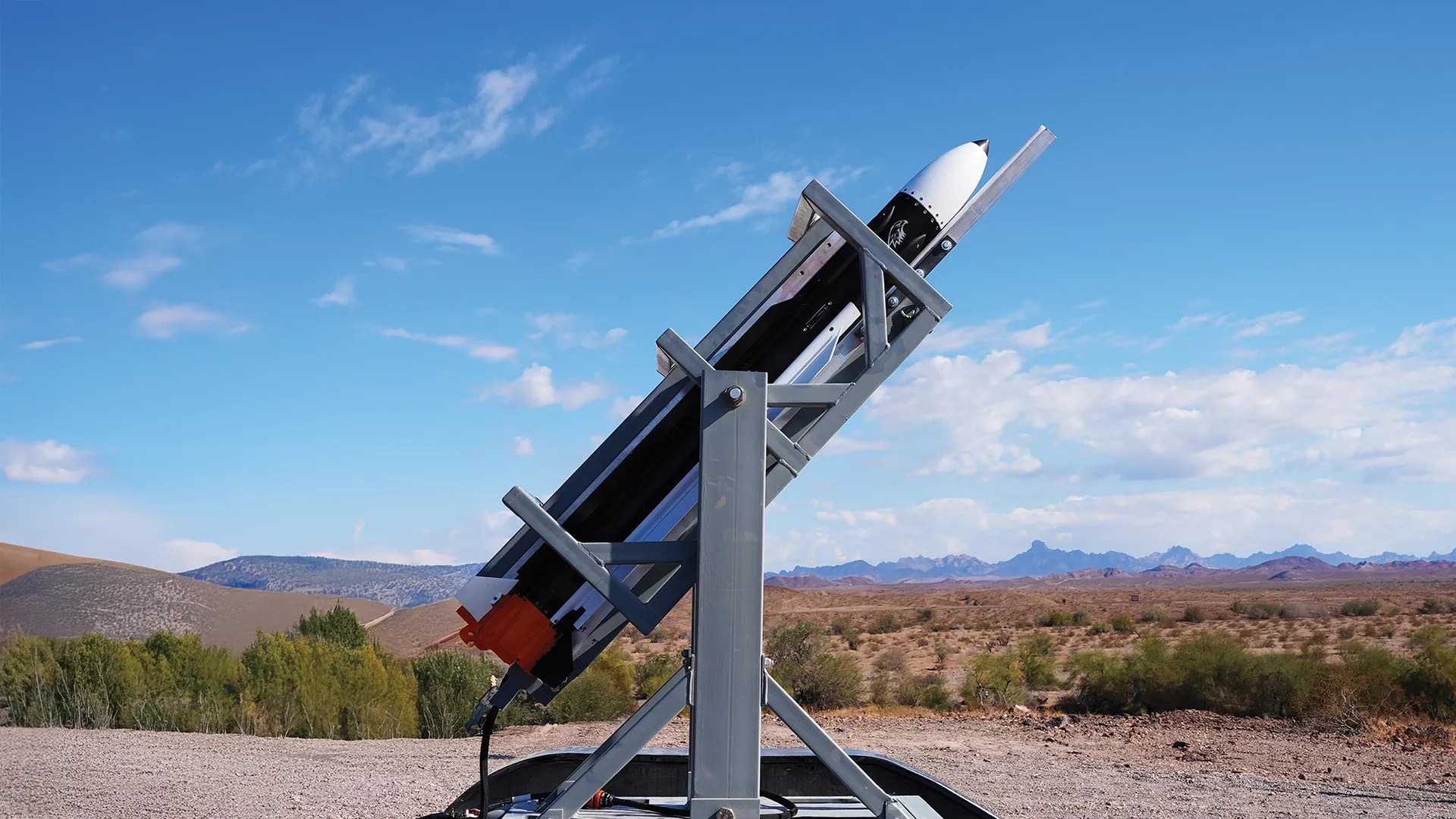
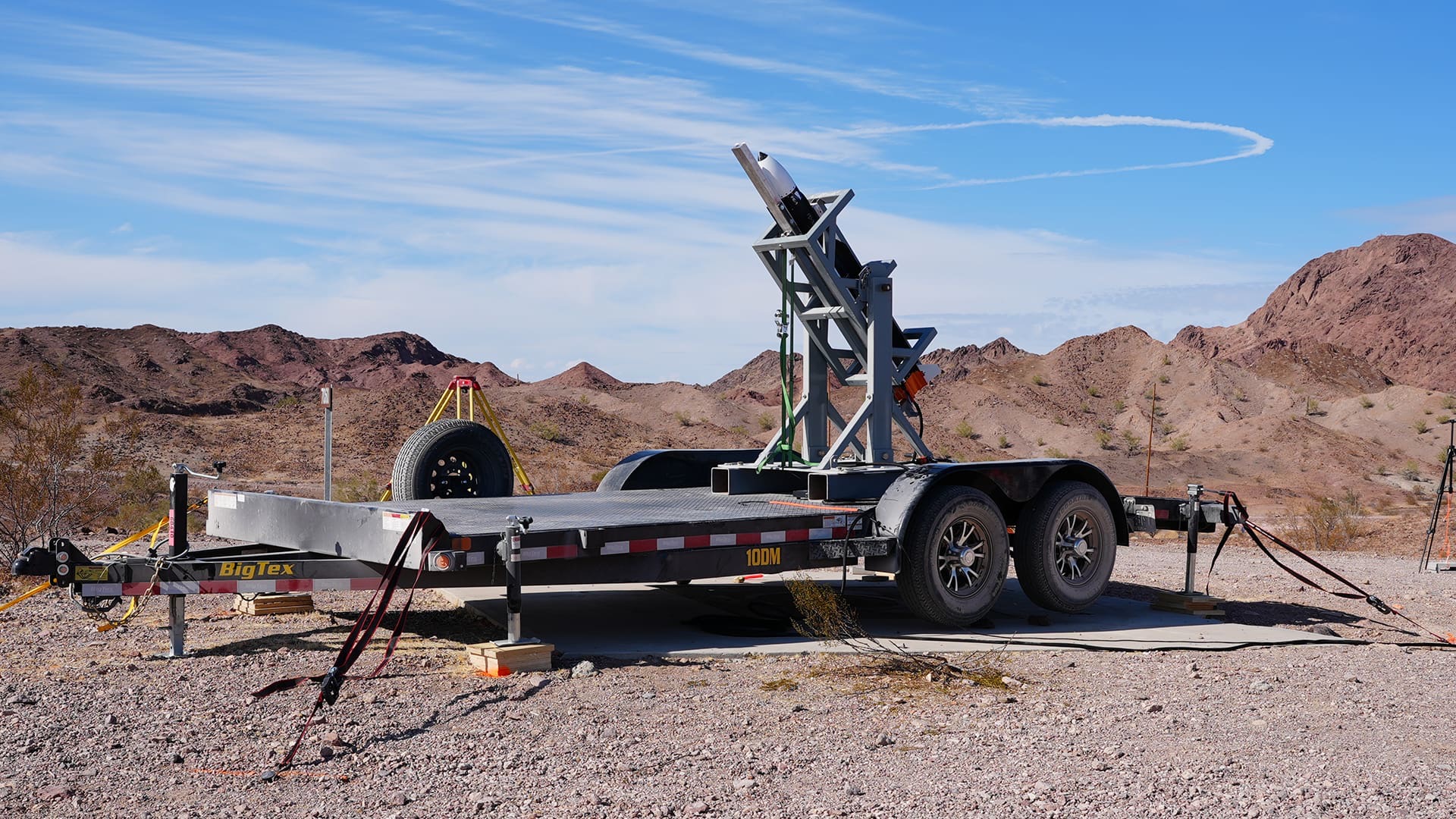
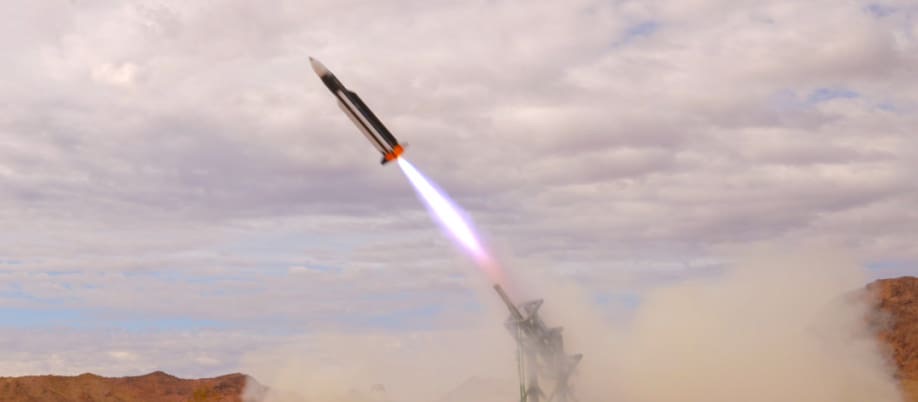
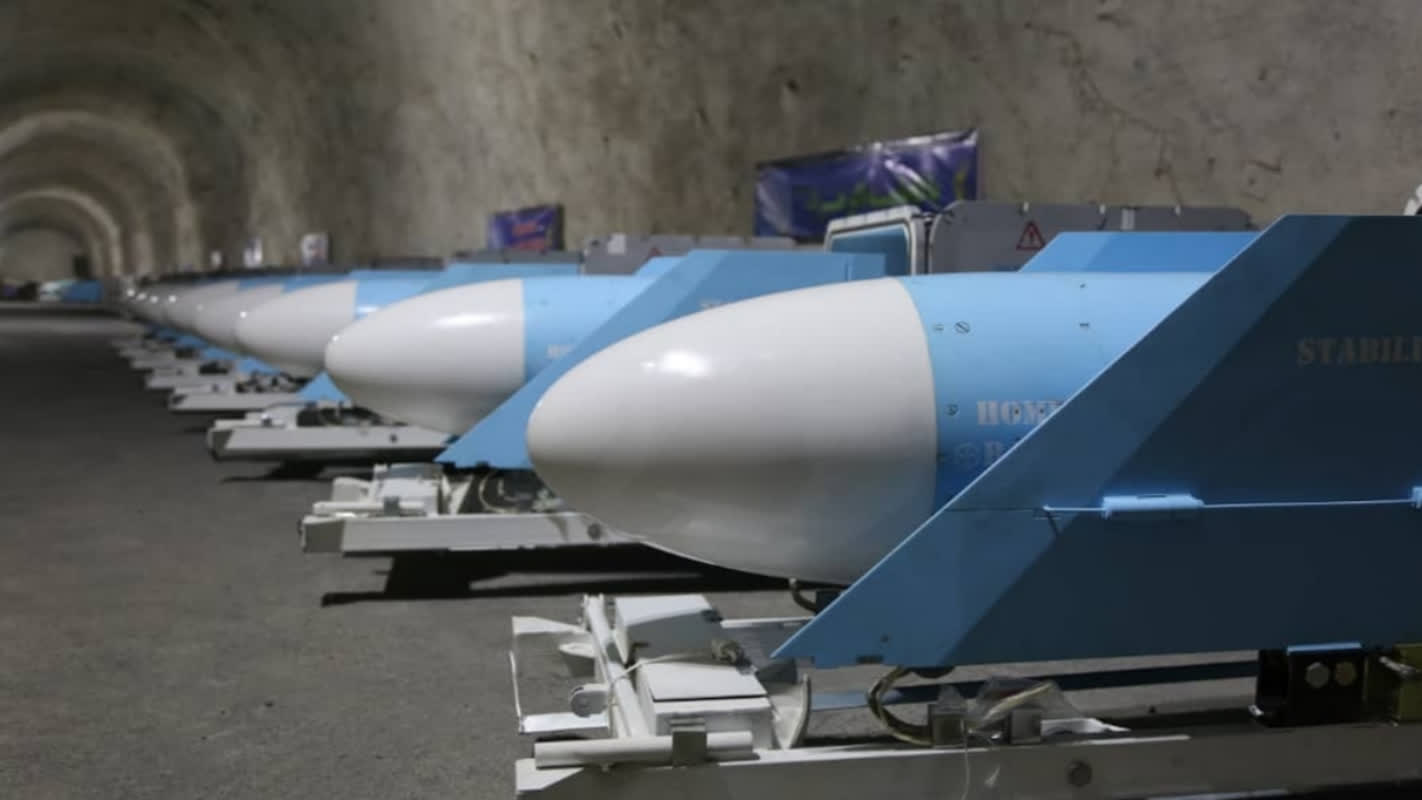
U.S. defense contractor AeroVironment has secured US$20.2 million (approximately 30.4 billion KRW) government investment to expand production of its counter‑drone missile, the Freedom Eagle‑1.
At current exchange rates, that amount is roughly 30.4 billion KRW (approximately US$20.2 million).
The funding will be applied at AeroVironment’s Huntsville, Alabama, facility to ramp up initial low‑rate production and accelerate the transition to full‑rate mass manufacturing.
The Huntsville plant is slated to serve as the primary hub for systems integration, manufacturing and overall production of the Freedom Eagle‑1.
A race to speed missile production to counter low‑cost drones
Conflicts in Ukraine and the Middle East have made clear the destructive punch and cost efficiency of small loitering munitions and swarming drones.
The challenge is affordability on the defensive side: it’s not sustainable to shoot million‑dollar interceptors at enemy drones that cost only tens of thousands of dollars.
Non‑kinetic tools such as lasers and electronic warfare remain important, but in poor weather or at extended ranges commanders still need kinetic interceptors that physically collide with and destroy threats.
That operational reality is a key reason the U.S. military is moving to speed production of the Freedom Eagle‑1.
In drone warfare, the limiting factor often isn’t technology — it’s how fast you can produce weapons at scale.
On a busy battlefield, dozens of drones can appear in a single day. Even a highly capable interceptor is useless if units don’t have enough inventory to employ it.
This injection of funding is intended to move the program from initial low‑rate production to full‑rate manufacturing, providing forces with the stockpiles they need for immediate, sustained use.
AeroVironment made its name in unmanned systems and loitering munitions. Since acquiring BlueHalo, the company has significantly expanded into counter‑drone systems and missile development.
Finding practical answers for defending Korean airspace
The U.S. is prioritizing investment in this missile not only to field a capable weapon but to build an industrial base able to defend continuously against proliferating drone threats.
That challenge is immediate for South Korea, which has long faced incursions by North Korean UAVs and struggles to detect and track small drones.
Seoul’s military is weighing layered defenses — electronic warfare, lasers, autocannons and missiles — but the hardest calculation remains aligning a target’s cost with the expense of interception.
It will be important to watch how quickly the Huntsville facility scales to mass production and how commanders integrate these missiles with existing laser and electronic‑warfare systems.
Trending now
- “As soon as Trump’s China trip ended…” Four‑country maritime surveillance network tightens China’s leash, raising alarm
- “Simultaneous pressure across China is a sure loss…” Why the U.S. Air Force even pulled in cargo planes
- “We’re overhauling a 40‑year‑old air‑defense network”… U.S. ‘QuadStar’ missile test draws South Korea’s attention












Most Commented