
Translation result
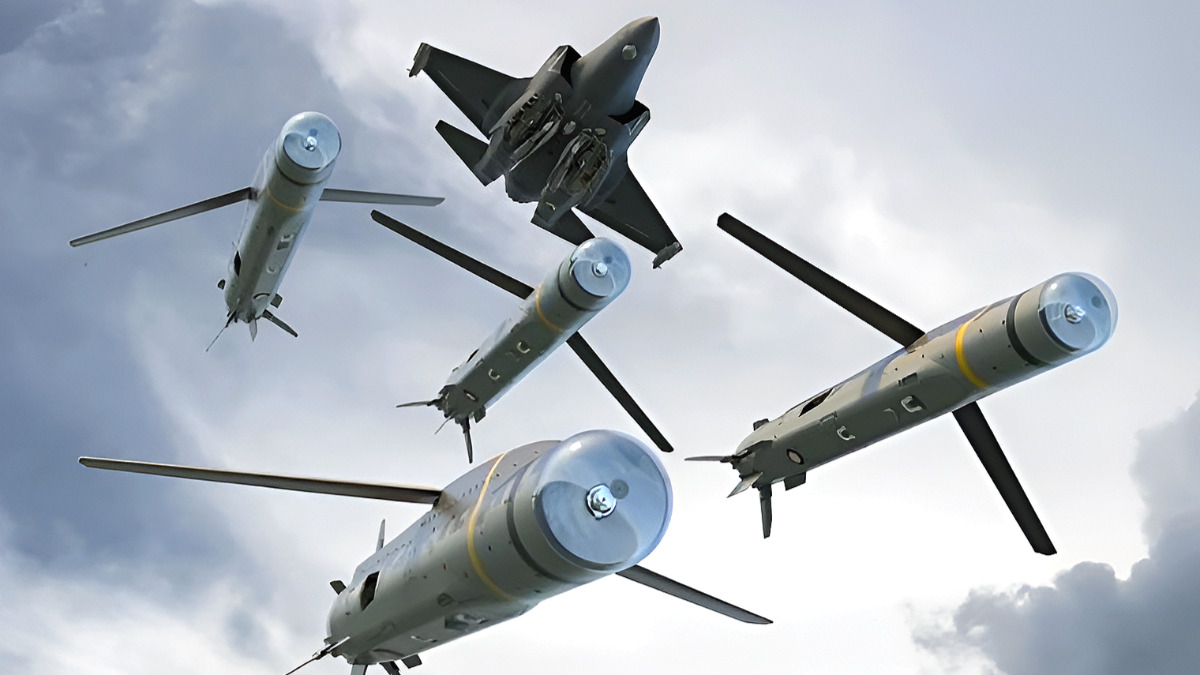
A UK-configured F-35B completed its first flight test carrying four SPEAR 3 precision-strike missiles in its internal weapons bay.
Conducted at Patuxent River Naval Air Station in Maryland, the trial was focused on collecting flight data with the missiles stowed internally and on validating release procedures and mission-system integration — not a live-fire launch.
The SPEAR 3 is a turbojet-powered precision weapon in the roughly 100 kg class. It features folding wings and a multimode seeker. Published figures put its range beyond 100 km, and the Royal Navy says it can engage targets at more than 140 km, making it a high-subsonic standoff munition.
For stealth penetration missions, externally carried weapons increase an aircraft’s radar cross-section, so key munitions are preferably carried internally. Smaller missiles let platforms maintain a low-observable profile while engaging more targets in a single sortie.
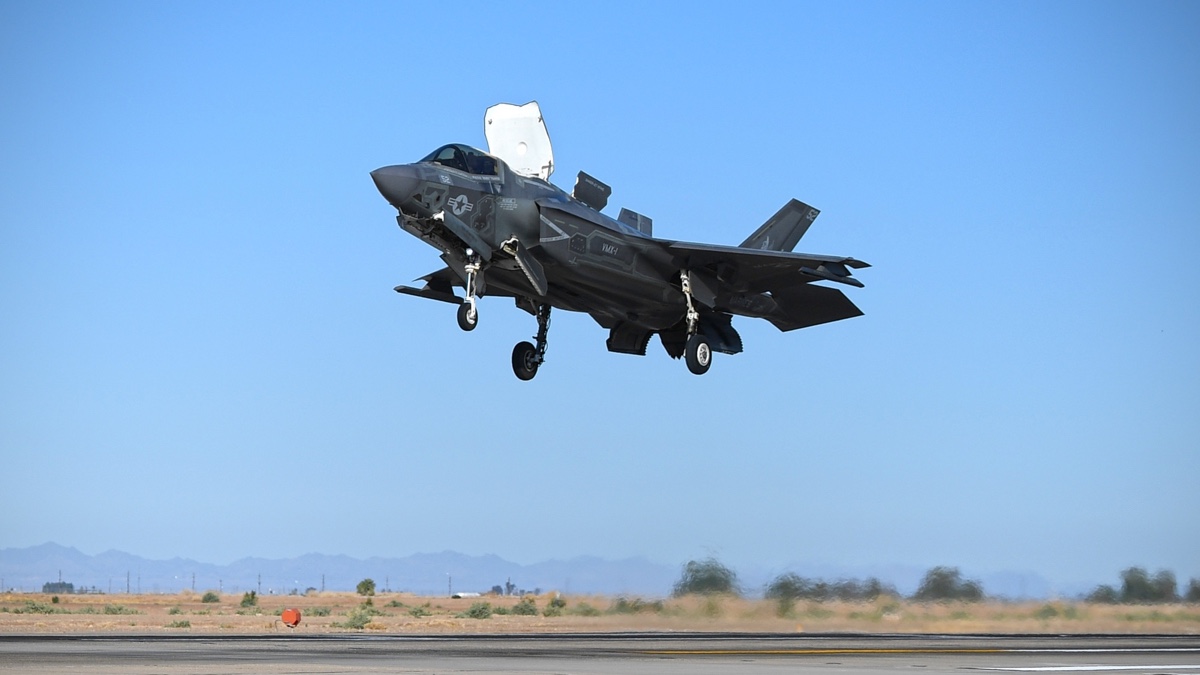
The F-35B’s STOVL design imposes inherent limits on payload and fuel. SPEAR 3 offers a way to mitigate those constraints, letting the jet preserve stealth characteristics while extending its reach.
Small but Deadly: A Key Player in Electronic Warfare
An aircraft can carry up to eight SPEAR 3s in its internal bay, enabling massed salvoes optimized for overwhelming an adversary’s air defenses. That capacity supports complex missions that strike and degrade multiple nodes simultaneously.
Britain’s investment in SPEAR 3 is also about operational independence — reducing reliance on U.S. munitions so London retains control over strike authorizations and supply in a crisis.
Introduce a DRFM-based electronic-warfare variant, SPEAR-EW, and the calculus changes. That version can jam enemy radars or generate false targets, complicating detection and engagement decisions across air-defense networks.
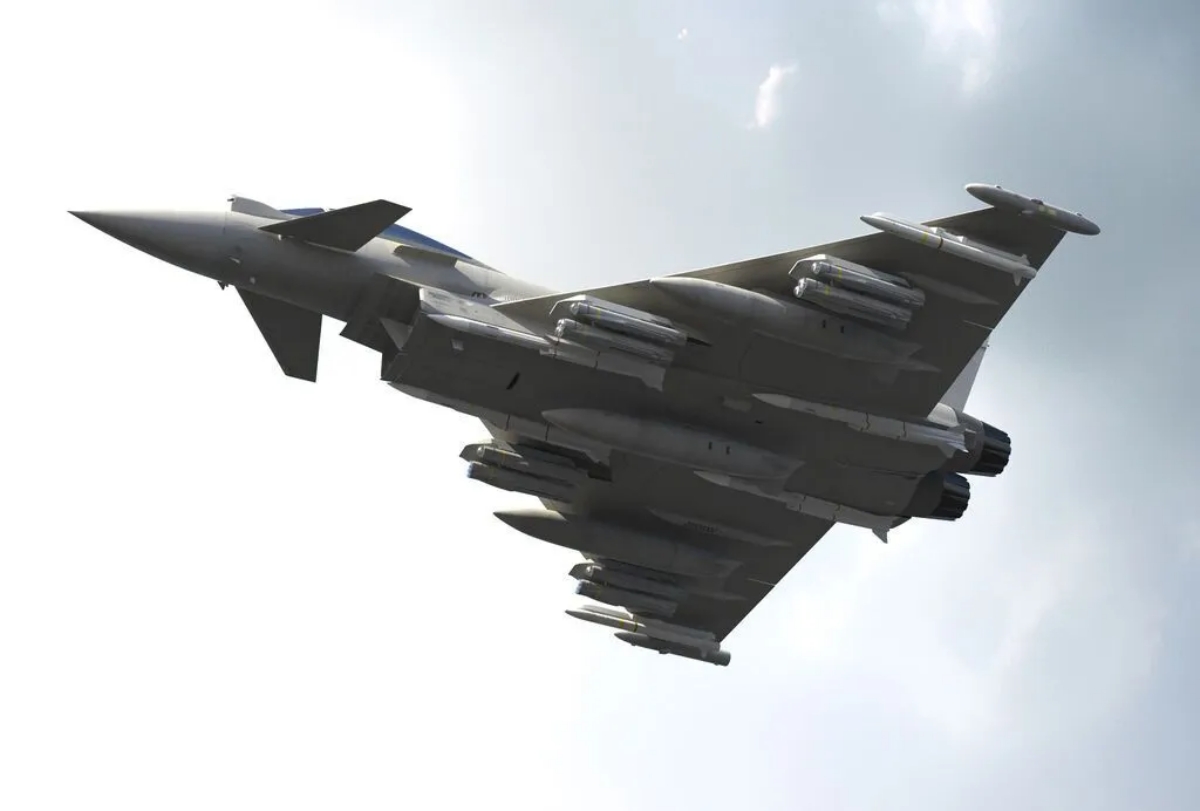
Traditionally, suppressing enemy air defenses required close coordination between dedicated EW assets and strike aircraft. An F-35B that carries both SPEAR 3 and SPEAR-EW can collapse that chain into a single sensor-to-shooter package: detect, deceive or jam, then strike.
While the system is not optimized for defeating deep underground bunkers, it is highly effective at severing critical battlefield nodes such as radar trucks and mobile command posts.
Shifting Warfare Paradigms and South Korea’s Challenge
When SPEAR 3 is operational, British carriers could shift from primarily air-support platforms to independent strike hubs capable of delivering precise, long-range attacks from outside enemy air-defense envelopes.
If fighters can unsettle targets without entering high-risk zones, an adversary faces a stark dilemma: switch radars on and risk detection, or keep them off and cede situational awareness.
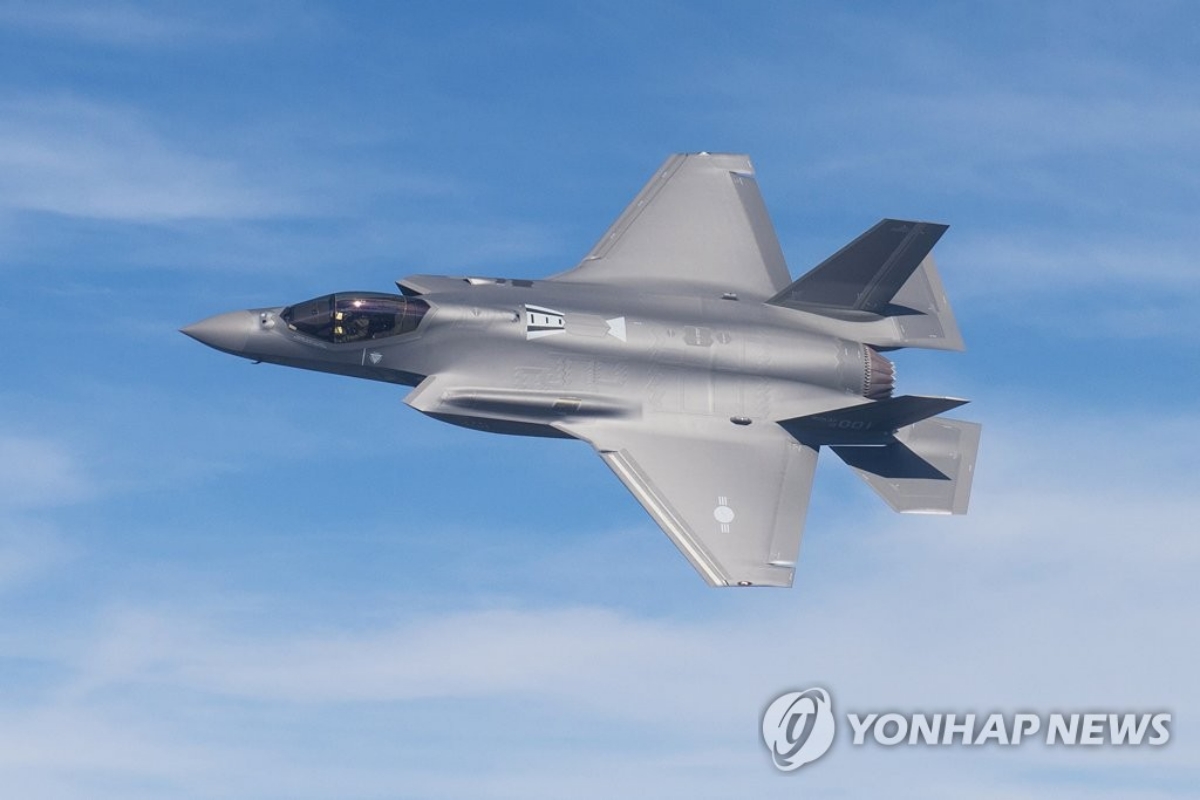
The shift carries clear lessons for the Republic of Korea Armed Forces. Relying solely on large missiles to defeat North Korea’s dense air defenses and mobile launchers (TELs) has clear limits.
Seoul needs to accelerate development of long-range precision munitions and an EW ecosystem optimized for low-observable platforms, building on KF-21 air-to-ground upgrades and F-35A operational experience. Small, stealth-preserving precision weapons and networked EW capabilities are critical.
The era of simply scaling up missile size and warhead power is over. Effective deterrence today depends on miniaturized, long-range weapons integrated with real-time networked sharing.
Trending Now
- “We were blind for five years” — The UK’s emptied skies exposed glaring air-defense gaps
- “Almost war without guns?” — Russia trailed submarines to harvest their ‘noise patterns’
- “The humiliation of flashy defense tech?” — Why a U.S. special-operations commander warned, “Never trust it”















Most Commented