
Translation result

U.S. Army Special Operations Command has shifted how it employs its core infiltration platforms—the MH-60M and MH-47G—moving toward smaller, elite crews and a greater emphasis on stealth.
With enemy integrated air-defense systems becoming denser and more capable, the old model of massing large aircraft for an assault increasingly risks catastrophic losses.
The 160th Special Operations Aviation Regiment, the \”Night Stalkers,\” specializes in low-level, nocturnal infiltration. But on modern battlefields—where advanced thermal imagers and shoulder-fired air-defense missiles are widespread—the inherent slow speed and acoustic signature of helicopters are serious vulnerabilities.
To address that, the U.S. military is prioritizing technologies that simultaneously reduce acoustic, thermal and electromagnetic signatures. Success in special operations now hinges less on how many troops you can lift and more on how quietly you can thread the needle through an enemy radar network.
Advanced radar and high-power engines: slimming hardware down to survive
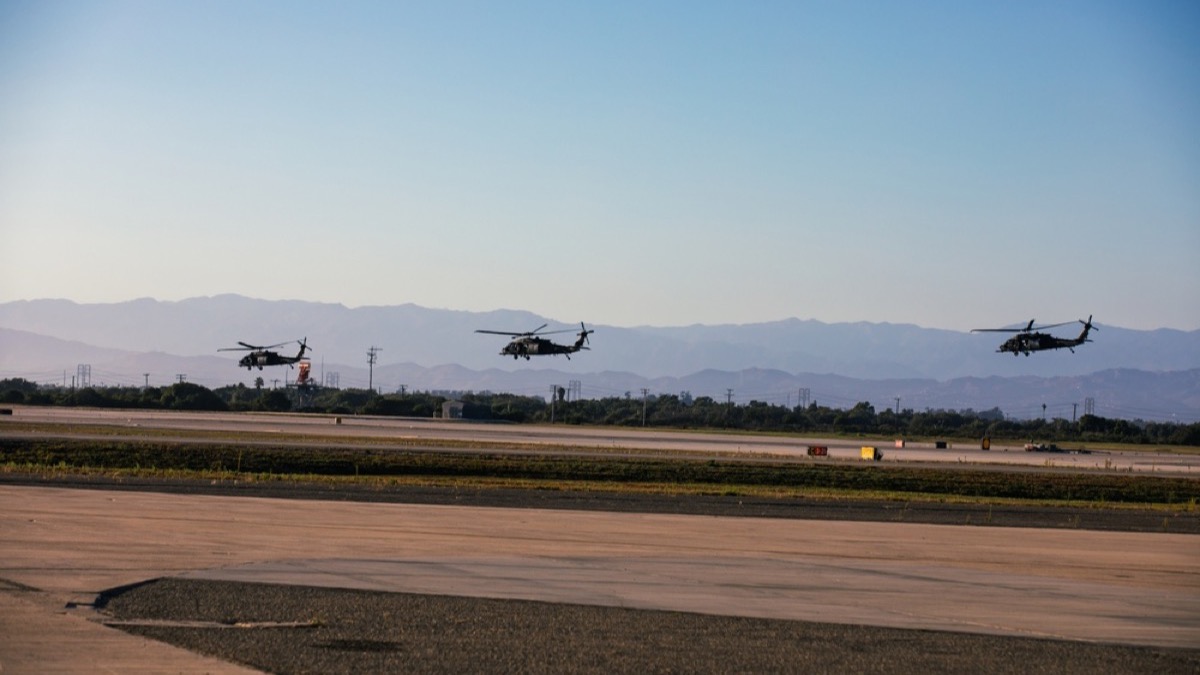
The latest MH-60M upgrades include the AN/APQ-187 \”Silent Night\” terrain-following radar to support low-altitude, night flight.
The radar supplies terrain-following and terrain-avoidance data in darkness and adverse weather, making it a critical enabler for low-observable penetration.
But packing advanced sensors and systems adds weight, eroding range and agility. To compensate, the Army plans to field the ITEP T901 turbine for Black Hawk-family aircraft—delivering roughly 50% more power than the legacy T700 while improving fuel efficiency.
The force is also moving toward manned-unmanned teaming. Drones will push forward first to identify air-defense nodes and, where possible, suppress or deceive enemy radars, allowing helicopters to expose themselves only briefly during ingress.
Paradigm shift for Peninsula infiltration tactics: data now matters more than speed
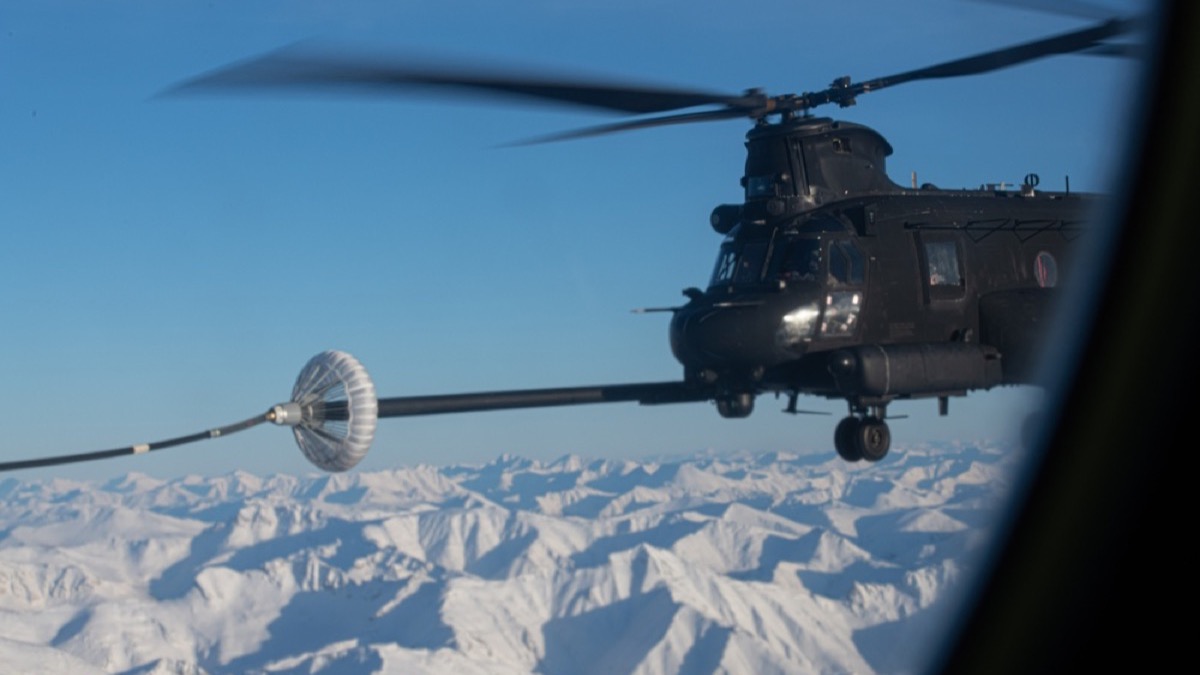
This shift in U.S. special-operations aviation carries a pointed message for South Korea’s special-operations forces. The Peninsula’s rugged, densely forested mountains and North Korea’s extremely thick air-defense network make helicopter infiltration especially hazardous.
South Korea’s special-operations helicopter modernization should not stop at more speed. Electronic-warfare suites to counter jamming, high-fidelity night sensors, and low-detect communications must be integrated into a single, interoperable system.
Tomorrow’s special-operations helicopters will function less as pure transports and more as compact electronic-warfare nodes that process battlefield information. Survival will depend on real-time analysis of drone-sent landing-zone feeds and the ability to deceive nearby enemy radars.
The era of massed air raids is fading. Modern special-operations aviation favors a handful of elite airframes, escorted by unmanned systems, operating with precision and discretion. Deceiving the enemy with data and completing missions in tightly timed windows is the new formula for success.
Trending Now
- It crashes with a bang but revives a month later…The U.S. military’s drastic move that even tore up procedures to counter China
- After seeing the hell of the Ukraine war, they’re overhauling everything…Why South Korea can’t treat this as someone else’s problem
- A Hellfire missile that costs hundreds of millions of KRW (approximately tens of thousands of USD) is now a luxury…The U.S. Marines’ new cost-conscious tactics












Most Commented