
Translation result.
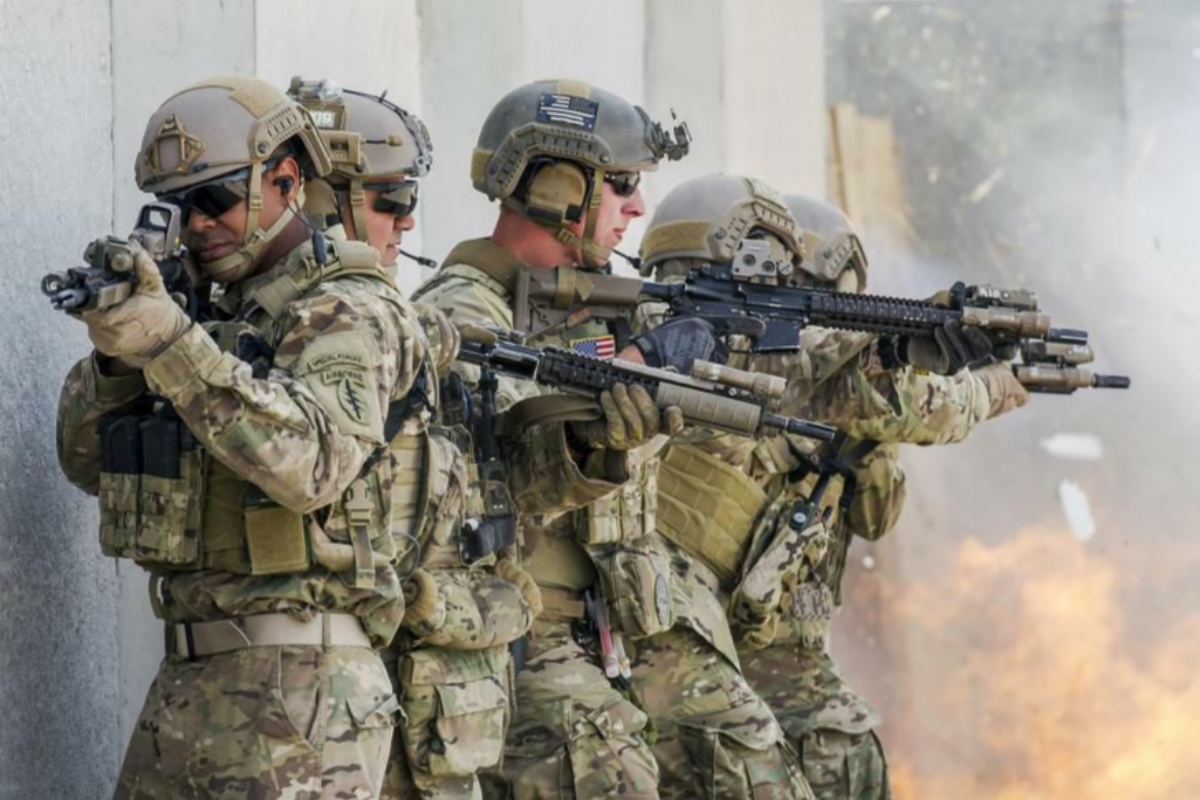
The ‘Special of the Special’ That Rules Over Other Special Forces
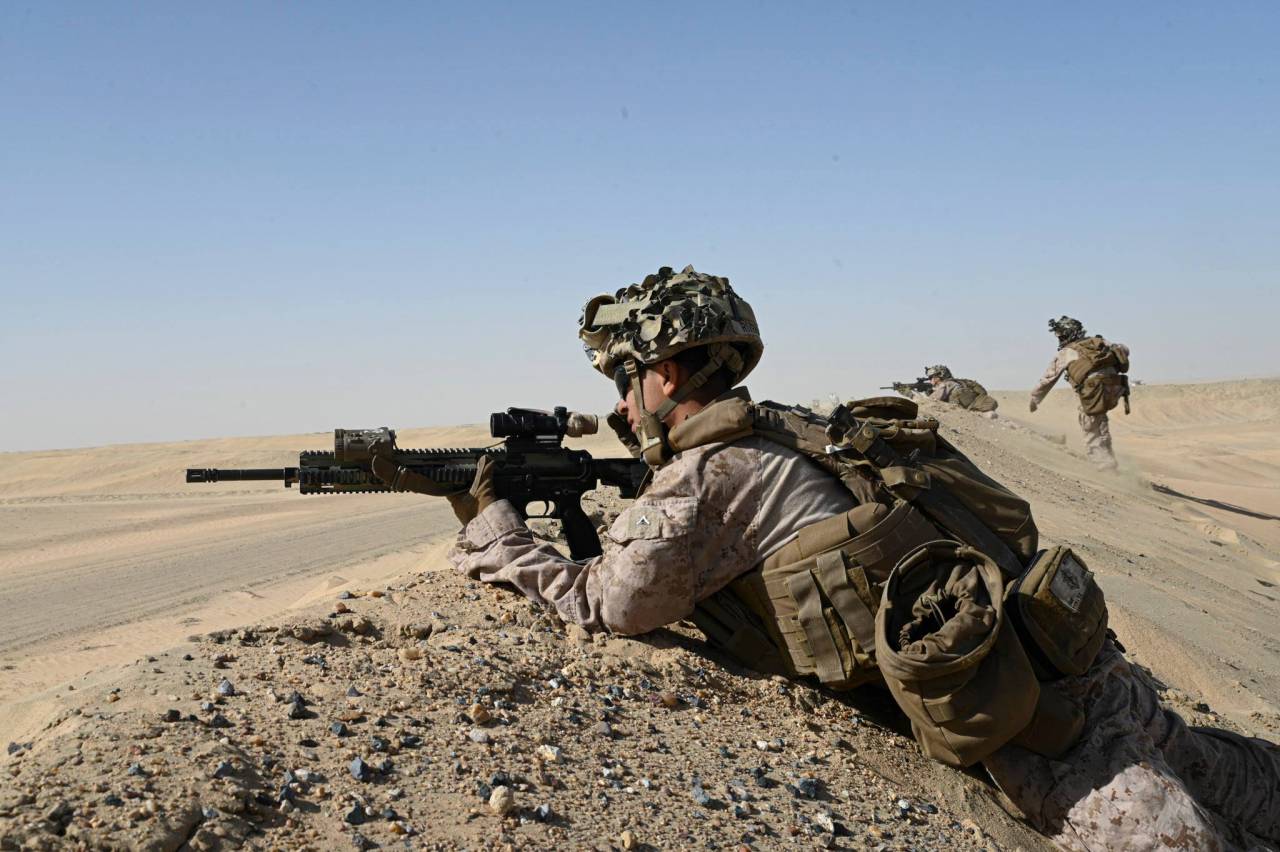
Delta Force (1st Special Forces Operational Detachment–Delta, or 1SFOD‑D) draws its candidates almost exclusively from other U.S. special operations units — Green Berets, Army Rangers, Navy SEALs and Air Force pararescue (PJs), among others. Classified as a Tier‑1 special missions unit, Delta sets high entry bars: most applicants are seasoned special operators, and candidates typically must have multiple years of prior service. Selection and assessment take place twice a year in the Appalachian Mountains over the course of roughly a month.
From a pool of about 100 applicants, more than 90% fail during selection. Only a handful move on to the six‑month Operators Training Course (OTC), and even fewer graduate — usually single digits per class. That attrition is why operators and analysts often call Delta among the toughest units to join in the U.S. military.
Candidates Reach Physical Limits on Day One
Selection opens with a physical test that surpasses the baseline for most other special‑operations pipelines. In full uniform — boots and field jacket included — candidates perform an inverted crawl (belly‑up crawl), high‑intensity push‑up routines, a two‑mile run and a 100‑meter combat swim in rapid succession. Failure to meet any standard results in immediate removal from the course.
Those who remain then shoulder roughly 40 pounds (about 18 kg) of gear and conduct an 18‑mile (about 29 km) night march. Upon arrival they undergo psychological screening and basic cognitive tests. Many wash out at this point; only a fraction proceed to the mountain‑navigation phase.
The Appalachian ‘Hell’: Mountain Navigation Without a Map or Watch
The most notorious portion is a point‑to‑point mountain march through the Appalachians. Candidates carry roughly 55 pounds (about 25 kg) and are permitted only a map and compass. GPS devices, wristwatches and radios are prohibited. They must reach designated waypoints within strict time windows using only land‑navigation skills.
On repeated days they may cover more than 40 km (over 25 miles) with roughly three hours of sleep per night. Caloric intake is often limited to around 2,000 kcal while energy expenditure approaches 6,000 kcal. Under those conditions candidates commonly suffer lost toenails, severe dehydration and even hallucinations. Lose your bearing or break the rules, and you are dropped. Veterans recall this phase as one that breaks the mind, not just the body.
One Command — “Keep Going” — Can Topple the Best
The final major test, known as the “long walk,” is a sustained march and survival challenge. Candidates travel tens of miles by day and night. At checkpoints instructors hand out a single new coordinate and offer no further guidance beyond, “Keep going.” With no clear feedback on position, pacing or ranking, candidates must rely entirely on judgment and self‑regulation to reach the next point.
Accounts put washout rates in this phase as high as 40%. Observers say many candidates fail not from raw physical collapse but from the relentless psychological strain of uncertainty. That deliberate ambiguity — the so‑called uncertainty test — is a defining reason Delta’s selection is viewed as harsher than other elite pipelines.
Pressure Interviews with Psychologists — and OTC Dropouts
Candidates who survive mountain selection face an intense interview board made up of instructors, the unit psychologist and senior commanders. The board probes behavior under pressure, self‑awareness and motivation more than technical skills, asking questions such as, “Why Delta?” and “How have you handled failure or conflict?” Passing that psychological vetting is required to enter the OTC.
The six‑month OTC covers marksmanship, close‑quarters battle (CQB), sniping, explosives, intelligence tradecraft, foreign languages and psychological operations. Roughly 30% of those who enter the OTC are eliminated before graduation. A very small number who complete the course receive the often‑unpublicized designation of 1SFOD‑D operator.
Why People Say It’s 10 to 100 Times Harder Than Other Special Forces
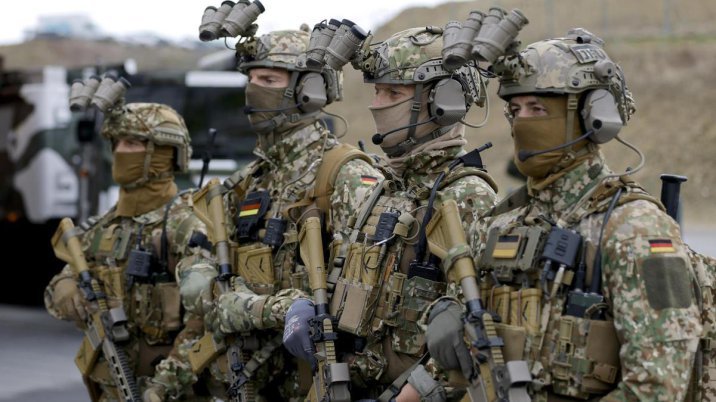
Units like South Korea’s UDT and the U.S. Navy SEALs are widely regarded as among the toughest in the world. Delta, however, operates at a different layer: it filters out 80–90% of candidates who have already graduated elite pipelines. Even some former SEAL Team Six (DEVGRU) members reportedly fail Delta selection.
Military analysts summarize Delta’s core requirement as elite fitness topped by the ability to maintain calm, independent judgment and autonomy amid extreme uncertainty. Delta is not seeking operators who primarily follow orders; it seeks independent leaders who can make high‑stakes decisions with minimal information. That is why attrition remains high even among seasoned special‑operations personnel.
A Force That Operates in the Shadows: The U.S. Military’s Invisible Edge
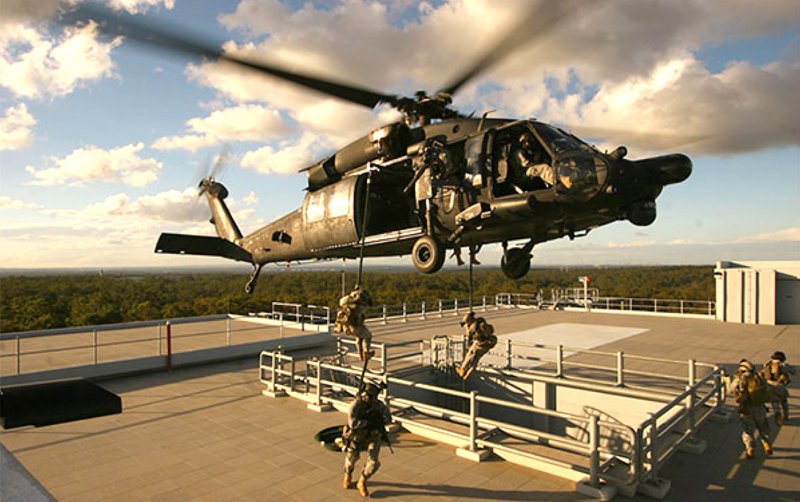
Officially, Delta appears in public documents under a generic label such as the Army Special Forces Operational Detachment. Details about personnel, organization and operations are largely classified. Publicly known actions include the 1980 Iran hostage rescue attempt (Operation Eagle Claw), the Mogadishu operation, and counterterrorism missions in Iraq and Afghanistan, along with targeted leadership capture or kill missions.
Analysts say Delta routinely works with the CIA and JSOC (Joint Special Operations Command) on politically sensitive tasks: removing terrorist leaders, rescuing high‑value hostages and striking delicate targets. Veterans stress that selection and training are only the start — operators continue to be evaluated and must prove they can survive operational pressures. After a selection process designed to test human limits, members often remain part of a shadowy force whose existence is rarely acknowledged — the reality behind what the U.S. military calls one of its most capable special‑operations units.









Most Commented