
Translation result
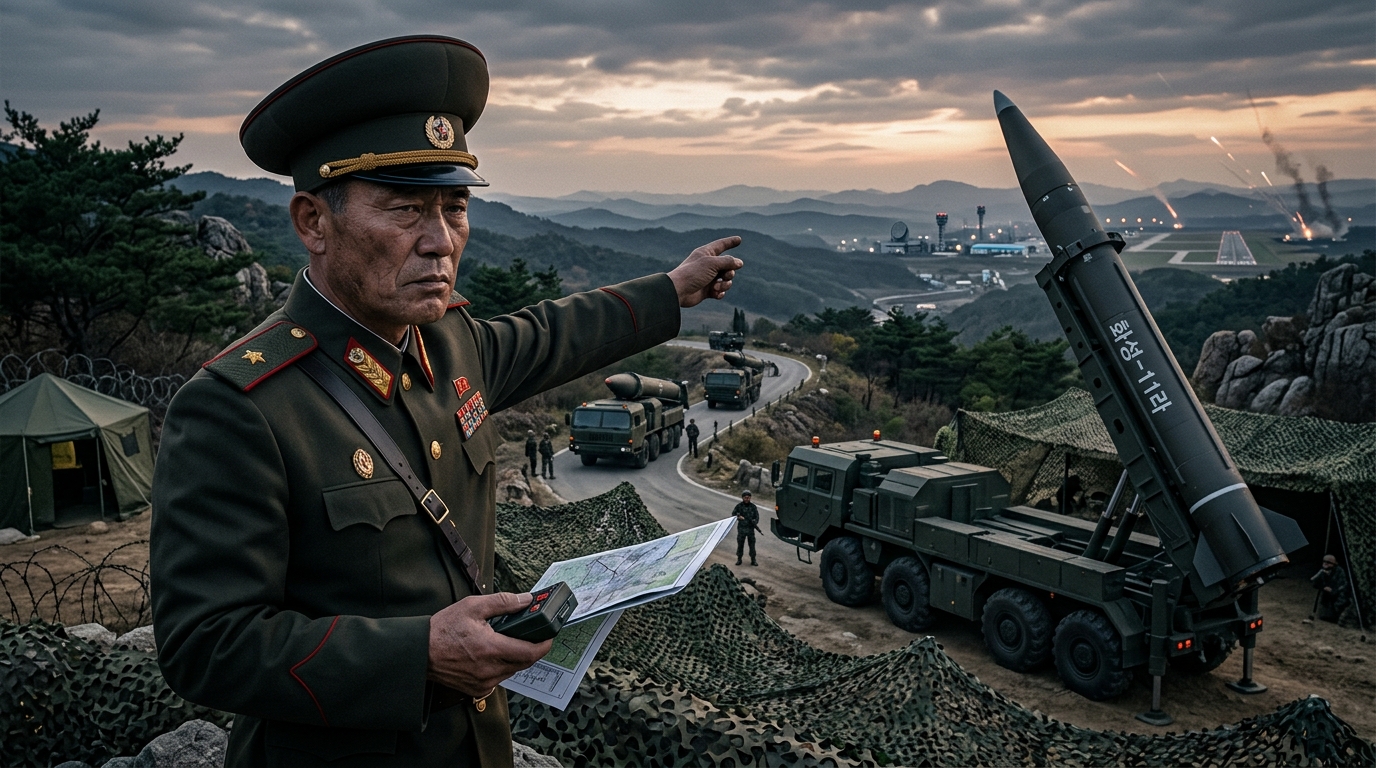
The authority to launch has effectively moved from Pyongyang to front‑line corps commanders. North Korea has reassigned the short‑range ballistic missile Hwasong‑11Ra to the organic firepower of its 1st, 2nd, 4th and 5th front corps—moving it out of the Strategic Force and Missile General Bureau—and analysts warn that this alters the decision chain for surprise strikes against South Korea.
In a report published April 24, Hong Min, senior fellow for North Korea studies at the Korea Institute for National Unification, laid out the tactical intent behind the Hwasong‑11Ra test launch.
Mapping the test’s confirmed range of 136 km from positions held by the western front’s 4th Corps puts both Camp Humphreys in Pyeongtaek and Osan Air Base—key U.S. Forces Korea hubs—well within striking distance.
![그래픽]](https://cdn-union.tenbizt.com/contents/crawler-dev/image/2026/04/CP-2023-0225/image-22ea2371-a9f5-488f-a7ad-e1789b770818.jpeg "발사")
A launch from the central front’s 2nd Corps would directly threaten the Seoul metropolitan area and the major industrial belts in southern Gyeonggi Province. Granting frontline corps commanders the authority to launch precision‑guided weapons lets them act on local judgment without second‑line approval from central command, compressing the early‑warning and decision window available to U.S.‑ROK allied forces.
Four years of development: Completing the ‘firepower gap filler’
Over the last four years, North Korea has pursued the Hwasong‑11Ra program to fill the capability gap between legacy rocket artillery and medium‑range ballistic missiles.
Pyongyang appears to have completed warhead‑diversification tests and moved into initial operational deployment. The missile has been developed as a dual‑use platform capable of carrying conventional payloads—such as cluster warheads and fragmentation‑mine warheads—as well as the standardized tactical nuclear warhead ‘Hwasan‑31’ revealed in March 2025.
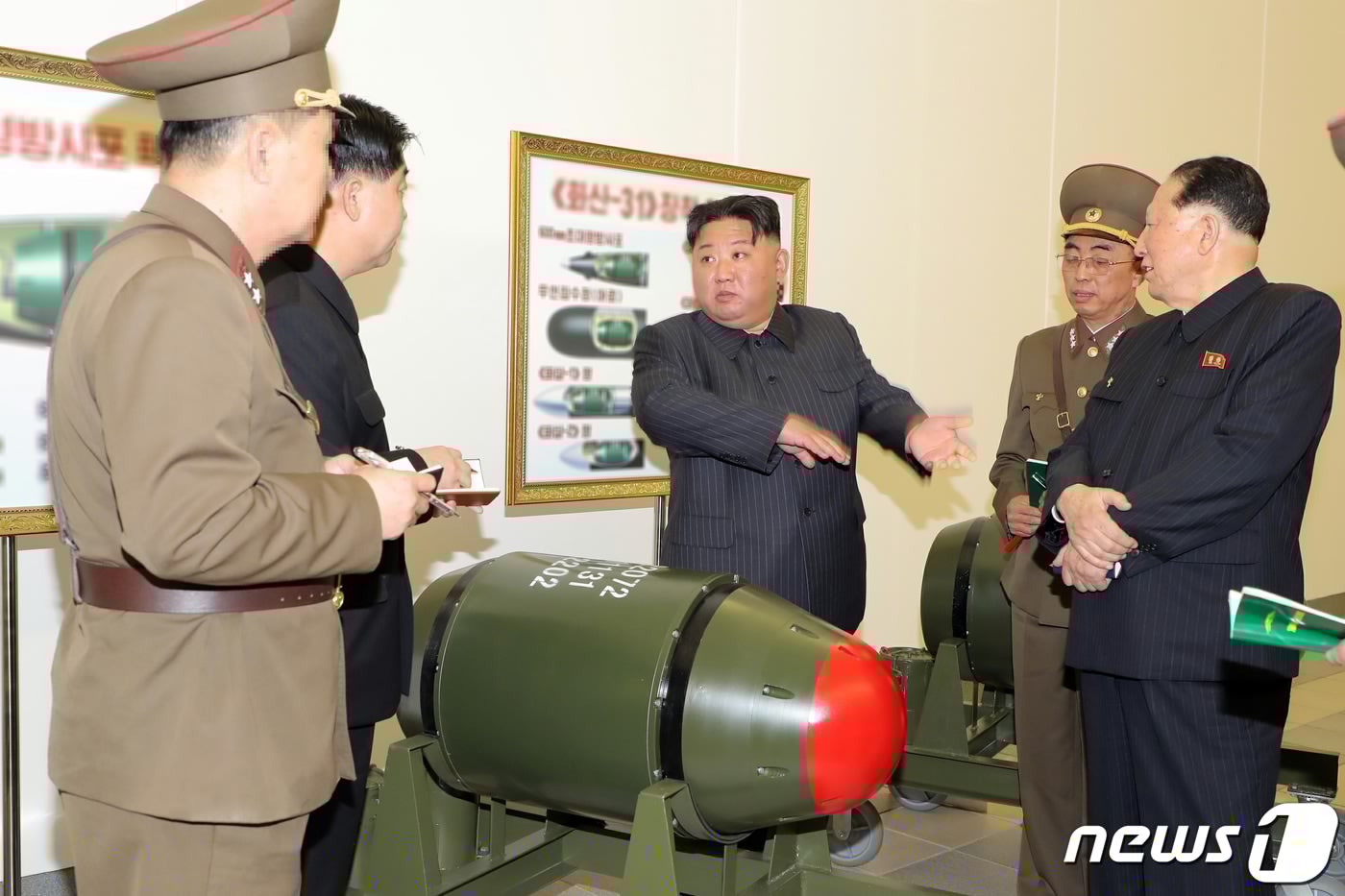
Lowering the ability to employ both conventional and tactical nuclear weapons to front‑line corps indicates that North Korea’s parallel development policy has moved from strategic rhetoric into battlefield practice.
This is not merely a range increase. It is a complex tactical weapons system designed to maximize strike options across multiple target sets.
The primary challenge the Hwasong‑11Ra poses to U.S.‑ROK defenses is warhead uncertainty prior to launch. Current allied missile‑defense systems are optimized for point‑defense intercepts against single warheads. Cluster warheads, by contrast, are area‑attack weapons that disperse many submunitions, a profile that existing interceptors are structurally ill‑suited to counter comprehensively.
The threat becomes more acute if North Korea launches mixed salvos of Hwasong‑11Ra missiles. Commanders would be forced to identify in real time which missiles carry tactical nuclear warheads and which carry cluster munitions to set interception priorities. The possibility of a nuclear detonation would place extreme pressure on defensive decision‑making and timing.
As Hong put it, “Defenses are optimized to block a single point, but the enemy has deployed weapons forward that can suppress a wide area at once.”
Forward deployment of the Hwasong‑11Ra signals a shift not only in weapons sophistication but in how North Korea would conduct a conflict. With authority to employ combined tactical nuclear and conventional fires now pushed to the corps level, U.S.‑ROK allied forces face a strategic imperative: fundamentally reassess point‑defense doctrine and interception‑priority frameworks.
Most Popular Articles
- As the world arms itself, South Korea’s top supplementary budget item is energy subsidies; rapid‑response defense funding is effectively absent
- Japan breaks a 49‑year ‘1% of GDP’ norm — defense spending hits $62.2 billion, the highest in 67 years
- The cost of higher defense spending: a 2.02 million‑ton carbon bill — military increases wiped out 60% of industry‑sector emissions reductions targets















Most Commented