
Translation result
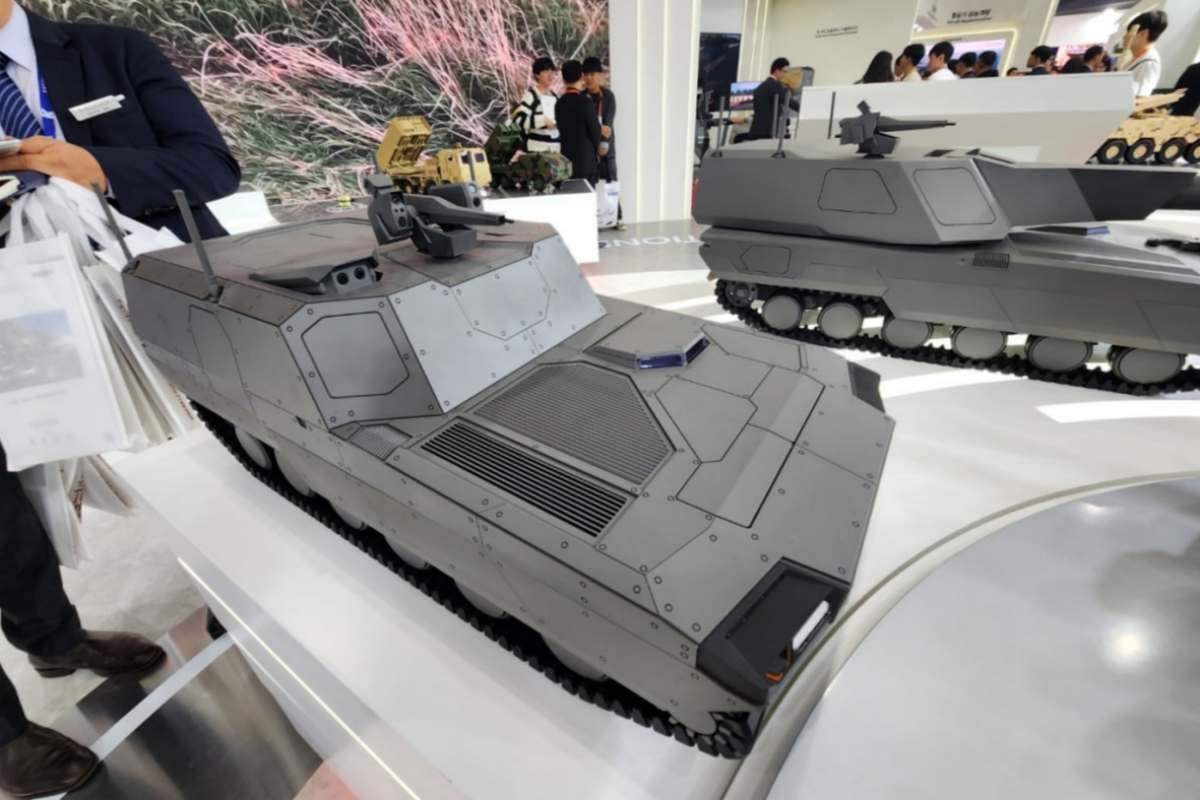
“No Need to Put Troops Onboard” Becomes Reality on the Battlefield
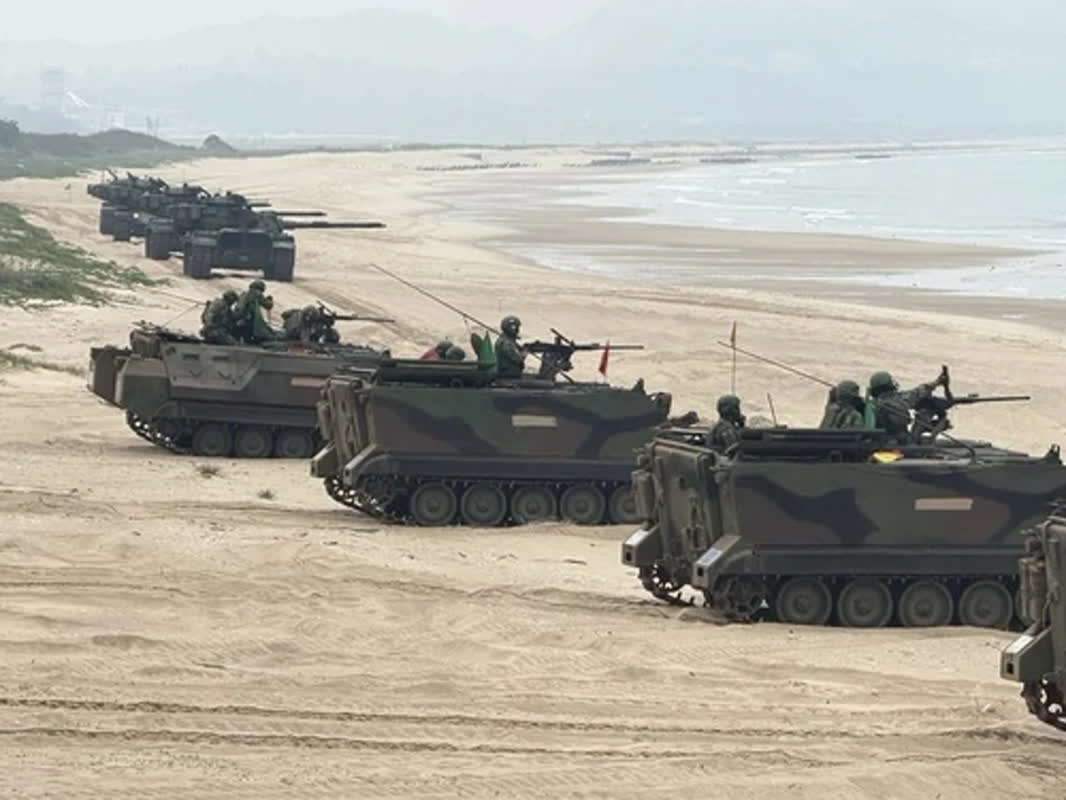
South Korea has long been a global leader in self-propelled artillery, main battle tanks and multiple-launch rocket systems. What’s drawn growing international attention, however, is a new class of combat systems that can fight without crews aboard. As recruitment pools shrink and the Russia–Ukraine war reemphasizes the central role of artillery and armor, militaries are prioritizing mixed manned–unmanned formations that minimize personnel losses. The South Korean government has matched that trend with substantial increases in defense and R&D spending and targeted investment in AI, robotics and unmanned ground vehicles.
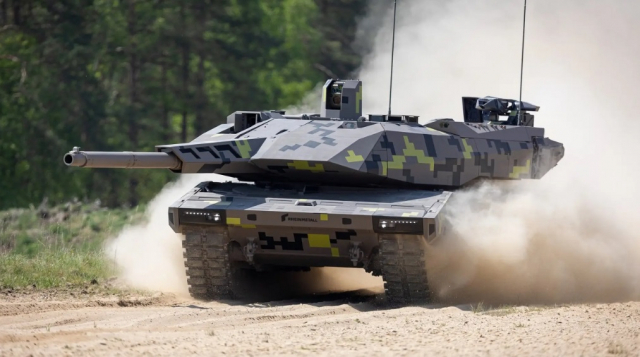
Korea’s Ground Forces Move Toward Manned–Unmanned Hybrid Tanks and SPGs
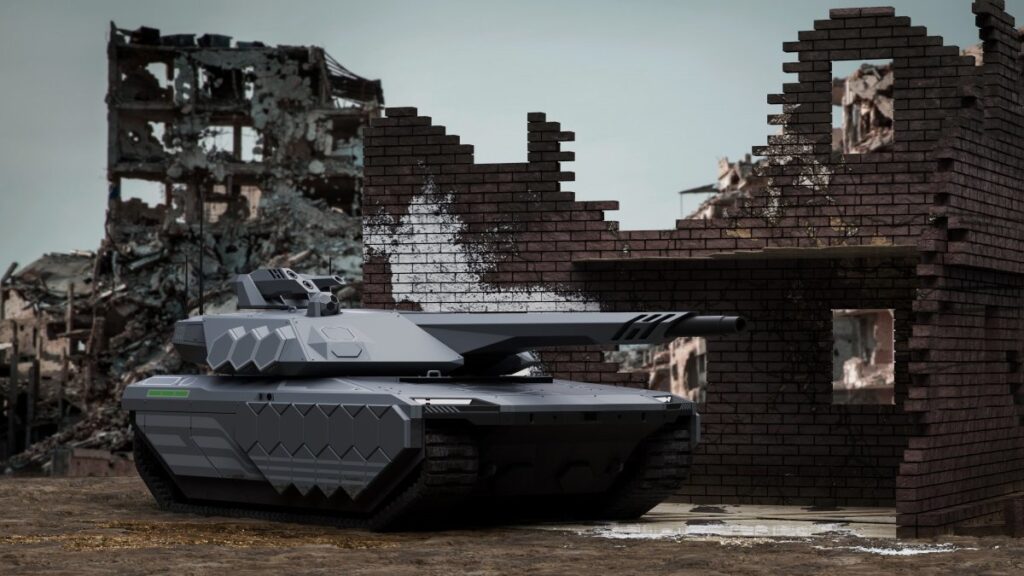
The Army’s next-generation K-3 tank is being designed from the outset as a manned–unmanned hybrid. According to the concept Hyundai Rotem has released, the platform will feature an unmanned turret, AI-based target detection and integrated drone operation. The design anticipates configurations that can minimize crew size or operate fully unmanned when the mission requires.
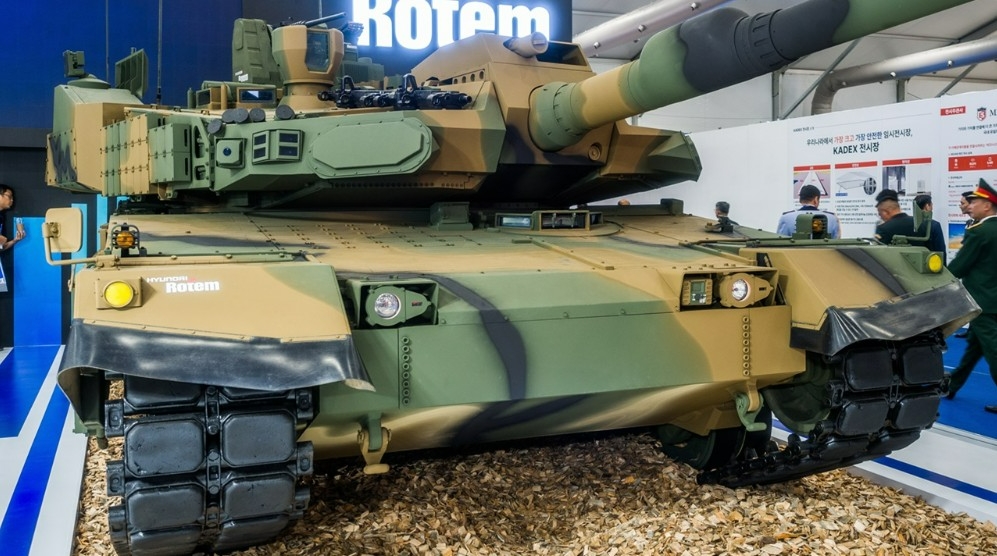
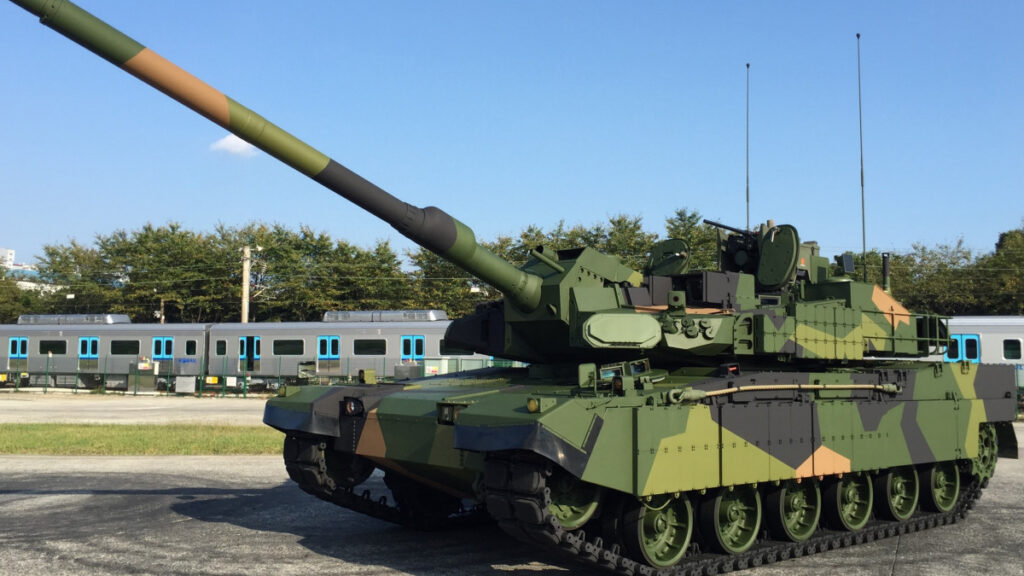
With a 130 mm-class smoothbore main gun, active protection systems and a low observable hull, the K-3 aims to exceed the firepower and survivability of the K2 Black Panther and comparable Western MBTs. Officials expect a prototype in the 2030s and initial deployment in the 2040s. Meanwhile, multipurpose UGVs such as the HR-Sherpa have completed trials near the DMZ and forward positions, incrementally building the foundation for hybrid manned–unmanned ground forces.
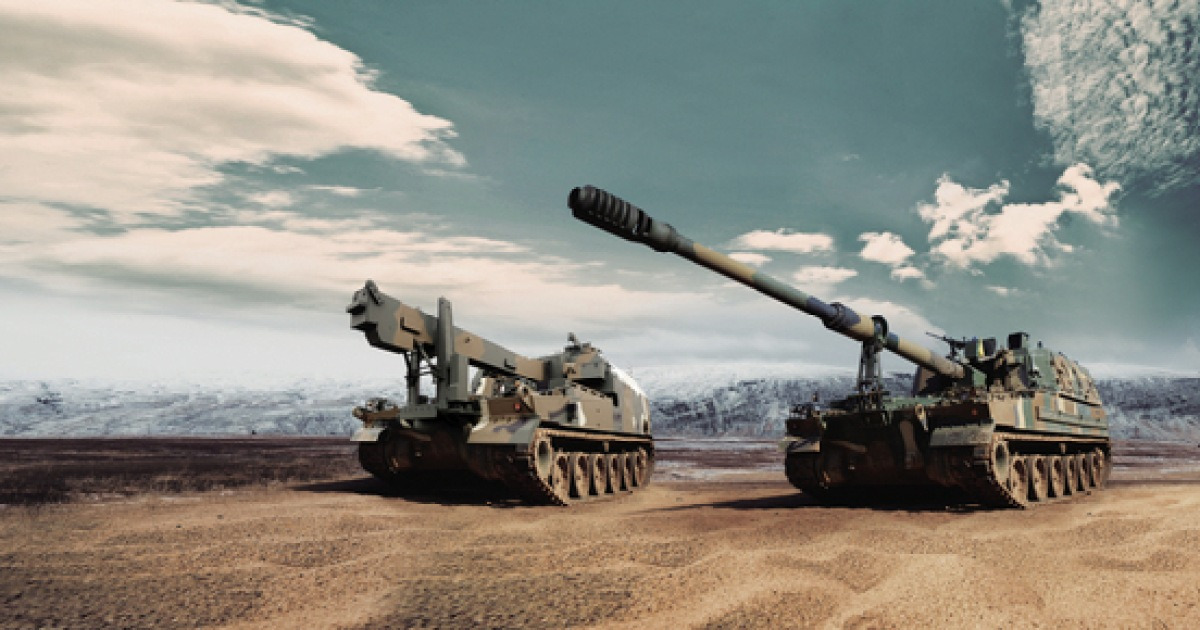
K9A3: An Autonomous SPG That Can Shoot and Maneuver Without Crews Onboard
The K9, the world’s top-selling self-propelled howitzer, has advanced through A1 and A2 upgrades and is now evolving toward a manned–unmanned hybrid in the K9A3 variant. Defense officials say K9A3 development focuses on extending range and automation, cutting crew requirements and adding remote and autonomous driving capabilities.
Its autonomous navigation module fuses radar, LiDAR and camera inputs to detect obstacles and terrain and to plan optimal routes. Developers are testing operational concepts such as remote control of multiple K9A3s from a command vehicle and follower modes where vehicles trail a lead platform — essentially experimenting with a “robot artillery squad.”
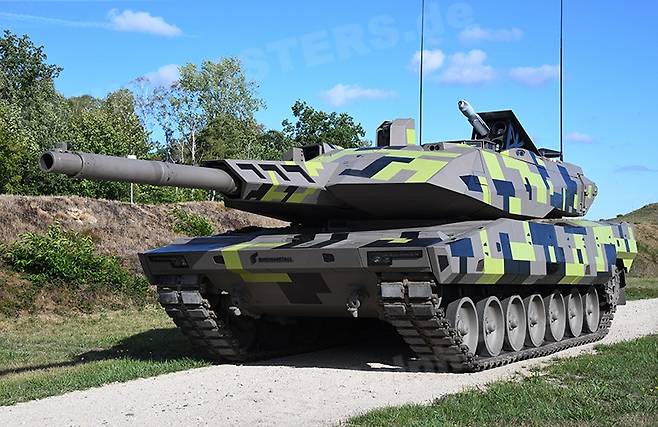
“Monster Artillery” When UGVs and Combat Drones Operate Together
A hybrid manned–unmanned artillery concept is most potent when paired with operational UGVs and combat drones. Unmanned reconnaissance vehicles and multipurpose UGVs developed by the Agency for Defense Development and industry partners will handle forward observation, target designation, casualty evacuation and ammunition resupply. K9A3s and next-generation tanks would operate from deeper positions, focusing on remote fires and maneuver.
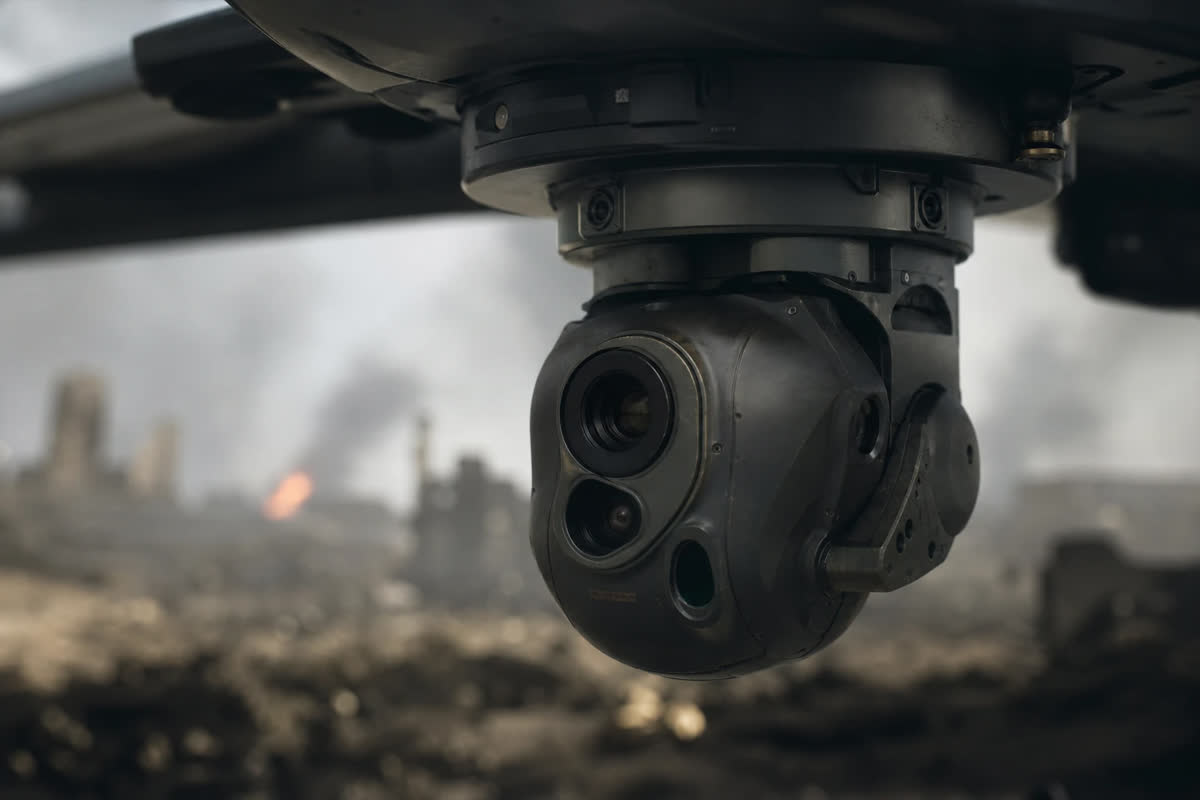
Integrating loitering munitions and reconnaissance drones with tanks and artillery allows commanders to keep personnel at command posts while sending only sensors, weapons and drones forward — creating mixed manned–unmanned artillery and armored brigades. Korean naval and army strategic assessments call this an optimized force structure for countries facing manpower constraints.
Defense Budgets and R&D Growth Drive the Shift to Unmanned and AI
South Korea’s 2026 defense budget, finalized by the National Assembly, totals 65 trillion 864.2 billion KRW (approximately 49.4 billion USD). That represents the largest year-on-year increase in seven years, roughly a 7.5–8% rise.
Spending on force modernization topped 20 trillion KRW (approximately 15 billion USD), a gain of more than 13%, and the share of defense R&D dedicated to AI, robotics and unmanned systems expanded significantly. Kyunghyang Shinmun and defense analysts note the government has framed the budget around a strategic shift “from manpower-centered forces to a smart military centered on AI combat systems, robotic units and precision-guided weapons.” With shrinking troop numbers, policymakers see manned–unmanned hybrid tanks, SPGs and UGVs as a practical way to close capability gaps.
Poland and Norway Serve as Real-World Testbeds
Development of hybrid manned–unmanned tanks and SPGs is not limited to South Korea’s armed forces. Local production of the K2PL, K9 and Cheonmu rockets in Poland, and Norway’s adoption and adaptation of Cheonmu and future K9 variants, are acting as live testbeds for exporting next-generation unmanned features.
Poland has expressed interest in co-developing the K2PL and next-generation K3, and local production contracts for the K2PL include roadmaps for Polish industry to join future development of unmanned turrets, sensors and communications modules. If those partnerships take hold, Korea’s hybrid manned–unmanned concepts could spread beyond the Republic of Korea to NATO’s eastern flank and Northern Europe.
What People Mean by Calling It the “World’s First Unmanned Monster Tank”
No nation has yet fielded a fully unmanned main battle tank in combat. The U.S., Russia, China and Israel are all testing unmanned or robotic tank concepts at prototype levels. What distinguishes Korea’s K3, K9A3 and hybrid UGV concepts is their combined aim of main-tank-level firepower and true unmanned operation — a step beyond simple remote-controlled vehicles.
That dual goal is why overseas customers, including Poland, are watching closely: these platforms promise the ability to reduce manpower demands while preserving combat power. If Korea follows its roadmap and fields K3- and K9A3-class hybrid systems in the 2030s, the assertion that “Korea can manage with fewer soldiers” could move from rhetoric to an operational concept on future battlefields.











Most Commented