
Translation result
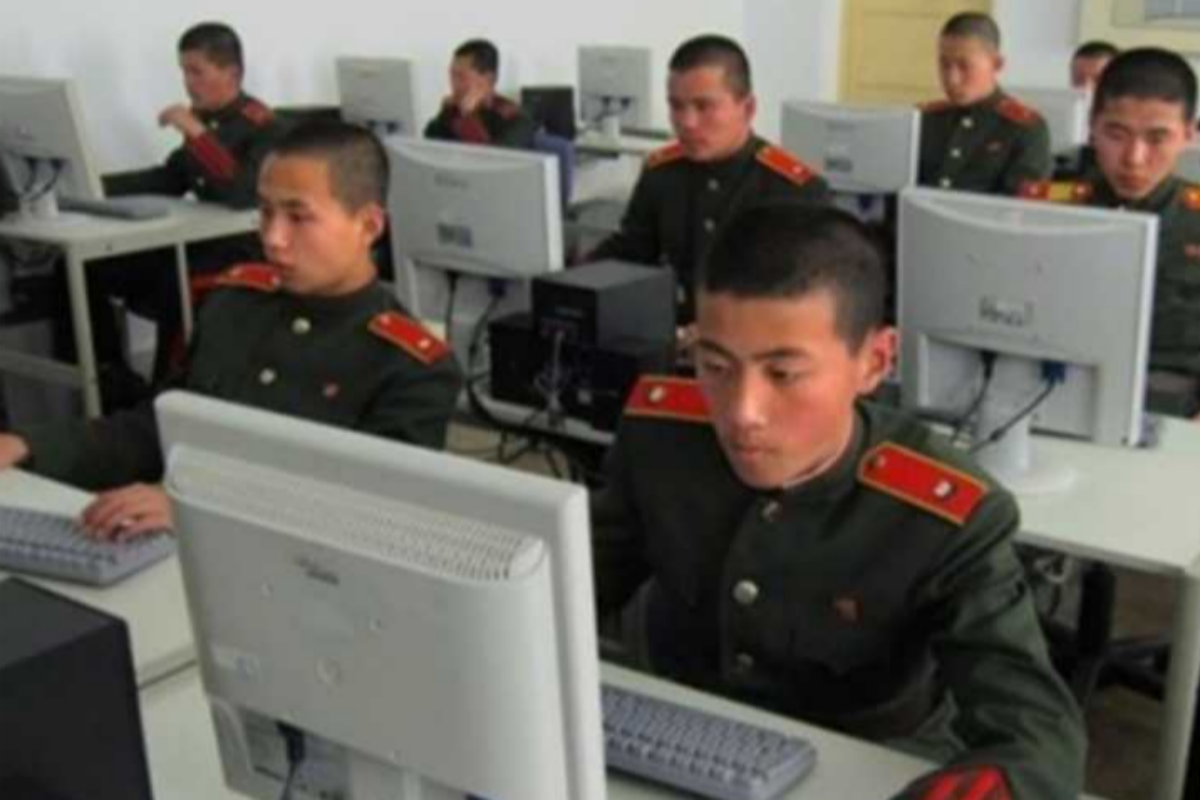
Kim Jong Un’s Pick for the ‘Worst Asymmetric Force’
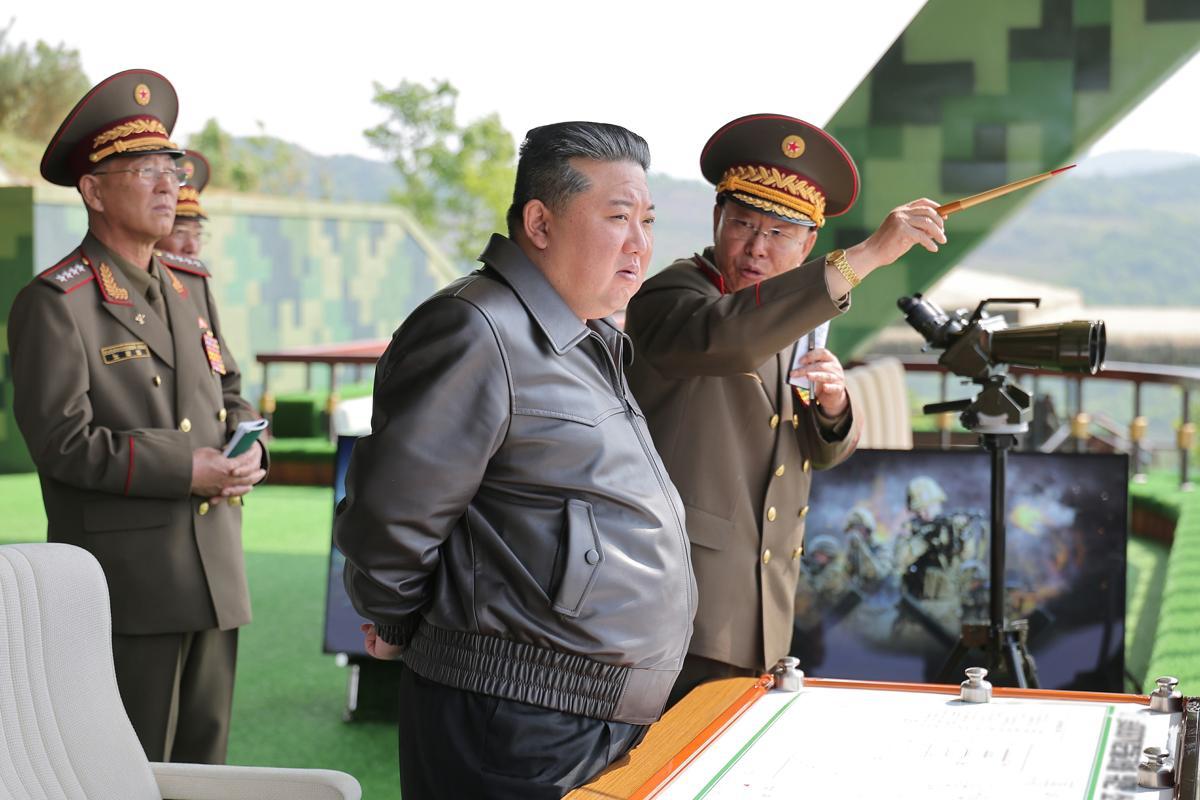
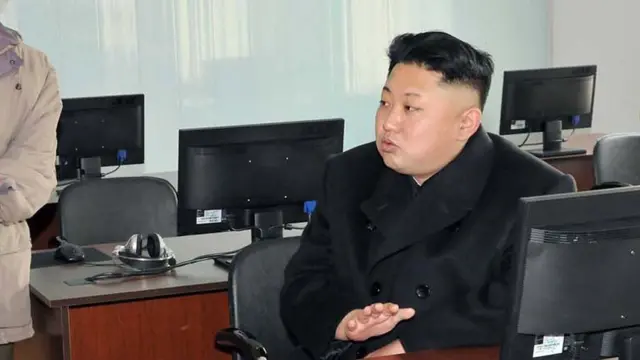
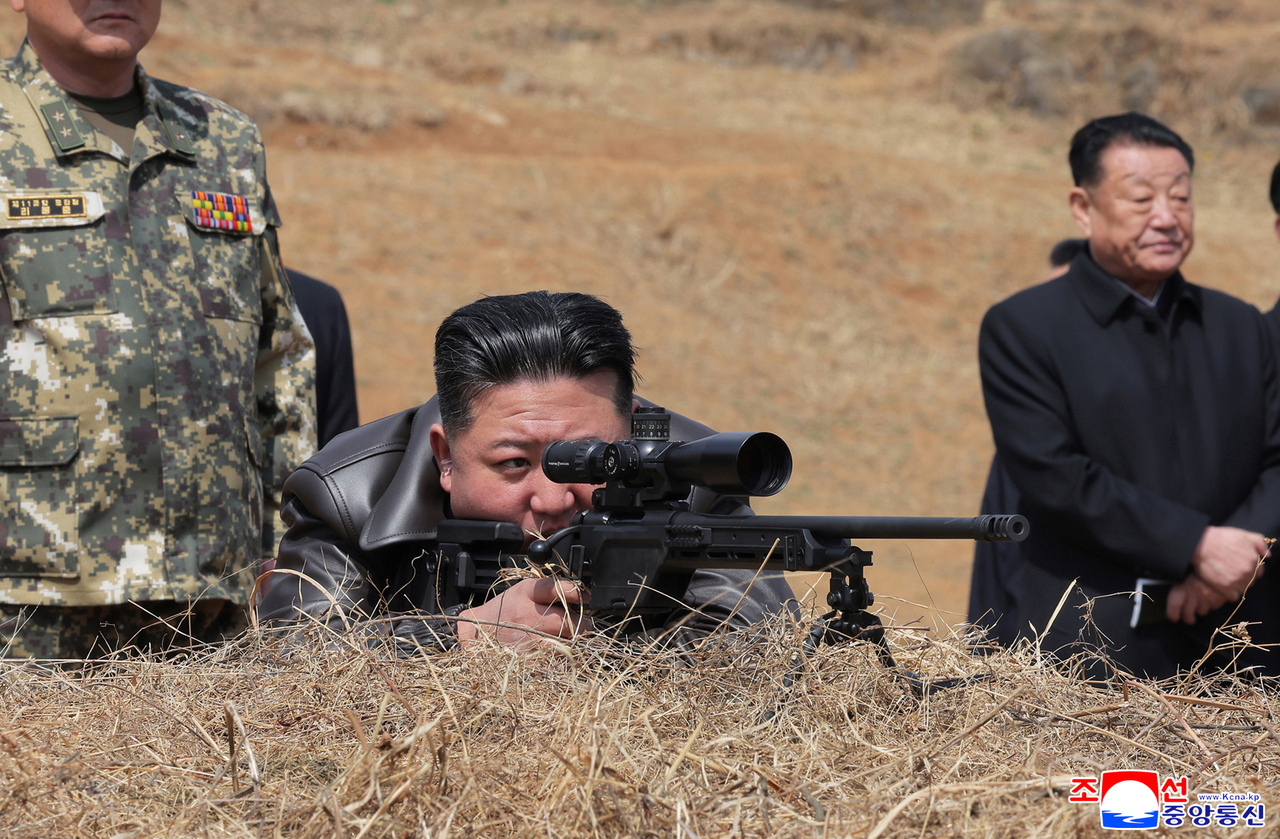
While uniformed troops hold the fence, Kim Jong Un has poured resources into a cyber force he calls a “universal sword.” Since taking power, Pyongyang has elevated cyberattack capabilities alongside nuclear weapons and ballistic missiles as one of its three core asymmetric tools, directing state funding and programs to train hackers and build out units.
Analysts at home and abroad estimate North Korea’s cyber force at roughly 6,000–8,000 personnel. These operators serve as a multi-role unit: stealing military secrets, conducting financial intrusions, and manipulating South Korean public opinion. That combination is why South Korean security officials warn these units deserve attention “as much as, if not before, armed formations.”
![북한TMI]](https://cdn-union.tenbizt.com/contents/crawler-dev/image/2026/04/CP-2025-0103/image-2aa50bd3-c1bc-4acf-abf4-07cbf2e35f1b.webp)
Hacker Hubs Crossing Borders: From Pyongyang to Beijing and Shenyang
North Korea’s cyber apparatus divides into hacking units under the Reconnaissance General Bureau, propaganda and psychological-warfare teams, and overseas covert hubs. Dedicated cyber facilities are reported in Pyongyang, Sinuiju and Chongjin, while front companies and trade offices in Dandong, Shenyang and Beijing serve as external staging points.
Operations commonly route through servers in China and Southeast Asia obtained via those overseas hubs. Attackers engineer traffic to appear to originate from Chinese or Russian IPs, complicating attribution. Reports from the Korea Institute for National Strategic Studies and the National Assembly Research Service say North Korea effectively treats foreign infrastructure as part of its cyber force.
Not Just Hacking: ‘Comment Warriors’ Tearing South Korean Public Opinion Apart
Influence operations that amplify internal divisions are a second pillar of Pyongyang’s cyber campaign. Research shows North Korean operators forge or hijack South Korean social-media and portal accounts, or buy large batches of accounts through brokers in China. They then post inflammatory comments from both extremes on hot political and security topics to stoke conflict.
During elections, impeachment battles, U.S.-South Korea drills and nuclear crises, some accounts repeatedly push frames such as “rigged elections,” “imminent war,” or “alliance breakdown.” Pattern analysis links portions of that activity to North Korea–affiliated groups. Scholars describe the tactic as psychological warfare: provoking both left and right to erode social trust and institutional legitimacy. It’s treated as a national-security threat, not mere trolling.
From the July 7 DDoS to Ransomware and Cryptocurrency Theft
North Korea’s cyber operations drew global attention after the July 7, 2009 DDoS attacks, which knocked the Blue House, Defense Ministry, National Assembly and major portals offline for three days. The assault highlighted the reality of a “war that starts without gunfire.” Subsequent malware attacks against broadcasters, banks and media, and intrusion attempts at defense and nuclear research institutes, prompted South Korea to establish the Army Cyber Command (now the Cyber Operations Command) in 2010.
More recently, groups linked to Pyongyang have focused on cryptocurrency exchanges and virtual-asset projects. Analysts estimate North Korea–affiliated hackers stole about 1.34 billion USD (approximately 1.79 trillion KRW) in cryptocurrency in 2024 — more than 60% of reported global losses that year. Those proceeds likely help fund nuclear and missile programs while evading sanctions, making cyber theft a direct military threat.
‘Not “After” Nuclear but ‘Part of’ Nuclear Strategy
Multiple studies warn that Pyongyang views cyber operations not as an auxiliary tool but as an integrated capability alongside nuclear weapons and missiles. In a crisis, it could pair missile or drone provocations with strikes on power grids, communications networks, media outlets and social platforms. By triggering false alerts, fake evacuation orders and fear-mongering content, such attacks could generate social chaos that overwhelms the physical damage.
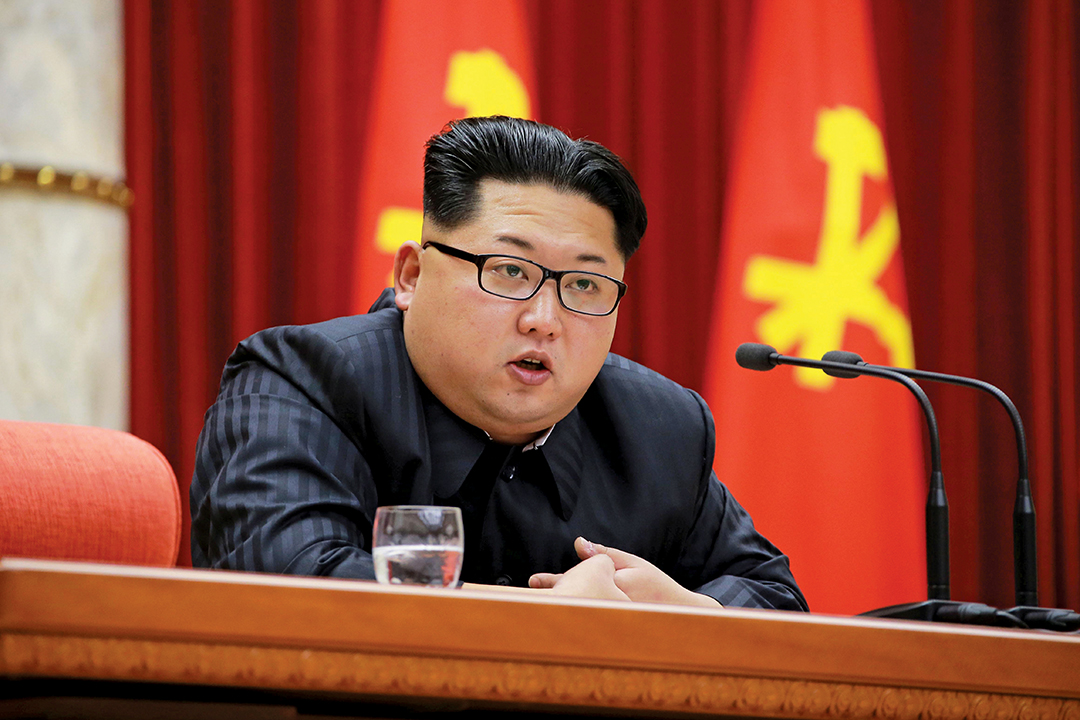
Analysts point to Kim Jong Un’s characterization of cyberattacks as a “universal sword that guarantees the people’s army’s relentless striking power” as evidence of this doctrine. The Korea Institute for National Unification and the National Assembly Research Service say North Korea’s cyber objective is to undermine an adversary’s social systems and trust before open conflict — a preparatory phase of combined, multi-domain warfare.
South Korea’s Response Still Leans Heavily on Defense
Seoul created the Army Cyber Command in 2010 and reorganized it as the Cyber Operations Command in 2019 to defend military and government networks. Defense Ministry materials say the command gathers and analyzes threat intelligence, responds to incidents and supports joint operations; personnel and budgets have steadily increased.
However, many analysts say the posture remains largely defensive and reactive. They argue Seoul lacks proactive tools to confront psychological operations, cryptocurrency theft and supply-chain intrusions. Experts warn that without enhanced intelligence sharing among allies, mandatory security standards for critical private infrastructure, and legal and institutional measures to counter influence operations, South Korea will struggle to overcome structural disadvantages in cyber conflict.
It Means the ‘Worst North Korean Unit’ Has Infiltrated Our Midst
Bullets and shells may come from north of the armistice line, but North Korea’s cyber units have already penetrated South Koreans’ smartphones, PCs, financial systems and social-media feeds. Without crossing borders, they harvest personal data, siphon funds and inject emotionally charged content that intensifies political and security disputes.
Unlike conventional forces, cyber operations run continuously in peacetime and wartime. That means influence campaigns could be working behind the scenes whenever social friction spikes. When South Korean security officials label cyber units the “worst North Korean unit to check before the troops with guns,” they’re warning that today’s battlefield sits at the center of daily life.











Most Commented