
Translation result.
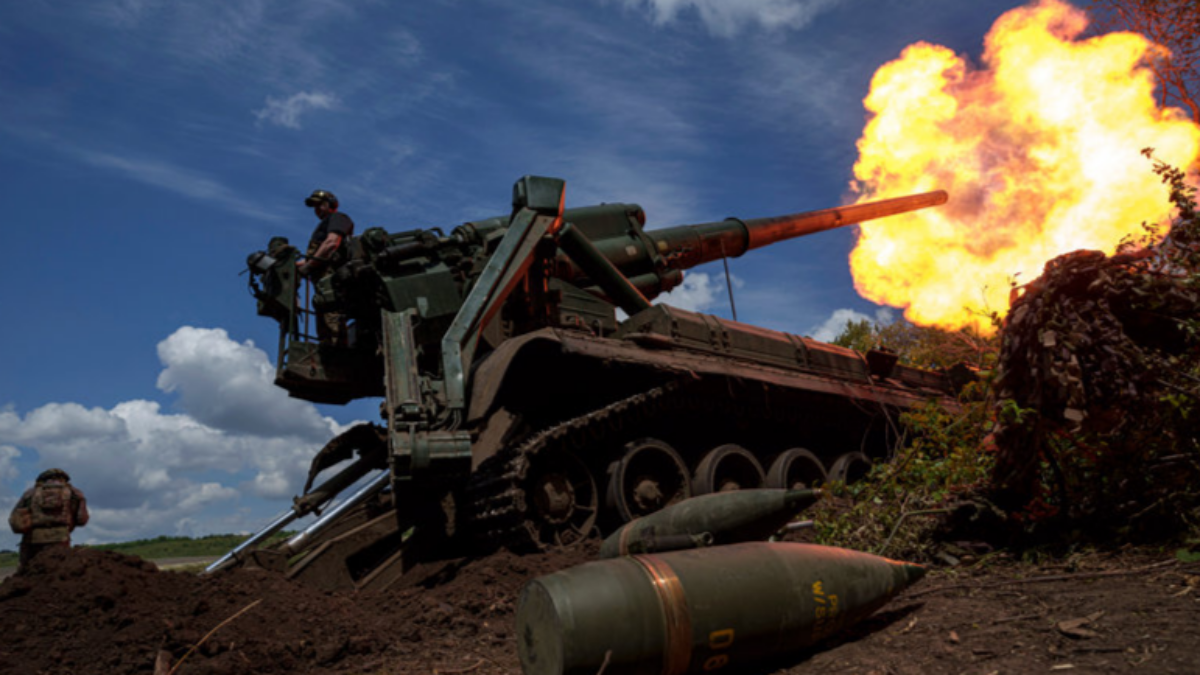
Ukrainian Drone Destroys North Korean 240 mm Rocket Launcher in Donetsk
Footage released by Ukrainian forces shows a drone making a precision strike against a North Korean M1991 240 mm multiple rocket launcher on the Donetsk front. That system once symbolized the “firestorm over Seoul” threat when it was deployed near South Korea’s forward lines. The video captures the launcher being located and destroyed on a very different battlefield.
![[단독]'서울](https://cdn-union.tenbizt.com/contents/crawler-dev/image/2026/05/CP-2025-0103/image-2d389ed0-4808-4ff8-9093-3388a4d6814a.jpeg)
How a Single Drone Neutralized a North Korean Launcher
The clip, released by Ukraine’s 413th Independent Battalion “Raid,” shows an attack drone approaching a truck-mounted launcher and striking one of the rockets from above. The hit appears to trigger an unintended discharge or sympathetic detonation that penetrates the crew compartment. The vehicle then erupts in a secondary explosion and is wrecked; the footage even shows crew members ejected from the cab. In one strike, a system once intended to threaten Seoul was removed from the battlefield.
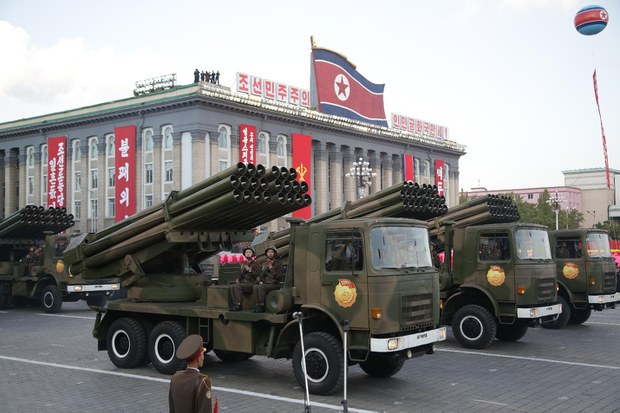
‘Firestorm over Seoul’ Launcher Now in Russian Hands
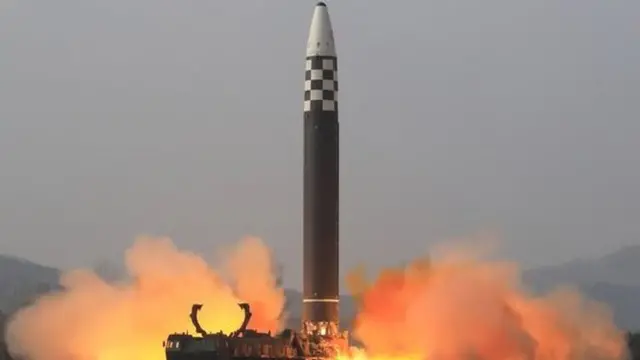
The M1991 240 mm multiple rocket launcher fires heavy rockets—each weighing roughly 85 kg—and can deliver several in a single salvo. Its widely reported range is about 60 km, though North Korea has claimed upgraded variants can reach roughly 80 km. Deployed in numbers close to South Korea’s forward areas, these systems were central to scenarios that envisioned massed strikes on the capital region. Pyongyang transferred more than 100 of these launchers to Russia, and since April 2024 Russian forces have shown them operating on Ukrainian fronts. This strike is significant as a recorded instance of a North Korean launcher being destroyed in Ukraine.
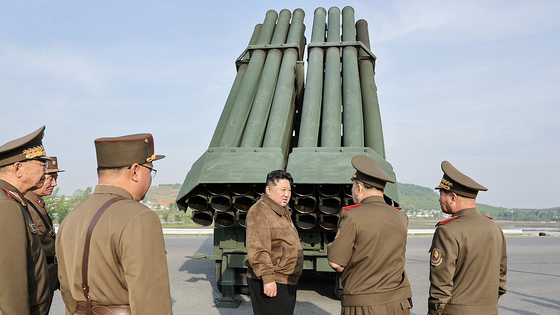
Weapons Intended for Korea Are Being Expended in Ukraine
Ironically, systems developed and positioned against South Korea are being consumed on another front. Launchers supplied by North Korea to Russia—assets that could have been used against Korean military and civilian targets—are instead being targeted by Ukrainian drones and artillery. North Korea could produce replacements, but the fact that some deployed systems are being expended in Eastern Europe rather than on the Korean Peninsula is a development Seoul is monitoring closely.
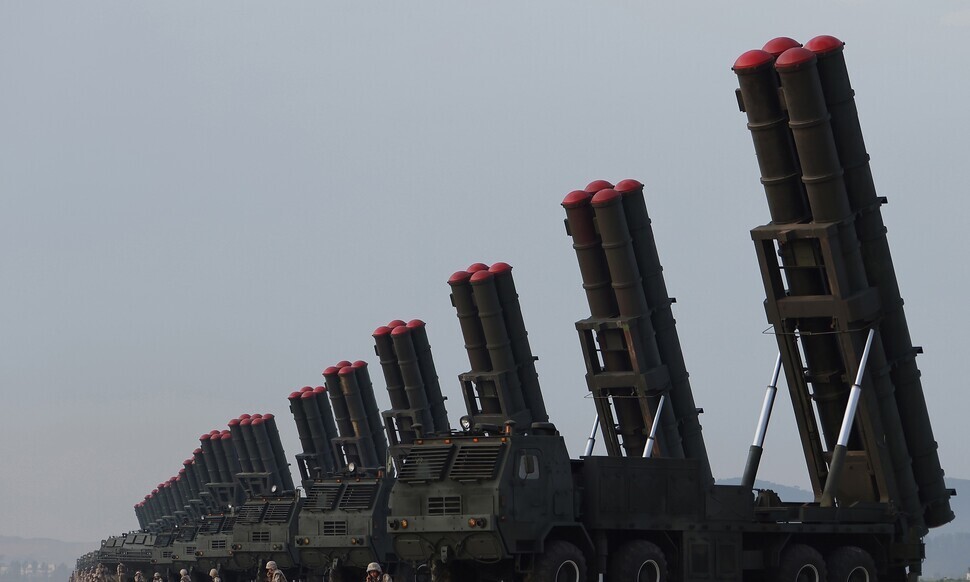
How Drones Exposed the Rockets’ Vulnerabilities
The footage illustrates less about the launcher’s long-range performance and more about how vulnerable traditional artillery and rocket systems are to modern loitering and attack drones. Even mobile, truck-mounted launchers become relatively fixed targets during preparation, reloads and standby. Small drones can locate them from above and strike ammunition racks, fuel tanks or engine compartments; a single hit can set off a catastrophic secondary explosion that destroys the entire vehicle. That operational calculus explains why Ukrainian units have turned to low-cost drones instead of expensive missiles or manned air strikes.
![포토타임]북한,](https://cdn-union.tenbizt.com/contents/crawler-dev/image/2026/05/CP-2025-0103/image-1b31e61b-ff3d-4888-9d5a-bf5cd2e82198.jpeg)
Message to the Peninsula: Integrate Drones with Artillery
The sight of a launcher once threatening Seoul destroyed by a drone in Ukraine carries clear lessons for South Korea. The ROK military has long fielded K-9 self-propelled howitzers and developed guided and ballistic countermeasures against North Korean long-range guns and rocket systems. Still, the Ukraine experience underscores the need for tactical integration of reconnaissance and strike drones with artillery. Forward units that can launch organic drones, quickly pass targeting data and coordinate immediate counterfires with artillery or missiles will have an operational edge. Speed and agility in building that kill chain will matter.
Field Data from North Korean Weapons Is Valuable to Seoul
Finally, observed performance and defeat mechanisms for North Korean systems in Ukraine amount to real-world test data for Seoul. Information on launcher survivability, operational patterns, reload cycles and vulnerabilities to drones or counter-battery fire can help the South Korean military refine targeting priorities and response doctrines. In a paradox, weapons Pyongyang supplied to aid Russia are giving Seoul clearer insights into how to harden defenses and shape countermeasures.











Most Commented