
Translation result
South Korea, Canada pursue two-track alliance targeting army modernization and submarine procurement
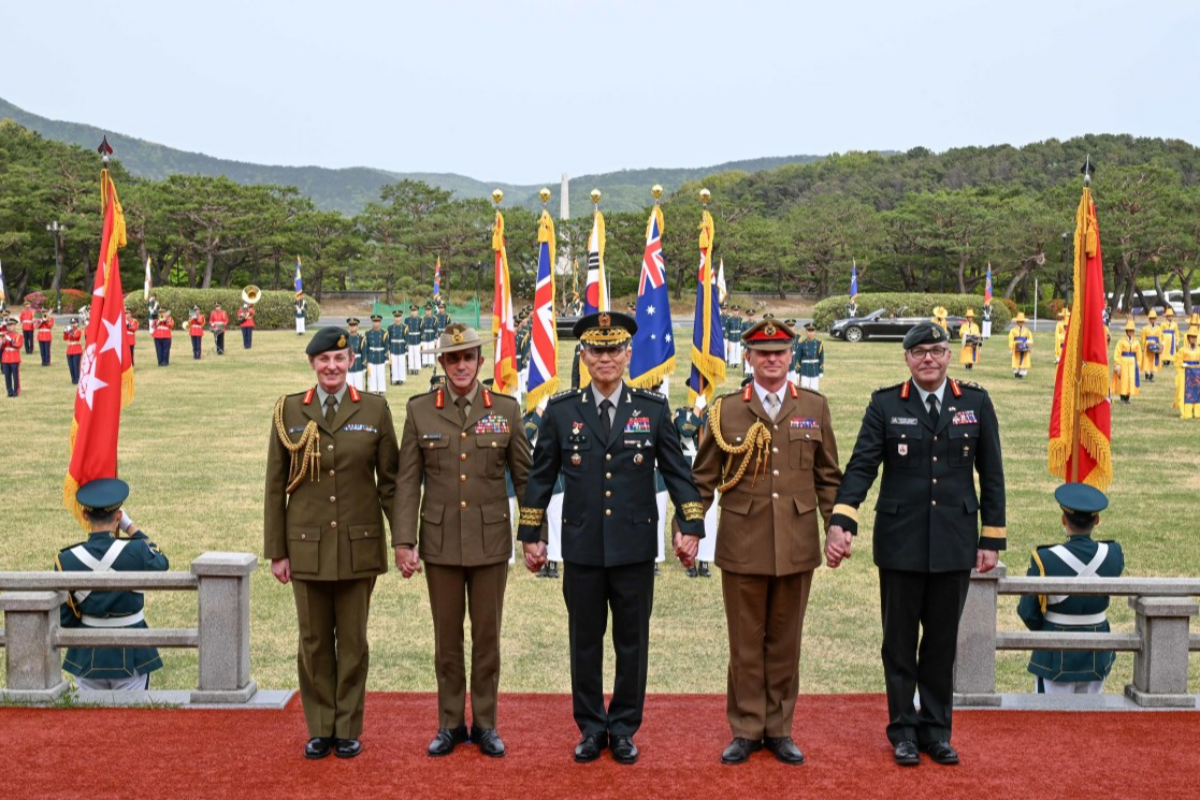
Seoul and Ottawa are expanding defense cooperation around two core tracks: army modernization and a next-generation submarine program. Canada is pursuing a large-scale effort to overhaul its land and naval forces to better defend Arctic and Atlantic approaches. South Korea has responded with a comprehensive offer that bundles land firepower, conventional submarines and supply-chain collaboration. What began as a wartime partnership during the Korean War is increasingly evolving into a long-term defense and industrial alignment.
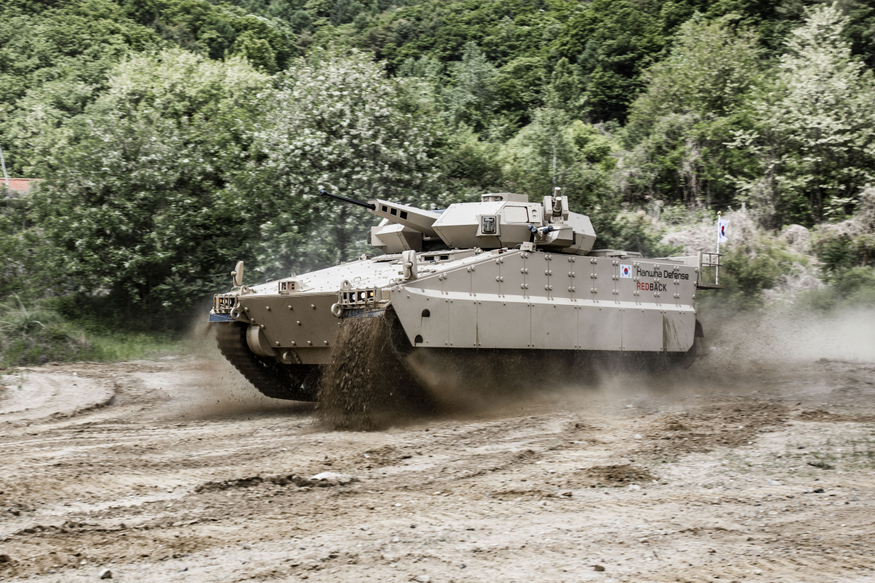
“We’ve received proposals for the K9 and Redback,” says Canadian army commander
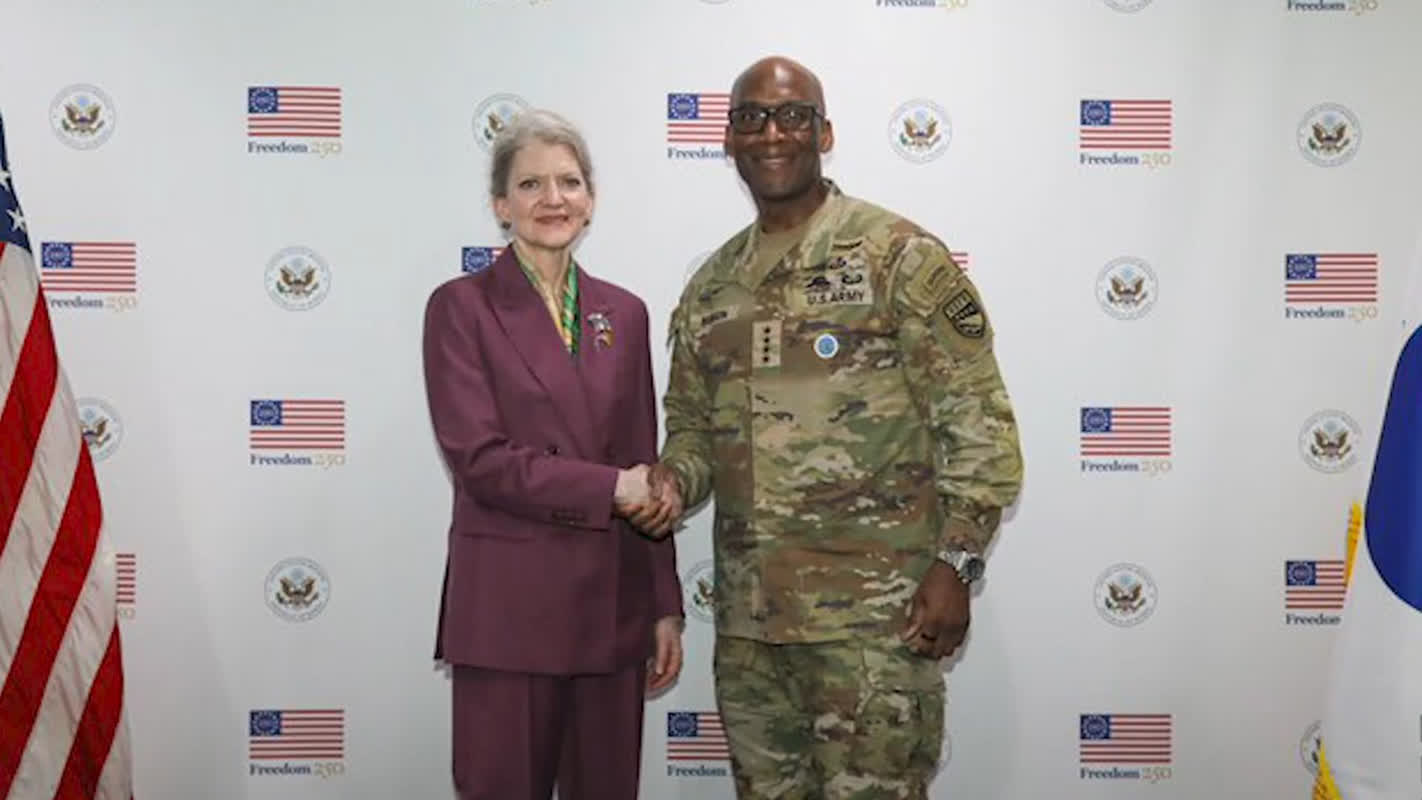
Canadian Army Commander Michael Wright visited South Korea for the 75th anniversary of the Battle of Gapyeong and confirmed ongoing consultations with South Korean defense firms on Canada’s army modernization program. He said Ottawa has laid out its requirements and will select the solution that best fits Canadian needs, keeping options open for domestic production, partnerships with local industry, or direct foreign purchases.
Wright specifically cited Hanwha’s submissions — the K9 self-propelled howitzer and the Redback infantry fighting vehicle — and said Ottawa will prioritize rapid fielding of new capabilities.

Canada looks beyond U.S. dependence, eyes mid-tier defense partner South Korea
Historically tied to the United States through NORAD and NATO, Canada has struggled with aging platforms and budgetary constraints that have limited its ability to recapitalize forces. Rising concern about Russia and the strategic importance of Arctic sea lanes have pushed Ottawa to diversify defense partnerships beyond Washington.
In that context, South Korea’s defense industry — noted for proven performance, competitive pricing and reliable delivery timelines — has emerged as an attractive mid-tier supplier. Canadian outlets have highlighted South Korean systems’ cost-effectiveness and timely delivery, pointing to examples such as the K9, K2 and submarine offerings.
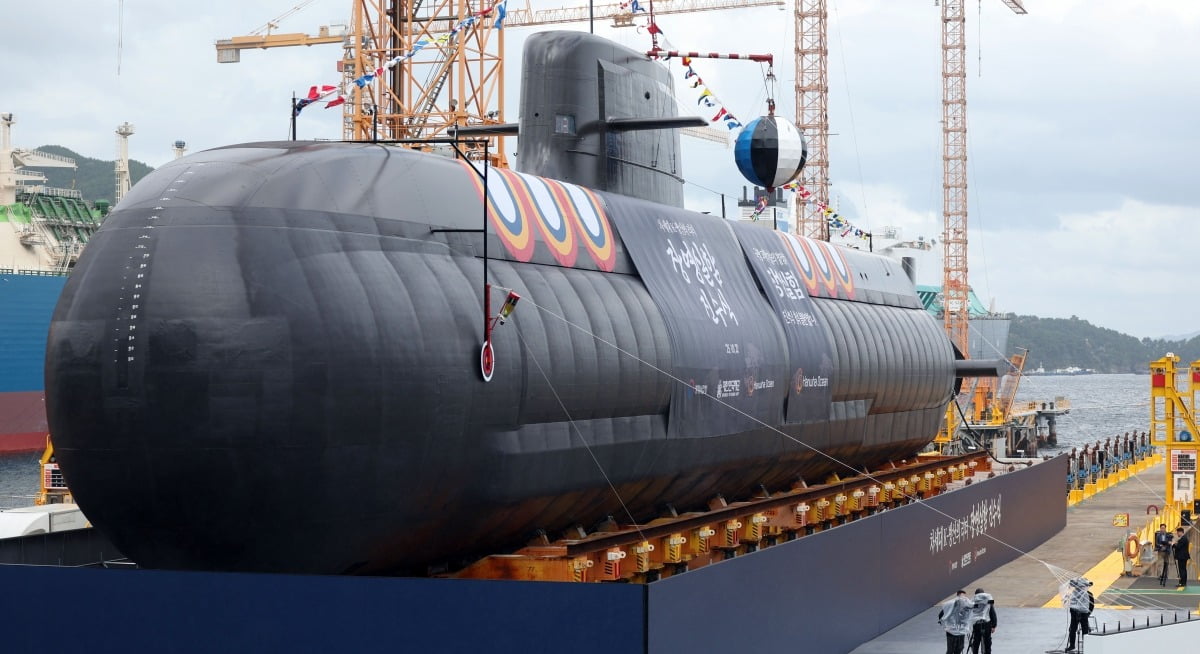
Next-generation submarine program valued at 60 trillion KRW (approximately 45 billion USD) sets up Korea–Germany showdown
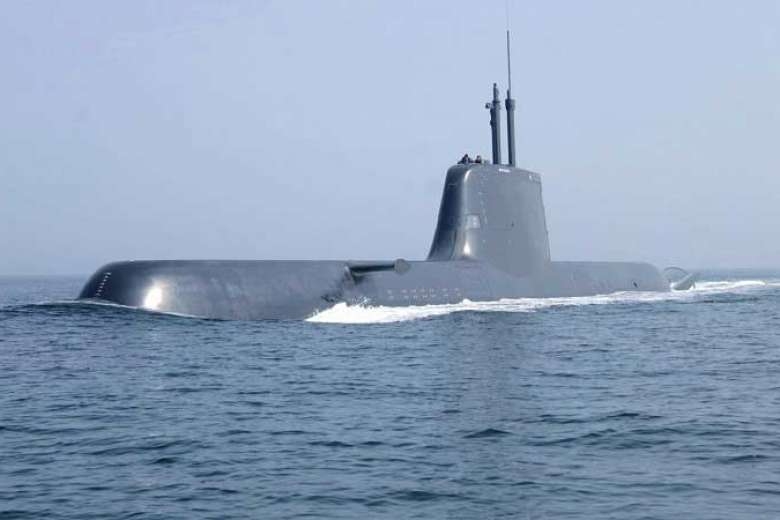
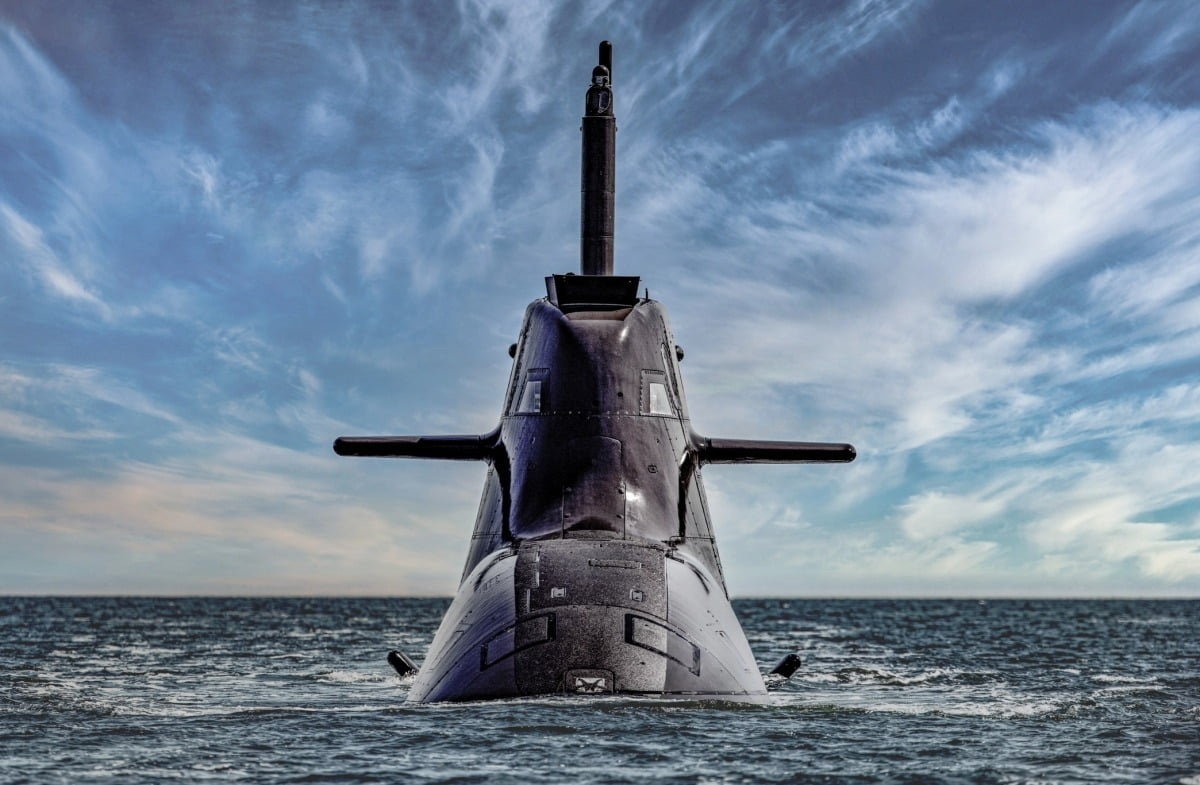
The naval centerpiece is Canada’s Next Submarine Project (CPSP). Estimated at up to 60 trillion KRW (approximately 45 billion USD), the program seeks to acquire about eight conventionally powered submarines to replace the aging Victoria-class fleet. The competition has narrowed to Team Korea — a consortium of Hanwha Ocean and HD Hyundai Heavy Industries — and Germany’s ThyssenKrupp Marine Systems (TKMS), creating a direct Korea–Germany rivalry.
Ottawa has formally issued an RFP to the Korean team. Beyond technical merit, the decision will hinge on promises for local construction, MRO (maintenance, repair and overhaul) work and job creation in Canada.
Hanwha signs Alberta MOU on energy, shipbuilding and defense to counter ‘Buy Canadian’
Responding to Canada’s ‘Buy Canadian’ procurement preferences, Hanwha Group signed a comprehensive memorandum of understanding in April with Alberta’s provincial government covering energy, shipbuilding and defense cooperation.
Hanwha Energy, Hanwha Ocean and Hanwha Aerospace will explore collaboration on oil, LNG, hydrogen, carbon capture and storage (CCS), and building out defense and shipbuilding supply chains. Because Canadian procurements emphasize local production, technology transfer and employment, this provincial-level partnership could give Hanwha a competitive economic argument in the defense procurement race.
“One-Team” approach from shipyard workers to supply chains takes institutional shape
The two governments announced a ‘2025 Korea–Canada Defense Cooperation Plan’ via a joint defense committee, discussing an MOU on shipyard workforce training, defense industry roadshows and joint supply-chain management. South Korea’s Defense Acquisition Program Administration has proposed jointly managing parts and maintenance supply chains by operating common platforms, designing cooperation anchored on long-term systems such as the K9 and submarines. Canada also signed a Letter of Intent on strategic cooperation in defense, space and maritime areas, formally naming South Korea a partner with complementary industrial capabilities.
![단독]](https://cdn-union.tenbizt.com/contents/crawler-dev/image/2026/04/CP-2025-0103/image-e9fa4702-93b0-4ad0-81ba-001db0945ce4.png)
Securing both army and submarine tracks could give Korea a foothold in North America
Analysts say that if Seoul succeeds on both fronts — army modernization and the submarine program — it would gain a strategic foothold to expand into the North American defense market, building on earlier inroads in Europe and the Middle East. For Canada, partnering with South Korea offers a pathway away from a U.S.-centric procurement posture while helping rebuild domestic shipbuilding and defense capacity and bolstering Arctic and Atlantic security.
Commander Wright’s remark that the partnership which began in the Korean War could extend into a modernized army and a new submarine fleet symbolically underscores expectations for this two-track alliance.










Most Commented