
Translation result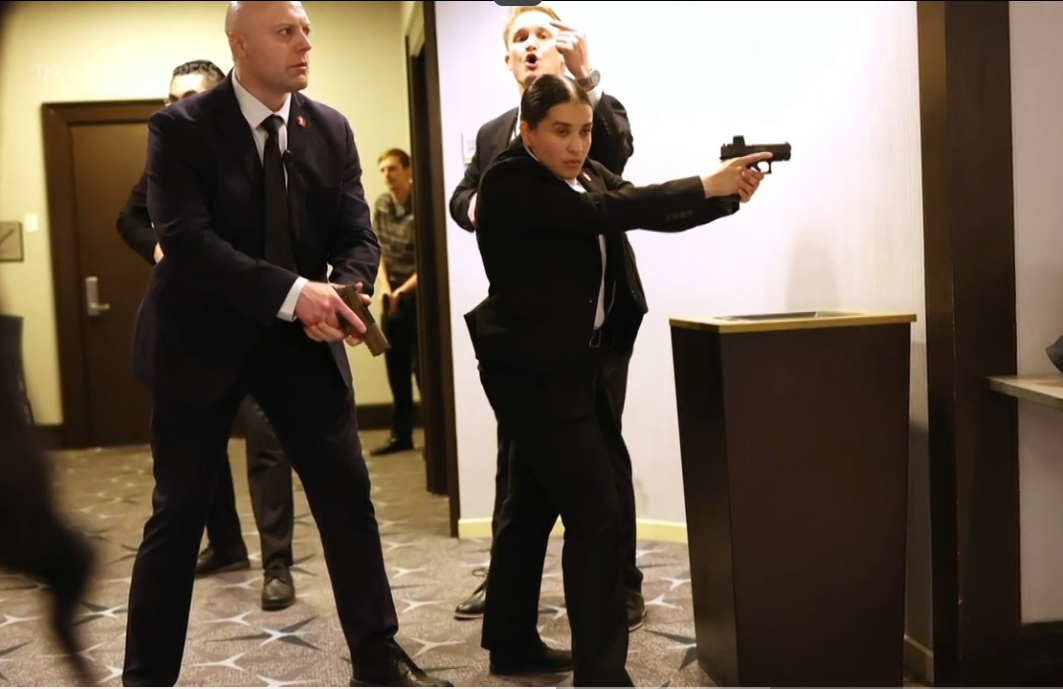 President Donald Trump has survived three assassination attempts, prompting debate over whether his protective detail ultimately succeeded or failed.
On the 29th, foreign outlets reported that Trump has faced three attempts on his life to date. The first occurred July 13, 2024, at a rally in Butler, Pennsylvania, when a bullet grazed his right ear and one attendee was killed.
The second came Sept. 15, 2024, at Trump International Golf Club in West Palm Beach, Florida, when authorities arrested Ryan Wesley Rouse hiding near the course with a rifle. The U.S. Department of Justice charged him with attempting to assassinate a former president; he later received a life sentence. The most recent attempt unfolded at the White House Correspondents’ Association dinner.
Security experts say the detail protected the president directly but failed to prevent an armed attacker from reaching the venue perimeter. Trump was unharmed, and security subdued the suspect before he entered the event. Still, the fact that a person armed with a shotgun, a handgun and knives reached so close drew sharp criticism.
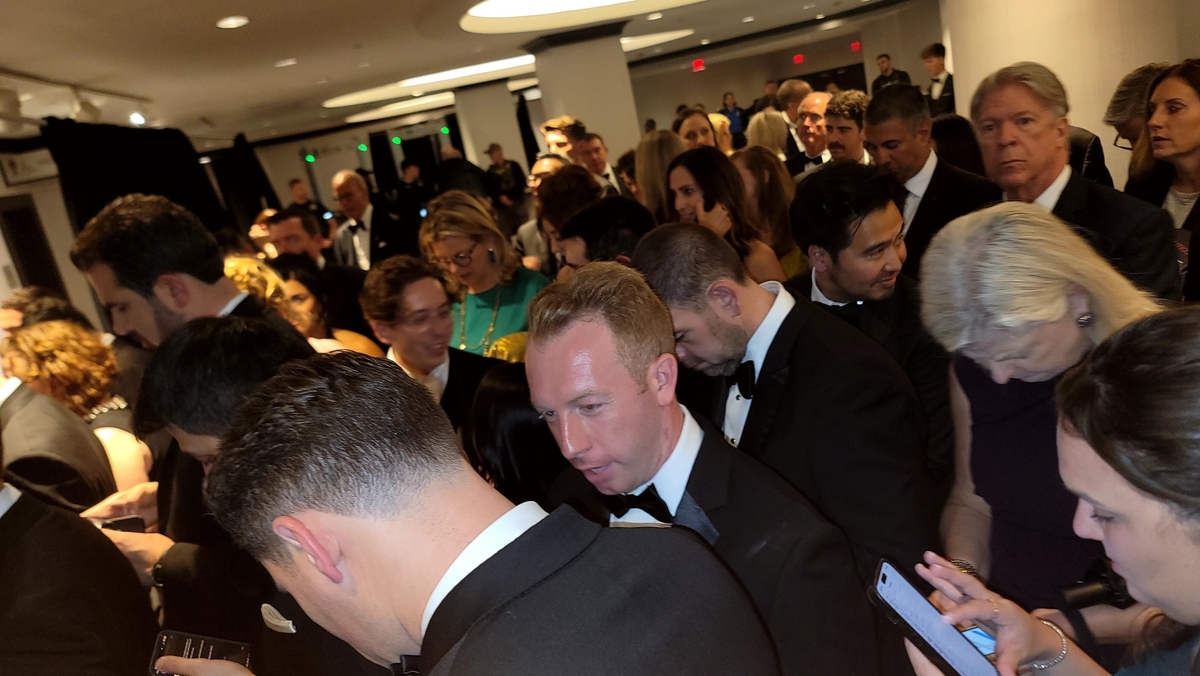 CBS reported that the suspect checked into a room on the 10th floor, dressed in black and carrying a black bag containing a shotgun, a handgun and several knives. He used the hotel stairwell to bypass heavily monitored areas and descended to a floor just a short distance from the event’s entry point.
Analysts criticized what they termed a “vertical movement control failure.” For presidential events, elevators, emergency stairwells, service corridors, kitchen entrances and connections to guest floors are all high‑risk routes. Because the suspect moved from his room into the stairwell and reached the screening line, critics say the security plan failed to control the entire hotel and likely lacked sufficient stairwell monitoring and inter‑floor blocking measures.
Observers also faulted how close the screening area was to the event. The Secret Service described the location as “near a primary metal‑detector screening area,” meaning the suspect reached the space immediately before where the president, vice president, cabinet members and journalists were gathered. Although officers physically restrained him, placing the security line so close to the venue allowed a dangerous proximity. With a shotgun capable of inflicting mass casualties at short range, stopping the suspect right before the event is both a containment success and a serious operational failure for permitting such close access.
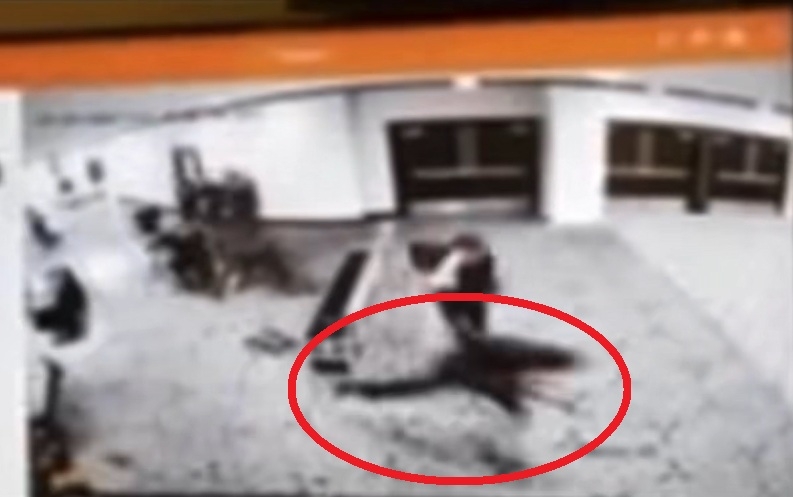 CBS News quoted former agent Timothy LeBlanc, who said the operation had succeeded because the suspect never breached the president’s “protective bubble.” Protective details build concentric rings of security; while the suspect penetrated the uncontrolled “dirty” area where the public mixes, he was stopped in the “clean” zone.
The Hilton where the incident occurred is known as a difficult venue to secure; notably, the March 30, 1981, assassination attempt on President Ronald Reagan also happened outside a Hilton.
Paul Eklund, a former head of a presidential security team, recalled that in the Reagan incident four people were shot and the gunman got within about 20 feet (roughly 6 m) of the president, yet officials at the time considered the response a success. “Nobody was injured in this recent case,” he said. Former agent Mike Matranga added that it’s effectively impossible to seal a busy hotel entirely, so events held in such venues inherently carry elevated risk.















Most Commented