
Translation result.
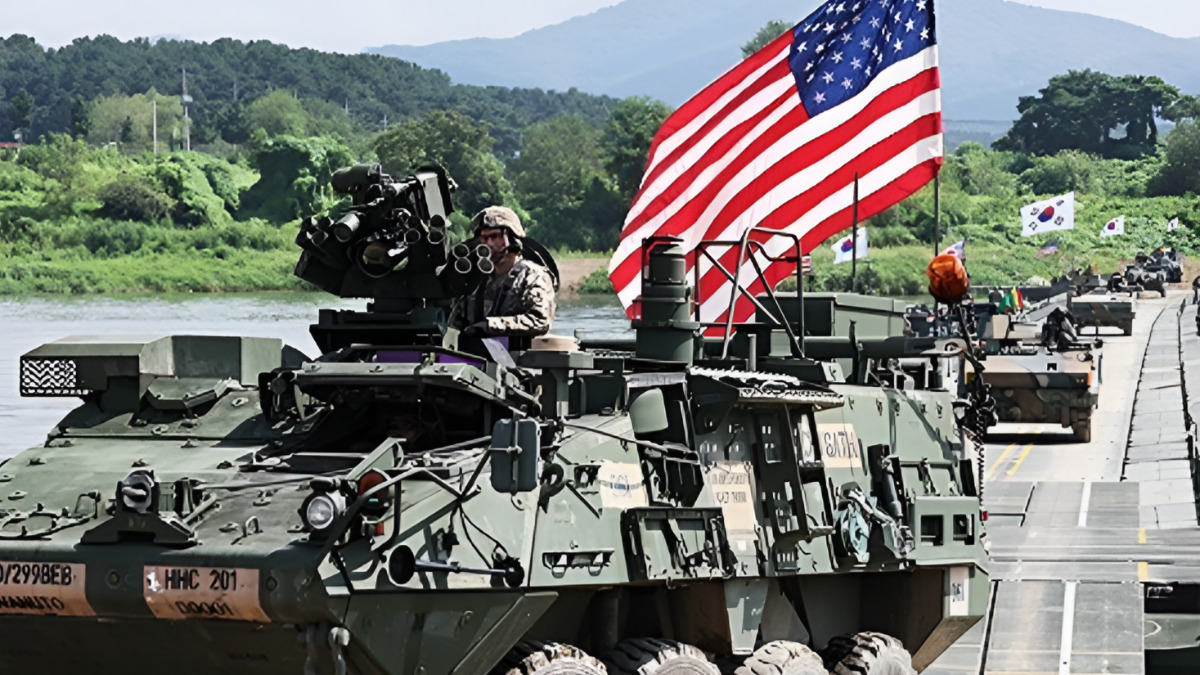
Taiwan’s government says it has not received an official notice from the United States about arms-delivery delays. Still, a senior U.S. official’s comment that sale timetables could be adjusted has raised tensions.
Taiwan is waiting on an arms package valued at up to $14 billion (about 18 trillion KRW). With Chinese military pressure rising, these deliveries are less about procurement cycles and more about Taiwan’s timeline for survival.
Washington faces a stark choice: which conflicts get priority access to limited stocks of ammunition and precision munitions. Support for allies now competes directly with U.S. force readiness for the same inventories.
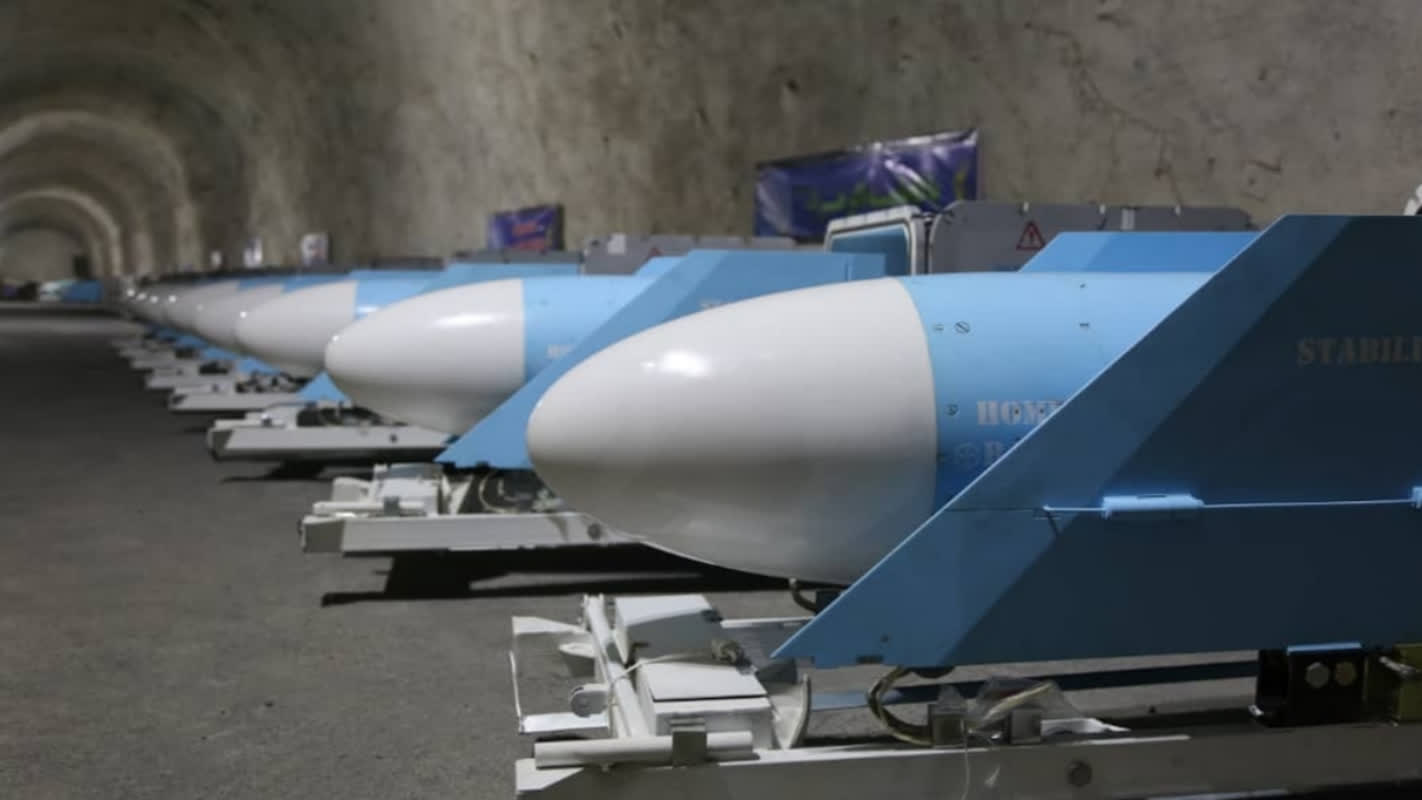
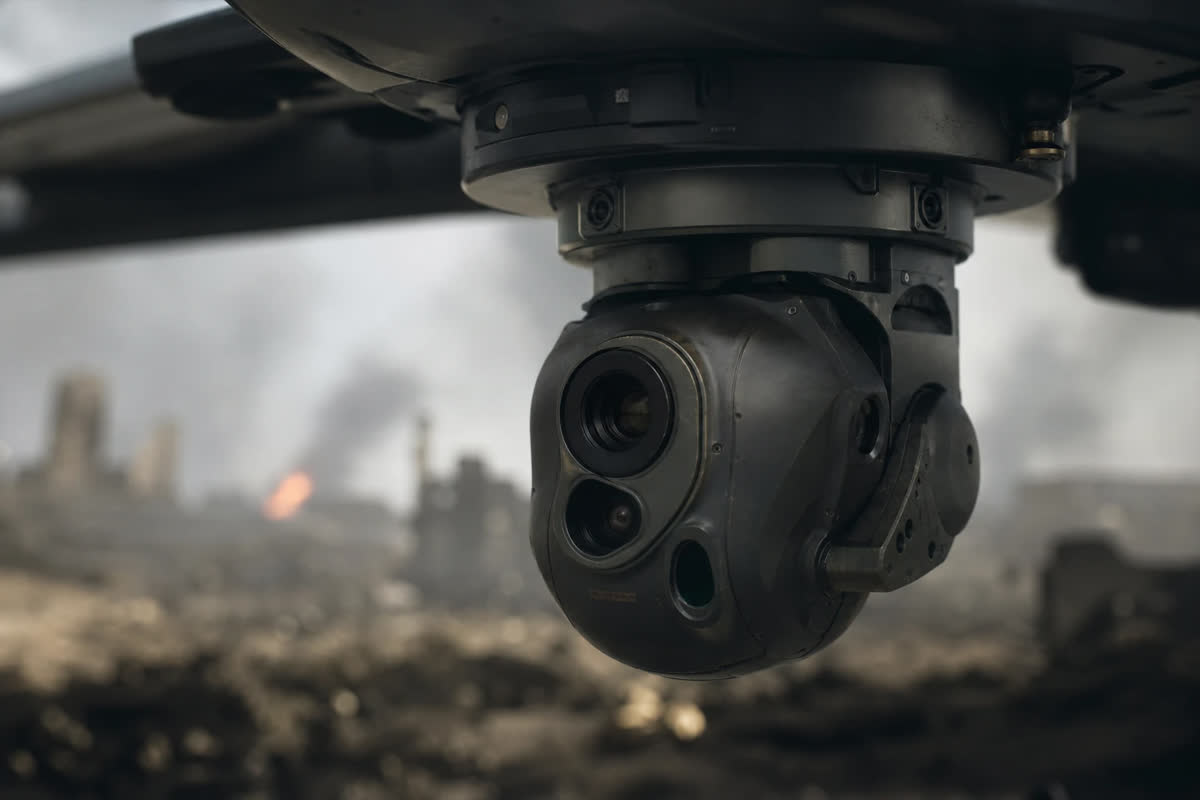
More analysts argue Taipei needs asymmetric capabilities — anti-ship missiles, mobile launchers and drones — sooner than expensive platforms like fighters. Even after contracts clear, training and systems integration can take years, so delivery slippages quickly create capability gaps.
The core of Taiwan’s defense: the hedgehog strategy and the race for speed
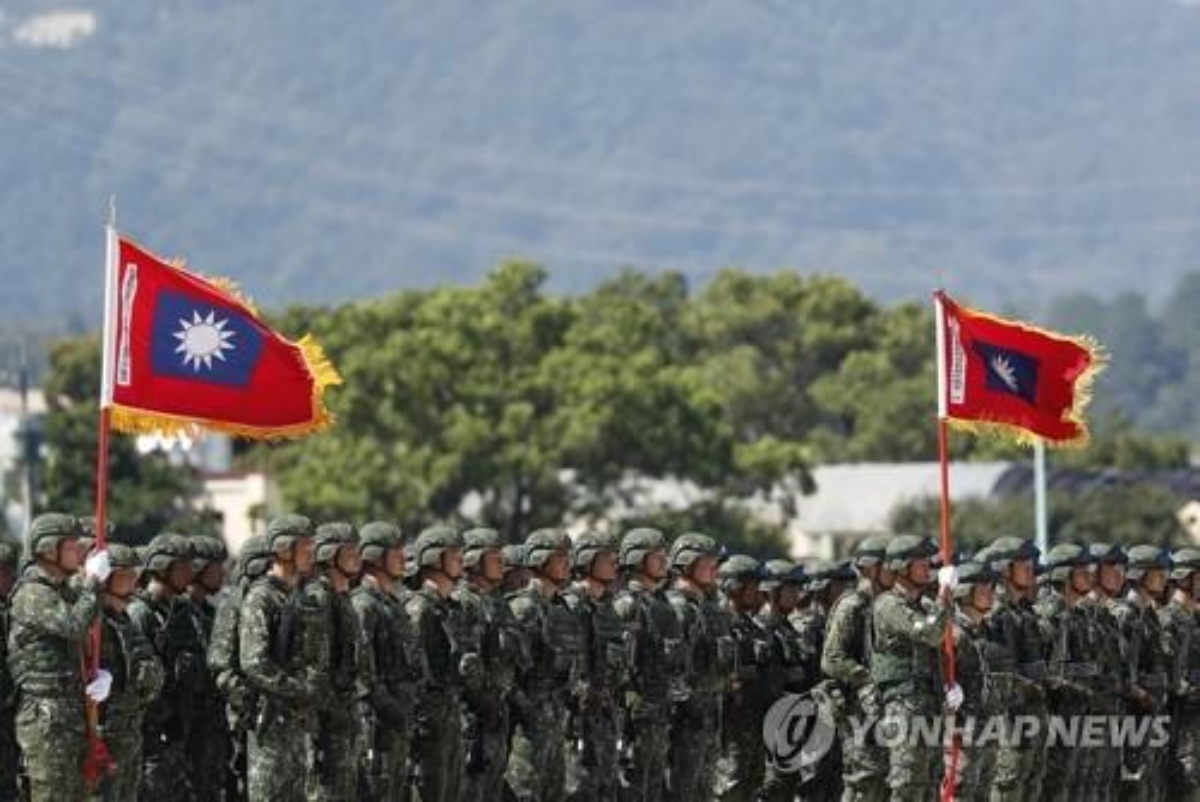
Taiwan’s defense approach is a cost‑effective, asymmetric “hedgehog” strategy: saturate likely avenues of attack with missiles and drones rather than prioritize expensive, high-end platforms. The goal is to maximize the cost for any People’s Liberation Army force attempting a crossing.
But U.S. supply‑chain bottlenecks that delay tactical systems erode that strategy. When equipment doesn’t arrive on time, live training, ammunition buildup and follow‑on security plans cascade behind schedule.
Beijing likely factors those industrial limits and Taipei’s readiness gaps into its calculations. Even short of full-scale war, the result is an opening to intensify gray‑zone pressure and encirclement operations.
A U.S. signal that domestic inventories come first is a blunt reminder: allied deliveries depend more on production capacity than on diplomatic pledges. In a multi‑theater crisis, Washington may struggle to sustain simultaneous commitments.
Global defense supply chains: South Korea is no exception
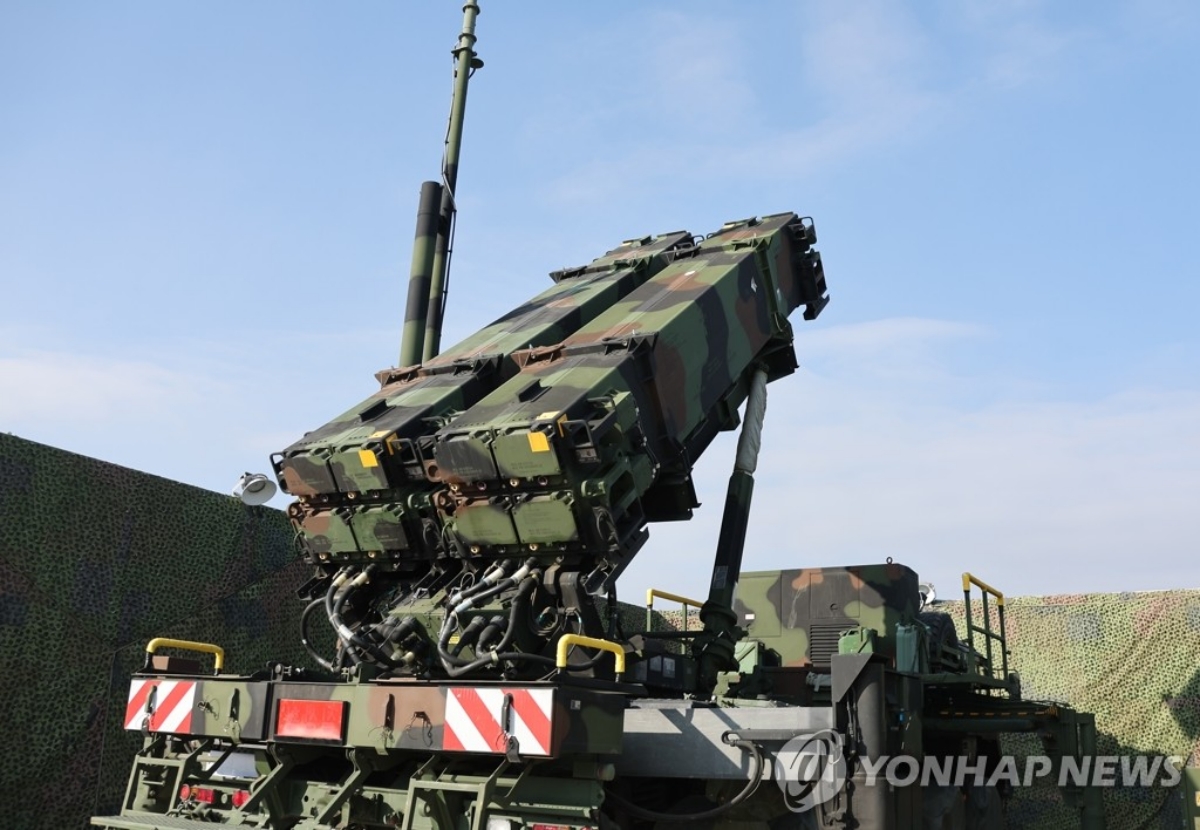
South Korea’s security context differs from Taiwan’s, but it similarly depends on U.S. supply chains for weapons and munitions. Advanced systems like Patriot interceptors and precision missiles are in high demand across allied militaries.
If fighting escalates in one theater and Washington reallocates stockpiles there, Seoul’s procurement timelines could slip. This is not about loyalty; it’s about the physical limits of global defense manufacturing and inventory.
The Taiwan arms debate underscores a blunt reality: Indo‑Pacific deterrence rests more on factory output and depot inventories than on diplomatic rhetoric. Weapons that deter real war must be in place before a crisis erupts.
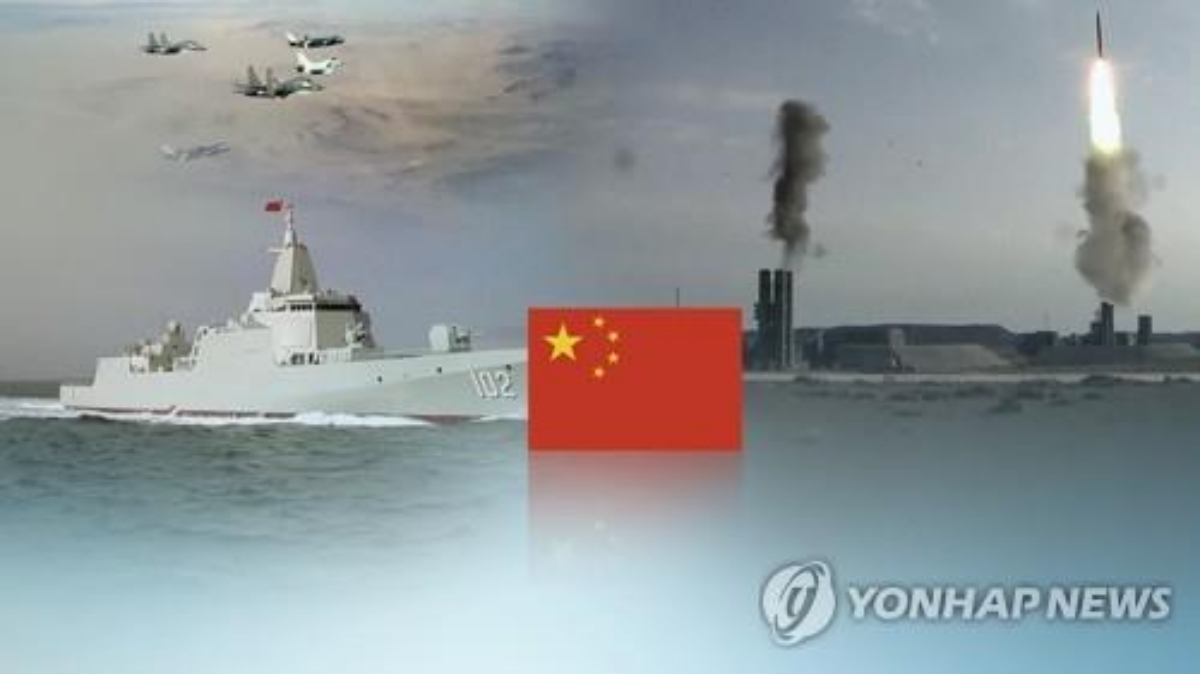
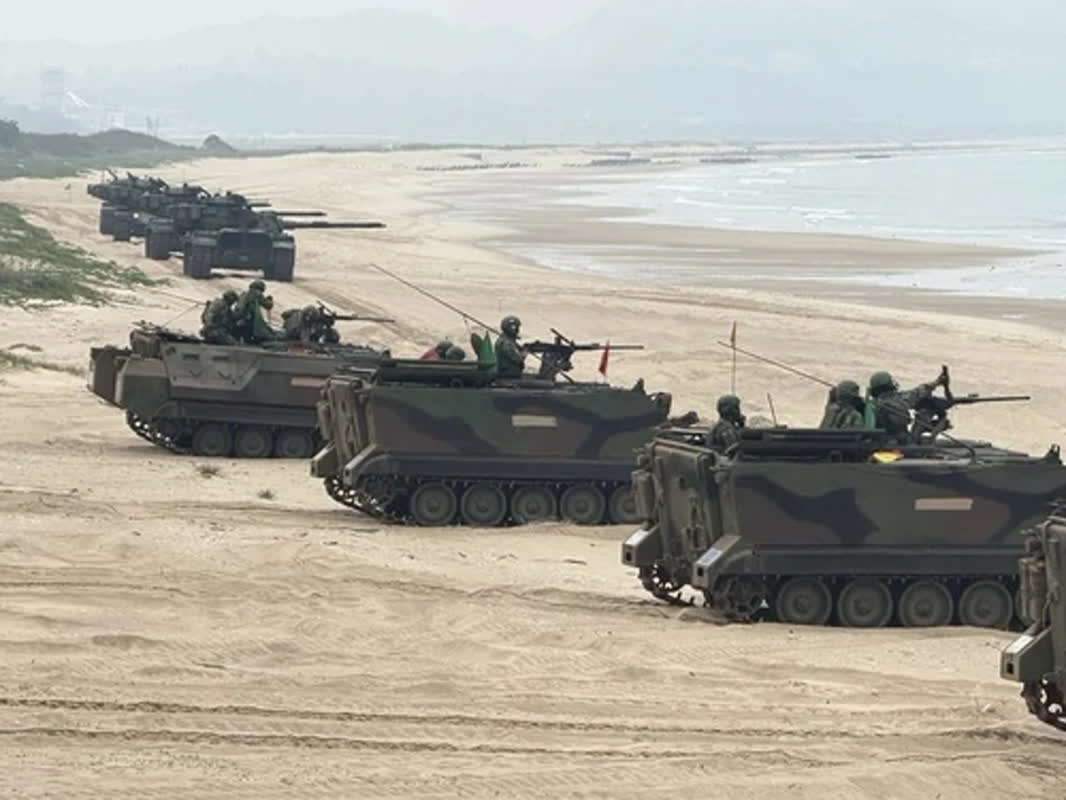
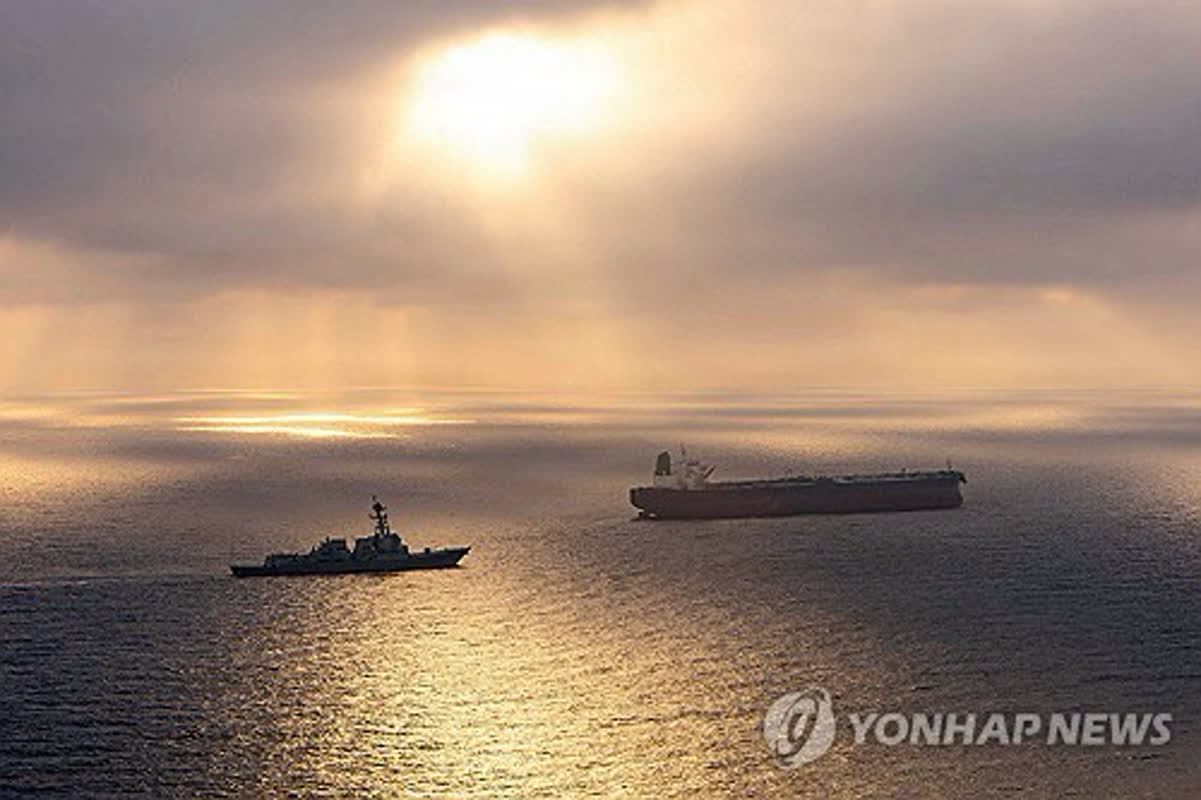
China repeatedly practices maritime blockades to degrade Taiwan’s air defenses and military endurance. As pressure around Taiwan grows, weapon consumption accelerates and Taipei becomes increasingly dependent on U.S. supply lines.
Ultimately, Seoul should lower its dependence on foreign ammunition and precision weapons and build independent, pre‑positioned stockpiles. If depots sit empty, even the strongest military alliances risk becoming paper commitments.
실시간 인기기사
- “Is the Arctic next for China?”…Why Beijing really went to the Arctic with stacks of cash
- “Washington, New York could be razed”…Russian nuclear submarines threaten near the U.S. mainland
- “With North Korea, China and Russia’s nuclear forces growing”…Why South Korea is seriously weighing an independent nuclear deterrent









Most Commented