
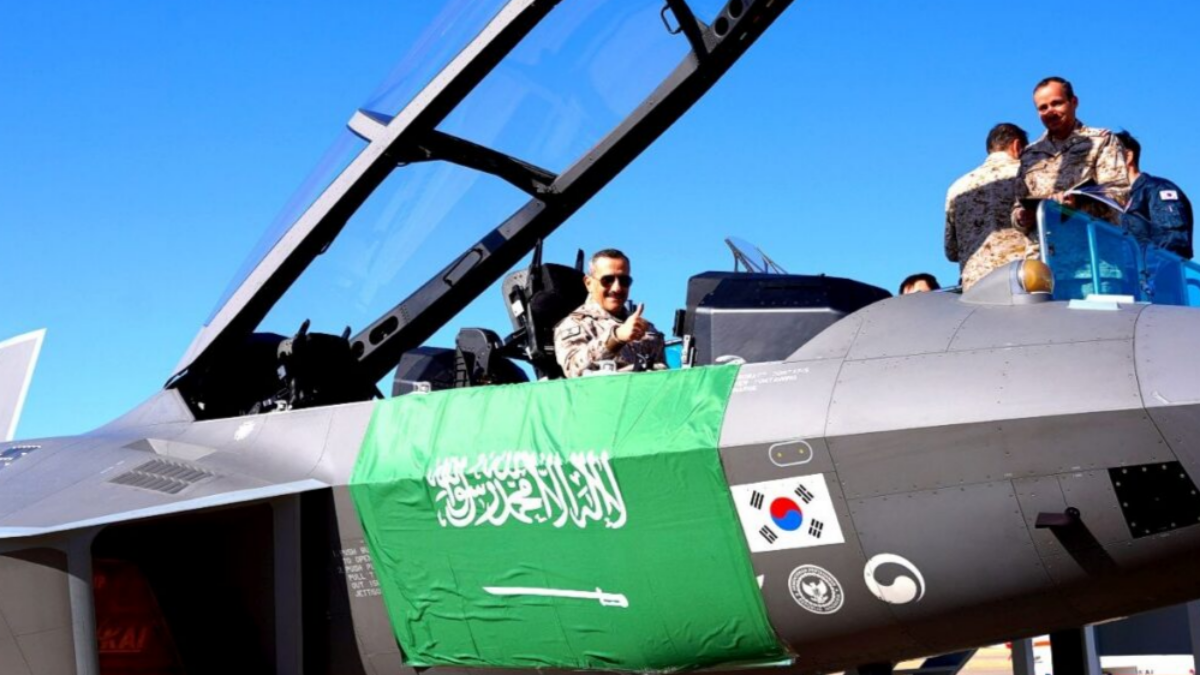
Blocked from the F-35, Saudi Arabia Looks to the KF-21
Saudi officials pursued both additional Eurofighter purchases and the F-35, but Germany’s export opposition and political and security constraints from the United States repeatedly thwarted those plans.
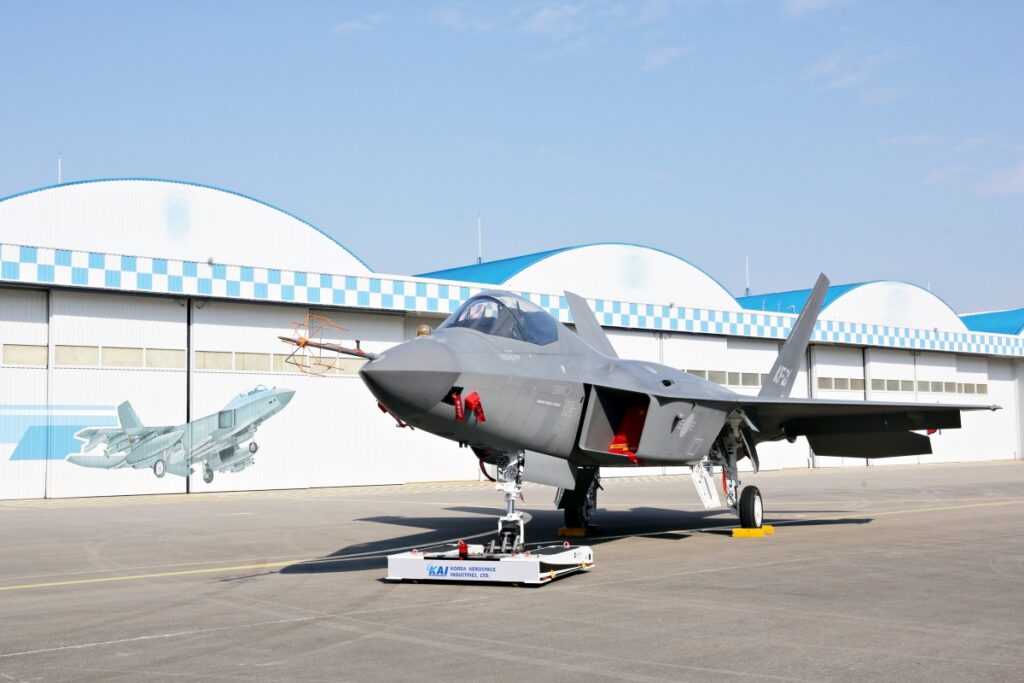
South Korea’s 4.5‑generation KF-21 has emerged as a practical option to fill that capability gap.
When the KF-21 airframe and its operational concept were unveiled at WDS 2026 in Riyadh, Saudi air force delegates reportedly said, “Finally, an alternative we can choose.”
Weighing cost, capability and political risk, the KF-21 has become the least politically fraught candidate for Saudi Arabia’s next primary fighter.
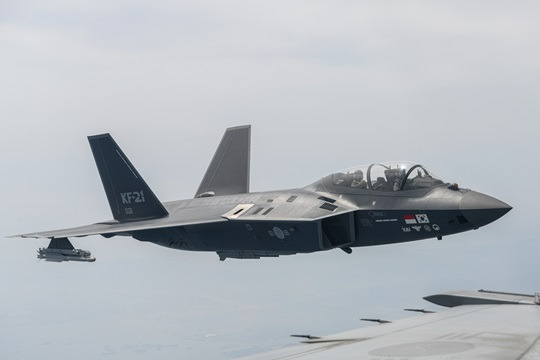
‘Manned Fighter + Drone Squadron’ Paints a Future Air-Combat Picture
The show’s most striking demonstration was a manned‑unmanned team (MUM‑T) concept: one KF-21 paired with four SUCA drones operating as a cohesive formation.
Facing ongoing tensions with Iran, Riyadh has an urgent need for long‑range precision strike and persistent surveillance and reconnaissance.
The concept—KF-21 acting as a rear command and sensor node while SUCA drones enter high‑risk areas first to strike and disrupt—aligns closely with those operational requirements.
The idea of a single pilot simultaneously controlling manned and unmanned platforms left a strong impression on Saudi observers.
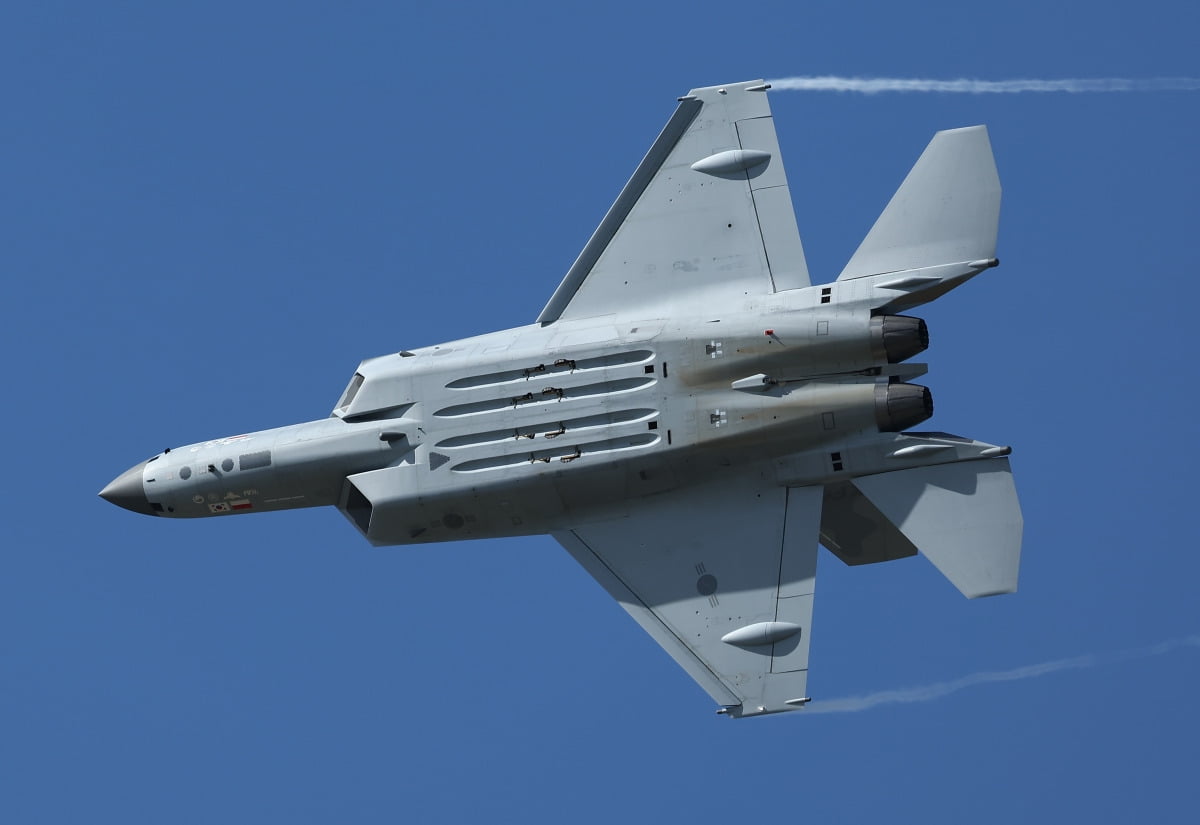
From Aegis‑class Air Defenses to the KF-21: The Strength of an All‑in‑One Package
Seoul’s offer to Riyadh isn’t limited to the KF-21 airframe.
It frames a national defense package that bundles multifunction ground radars; a layered air‑defense belt built around Cheongung‑II, L‑SAM and LAMD; naval combat systems; escort ships and submarines.
Saudi planners must counter ballistic missiles and swarm drone threats from Iran and Houthi forces simultaneously. South Korea can transfer a model developed to counter North Korea’s threats—with adaptations—to meet that challenge.
Crucially, South Korea positions itself not as a vendor that sells fighters only but as a partner that designs an integrated system linking air force, air defense, navy and unmanned capabilities—an important differentiator.
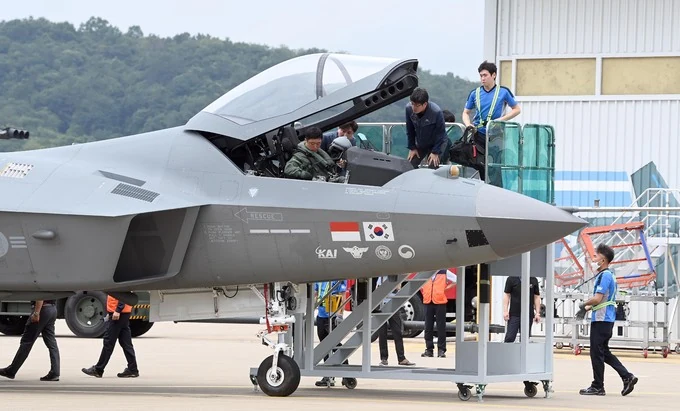
A ‘Co‑Developed Force’ Pitch Aligned with Vision 2030
Another key attraction for Saudi decision-makers is localization.
Under Vision 2030, Riyadh aims to shift half of its defense spending toward domestic production and maintenance.
Korean firms are proposing phased transfers of parts manufacturing, final assembly and MRO (maintenance, repair and overhaul) capabilities for the KF-21, ships and air‑defense systems to Saudi Arabia.
Seoul’s approach—treating Riyadh not as a customer of finished goods but as an industrial and operational partner—fits squarely with the kingdom’s industrialization goals.
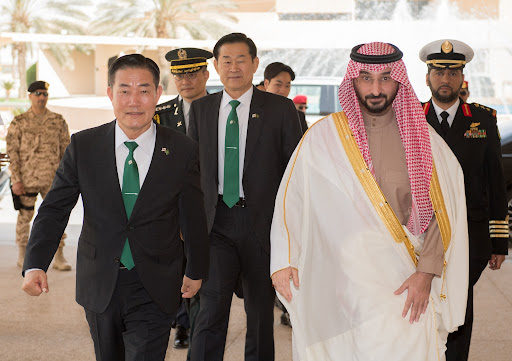
Lower Political Risk and More Flexible Terms Than the U.S. or Europe
Riyadh has already experienced delivery delays and export restrictions tied to human‑rights and foreign‑policy scrutiny when dealing with U.S. suppliers.
Germany’s past decisions to block arms exports to Saudi Arabia for domestic political reasons—separate from broader Indo‑Pacific strategy—also remain a cautionary example.
By contrast, South Korea, while a U.S. ally, projects a relatively neutral image in Middle East disputes and has few major bilateral political frictions with Riyadh.
The K‑defense package—KF-21, K2 tanks and integrated air defenses—appeals as a Western‑aligned capability that is less exposed to disruptive political strings.
“Weapons We’ve Fielded” Build Trust: K2 and Cheongung Pave the Way
The K2 tank and K9 howitzer’s operational validation in Poland, and Cheongung‑II’s demonstrated effectiveness in the Middle East, have helped build confidence in the KF-21 program.
Interest from Saudi and Iraqi military officials in the K2 and K9 stems from those platforms’ real combat and large‑scale operational records.
South Korea’s proven experience across the full lifecycle—from scouting and acquisition to frontline operation and follow‑on upgrades—adds credibility.
That track record has shaped a shared Saudi assessment that the KF-21 is not merely an experimental prototype but a credible future air‑force mainstay.
South Korea’s Move to a ‘Regional Security Architect’ in a 160 trillion KRW (approximately $120 billion) market
Analysts expect the Middle East defense market to expand to roughly 160 trillion KRW (approximately $120 billion) in the early 2030s, with Saudi Arabia at the center.
Seoul is no longer aiming just to sell a few sought‑after systems; it seeks to become a regional security architect covering air, naval and ground forces, air defense and unmanned systems.
The KF-21 and SUCA squadron concept are emblematic—the face of a “Korean‑style modern warfare package.”
What impressed Riyadh was less the single‑system performance and more the package’s ability to help the kingdom become a regional security hub.















Most Commented