
Translation result
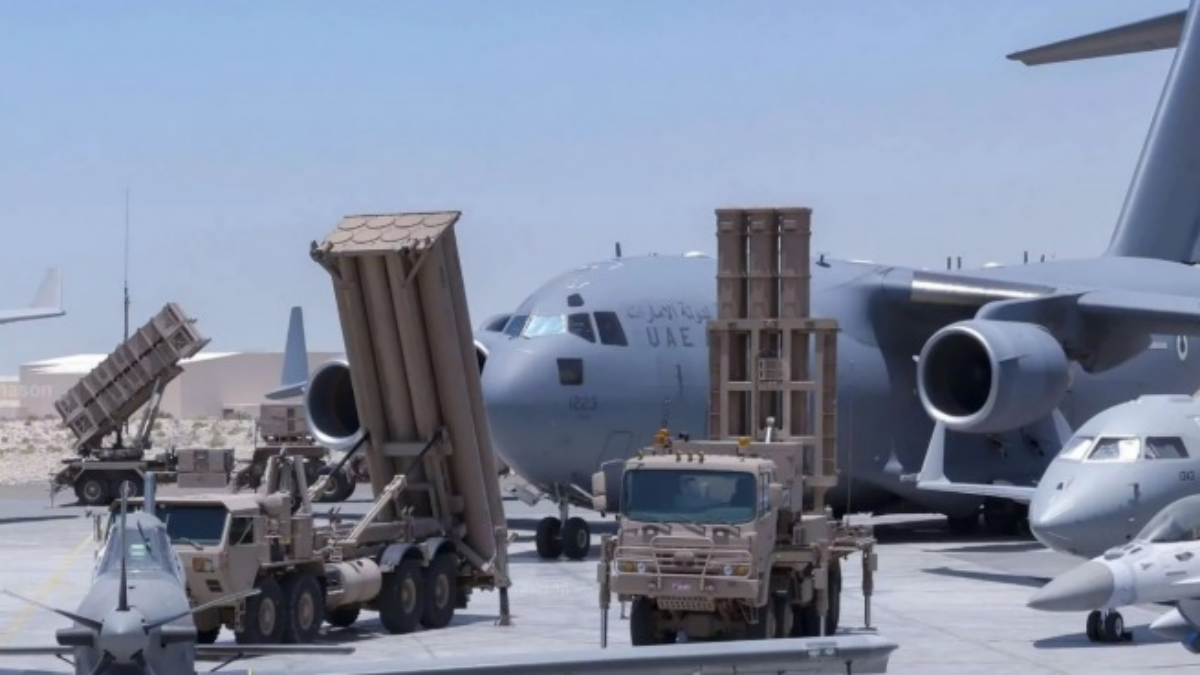
UAE’s Cheongung-II Shines During Iranian Air Strikes
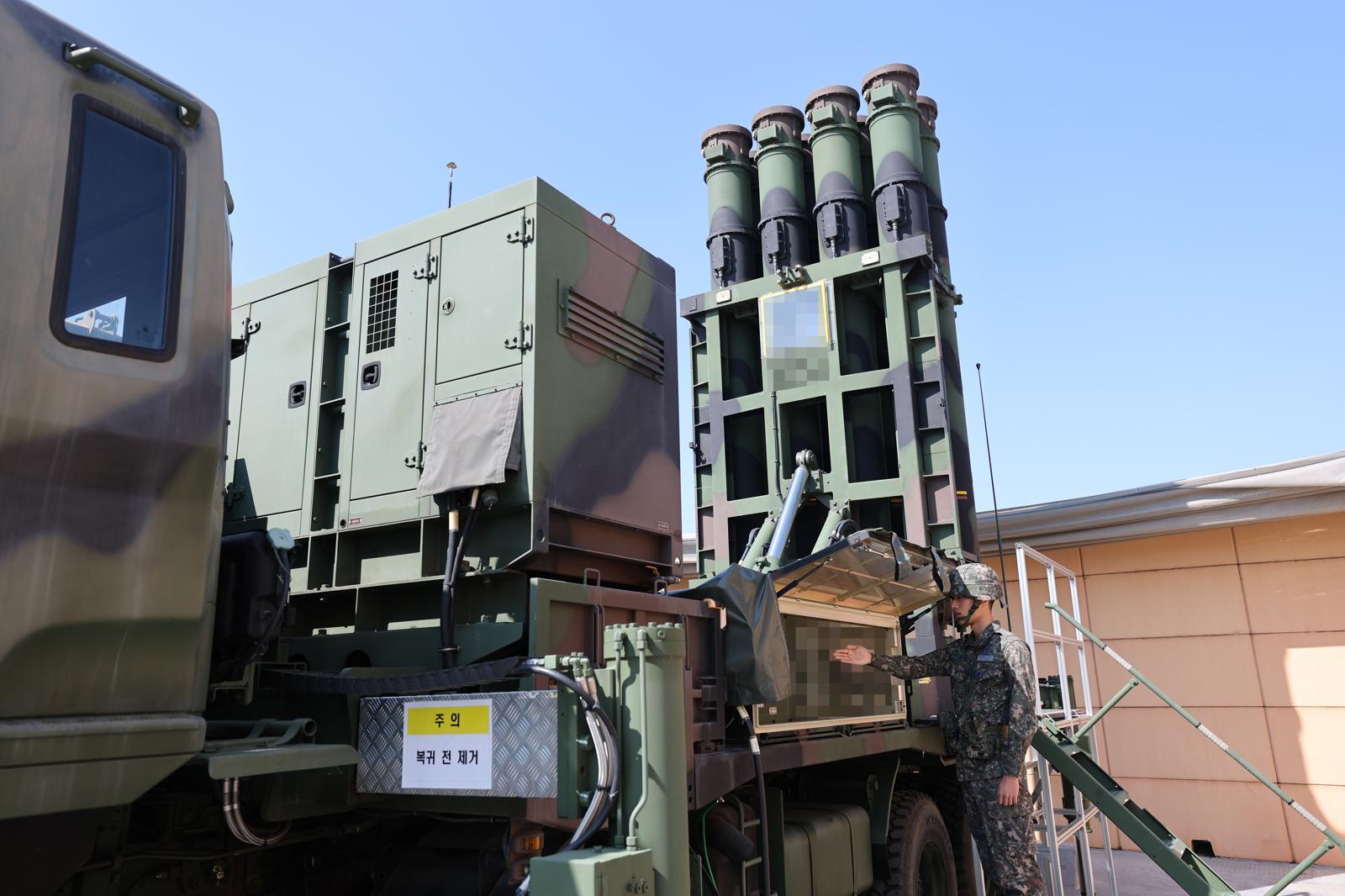
South Korea’s medium-range surface-to-air guided weapon, the Cheongung-II, drew international attention amid a recent surge in Iran-related tensions in the Middle East.
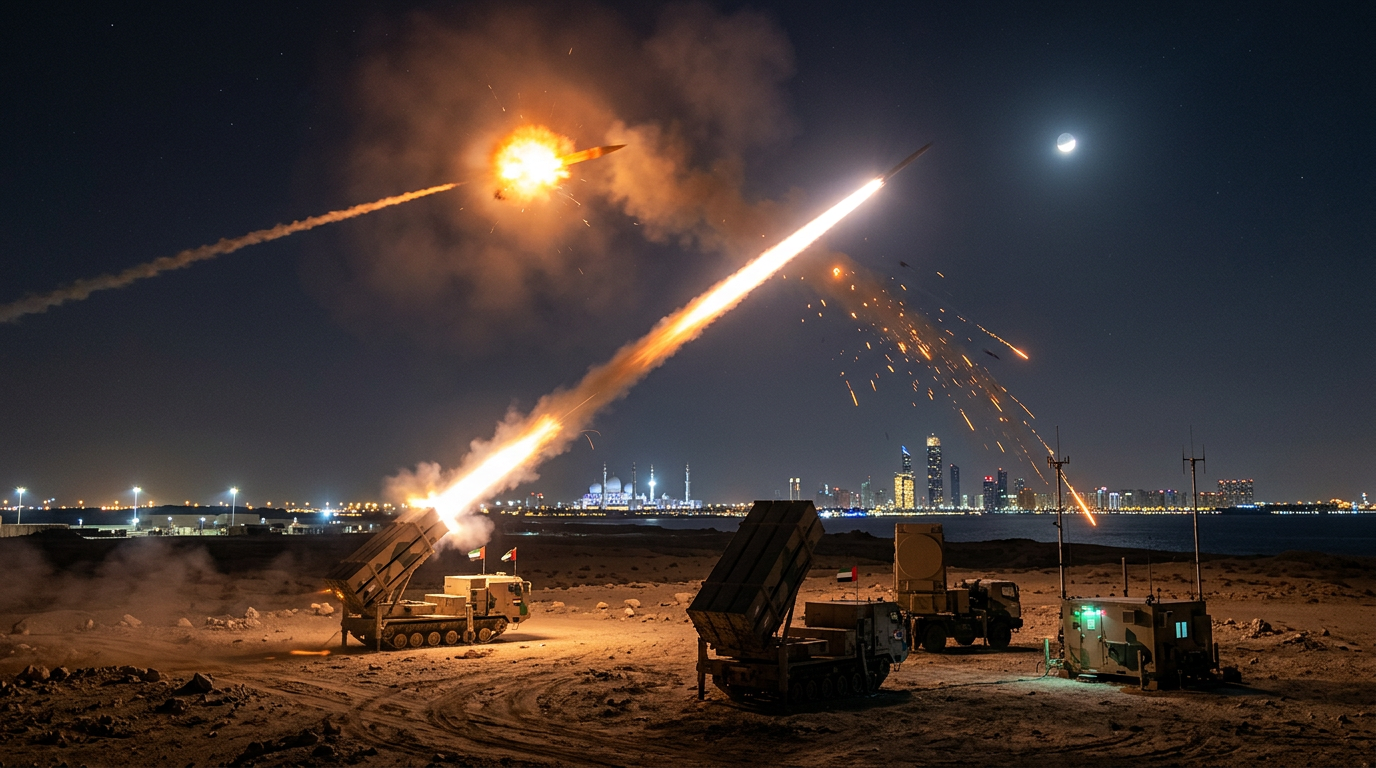
According to a parliamentary report, the UAE’s combat deployment of Cheongung-II against a large-scale Iranian air assault achieved an interception success rate above 96%.
The system, fired from ground positions to engage airborne threats, is capable of simultaneously targeting aircraft and ballistic missiles.
Fielding the Cheongung-II as a central element of the Korean Air and Missile Defense (KAMD) architecture, this combat record has bolstered confidence in what’s being marketed as K-Air Defense.
The ‘Korean Patriot’ Cheongung-II: Role and Standing
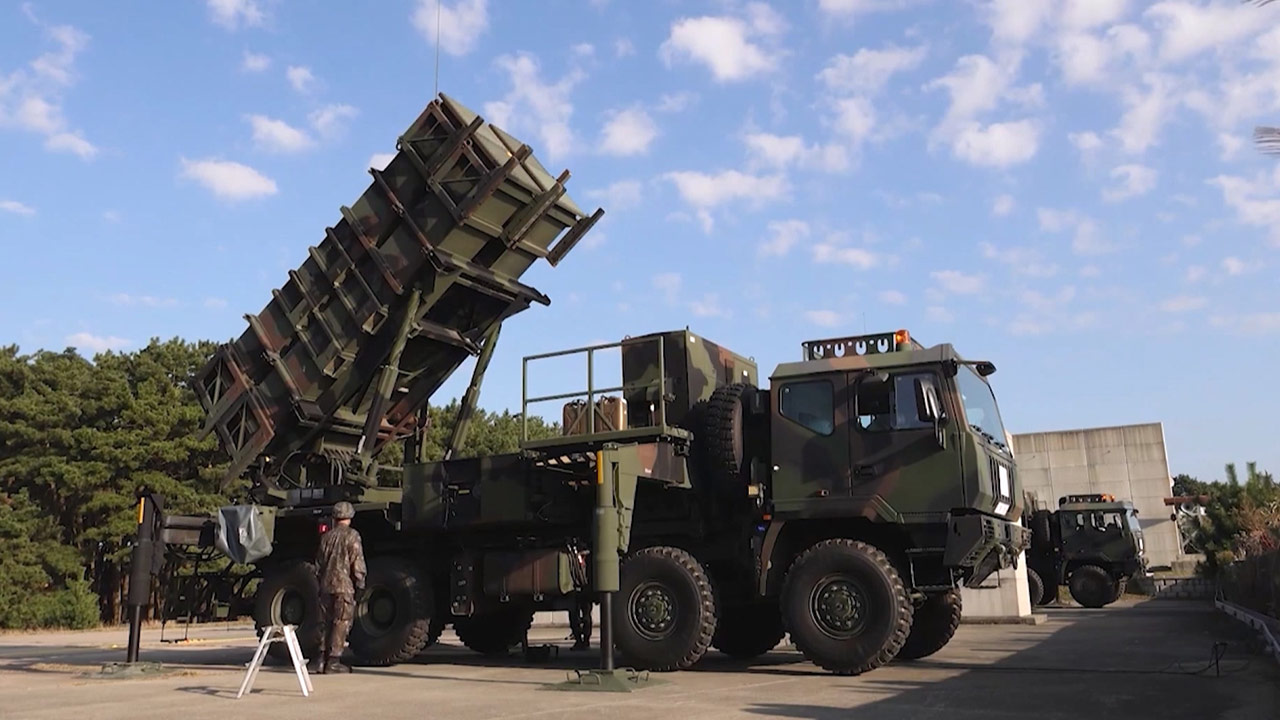
Nicknamed the “Korean Patriot,” Cheongung-II performs a mission set similar to the U.S. Patriot system.
As a medium-range surface-to-air system, it is designed to engage enemy fighters and attack aircraft and to intercept ballistic missiles that descend below specific altitudes.
The Republic of Korea Armed Forces plan to employ it in the mid- to lower tiers of a layered missile-defense network, while coordinating upper-tier coverage with long-range interceptors.
The UAE’s real-world use offers a clear demonstration of the system’s reliability under combat conditions.
Cheongung-II’s ‘Eye’: Hanwha Systems’ Multifunction Radar
At the core of Cheongung-II’s capability is Hanwha Systems’ multifunction radar (MFR).
Built on three-dimensional phased-array technology, the MFR consolidates detection, tracking, friend-or-foe identification and missile-guidance communications into a single system that previously required multiple radars.
It can detect and track aircraft and ballistic missiles approaching from several vectors and includes measures to mitigate jamming.
That capability enables a Cheongung-II battery to function as a compact air-defense node, engaging multiple targets simultaneously with a relatively small footprint.
From Radar Specialist to Integrated Air-Defense Provider
Hanwha Systems has long led South Korea’s radar development efforts and earned a reputation as the country’s radar house.
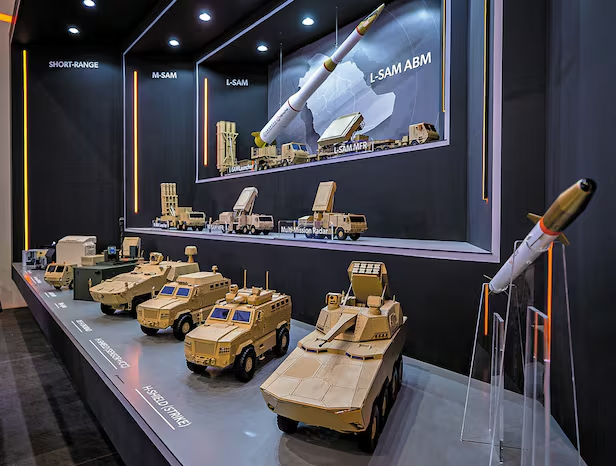
Leveraging MFR experience from the Cheongung-II program, the company is advancing long-range multifunction radars and multi-target engagement radars.
It has also added mobile anti-drone systems to counter small unmanned threats, aiming to provide coverage across low, medium and high-altitude domains.
In short, Hanwha is shifting from selling discrete weapons to offering an integrated air-defense ecosystem that ties together radar, interceptors and command systems.
Another Face of Defense at Sea: Ship Combat Management Systems
Where Cheongung-II guards the skies, Hanwha Systems’ shipboard Combat Management System (CMS) plays the command role at sea.
The CMS fuses inputs from radars, sonars and electronic-warfare sensors to classify threats and issue engagement orders to guns, missiles and close-in defense systems.
Over decades, Hanwha has been the primary domestic supplier of indigenous CMS for South Korea’s principal surface ships and submarines.
The company’s experience integrating sensors and combat systems on naval platforms also feeds back into land-based air-defense solutions like Cheongung-II.
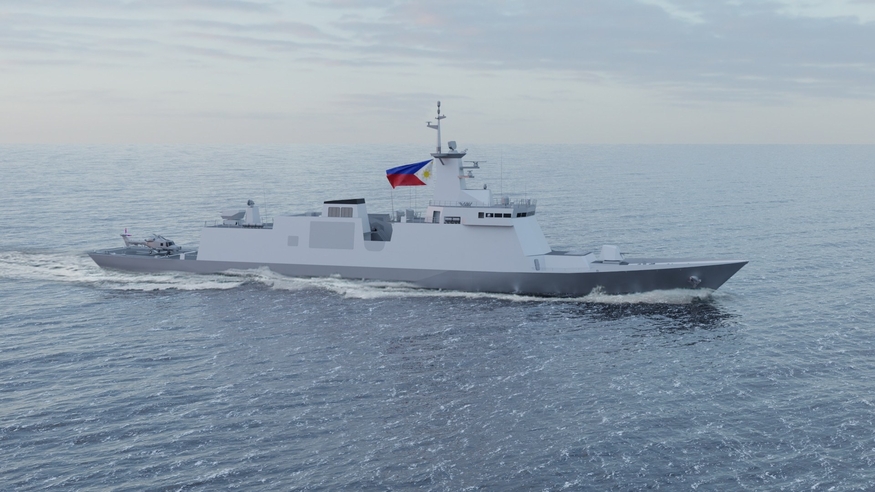
Korean CMS Exported to 15 Philippine Ships
The combat system validated by the ROK Navy is now being adopted by foreign navies.
The Philippine Navy selected Korean CMS for 15 vessels, including 2,600-ton frigates, 3,100-ton patrol ships and a range of coastal patrol craft.
What began with two new frigates has expanded steadily through upgrade programs and new-construction projects.
That progression positions South Korea as more than a weapons vendor; it’s now an exporter of integrated maritime combat systems, offering both combat systems and tactical data links.
The Next Phase of K-Defense: Integrating Sky and Sea
Exports of Cheongung-II, the MFR and naval CMS demonstrate that South Korea’s defense industry can now market bundled platform + sensor + command solutions.
Operational lessons learned in the Middle East and Southeast Asia will likely support additional exports and future upgrades.
Buyers point to competitive pricing and the flexibility for tailored upgrades as strengths relative to U.S. and European systems.
Looking ahead, full-package K-Air Defense offerings—including long-range radars, improved ballistic-missile interception and integrated air-and-missile defense command systems—are expected to attract greater interest.















Most Commented