
Translation result
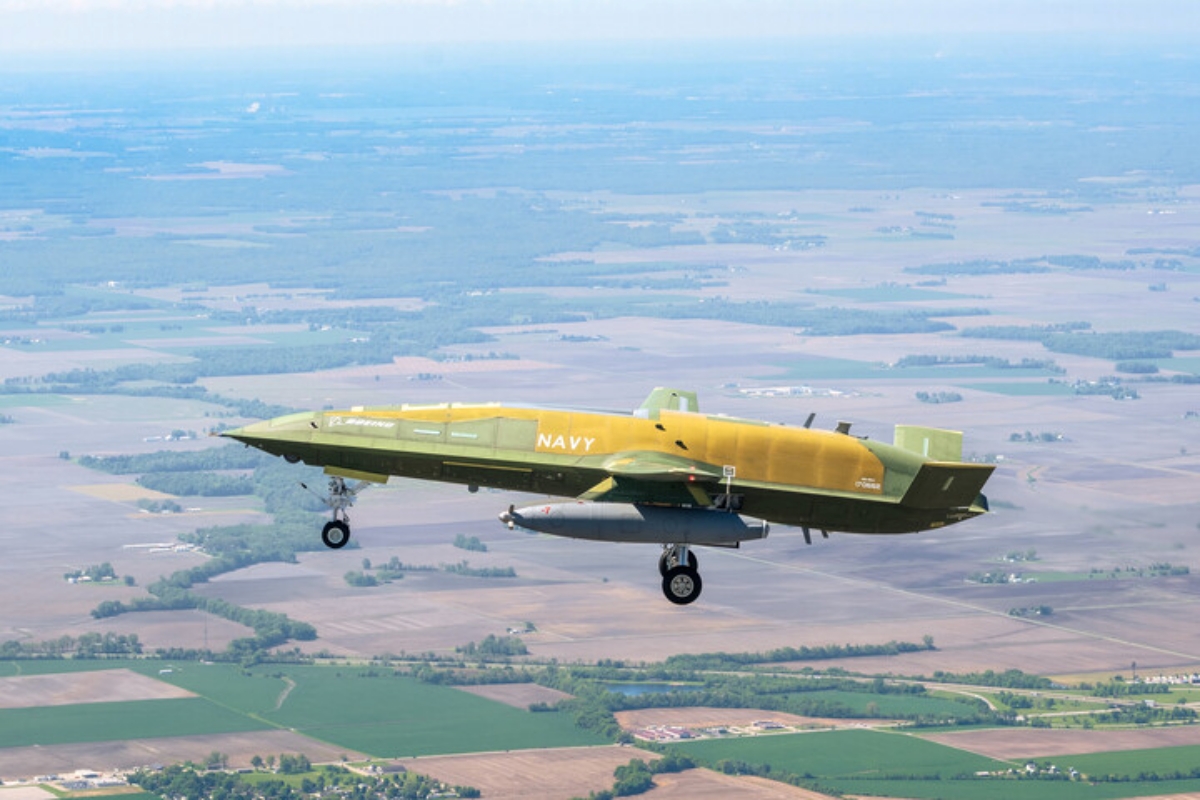
The U.S. Navy’s MQ-25A Stingray unmanned tanker has entered preparations for full-rate production. The Stingray is not a strike aircraft; it launches from carriers and performs aerial refueling for other aircraft.
On the carrier battlefield, fuel equals range — and range equals survivability for both carrier-based fighters and the carrier itself. The Stingray can operate roughly 920 km from a carrier to deliver fuel.
That reach lets modern stealth fighters remain on station over open water far longer without immediate fuel concerns. Until now, crews often removed weapons from scarce combat jets and equipped them with buddy-refueling gear to top off wingmen.
When fighters spent hours acting as refuelers, they consumed flight hours and airframe life. With unmanned tankers taking on that duty, more carrier spots are available for strike-capable aircraft.
China’s missile threat and carrier survivability
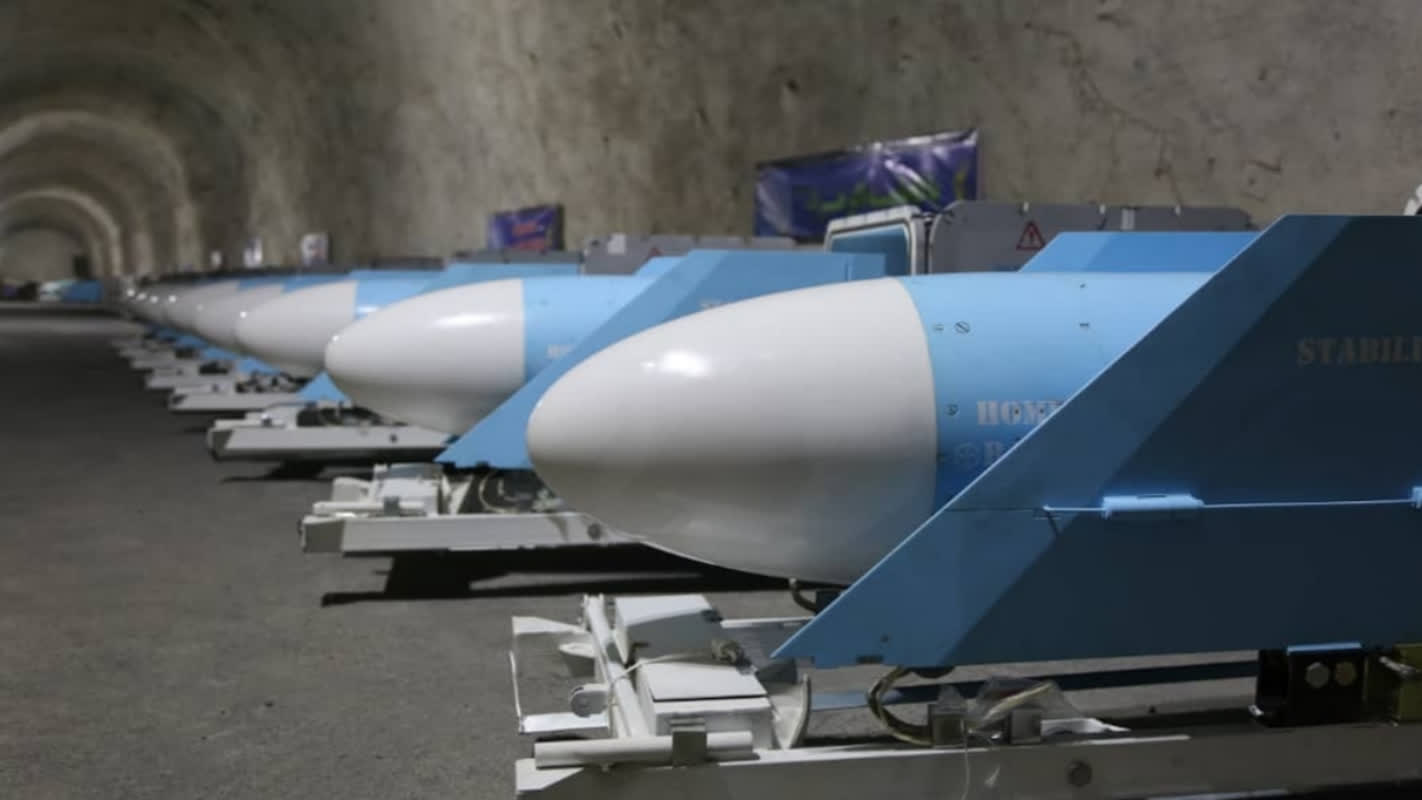
China has deployed dense coastal A2/AD missile layers designed to keep U.S. carriers at arm’s length. Beijing’s calculus has been that pushing carriers seaward will leave U.S. fighters fuel-constrained and unable to strike key targets.
The Stingray blunts that approach by extending the carrier strike group’s reach. Unmanned tankers let carriers operate farther offshore while reducing fighters’ fuel constraints and increasing their access to critical targets.
Put bluntly, those expensive missile belts risk being rendered less effective. Though unarmed, the Stingray undercuts an opponent’s key strategy and can be a game-changing asset.
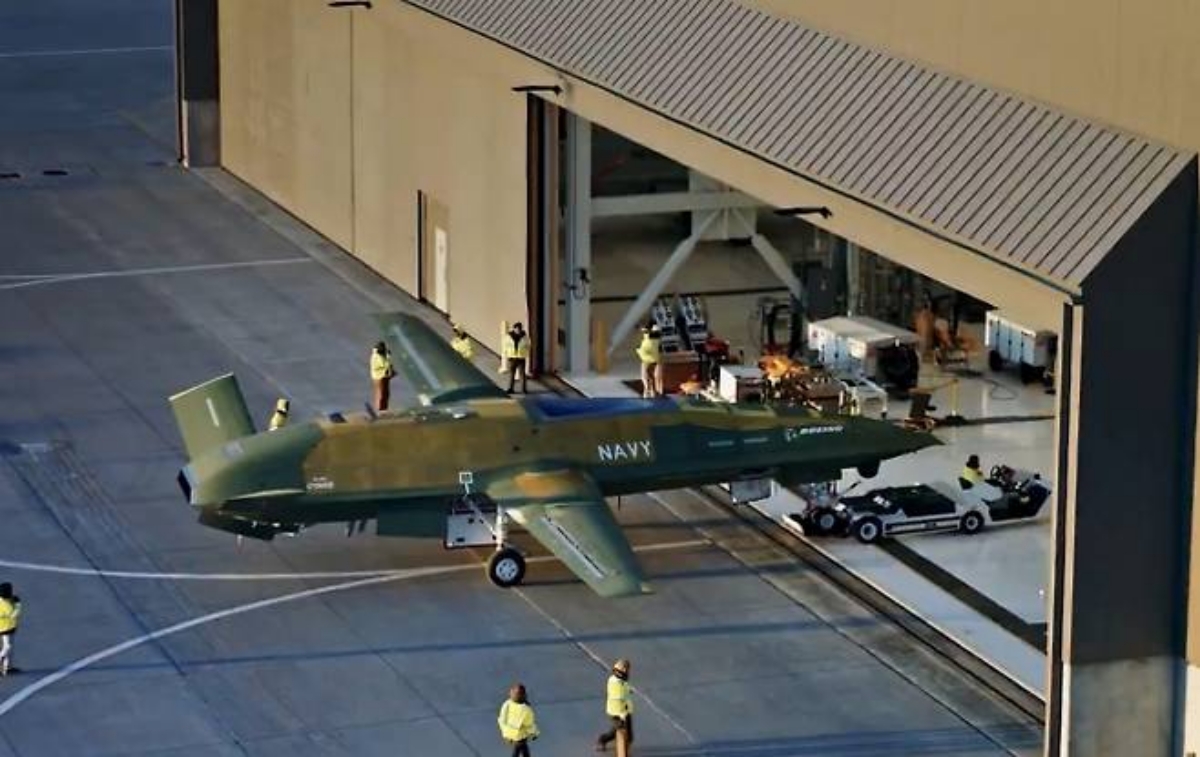
Still, the unmanned aircraft needs further technical validation before it can operate autonomously on a crowded, complex carrier deck. The recent approval marks the start of expanded operational testing, not the delivery of a finished capability.
First step toward an era of unmanned carriers
If the Stingray proves successful, the Navy plans to follow with armed unmanned strike aircraft in coming years. For now, the service is using the clear, focused tanker mission to learn how to operate robotic aircraft from carriers.
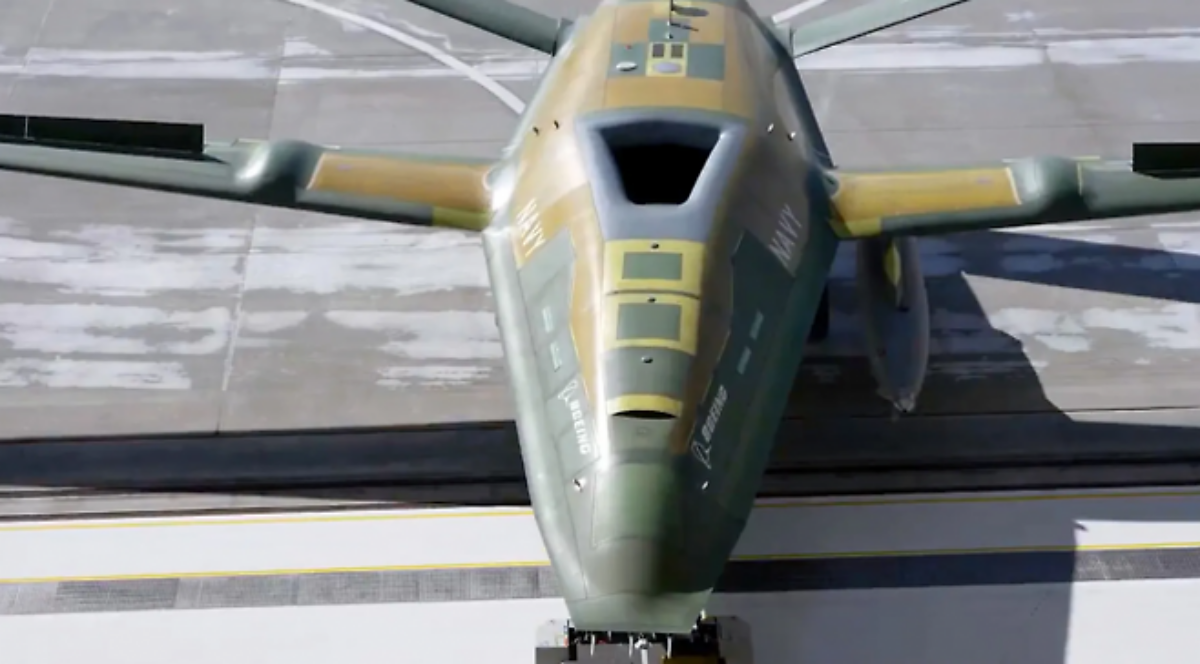
If procedures for managing unmanned aircraft on busy carrier decks are established, integrating unmanned platforms for intelligence, surveillance, reconnaissance or electronic warfare will be easier. If integration fails, however, these systems could disrupt flight operations rather than enhancing combat power.
Unmanned tankers also protect the service life of manned fighters. When jets fly frequently to deliver fuel, they consume flight hours and structural life; offloading that duty to drones preserves scarce airframes.
Consequently, the Stingray both adds capability and acts as a force multiplier, extending the operational life of existing fighters. In long-range modern warfare, those unseen savings can tip the balance.
Trending articles
- “We can live with less U.S. support”… Defense market shaken by moves to retire Boeing military planes
- “If this line breaks, it reaches the White House”… Why the U.S. military is investing KRW 60 billion (45 million USD) into a 30-year-old Cold War relic
- “This isn’t someone else’s problem, Korea is on alert too”… Why Russia’s top stealth fighter added a second cockpit










Most Commented