
Translation result.
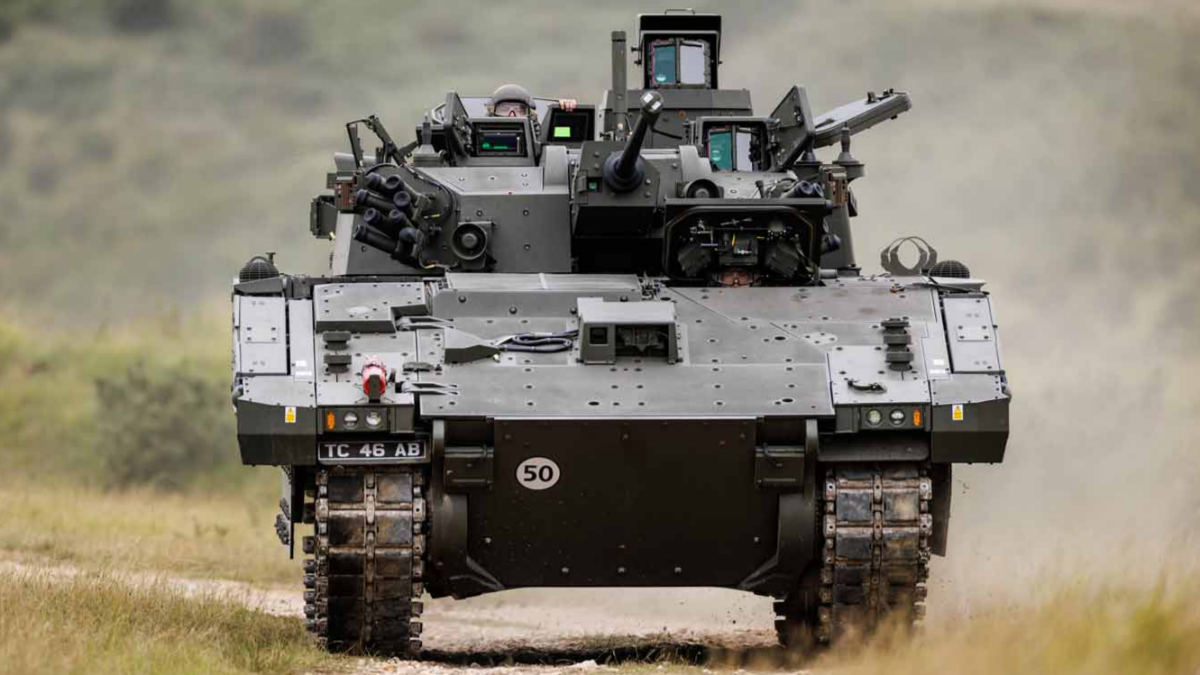
Designed as a ‘light armored vehicle,’ it became a 40-ton-class monster
The Ajax program was launched to replace the British Army’s aging reconnaissance fleet.
Planners originally envisioned a lightweight scout vehicle of roughly 20 metric tons, but escalating protection requirements led to successive layers of armor.
By the time the production variant emerged, its baseline weight topped 36 tons, and with add-on armor it climbed toward 43 tons — an outcome that left the vehicle grossly overbuilt.
Crucially, that weight growth clearly exceeded the capacity of the original chassis and suspension design.
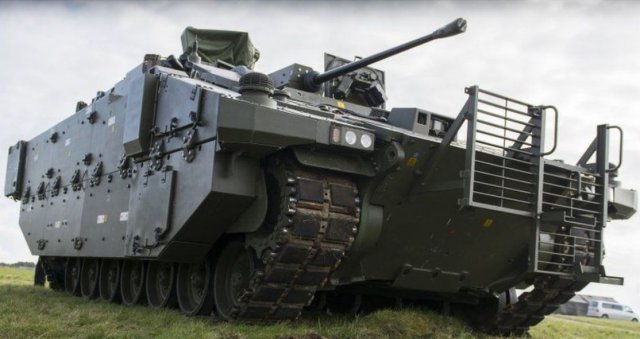
Excessive armor turned it into a structural-vibration nightmare
The hull was never engineered for that added mass, so road shocks and vibrations increased dramatically.
Internal assessments repeatedly documented panel-to-panel resonance, vibration amplification at specific speed bands, and progressive suspension fatigue.
These are not mere assembly defects or production variances; they point to a structural failure caused by a mismatch between the baseline design and the vehicle’s final weight.
A vehicle intended for reconnaissance and high-speed maneuverability has, paradoxically, lost off-road mobility because of its weight and vibration issues.
Mass vomiting at a training exercise — ‘operationally unfit’ conditions
During a recent training event, about 30 personnel aboard Ajax vehicles reported dizziness, vomiting and severe headaches.
In-cabin noise and vibration reportedly far exceeded acceptable limits, and several crew members reported hearing problems.
This goes beyond ordinary motion sickness: specific vibration and noise frequencies can continuously stimulate the inner ear, creating a textbook ‘operationally unfit’ environment.
Armored vehicles accept a degree of noise and shock, but at this level sustained combat operations become difficult if not impossible.
Band‑aid fixes left root causes untouched
After the incidents, the British Army and contractors implemented mitigations such as upgraded shock-absorbing seat pads, issuing noise-cancelling headsets, and adding internal sound-deadening and padding.
Those measures provided limited symptom relief.
They did not address the fundamental vibration sources and resonance originating in the hull structure, suspension and drivetrain.
As a result, crews still confront a vehicle that makes them worry about nausea and headaches before they can focus on fighting.
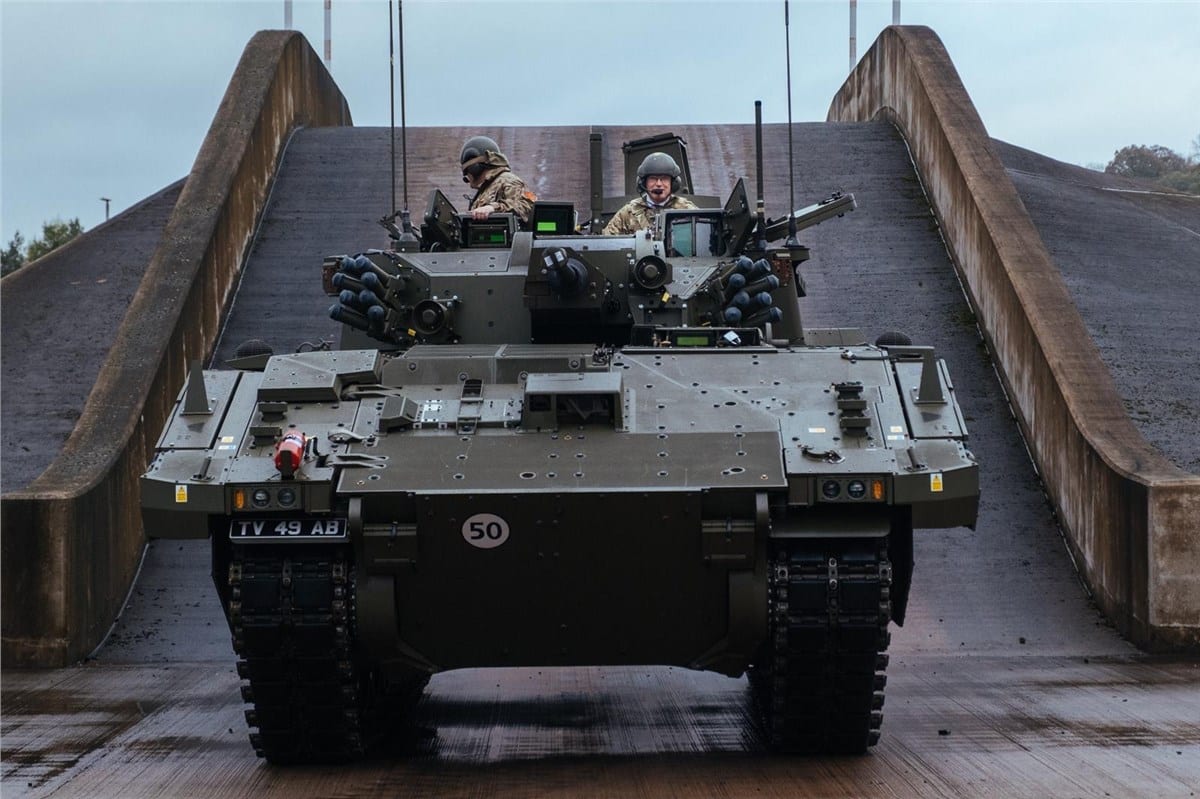
Planned for 2017 deployment, it reached only ‘limited operation’ in 2025
Ajax was originally scheduled to enter service in 2017.
But repeated design changes and growing capability demands pushed back testing and evaluation cycles.
After multiple delays, Initial Operating Capability (IOC) was declared only in 2025 — and then only under restricted conditions.
Critics say the IOC announcement appears driven by political timetables while critical crew-environment and mechanical issues remain unresolved.
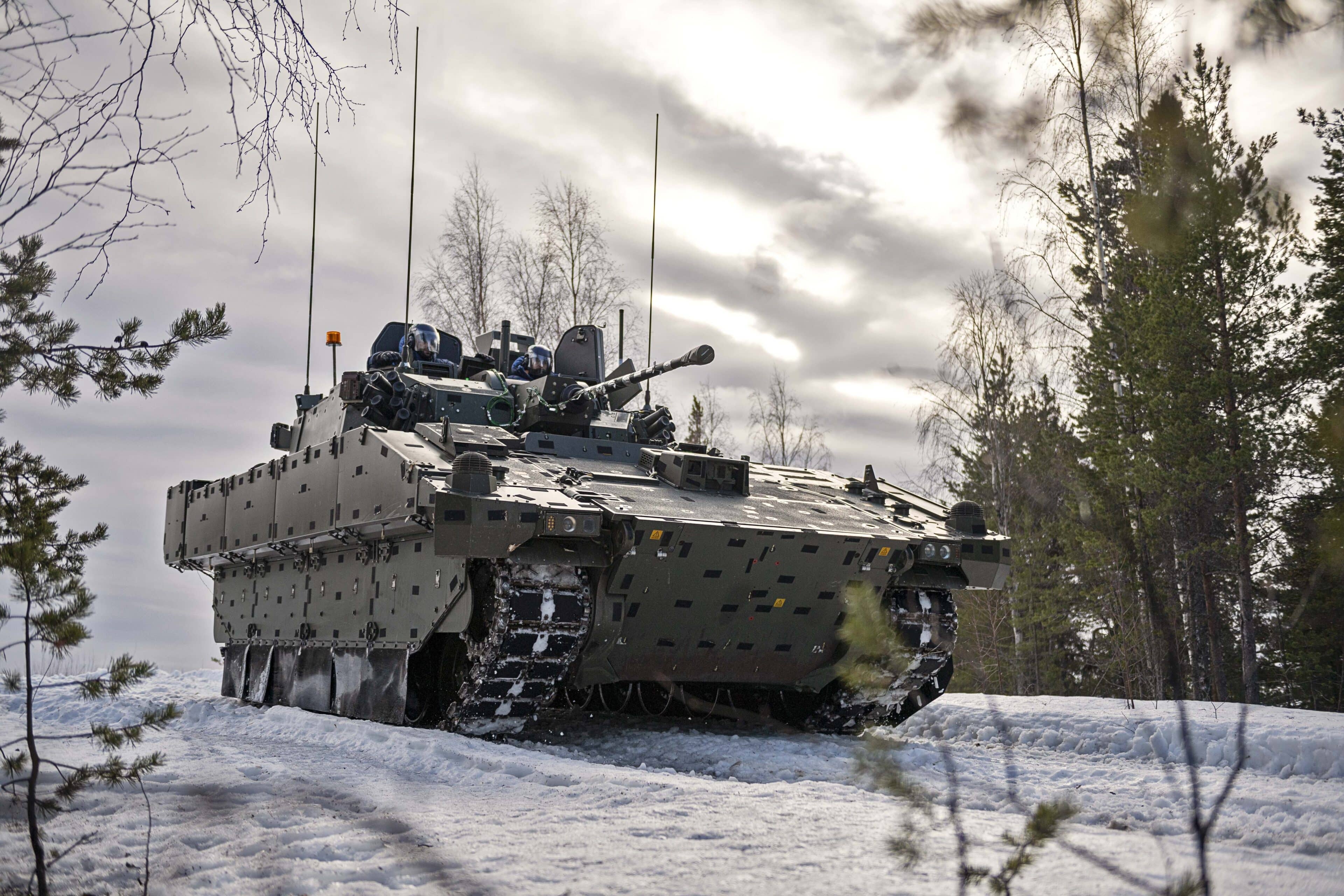
Two remedies under debate in the UK
Debate in the UK has focused on two paths.
One option calls for a full redesign — rebuilding the hull, revising the suspension and reengineering vibration mitigation — and then continuing to field Ajax.
The alternative is to cancel Ajax and switch to a wheeled armored platform such as Boxer for reconnaissance and support roles.
The first option would demand massive time and cost; the second would mean walking away from a program into which trillions of KRW have already been poured and accepting significant political fallout.
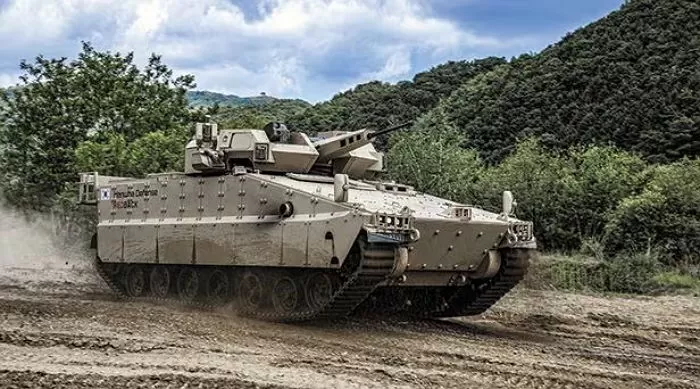
A choice between sunk costs and troop survivability
The Ajax program has already consumed roughly 8 trillion KRW (about $6.0 billion).
Yet officials still cannot confidently answer the basic question: can crews operate and fight effectively in these vehicles?
If political, industrial or economic pressures force the program ahead as-is, the ultimate cost will be paid by soldiers in combat.
Since the mass vomiting incident, fielding Ajax in its current form is widely viewed as effectively untenable.












Most Commented