
Translation result
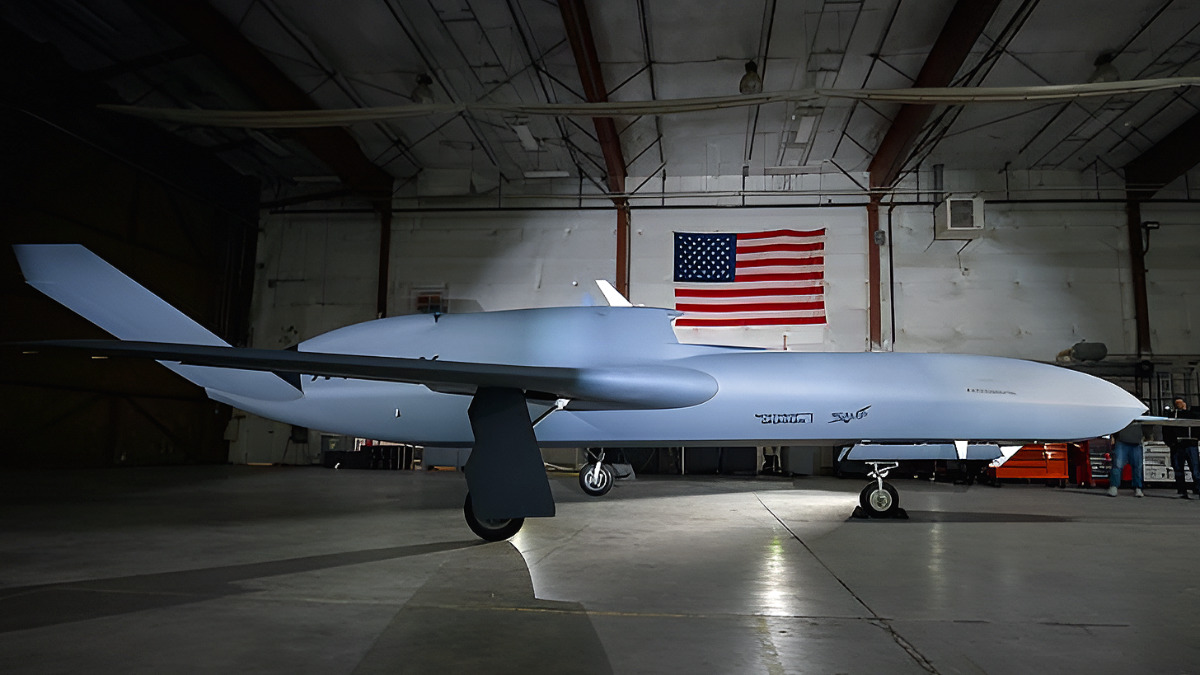
The U.S. Air Force’s next-generation unmanned combat aircraft candidate, the YFQ-48A Talon Blue, completed an autonomous runway taxi test, bringing it a step closer to a first flight.
Foreign defense outlets reported the aircraft demonstrated autonomous acceleration, steering and stopping during rigorous trials in the Mojave Desert.
Runway taxiing may seem routine, but it’s the first real check that the engine, landing gear and flight computer operate as an integrated system. If faults appear, it’s far safer and cheaper to fix them on the ground than in the air.
Talon Blue draws attention because it’s not just another drone. It’s a candidate for a “loyal wingman” — an unmanned system designed to operate alongside manned fighters and augment their combat capability.
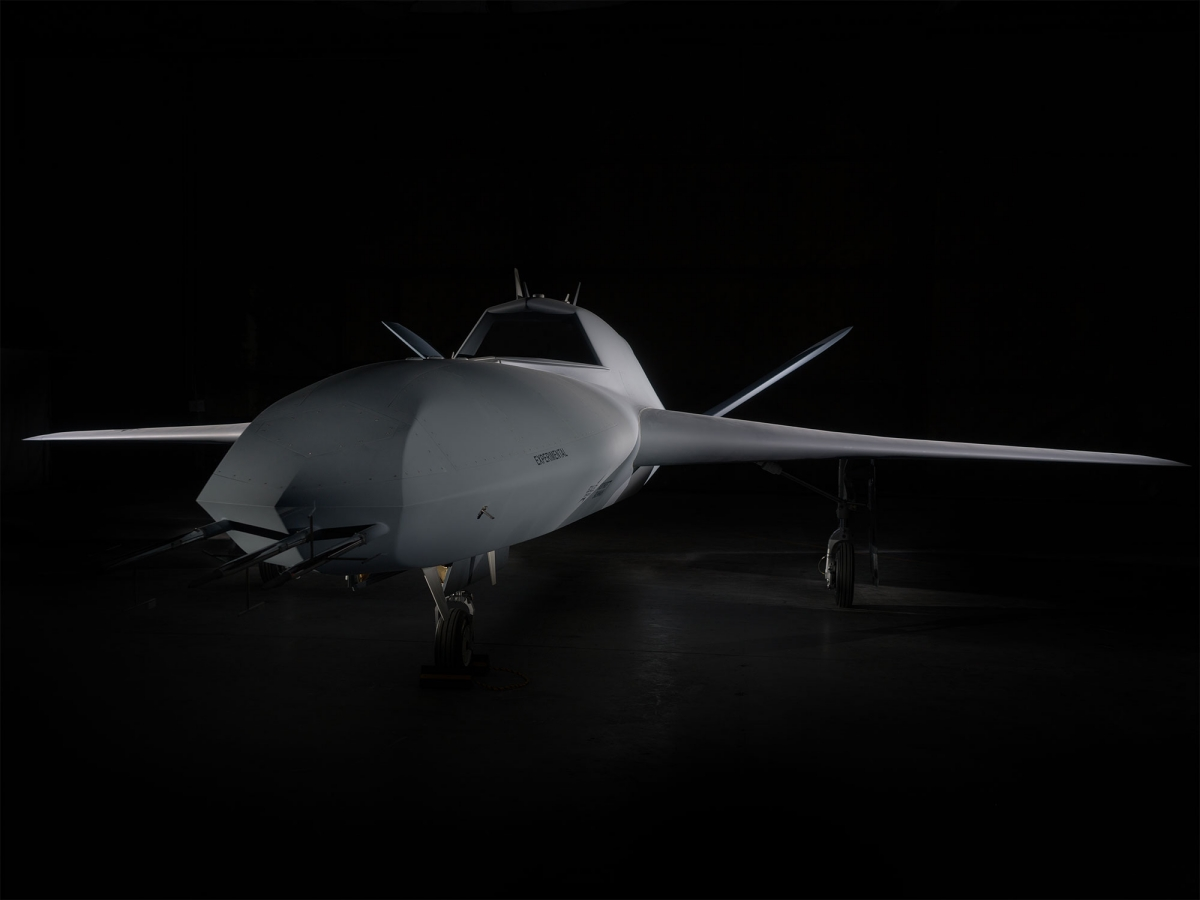
The Air Force is looking for smarter ways to reduce risk to expensive stealth fighters while dispersing sensors and missile payloads across the battlespace.
Expendable forces instead of costly fighters
The Achilles’ heel of today’s fighters is cost and limited inventory.
Platforms like the F-35 are powerful, but they require heavy investment in maintenance and pilot training. By contrast, a loyal unmanned wingman is suited for high‑risk tasks — penetrating air defenses or conducting dangerous reconnaissance — where you’d rather risk the drone than a person.
Talon Blue trims parts and weight to favor rapid production and lower unit cost over peak performance. In a future air campaign, the ability to mass-produce moderately capable unmanned aircraft quickly could matter more than a single elite jet.
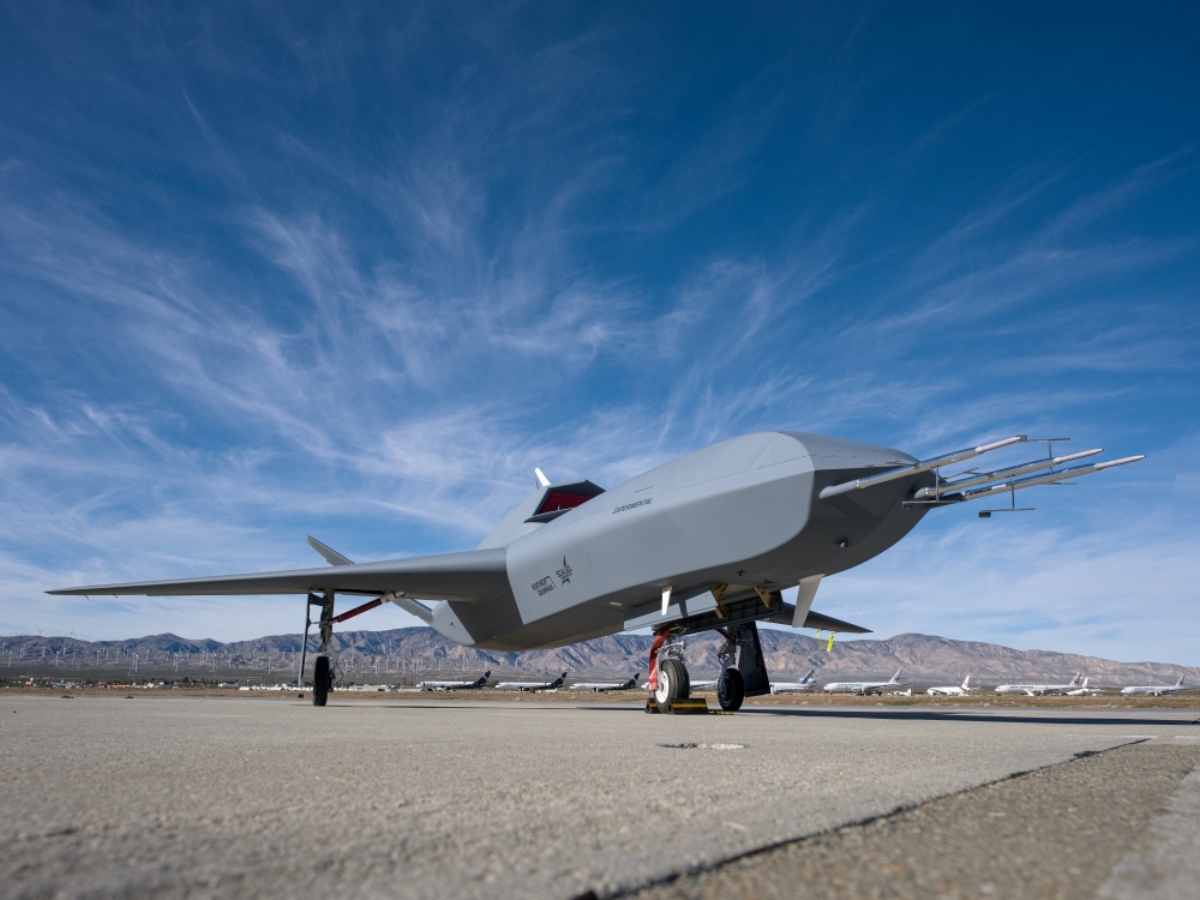
This autonomous taxi test is the starting point for that concept. If an aircraft can’t be controlled safely on the ground, it can’t execute missions in the air. For unmanned squadrons, true capability includes not only flight performance but turnaround speed — how quickly aircraft can be serviced and returned to combat.
In a protracted conflict, experienced pilots can become a scarcer resource than airframes. If unmanned systems take on the riskiest early missions, commanders can preserve trained pilots for decisive moments.
Autonomy, then, isn’t about convenience. It’s a tool to preserve combat power.
Allied air forces face the same hard questions
This trend isn’t unique to the U.S. China is also pursuing concepts that pair drones with stealth aircraft, and the vast distances of the Indo‑Pacific increase the strain on pilots and logistics.
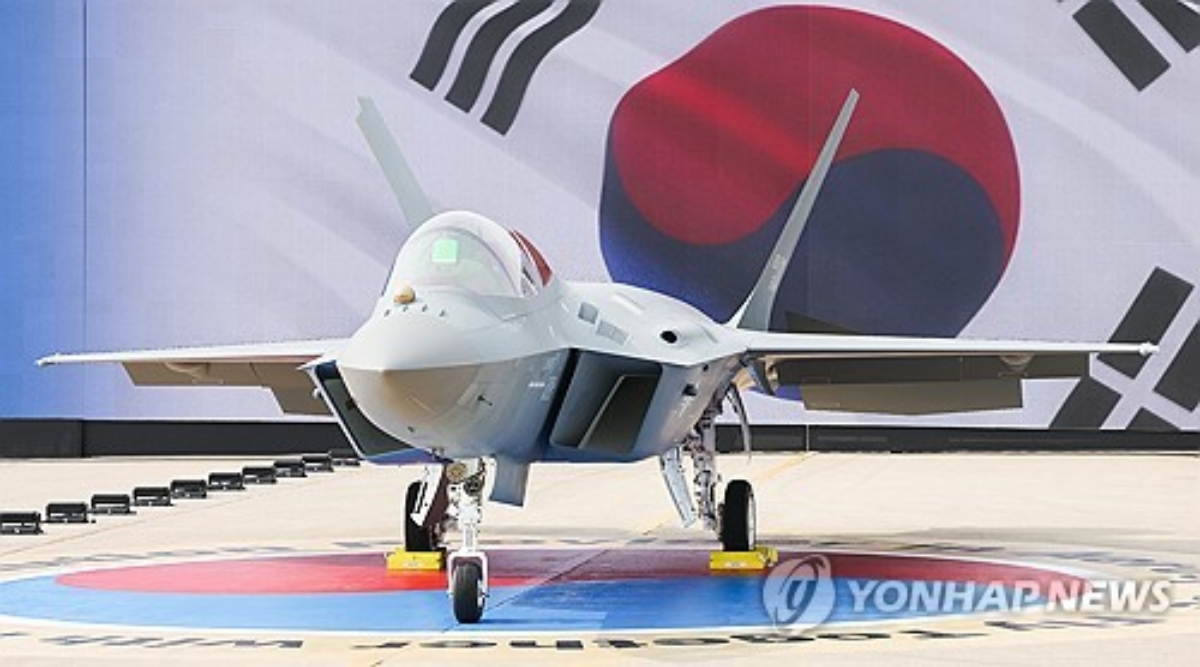
South Korea’s air force faces the same challenge. No matter how capable the KF-21 and F-35 are, the demands of North Korean air defenses and patrols over the Yellow Sea and East Sea point to the need for unmanned partners to support manned fighters.
But autonomy won’t be solved by a single successful test. Developers still must address communication outages, enemy jamming, and safeguards to prevent fratricide or mistaken engagements.
So the next milestone for Talon Blue isn’t just a first flight; it’s demonstrating how naturally it can operate as a teammate alongside manned fighters.
Ultimately, this shift is an industrial strategy to plug shortfalls in fighter numbers. The ability to rapidly produce airframes that can be lost without strategic cost becomes a credible deterrent by making an adversary think twice before escalating.
Trending articles
- “Mounting a 40mm gun to breach North Korean shores”—Marines surprised by next‑generation ‘Phoenix’ armored vehicle
- “Which is real and which is fake?”…New U.S. weapon startles North Korean forces
- “Explodes within 30 seconds of hearing a sound,” “Korean frontlines aren’t exempt”…U.S. doctrine changes spark an uproar















Most Commented