
Translation result
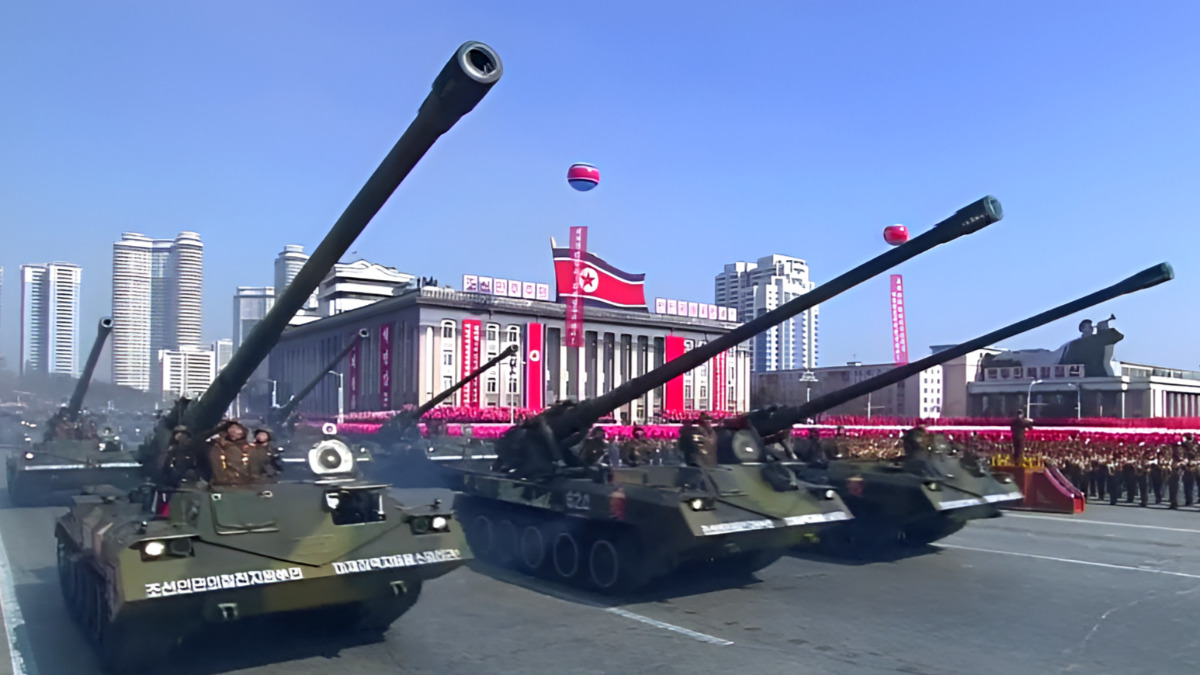
North Korea has ratcheted up tensions by announcing plans to deploy large numbers of new long‑range howitzers to forward positions that could directly target South Korea’s capital region.
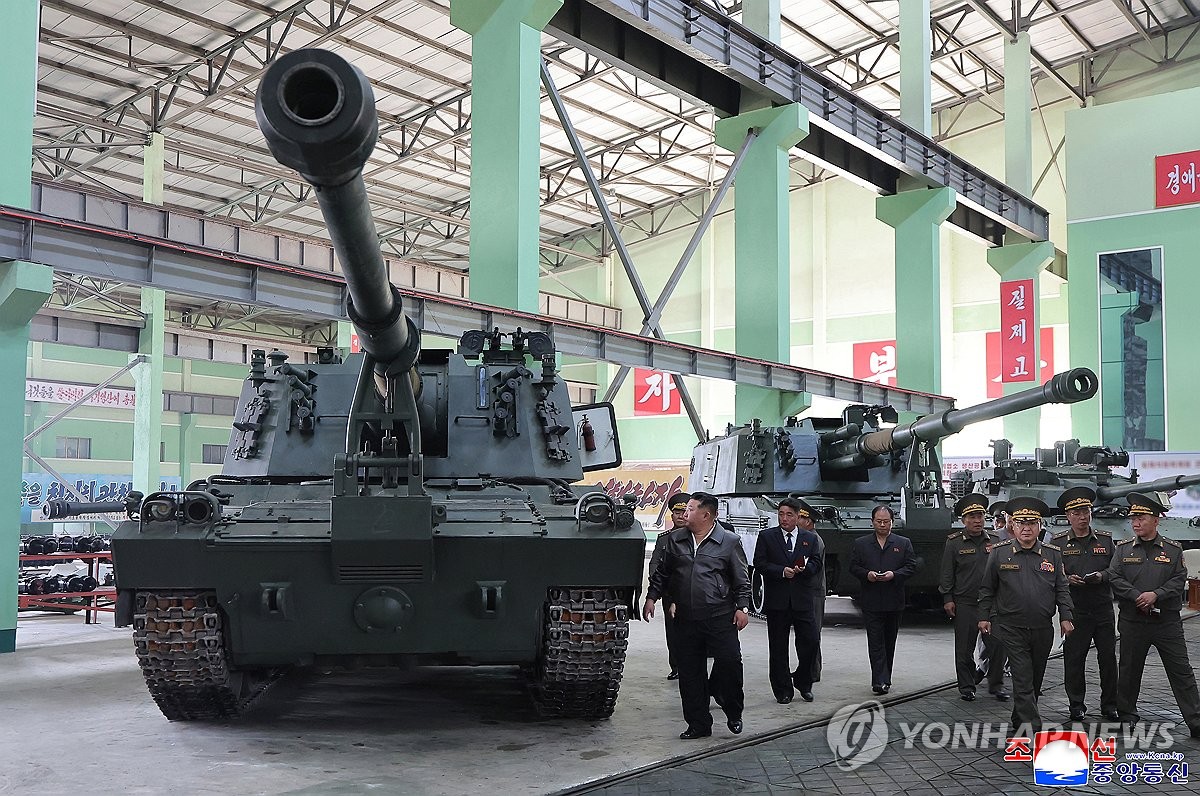
State media said Kim Jong Un recently inspected a key munitions plant to review production of the new self‑propelled guns and announced plans to field them this year in three long‑range artillery battalions on the southern front.
Pyongyang claims the system has a range exceeding 60 km. From positions near the Military Demarcation Line, that reach would put central Seoul and other critical metropolitan targets squarely in range.
The new system bears a strong visual resemblance to South Korea’s K9 howitzer and has been dubbed a “North Korean K9.” The most notable change is its caliber.
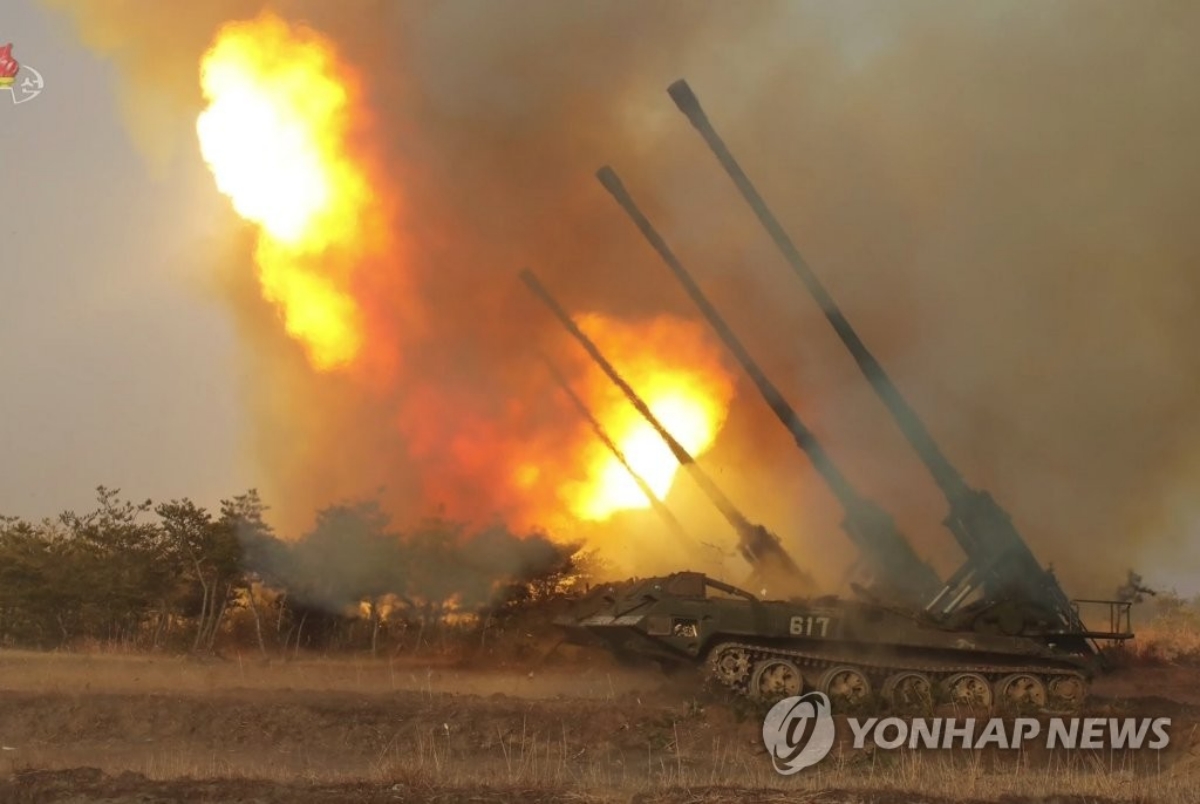
For decades, Pyongyang has relied on Warsaw Pact‑standard 152 mm guns—with ranges roughly 20–40 km—and on the slower, less mobile 170 mm Koksan self‑propelled gun as its backbone.
The new gun, however, adopts the 155 mm caliber used by Western militaries and by the K9. That points to an effort to move from an aging, static artillery force toward a more modern, mobile artillery system.
The multilayered artillery trap behind a 60 km range
If Pyongyang can deploy large numbers of these new self‑propelled guns to the front as it claims, South Korea’s military would face another difficult variable.
Until now, much of the threat to the Seoul metropolitan area came from long‑range guns and rocket launchers emplaced in fixed bunkers. Mobile howitzers add a different challenge: weapons that displace and shoot from multiple positions along the front.
The danger of modern self‑propelled guns is not just range. Their primary tactic is “shoot‑and‑scoot”: fire at a target, then vacate the firing position before enemy counter‑battery radars can locate and strike them.
If North Korea can pair that mobility with 155 mm guns, the list of targets and the movement patterns the South would need to disrupt early in a conflict become far more complex. As the layers of artillery threatening Seoul diversify, interception and defense grow harder.
Looks like a K9 on the outside, but true capability remains uncertain
Pyongyang has loudly touted a 60 km range and framed the system as superior to the South Korean K9. Analysts, however, caution against taking North Korean claims at face value.
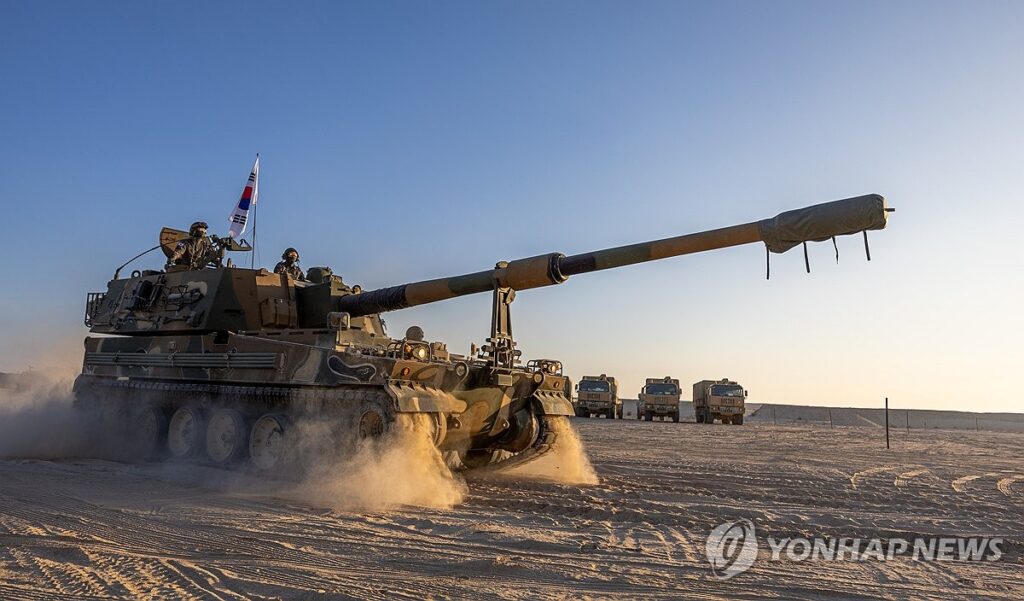
A K9 firing standard rounds reaches roughly 40 km, and with extended‑range munitions under development it can reach out toward 60 km. That undermines any suggestion of a clear, one‑sided range advantage for the North.
The more decisive measures are strike quality and system reliability. A howitzer’s combat effectiveness depends more on fire‑control accuracy, sustained‑fire capability (often via automatic loaders), and ammunition quality than on headline range numbers.
The K9 has demonstrated precise fire control and reliability through extensive operational experience and numerous overseas sales.
By contrast, North Korea’s new self‑propelled gun has so far been documented only in state media photos and official claims; crucial performance metrics such as sustained‑fire rates and hit probability remain unverified.
South Korean military officials say they are watching Pyongyang’s weapons development closely but are cautious about stoking public alarm without corroborated evidence.











Most Commented