
Translation result
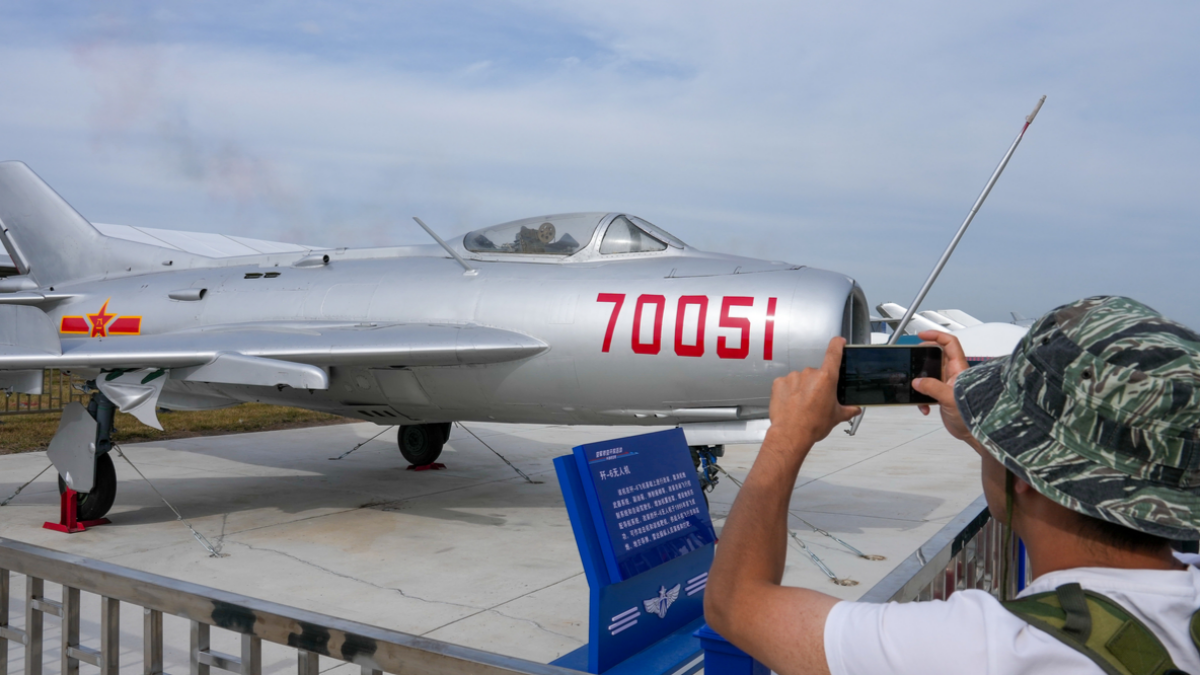
They focused on multiple sensitive sites and photographed them repeatedly
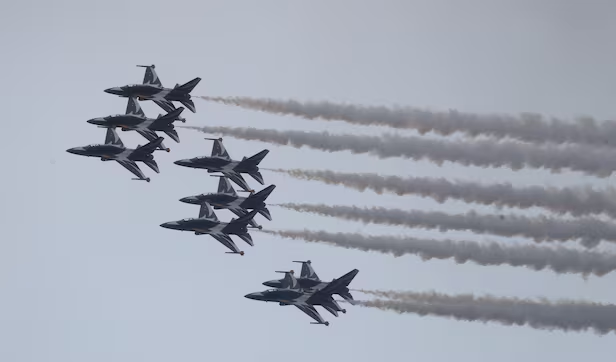
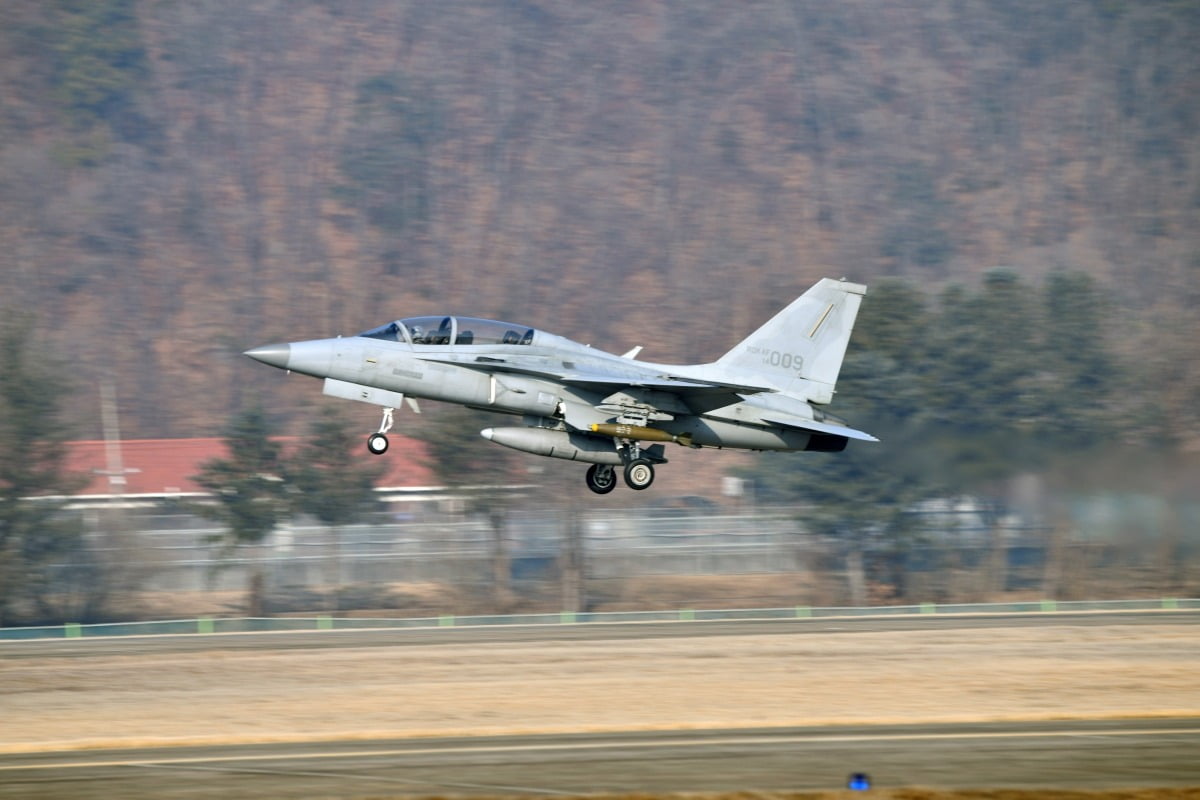
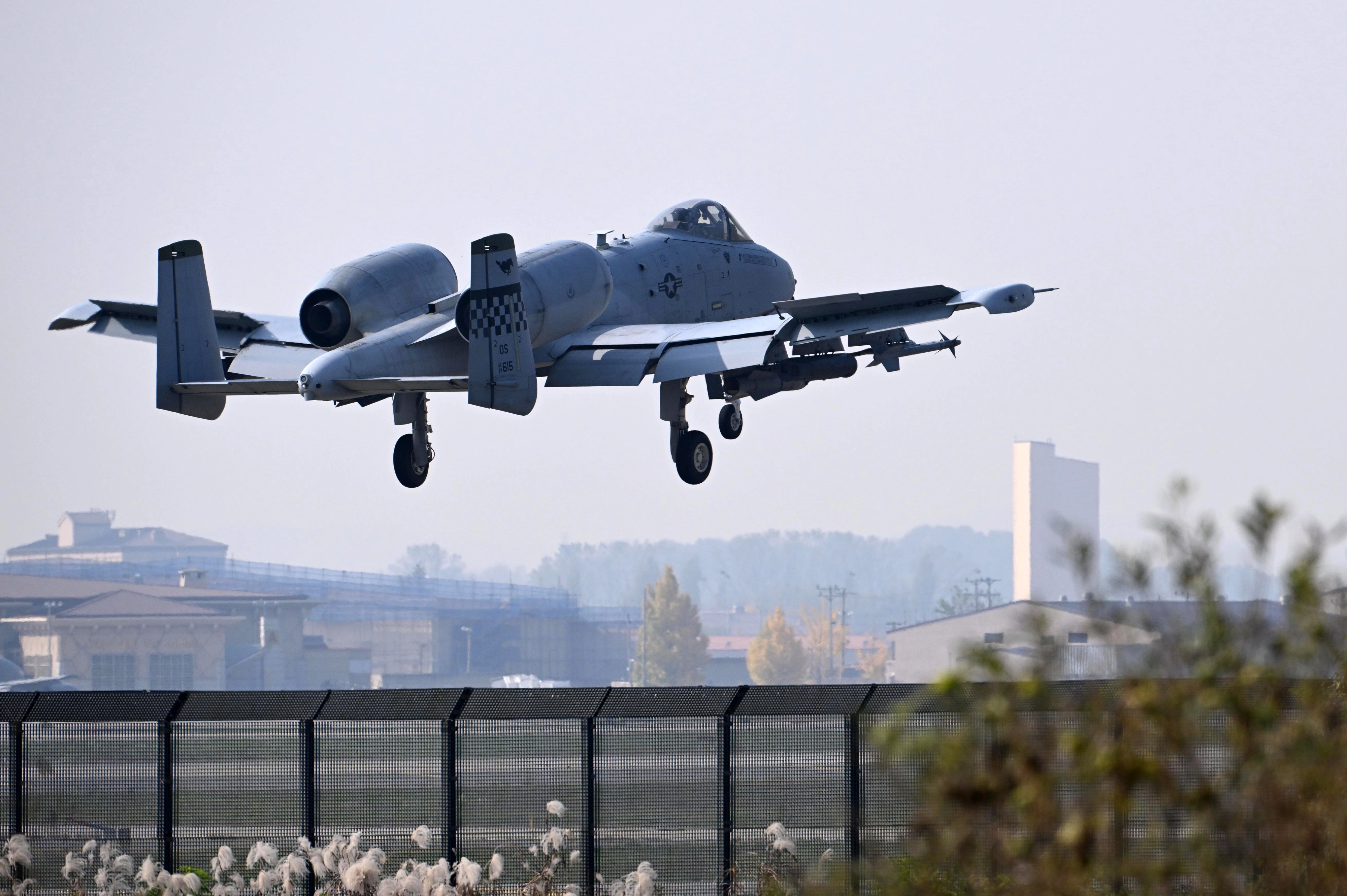
Two Chinese teenagers entered South Korea several times from the second half of 2024 through March of last year. Their visits were not one-offs. Each time they carried cameras with long telephoto lenses and sought out specific locations — four key ROK‑U.S. military facilities (Suwon Air Base; Osan Air Base (K‑55) in Pyeongtaek; the Pyeongtaek U.S. base (K‑6); and Cheongju Air Base) and three major international airports: Incheon, Gimpo and Jeju. This wasn’t routine travel photography. They systematically shot fighter jets during takeoffs and landings, control towers and facilities, runways and taxiways, and then uploaded the images online — a pattern that undercuts the claim their actions were accidental.
They brought radios and tried to intercept air‑traffic communications
More concerning than photography alone, they carried Chinese-made radios and attempted to eavesdrop on communications between controllers and pilots near airports and air bases. They failed to lock onto the correct frequencies, so their attempts were unsuccessful, but the effort itself goes beyond casual hobbyist behavior. When combined, imagery and intercepted communications can reveal sensitive details — flight patterns, air‑traffic control procedures and emergency response routines. Dozens or hundreds of fighter‑jet photos plus attempts to monitor ATC are difficult to dismiss as simply “I like planes.”
Why charges upgraded from the Military Facilities Protection Act to a criminal‑code offense
Police initially booked the pair under the Military Facilities and Military Installations Protection Act. But the investigation revealed the scale and targets of the photography, repeated entries, possession of radios and attempts to eavesdrop, plus online posting activity. Those findings expanded investigators’ view from simple trespass or unlawful photography to conduct that could harm the Republic of Korea’s military interests. Prosecutors ultimately reclassified the case under the criminal‑code provision commonly characterized as the offense of providing military advantage to an enemy (일반이적죄). That statute broadly covers the collection and accumulation of information that, by itself, poses a significant risk — even when no transfer of that information to an adversary has been proven.
Why prosecutors called it “a serious crime even if the suspects are minors”
At the sentencing hearing, prosecutors sought an indeterminate sentence for A (17) — a long term of four years and a short term of three — and a four‑year prison term for B (19). Juvenile law requires applying an indeterminate sentence to minors, but prosecutors treated the conduct as grave. They said the actions posed a serious threat to military security and that the defendants showed no remorse. The defendants and their lawyers argued their aircraft photography was a hobby, that there was no direction or payment, and that they were young. Prosecutors maintained that repeated entries, the deliberate selection of military sites, radio‑eavesdropping attempts and the nature of the images made it hard to view the behavior as mere youthful folly.
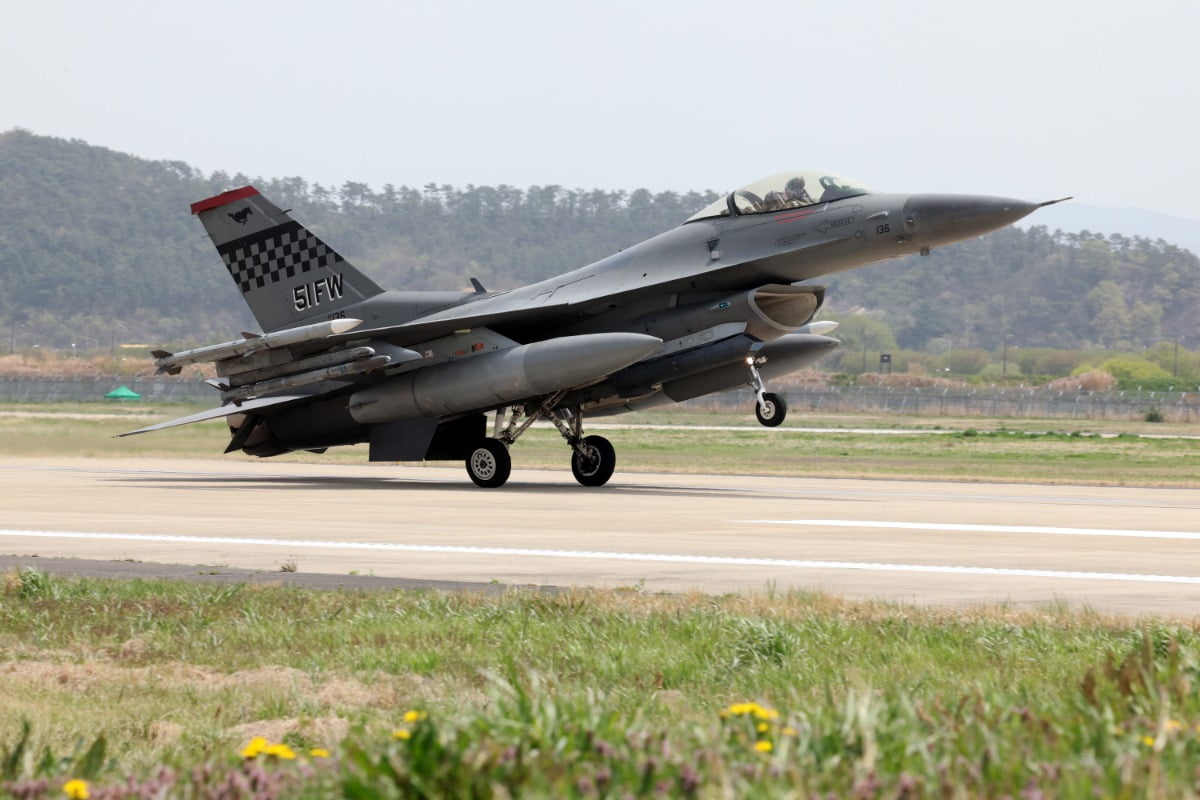
The line between “young aviation fan” and “potential intelligence collector”
In their final statements, the defendants said they didn’t know foreign law and acted out of curiosity. But in an era when information warfare, drones and satellite imagery matter, high‑magnification photos and attempts to intercept communications near military facilities produce data that can be exploited on the battlefield. In a country like South Korea, where the security environment is tense, foreign nationals who obsessively photograph military sites and attempt to capture communications force authorities to determine whether they are hobbyists or collecting on someone else’s behalf. Minor status is relevant to sentencing, but it does not erase the criminal nature of the conduct.
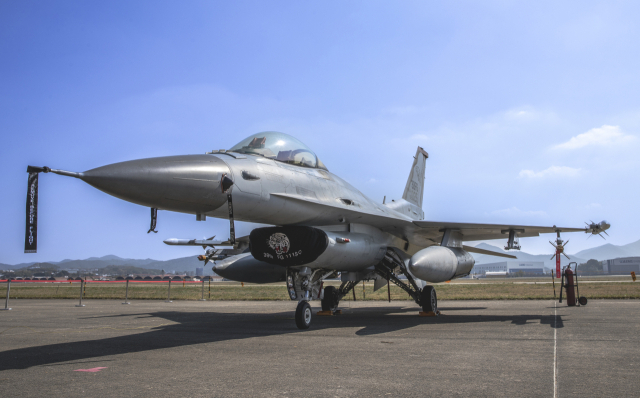
What remains to be done
The case is a stark warning: whether the individuals are young aviation enthusiasts or deliberate collectors of information, military and airport facilities in South Korea can be exposed through photography and radio surveillance. You don’t need to breach a perimeter — from roads, cafés or nearby hills, someone with long‑range optics and a radio can gather military data. South Korea needs clearer laws and enforcement standards, well‑defined no‑photography zones, reporting mechanisms for residents and visitors near bases and airports, and broader public awareness about espionage in the digital age. This incident makes plain that Korean society must sharpen its information‑security instincts.










Most Commented