
Translation result.
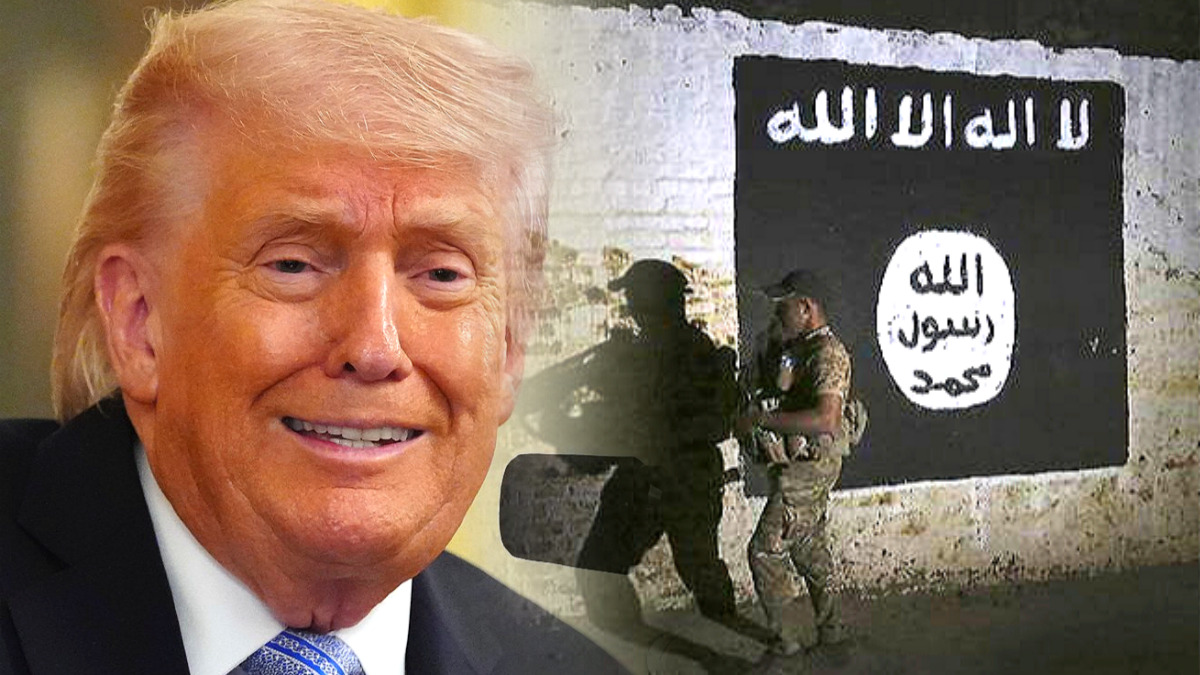
President Trump personally announced the killing of a senior Islamic State commander who U.S. and Nigerian officials identified as the group’s No. 2.
U.S. and Nigerian forces conducted a joint counterterror operation in the Lake Chad basin of northeastern Nigeria that killed a senior IS figure known as Abu Bilal Alminuki.
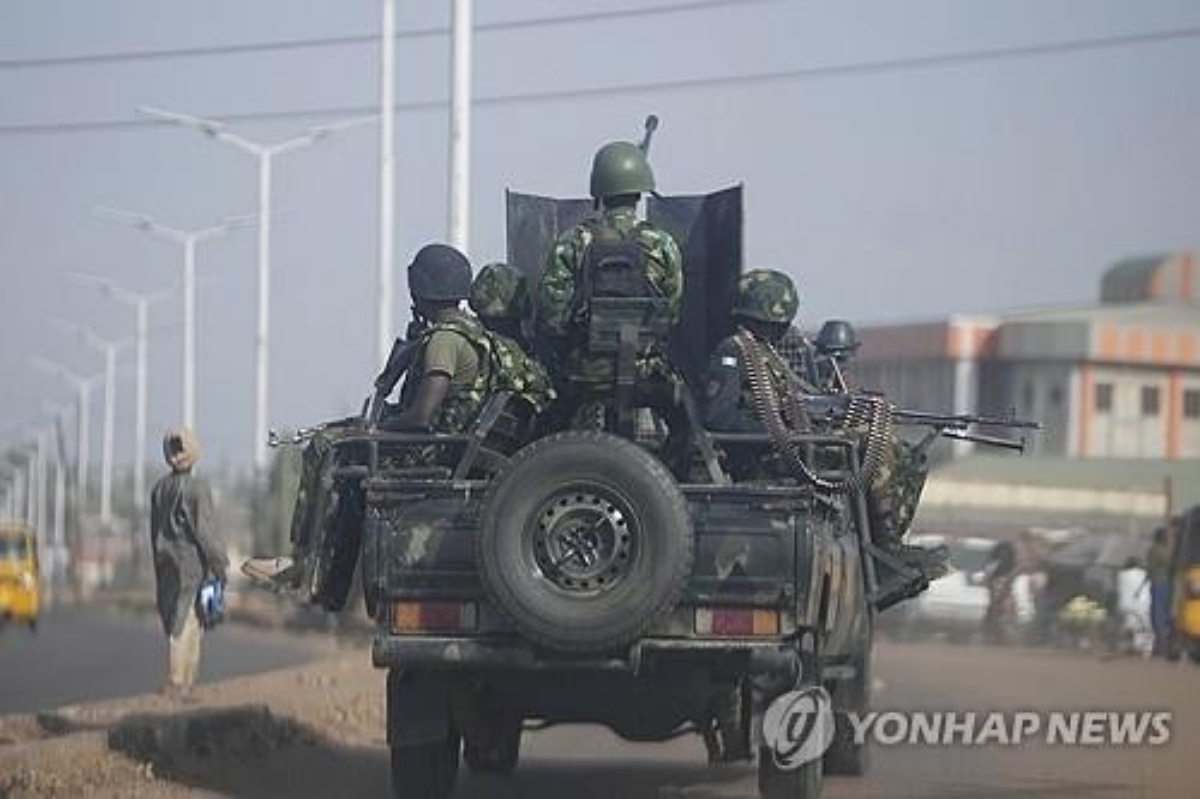
Nigerian authorities described the operation as a night raid — an air-and-ground precision mission that lasted roughly three hours — and said Alminuki and several associates were killed.
Why IS has moved into Africa
The operation is notable not just for removing a senior commander but for what it reveals about where IS’s center of gravity has shifted.
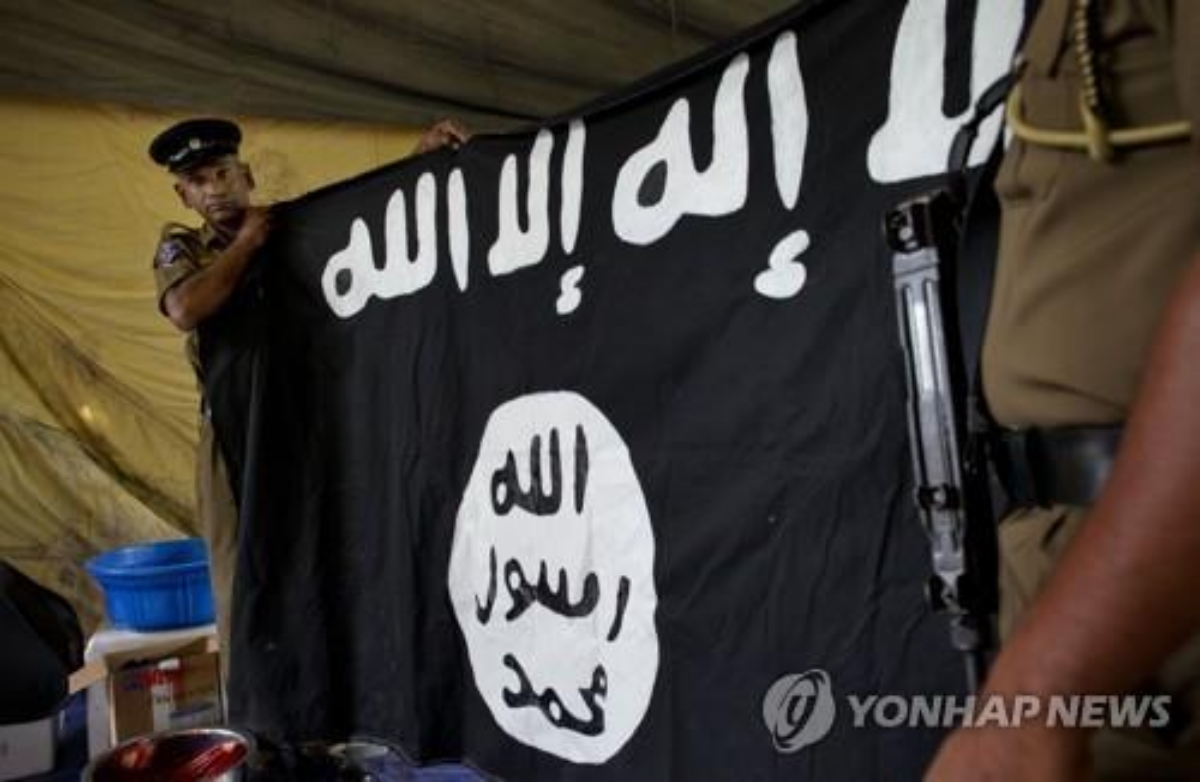
After losing its so-called caliphate in Iraq and Syria in 2017, IS did not vanish. Instead, the group dispersed into regions with weak governance and porous borders — notably the Sahel, the Lake Chad basin and Somalia.
The Lake Chad region and northeastern Nigeria have long been a theater for Boko Haram and the Islamic State West Africa Province (ISWAP). Alminuki, believed to be from Borno state, was considered influential in ISWAP’s rise and expansion.
The U.S. added him to its sanctions list in 2023. In recent months Washington and Abuja have stepped up intelligence sharing and military coordination. Nigerian officials say the raid struck a hideout in the Lake Chad basin and killed Alminuki along with several aides.
Officials described the mission as a nighttime, coordinated air-and-ground strike. Nigerian forces reported no friendly casualties or equipment losses.
A signal bigger than removing the No. 2
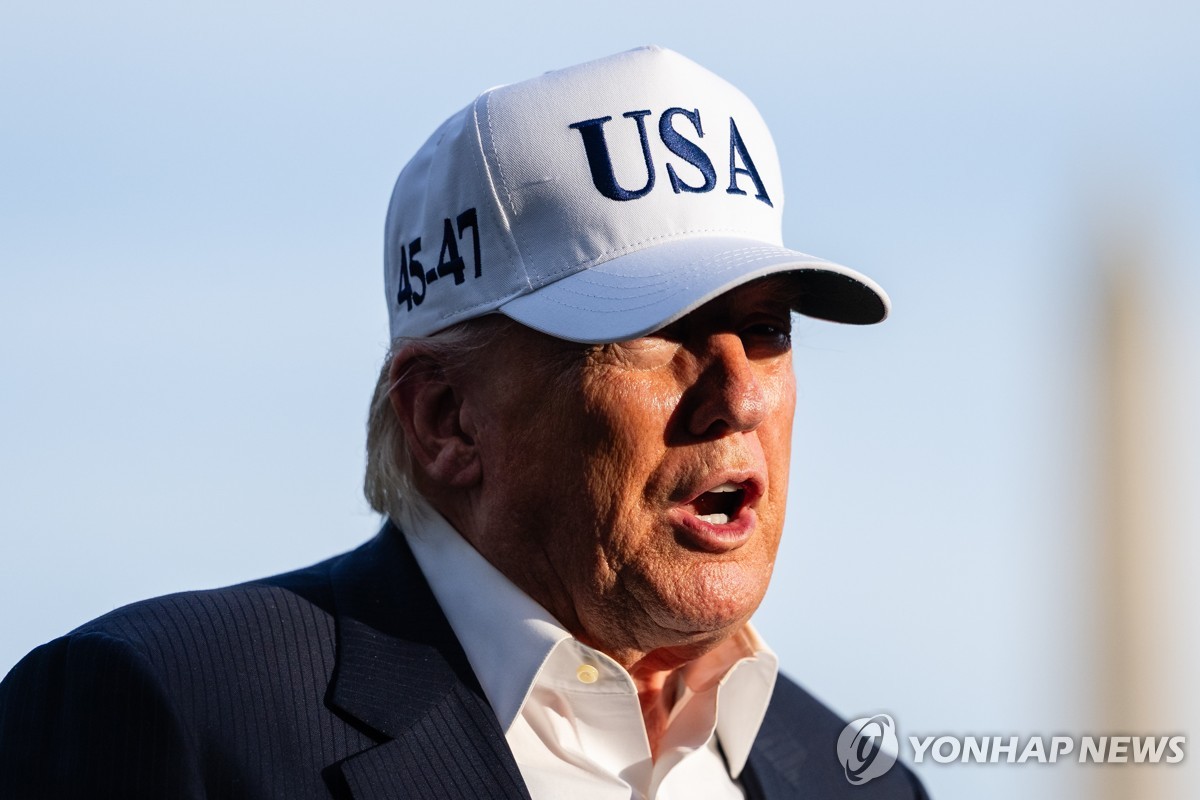
The designation “IS No. 2” should be treated cautiously. President Trump, U.S. defense officials and Nigerian authorities described Alminuki as a top-tier figure in IS’s global command, but independently verifying the group’s internal hierarchy is difficult.
So, while his death is significant, it should not be equated with the collapse of IS worldwide.
Nevertheless, the raid carries strategic weight. IS-linked groups have been expanding operations across West Africa. U.N. experts reported more than 500 IS-related attacks in West Africa between January and October last year.
That pattern shows IS has preserved operational capacity through regional affiliates despite setbacks in the Middle East.
For the United States, the operation represents more than a single overseas strike. The Trump administration has publicly raised concerns about attacks on Christian communities in Nigeria and has used that issue to pressure for possible intervention. That push helped tighten security cooperation between the two governments.
This joint raid is the first major operational payoff from that closer partnership. But counterterrorism success rarely ends with the removal of one leader. Groups such as ISWAP can reconstitute through local networks, financing, kidnappings, smuggling and propaganda channels.
Eliminating a senior figure can disrupt command and control, but if local instability and governance vacuums persist, new leaders are likely to emerge.
The operation underscores that IS is no longer solely a Middle East problem. Washington and Abuja framed the takedown as a major win, but the real test will be whether they can sustain pressure to degrade IS strongholds across Africa, including the Lake Chad basin.









Most Commented